Lemmo 3 Pushes the Longtail Cargo Bike Towards Vehicle Territory
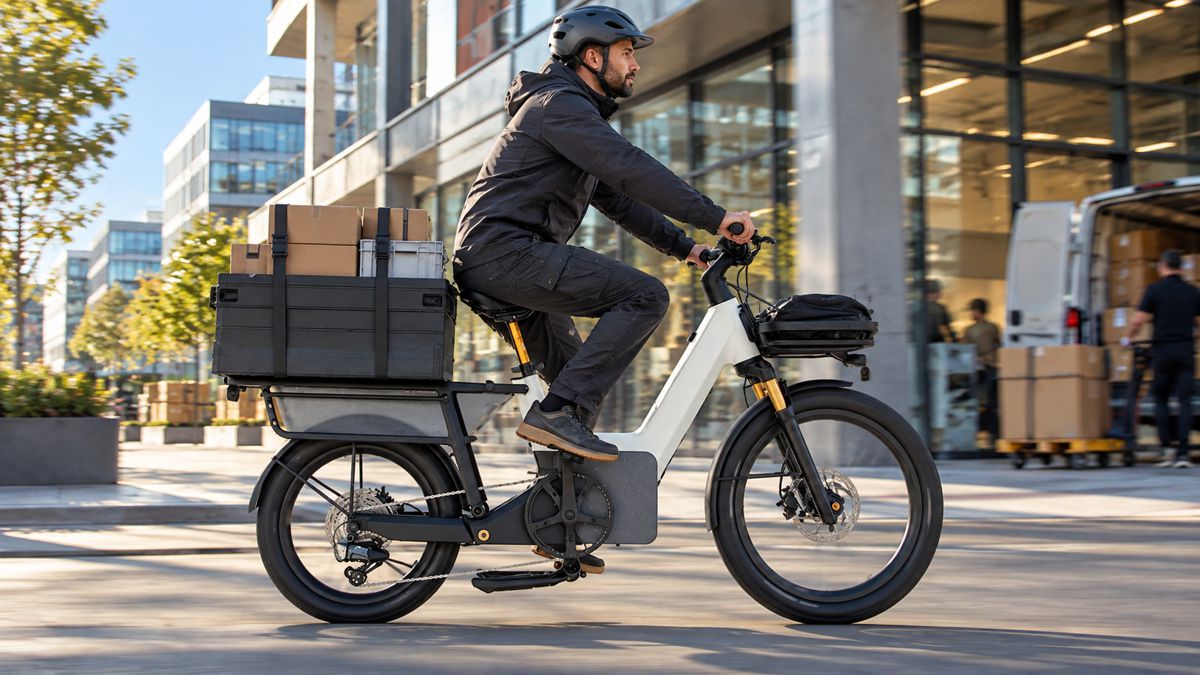
Cargo bikes have traditionally borrowed most of their engineering from bicycles: longer frames, stronger racks, bigger brakes and an electric motor to deal with the additional weight. Lemmo is taking a different route with its new Lemmo 3, adding full suspension, rear-facing radar, combined hydraulic braking, automatic electronic shifting and a 960 Wh semi-solid-state battery to a longtail platform capable of carrying a gross weight of 200 kg.
The Berlin-based company describes the machine as an All Purpose Vehicle, or APV, sitting somewhere between an electric bicycle and a light electric moped. That description is partly marketing, but the engineering direction behind it is more interesting. Longtail cargo bikes are becoming sufficiently capable, heavy and technically sophisticated that manufacturers increasingly have to think about them as vehicles rather than bicycles with enlarged luggage racks.
Development began in 2023 under the internal project name APV, followed by several years of prototyping, feedback and refinement. Lemmo 3 follows the company’s Lemmo One and Lemmo Zero and will initially be introduced through a Kickstarter campaign.
Briefing
- Lemmo 3 is a longtail electric cargo bike rated for up to 200 kg gross weight.
- A 960 Wh semi-solid-state battery is combined with a rear hub motor producing up to 90 N·m of torque.
- Suspension includes 80 mm of travel at both ends, supplemented by a suspension seatpost and high-volume tyres.
- Safety equipment includes rear-facing radar, combined hydraulic braking, brake lights and indicators.
- The bike is being introduced through Kickstarter, with production and deliveries expected to follow the crowdfunding campaign.
Engineering the Longtail Around Load
Longtails solve one of the fundamental problems with cargo bicycles by keeping the load behind the rider rather than placing a large box ahead of the handlebars. Their steering consequently remains familiar to conventional cyclists, while an extended rear structure provides space for children, luggage or commercial loads.
Lemmo has retained that architecture but altered the chassis around it. The Lemmo 3 uses a 24-inch front wheel and smaller 20-inch rear wheel, extending the wheelbase while keeping the rear loading platform relatively low. Its aluminium frame carries a 700 mm modular rear platform compatible with MIK HD accessories, supplemented by a front rack and interchangeable carrying equipment.
The gross vehicle weight is rated at 200 kg, covering the machine, rider, passengers and cargo. That places considerable demands on a bicycle-derived structure, particularly when loads are concentrated over the extended rear section.
Cargo-bike engineering is now receiving more formal treatment from standards bodies for precisely this reason. The current BS EN 17860-2 standard covers the mechanical aspects of lightweight single-track carrier cycles and encompasses privately used machines with maximum gross vehicle weights up to 250 kg. The wider EN 17860 family also addresses passenger transport, electrical systems, heavyweight carrier cycles and trailers.
Suspension and Ride
The Lemmo 3 uses an 80 mm rear suspension system incorporated into what the company describes as a decoupled frame architecture, with a high-load spring isolating the rider and rear load from impacts. The front uses an 80 mm hydraulic suspension fork, while another 20 mm of movement is available through the adjustable suspension seatpost. High-volume all-terrain tyres provide another layer of compliance.
An impact that is relatively insignificant on a conventional bicycle becomes more pronounced when the frame is carrying a child, substantial cargo or both. Reducing those shock loads can improve passenger comfort while limiting the forces transmitted through the machine and its load.
Suspension also broadens the surfaces a heavily loaded longtail can reasonably tackle. The Lemmo 3 is clearly intended primarily for roads, cycleways and everyday transport rather than serious mountain-bike terrain, but poorly surfaced roads, kerbs, tracks and unpaved routes become less hostile when the load is isolated from repeated impacts.
Independent reporting on the launch places the complete bicycle at around 39 kg including its battery, illustrating the other side of that capability. These are substantial machines to manoeuvre manually once the electrical assistance stops.
A Semi-Solid-State Battery Moves onto Two Wheels
Lemmo has specified a 960 Wh semi-solid-state battery, an unusual choice in an e-bike and one of the more technically interesting aspects of the machine. Independent reporting on the Lemmo 3 identifies the battery as one of its distinguishing features and reports a claimed range of up to 180 km under suitable conditions.
Semi-solid-state batteries retain some liquid or gel electrolyte rather than replacing it completely with the solid electrolyte envisaged for a true solid-state cell. The terminology consequently covers a spectrum of battery designs rather than one universally defined chemistry.
For a cargo bike, energy density is particularly useful because battery mass competes directly with rider and payload capacity. Lemmo claims its pack is 20 per cent smaller and lighter than an equivalent conventional battery and has a 30 per cent longer service life. Those remain manufacturer claims, and real-world durability will only become clear after the product has accumulated significant operating mileage.
The battery can also operate as a portable energy source, supplying compatible external equipment. That develops an idea already visible in Lemmo’s earlier Smartpac system, where major electrical components are concentrated into a removable module.
Electrical safety is receiving greater attention as cargo bikes grow larger and battery capacities increase. BS EN 17860-5:2024 specifically covers the electrical and functional safety of carrier cycles, including their batteries, chargers, motor power-management systems and electrical circuits.
Power, Braking and Rider Assistance
Propulsion comes from a rear hub motor producing up to 90 N·m of torque, although configurations will necessarily vary according to the regulations applying in individual markets.
That torque is useful on a cargo bicycle because starting on gradients and accelerating a heavily loaded machine impose very different demands from moving a lightly loaded commuter bike. Maximum motor output provides only part of the picture; gearing, control software, wheel diameter and torque delivery all influence how manageable a loaded bicycle feels at low speed.
Lemmo has also introduced an electronic derailleur with automatic shifting. The company describes the system as AI-powered, although its practical function is straightforward: selecting gears automatically according to riding conditions rather than requiring continuous input from the rider.
An alternative configuration for flatter terrain pairs a three-speed internally geared rear motor with a belt drive. The two approaches reflect different operating priorities. Derailleur gearing provides a broader conventional bicycle transmission, while the enclosed gear and belt arrangement reduces exposed drivetrain components and routine maintenance.
Safety equipment includes a rear-facing radar that monitors approaching traffic and provides warnings through the handlebar display. Integrated lighting incorporates high and low beams, brake lights and indicators, while a 3.5-inch touchscreen handles information and connected functions alongside physical controls.
Radar has already moved from premium cars into motorcycles and high-end cycling equipment. Incorporating it into a family-oriented cargo bike has an obvious application when the rider may be concentrating simultaneously on traffic, the greater dimensions of the bicycle and passengers behind them.
Braking is handled by hydraulic brakes linked through what Lemmo calls a Combined Braking System, with either lever activating both wheels. A combined system can simplify brake-force distribution for less experienced riders, particularly when a machine is carrying substantial weight, although its behaviour under different loads, surfaces and emergency conditions will matter more than the terminology.
The security package follows the same direction. Lemmo says the machine incorporates seven layers of theft protection, including integrated locking functions, GPS and connected tracking. Longtail cargo bikes can be difficult to carry indoors and represent a substantial investment, making integrated security increasingly relevant to everyday use.
Cargo Bikes Develop Their Own Engineering Rules
The arrival of machines such as the Lemmo 3 coincides with the maturation of cargo-bike standards in Europe.
BS EN 17860-2:2024+A1:2026 specifically addresses the mechanical requirements of lightweight single-track carrier cycles, while Part 5 covers electrical systems and Part 6 passenger transport. The mechanical standard accommodates private carrier cycles with gross weights up to 250 kg and commercial machines up to 300 kg.
This is a more appropriate engineering framework for a 200 kg longtail than standards developed principally around ordinary bicycles. Transport for London has similarly examined cargo-bike safety as use expands, recognising that the vehicles range from individual bicycles to equipment operated in substantial commercial fleets.
Manufacturers are already beginning to advertise compliance with EN 17860 as a product attribute. Tern, for example, states that the frame and fork of its HSD cargo bike are independently tested and certified to the standard using loads scaled to a 190 kg test weight.
Lemmo’s launch material does not state that the Lemmo 3 has obtained EN 17860 certification, so compliance should not be assumed. As cargo bicycles become heavier, more capable of carrying passengers and increasingly sophisticated electrically, independently demonstrated compliance with the relevant standards could become an important point of comparison between machines.
Taking the Lemmo 3 to Market
The longtail market already extends from relatively straightforward utility bikes to premium machines costing several thousand pounds or euros. The attraction of the format is its familiarity: riders sit and steer much as they would on a conventional bicycle, while the extended rear structure adds substantial carrying capacity.
Lemmo is adding considerably more technology to that basic proposition. Full suspension, radar, automatic shifting, tracking, integrated indicators and a large semi-solid-state battery add complexity, weight and additional systems requiring long-term support. They also address some of the compromises that emerge when a bicycle is expected to carry children, groceries and equipment every day rather than simply transport one rider.
Crowdfunding introduces another consideration. The Lemmo 3 is entering the market through Kickstarter rather than an established volume-production cycle, and specifications, production schedules and delivery dates therefore remain subject to the usual risks associated with a product moving from engineering development into manufacturing. Independent reporting puts the Kickstarter reservation price at €1,890, against an expected eventual retail price above €3,390, with deliveries targeted for April 2027.
Lemmo already has commercial products behind it through the Lemmo One and Lemmo Zero, but the more interesting test for the Lemmo 3 will come after launch, when its suspension, battery, electronics and transmission encounter several years of loaded family use.
Cargo bicycles have spent much of their recent development borrowing technology from conventional bikes. The Lemmo 3 suggests the next generation may borrow increasingly from motorcycles, electric vehicles and automotive safety systems instead.
Key Industry Questions
- What is the Lemmo 3? It is a longtail electric cargo bicycle developed by Berlin-based Lemmo around its APV, or All Purpose Vehicle, platform.
- How much weight can the Lemmo 3 carry? Lemmo specifies a maximum gross vehicle weight of 200 kg. This includes the bicycle itself together with its rider, passengers and cargo.
- What battery does the Lemmo 3 use? The bike uses a 960 Wh semi-solid-state battery, bringing a relatively unusual battery technology into the cargo-bike market.
- Does the Lemmo 3 have full suspension? Yes. Lemmo specifies 80 mm of rear suspension travel and an 80 mm hydraulic front fork, supplemented by a suspension seatpost and high-volume tyres.
- How much torque does the motor produce? The rear hub motor is rated at up to 90 N·m, although market-specific versions may differ according to local e-bike regulations.
- What does the rear radar do? It detects vehicles approaching from behind and provides warnings to the rider through the bike’s display.
- What is EN 17860? EN 17860 is a European standards series developed specifically for carrier cycles. Different parts cover areas including mechanical requirements, electrical systems, passenger transport and trailers.
- Is the Lemmo 3 certified to EN 17860? The launch material reviewed for this article does not state that the Lemmo 3 has obtained EN 17860 certification. Compliance should therefore not be inferred without further documentation.
- When will the Lemmo 3 be available? The bike is being introduced through Kickstarter. Independent reporting at launch indicated that deliveries were targeted for April 2027, although crowdfunding production schedules can change.
Strategic Takeaways
- Longtail cargo bikes are moving beyond strengthened bicycle components towards systems engineered specifically around high gross weights and passenger carrying.
- Semi-solid-state batteries could be particularly useful in cargo applications if their claimed energy-density, durability and safety advantages are demonstrated in long-term operation.
- Full suspension addresses passenger comfort as well as rider comfort when significant loads are carried over imperfect road surfaces.
- Radar, integrated indicators, connected security and combined braking show automotive and motorcycle technology moving into relatively lightweight mobility.
- EN 17860 gives manufacturers and buyers an increasingly relevant framework for assessing machines that have outgrown the assumptions behind conventional bicycle standards.