Green Technology and Robotics Lead Europe-China Business Talks in Chengdu
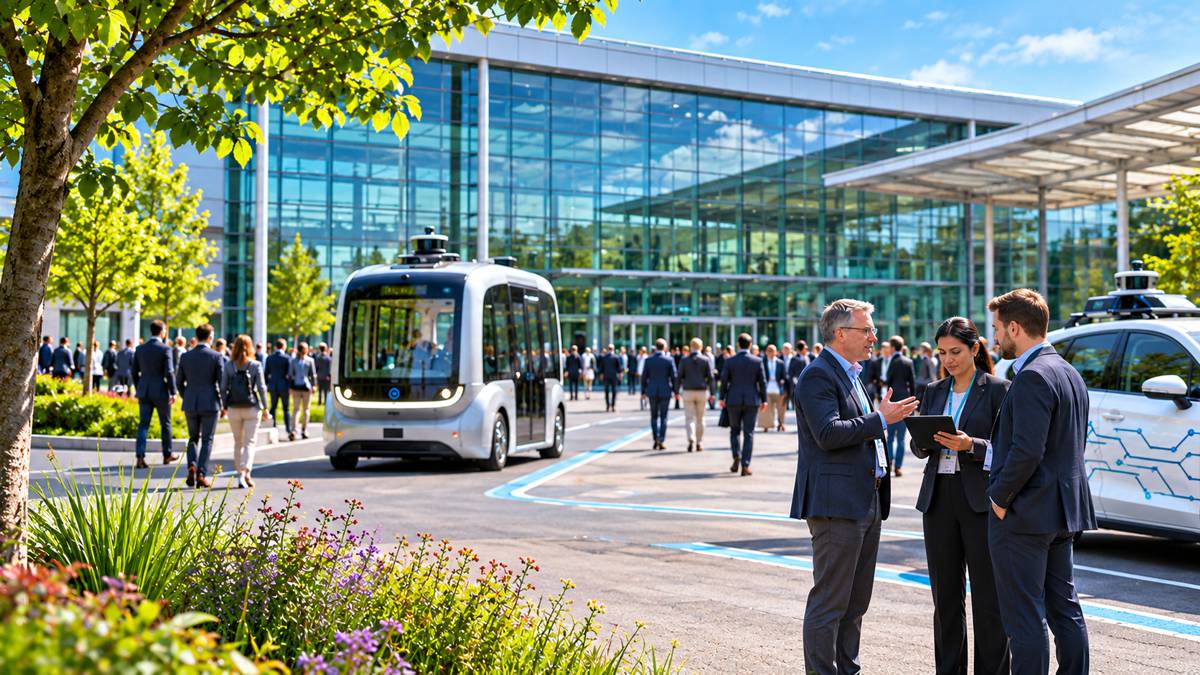
The 19th Europe–China Business & Technology Cooperation Fair brought European and Chinese businesses together in Chengdu this week, with green technology, intelligent robotics and advanced industrial innovation occupying prominent positions in a programme designed to encourage new commercial partnerships.
Held from 21 to 23 October 2026 at the Centre for China-Europe Cooperation in Sichuan province, the event combined government-level discussions with sector-specific exchanges, industrial park visits and direct business matchmaking.
For European technology suppliers and Chinese manufacturers, the gathering provided an opportunity to explore cooperation across several increasingly interconnected industries. New energy, environmental protection and robotics were among the priority sectors, alongside frontier technologies, vocational education and specialist commercial services.
The fair also provided a platform for discussing the wider economic relationship between China and Europe at a time when opportunities for industrial cooperation coexist with increasingly complex trade and regulatory considerations.
Briefing
- The 19th Europe–China Business & Technology Cooperation Fair took place in Chengdu from 21 to 23 October 2026.
- The event was co-hosted by the China Chamber of International Commerce and the European Union Chamber of Commerce in China.
- Its programme included 11 thematic exchanges and two dedicated B2B matchmaking sessions.
- Green technology, intelligent robotics, new energy and frontier technologies featured among the priority sectors.
- Organisers report participation by more than 14,000 Chinese and European enterprises and over 3,000 agreements expressing an intention to cooperate since the fair established its presence in Chengdu in 2006.
Green Technology and Industrial Innovation
The fair’s programme brought together several technologies with direct applications across manufacturing, construction equipment and infrastructure development.
New energy and environmental protection featured alongside intelligent robotics and emerging technologies, areas in which European engineering expertise and Chinese industrial manufacturing capabilities offer potential opportunities for cooperation.
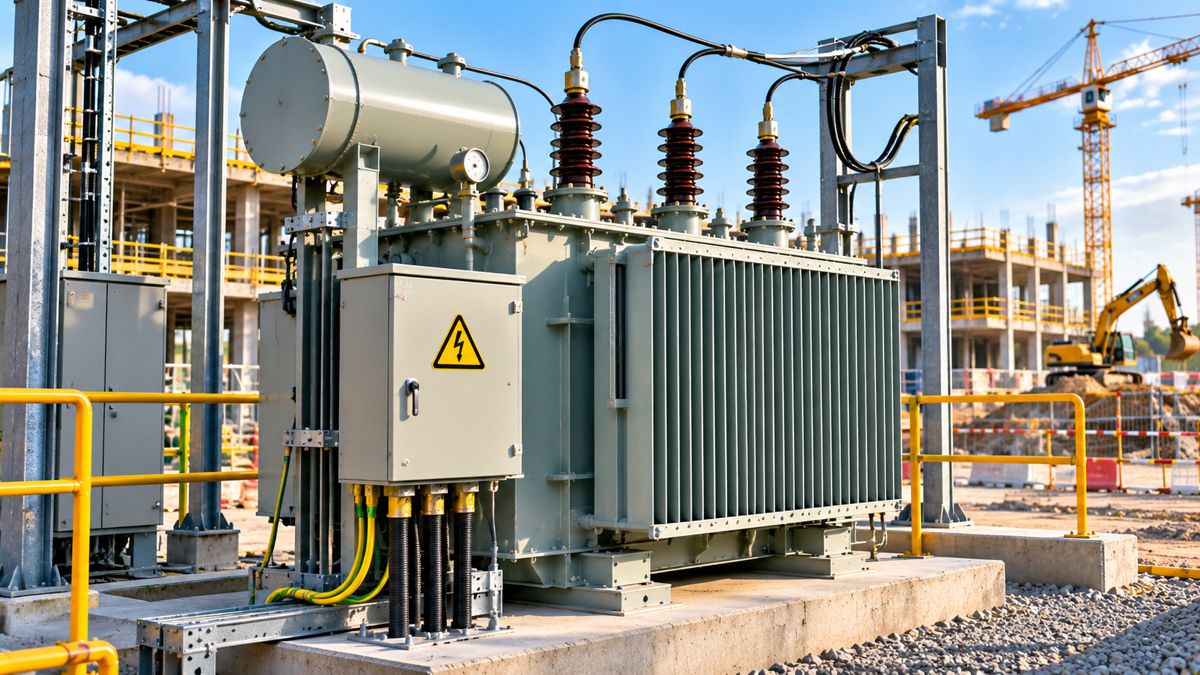
Electrification, industrial automation and advanced control systems increasingly share common technologies, from power electronics and sensors to specialised manufacturing processes. Their applications extend from factory production lines to construction machinery, energy infrastructure and automated industrial equipment.
Cross-border partnerships in these fields can take different forms, including component supply, joint product development, systems integration and local distribution. The appropriate structure depends on the technology involved, the commercial objectives of the companies and the regulatory requirements of their respective markets.
The inclusion of vocational education added another dimension to the programme. As industrial equipment becomes more sophisticated, technical training and workforce development become increasingly relevant to manufacturers, equipment suppliers and operators. Maintenance, commissioning and specialist engineering skills can determine how effectively new technologies are introduced into established industrial operations.
Although the event covered a much broader range of industries, including biomedicine and agricultural food, its emphasis on green and digital technologies offered particular relevance to companies operating in infrastructure, machinery and industrial automation.
China–Europe Trade and Industrial Cooperation
The opening ceremony on 22 October brought together representatives of Chinese trade organisations, Chengdu’s municipal government and European business institutions.
Liu Jiannan, vice chairman of the China Council for the Promotion of International Trade and the China Chamber of International Commerce, addressed the gathering alongside Chen Zhiyong, vice mayor of Chengdu, and Adam Dunnett, secretary-general of the European Union Chamber of Commerce in China.
Cándido Creis Estrada, Spain’s consul-general in Chengdu, also delivered remarks, while Cai Run, China’s ambassador to the European Union, contributed by video address. The ceremony was chaired by Dang Hong, deputy secretary of the Party Committee of the China Chamber of International Commerce.
The subsequent plenary discussions examined cooperation prospects under a China–Europe economic and trade consultation mechanism and the opportunities emerging from green and digital innovation.
The discussions took place against a complicated trade backdrop. European and Chinese businesses retain substantial commercial interests in each other’s markets, particularly in manufacturing, industrial equipment and technology. At the same time, disagreements over industrial subsidies, market access and regulatory requirements have introduced additional considerations for companies planning cross-border investments and supply arrangements.
Electric vehicles provide one example of the tension between industrial cooperation and trade competition. European and Chinese manufacturers operate within closely connected automotive supply chains, even as trade measures and disagreements over competitive conditions influence their commercial decisions.
Against that background, direct engagement between businesses remains a practical route for identifying opportunities that can be developed within the prevailing regulatory environment.
The fair’s inclusion of commercial law services also recognised the contractual and regulatory requirements accompanying international partnerships, particularly where intellectual property, technology licensing or cross-border investment arrangements are involved.
Chengdu’s Industrial Development
Chengdu’s position as host gave the gathering a regional industrial focus, with the Chengdu Hi-tech Industrial Development Zone presenting its development priorities and business environment during the plenary programme.
As a major economic centre in western China, Chengdu provides access to an industrial economy encompassing electronics, automotive manufacturing, aerospace and advanced technology activities. These sectors create potential connections with European suppliers of specialised equipment, engineering services, manufacturing technologies and industrial components.
The city’s industrial development programme formed part of the fair’s broader effort to connect international businesses with potential partners and investment locations.
Industrial park visits complemented the formal conference sessions, allowing participants to examine local operating environments and explore opportunities beyond the meeting rooms.
For European companies considering western China, the regional manufacturing base may offer opportunities to supply established industries or develop relationships with local producers. Chinese manufacturers seeking international expansion can similarly use such exchanges to explore European distribution, technical cooperation and market requirements.
The fair did not announce specific investment commitments in the supplied opening report, but its combination of industrial presentations and business matchmaking created opportunities for companies to pursue more detailed commercial discussions.
Two Decades of Europe–China Business Cooperation
The Europe–China Business & Technology Cooperation Fair was launched in 2002 at the initiative of the European Commission and established its continuing presence in Chengdu in 2006.
According to the organisers, more than 14,000 Chinese and European enterprises have participated since the event moved to the city, with over 3,000 agreements expressing an intention to cooperate signed during that period.
These figures describe the scale of the fair’s historical activity rather than the value of completed transactions. Preliminary cooperation agreements do not necessarily result in binding contracts, investment commitments or operational projects.
The 2026 programme followed a structure described as “1+11+2”, comprising an opening ceremony and plenary session, 11 thematic exchanges with associated visits and activities, and two dedicated B2B matchmaking sessions.
Under the theme “Dialogue and Cooperation for Shared Benefits and Prosperity”, the event combined discussions on economic relations with opportunities for businesses to identify potential partners in specific industries.
Its continuing presence in Chengdu has also provided a recurring point of contact between European companies and western China’s industrial economy.
The combination of European industrial expertise, Chinese manufacturing capacity and growing demand for advanced technologies offers considerable scope for commercial engagement. Turning those opportunities into working partnerships will depend on the companies involved, the technical compatibility of their products and the commercial arrangements they can establish.
For an event that has spent two decades bringing businesses together, the next measure of progress will be the industrial relationships that develop beyond the conference itself.
Key Industry Questions
- When and where was the 2026 Europe–China Business & Technology Cooperation Fair held? The 19th edition took place from 21 to 23 October 2026 at the Centre for China-Europe Cooperation in Chengdu, Sichuan province, China.
- Who organised the event? The fair was co-hosted by the China Chamber of International Commerce and the European Union Chamber of Commerce in China.
- Which industrial sectors were represented? Priority areas included new energy, environmental protection, intelligent robotics, frontier technologies, biomedicine, agricultural food, vocational education and commercial law services.
- Why is the event relevant to construction and infrastructure businesses? Its technology-focused sessions covered fields with applications in construction equipment, industrial automation, energy infrastructure and environmental engineering.
- What opportunities were available for business matchmaking? The programme included two dedicated B2B matchmaking sessions, 11 thematic exchanges and industrial park visits.
- What is the Chengdu Hi-tech Industrial Development Zone? It is an industrial development area in Chengdu associated with advanced technology and manufacturing activities. Its development priorities and business environment were presented during the fair.
- How many businesses have participated in the fair historically? Organisers report participation by more than 14,000 Chinese and European enterprises since the event established its presence in Chengdu in 2006.
- Were major new investment agreements announced? The supplied opening announcement did not identify specific completed investments or binding industrial contracts from the 2026 event.
Strategic Takeaways
- Green technology, intelligent robotics and industrial automation offer potential areas of cooperation between European technology suppliers and Chinese manufacturers.
- Chengdu’s manufacturing economy provides a regional context for companies considering industrial partnerships in western China.
- Cross-border technology cooperation must accommodate differing regulatory requirements, intellectual property arrangements and commercial expectations.
- Dedicated matchmaking sessions can establish initial business relationships, but completed investments and industrial projects require separate confirmation.
- The fair’s long history demonstrates sustained institutional support for Europe–China business engagement despite a complicated wider trade relationship.