






Uzbekistan Launches $371 Million Electricity Grid Modernisation Programme
Uzbekistan is preparing to modernise 60 priority electricity substations under a $371 million investment programme financed by the Asian Development Bank (ADB), the World Bank and the Uzbek government. The work will address ageing electrical equipment, overloaded transformers and network losses while increasing the capacity available to accommodate new renewable energy generation.
The programme covers substations operating at 35 kV to 110 kV, with rehabilitation works accompanied by digital control systems, automated power accounting and improved network monitoring. The investment comes as Uzbekistan expands electricity generation and faces growing demand from households, industry and commercial development.
ADB approved a $200 million loan on 30 September 2026, with President Masato Kanda and Uzbekistan’s Deputy Prime Minister and Minister of Economy and Finance, Jamshid Kuchkarov, signing the agreement on 15 October. The World Bank approved a further $100 million on 27 October, while Uzbekistan will contribute $71 million from its national budget.
The Modernization of Electricity Distribution Systems Program is also introducing a different approach to infrastructure finance. It is ADB’s first energy operation under the ADB–World Bank Full Mutual Reliance Framework and the institution’s first results-based lending programme in Uzbekistan’s energy sector, with financing linked to agreed performance indicators and verified results.
Briefing
- $371 million in total financing, including $200 million from ADB, $100 million from the World Bank and $71 million from Uzbekistan.
- 60 substations operating at 35 kV to 110 kV will undergo rehabilitation, capacity improvements and digitalisation.
- 3.3 GW of renewable energy capacity is expected to be indirectly enabled through improved network infrastructure.
- 20,000 MWh in annual electricity losses are targeted for reduction at renovated substations by 2031.
- Results-based lending will govern delivery, with procurement conducted through assessed national systems and procedures.
Modernising the Substation Network
Uzbekistan’s electricity infrastructure has come under increasing pressure as economic activity, urban development and electricity consumption have expanded. Much of the network and many substations have been operating for more than three decades, contributing to equipment failures, transformer overloading and difficulties maintaining reliable supplies.
ADB estimates distribution losses at approximately 14%, with ageing equipment and limited automation among the factors affecting network performance. The absence of comprehensive digital monitoring, automated fault isolation and modern control systems has also complicated network management, particularly where operators must respond to changing electricity demand and generation patterns.
The investment programme will rehabilitate priority 35 kV to 110 kV substations, increase power transformation capacity and introduce automated process controls, digital metering and improved electricity accounting. According to ADB’s September 2026 programme appraisal, substations have been prioritised according to their condition, importance to network reliability and potential contribution to energy efficiency.
The engineering work will involve replacing or upgrading electrical equipment and adapting existing facilities to accommodate improved transformation and control systems. Individual sites will require different interventions, depending on their operating condition, installed equipment and role within the network.
Digital monitoring will give operators more detailed information about electricity flows and substation performance, while automated control and protection equipment can improve fault detection and the management of changing network conditions. These systems will need to operate alongside existing infrastructure, with commissioning and integration forming an important part of delivery.
ADB and the World Bank expect electricity losses at rehabilitated substations to fall by 20,000 MWh annually by 2031. The target applies to the facilities covered by the programme rather than the wider national network, where substantial investment in transmission and distribution infrastructure will continue to be required.
Renewable Energy and Network Capacity
Uzbekistan has set a target of developing 25 GW of renewable energy capacity by 2030, an ambition that places additional demands on the country’s electricity infrastructure. Solar and wind developments require sufficient network capacity to transfer electricity from generating locations to industrial centres, towns and other areas of demand.
The programme is expected to help enable at least 3.3 GW of renewable generation capacity through improvements to substations and associated network operations. This represents generation capacity that the upgraded infrastructure is expected to accommodate, rather than renewable energy installations being financed or constructed under the programme itself.
Transformer capacity, voltage regulation, network protection and the management of electricity flows determine how much additional generation can be accommodated within existing infrastructure. Where substations are already operating close to their design limits, new generating facilities may require network reinforcement before their output can be transferred reliably.
The planned upgrades will increase transformation capacity at selected sites and provide network operators with better information about operating conditions. More comprehensive monitoring and automated controls should also support the management of variable renewable generation, particularly during periods when output and demand change rapidly.
The World Bank estimates that the programme will avoid nearly 23,000 tonnes of carbon dioxide equivalent emissions annually by 2031. These projected reductions are associated with improved network efficiency and the increased use of renewable electricity, although their eventual scale will depend on the performance of the rehabilitated infrastructure.
Financing and Delivery Arrangements
The $371 million programme combines sovereign development financing with a national budget contribution, bringing geographically dispersed substation investments within a common financing and implementation framework.
ADB will act as lead lender under the Full Mutual Reliance Framework, an arrangement established with the World Bank in February 2025 to simplify the administration of jointly financed operations.
Under the framework, the lead institution undertakes programme preparation, appraisal, supervision and evaluation using an agreed operational approach. The participating lender can rely on this work rather than requiring the borrower to manage separate systems of assessment, monitoring and reporting for the same investment.
For Uzbekistan, the arrangement is being combined with results-based lending, which links disbursements to agreed programme indicators and verification procedures. The financing structure covers physical improvements to the substations alongside institutional measures intended to strengthen procurement, financial management, operational practices and programme oversight.
ADB’s published programme documentation includes disbursement-linked indicators, verification protocols, fiduciary assessments and implementation arrangements. These provide the basis for measuring progress and establishing whether the conditions attached to financing have been satisfied.
JSC National Electric Grid of Uzbekistan (NEGU) is the executing agency, supported by relevant government ministries and technical assistance arrangements. Its responsibilities extend to coordinating implementation, managing expenditure and strengthening the systems used to operate and maintain the upgraded infrastructure.
ADB has provided more than $3.4 billion in financing and guarantees for Uzbekistan’s energy sector since 2010, supporting generation, transmission and distribution investments. The latest programme continues that relationship while placing greater emphasis on demonstrated operating results and the utility’s internal management capabilities.
Legal and Regulatory Framework
The programme is being implemented within Uzbekistan’s revised electricity legislation, following the adoption of Law No. ZRU-939, On Electric Power Industry, on 7 August 2024. The legislation entered into force on 9 November 2024 and establishes the legal framework governing electricity generation, transmission, distribution, storage and market activities.
The Electric Power Industry Law defines the responsibilities of electricity market participants, establishes licensing and regulatory requirements and provides for the separation of operational functions within the sector. Its provisions form part of the government’s wider reorganisation of the electricity market and network operating arrangements.
Network ownership and operational responsibilities require particular attention in the modernisation programme. NEGU is the designated executing agency for the investment, while Uzbekistan’s electricity sector also includes separate regional distribution operators. The legal classification and operating responsibilities of individual network assets depend on the applicable legislation and institutional arrangements, making coordination between the relevant operators necessary where rehabilitated substations connect to downstream distribution networks.
The legislation provides the broader regulatory framework, but the financing and construction programme will also be governed by more specific contractual and administrative requirements.
ADB’s results-based lending arrangements incorporate programme and loan agreements, financial management requirements, verification procedures and agreed institutional responsibilities. Disbursements are linked to the achievement of specified results, subject to the conditions and processes established in the financing documentation.
Procurement presents a separate legal consideration. ADB states that the programme will use applicable Uzbek country systems and procedures, consistent with the assessed national procurement framework and the programme’s requirements. Contractors cannot therefore assume that every tender will follow the standard procedures associated with conventional ADB-financed investment projects.
Tender eligibility, competition requirements, evaluation procedures and contractual terms will need to be established from the individual procurement documents. International suppliers considering the programme will also need to account for applicable Uzbek legislation and any additional obligations incorporated into the relevant contracts.
Environmental and social safeguards form another part of the approved programme framework. ADB has published a Programme Safeguard Systems Assessment examining the systems used to manage environmental and social risks.
Substation rehabilitation can involve electrical safety, construction activity within operational facilities, the removal of existing equipment and the management of potentially hazardous materials. Site-specific requirements will depend on the condition of each facility, the proposed work and the applicable safeguard and regulatory obligations.
The combined legal framework places responsibilities on the borrower, NEGU and participating contractors throughout implementation, from procurement and financial administration to construction, verification and the operation of completed assets.
Procurement and Engineering Opportunities
The programme is expected to generate opportunities for electrical equipment manufacturers, civil engineering contractors, installation specialists and engineering consultancies. ADB identifies equipment supply, civil works and installation associated with the modernisation of 35 kV to 110 kV substations among the anticipated procurement requirements.
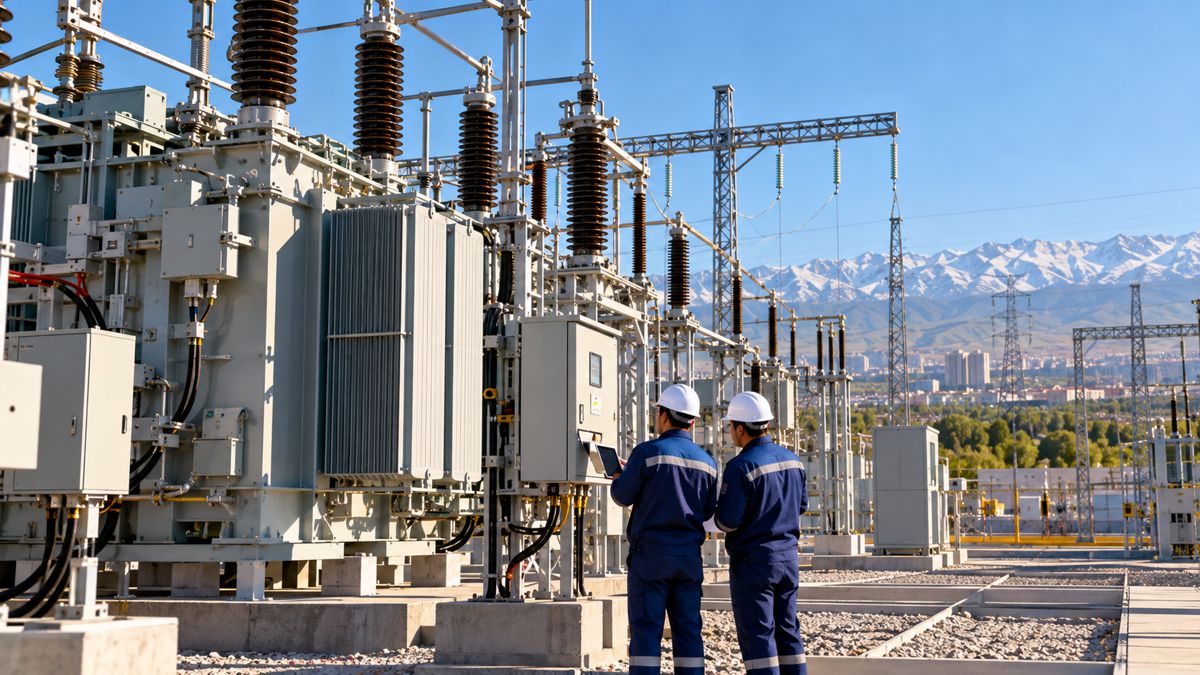
Detailed equipment packages will depend on the engineering assessments and specifications prepared for individual sites. Transformer replacement or augmentation, switchgear, protection and control equipment, digital monitoring systems and associated electrical connections are among the types of work that may be required, although these should not be treated as confirmed contract packages before the relevant tenders are published.
The civil engineering element could include equipment foundations, cable routes, access improvements and modifications to existing substation facilities. Working within operational electricity infrastructure will require careful planning, particularly where installation and commissioning activities must be coordinated with planned outages or temporary network arrangements.
The geographical spread of the 60 substations may also influence procurement and construction sequencing. Contractors will need to accommodate different site conditions, local supply requirements and the practicalities of delivering heavy electrical equipment to facilities that may remain in service throughout substantial portions of the work.
Digitalisation introduces another set of engineering requirements. New control equipment, metering systems and communications infrastructure must be compatible with existing network arrangements, with testing and commissioning establishing that the upgraded systems operate correctly before being transferred into routine service.
ADB also anticipates consulting services covering programme implementation, procurement, financial management, safeguards, monitoring and technical advisory work. These assignments will support NEGU during delivery and contribute to the institutional improvements required under the financing arrangements.
Economic Development and Operational Performance
Reliable electricity supplies remain an important constraint on industrial and commercial development in Uzbekistan, particularly where interruptions affect manufacturing, agricultural processing, pumping systems and other electricity-dependent operations.
The World Bank estimates that the programme could enable approximately 11,700 additional or improved jobs over the five years following the commissioning of modernised facilities. The figure represents a projected economic effect of improved electricity reliability rather than employment directly created by substation construction.
Programme performance will be assessed against several measurable targets, including reduced technical losses, fewer overloaded transformers, renewable generation capacity indirectly enabled and avoided greenhouse gas emissions. The institutional component will also support improvements in financial controls, technical skills, cybersecurity and workforce development.
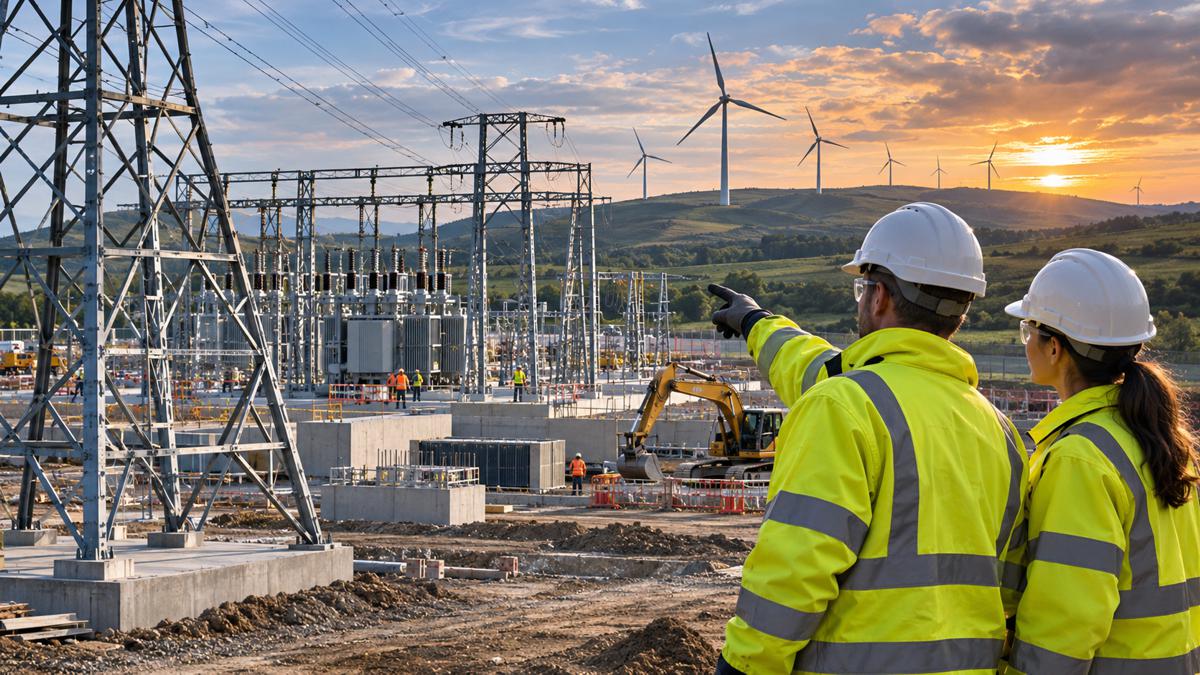
The engineering programme will be delivered across existing facilities rather than a single construction site, with each substation presenting its own equipment, access and operational requirements. Some will require relatively contained rehabilitation, while others may need more substantial intervention to increase transformation capacity or accommodate modern control systems.
With financing approved by both development banks, attention will turn to detailed implementation, procurement and the sequencing of work across the national network. Upgrading 60 substations while maintaining electricity supplies will require close coordination between engineers, contractors and network operators, particularly when equipment must be isolated, replaced, tested and returned to service.
The completed facilities will then be measured against the programme’s agreed performance indicators, with the first practical results emerging from the substations brought back into operation.
Key Industry Questions
- How much is Uzbekistan investing in electricity grid modernisation? The programme has a total financing envelope of $371 million, comprising $200 million from ADB, $100 million from the World Bank and $71 million from the Uzbek government.
- Which electricity substations will be upgraded? The programme covers 60 priority substations operating at 35 kV to 110 kV across Uzbekistan. Facilities have been selected according to their condition, importance to network reliability and energy efficiency requirements.
- What engineering work will the programme involve? Planned work includes substation rehabilitation, increased power transformation capacity, digital control systems, automated power accounting and improved metering. Specific equipment and civil works will depend on individual site requirements.
- How will the upgrades support renewable energy? Improved substations are expected to help the network accommodate at least 3.3 GW of renewable generation capacity by increasing transformation capacity and improving the management of electricity flows.
- What is results-based lending? Results-based lending links financing disbursements to agreed performance indicators and verified programme results. The approach places emphasis on achieving defined operational and institutional outcomes.
- Can international contractors tender for work? International participation will depend on the eligibility conditions and procurement procedures established for individual contracts. The programme uses assessed Uzbek national procurement systems rather than automatically applying conventional ADB project procurement arrangements.
- What legislation governs Uzbekistan’s electricity sector? Law No. ZRU-939, On Electric Power Industry, entered into force in November 2024. It establishes the regulatory framework for electricity market activities, network operations, licensing and institutional responsibilities.
- What is the ADB–World Bank Full Mutual Reliance Framework? The framework allows one development bank to lead the preparation, administration and supervision of jointly financed operations using an agreed approach, reducing duplicated procedures for borrowers and participating lenders.
- How will the success of the programme be measured? Indicators include reduced electricity losses, lower transformer overloading, renewable capacity supported by the upgraded network and avoided greenhouse gas emissions. The annual loss reduction target is 20,000 MWh at renovated substations by 2031.
Strategic Takeaways
- Substation capacity is becoming a constraint on renewable energy expansion. Uzbekistan’s generation targets depend on reinforcing existing electrical infrastructure as well as constructing additional power plants.
- The investment combines conventional engineering with digital modernisation. Electrical equipment upgrades, control systems and network monitoring will need to operate together across existing facilities.
- Results-based financing introduces measurable delivery obligations. Operational performance and institutional improvements form part of the programme’s agreed financing requirements.
- National procurement arrangements will shape contractor participation. Equipment manufacturers, consultants and construction firms will need to examine the applicable Uzbek procedures and individual tender conditions.
- Maintaining electricity supplies will influence construction sequencing. Rehabilitation across 60 operational substations will require coordinated outages, equipment installation, commissioning and network management.