The Hidden Costs of Producing Specialized Components for Heavy Equipment
A single replacement component can determine whether an expensive piece of heavy equipment remains productive or sits idle for weeks.
For construction companies, infrastructure contractors, and equipment operators, the purchase price is only part of the financial picture. Manufacturing delays, specialized tooling, transportation, and installation requirements can turn an otherwise manageable repair into a significant operational expense.
The problem becomes more complicated when equipment uses older designs, uncommon materials, or components that manufacturers no longer produce regularly.
These parts may be relatively small, but manufacturing them can require substantial resources. Understanding where those expenses originate helps businesses evaluate production methods, maintenance strategies, and equipment investments more effectively.
Inventory and supplier dependence create costs that are easy to miss
Keeping every possible replacement component in stock is rarely practical.
Specialized parts can be expensive to purchase, require dedicated storage, and remain unused for years. Yet carrying too little inventory creates another risk: critical components becoming unavailable.
The NIST Manufacturing Extension Partnership’s supply chain guidance discusses how mapping suppliers and identifying vulnerabilities can help manufacturers determine where inventory buffers and alternative sourcing arrangements may be necessary.
Construction businesses can apply similar thinking to equipment maintenance.
Identifying critical components, documenting supplier lead times, and maintaining accurate technical records can make replacement decisions less reactive.
The objective isn’t to eliminate inventory or stockpile every part. It’s to understand which shortages would cause the greatest disruption and prepare accordingly.
Low-volume production makes specialized components expensive
Traditional manufacturing becomes more economical when a company produces the same component repeatedly.
Casting, forging, and machining can deliver consistent results, particularly when manufacturers spread tooling and setup expenses across large production volumes. However, specialized heavy equipment parts often don’t benefit from that scale.
A contractor may need only a handful of replacement brackets, housings, or mechanical components for a particular machine. Producing those parts conventionally may require custom fixtures, dedicated tooling, or extra engineering work.
The challenge is that these costs remain regardless of how many components you order.
When you need only a few parts, setup costs can make up a substantial share of the final price. Increasing the order quantity may reduce the unit cost, but it can also leave businesses holding inventory they may never use.
The decision isn’t simply about finding the cheapest manufacturing method. It’s about matching production economics to actual demand.
Alternative manufacturing methods can reduce tooling dependence
Manufacturers have traditionally relied on machining, casting, and forging to produce durable metal components. These processes remain essential, but they become less practical when parts require unusual geometries or low production volumes.
Metal additive manufacturing offers another possibility for selected applications.
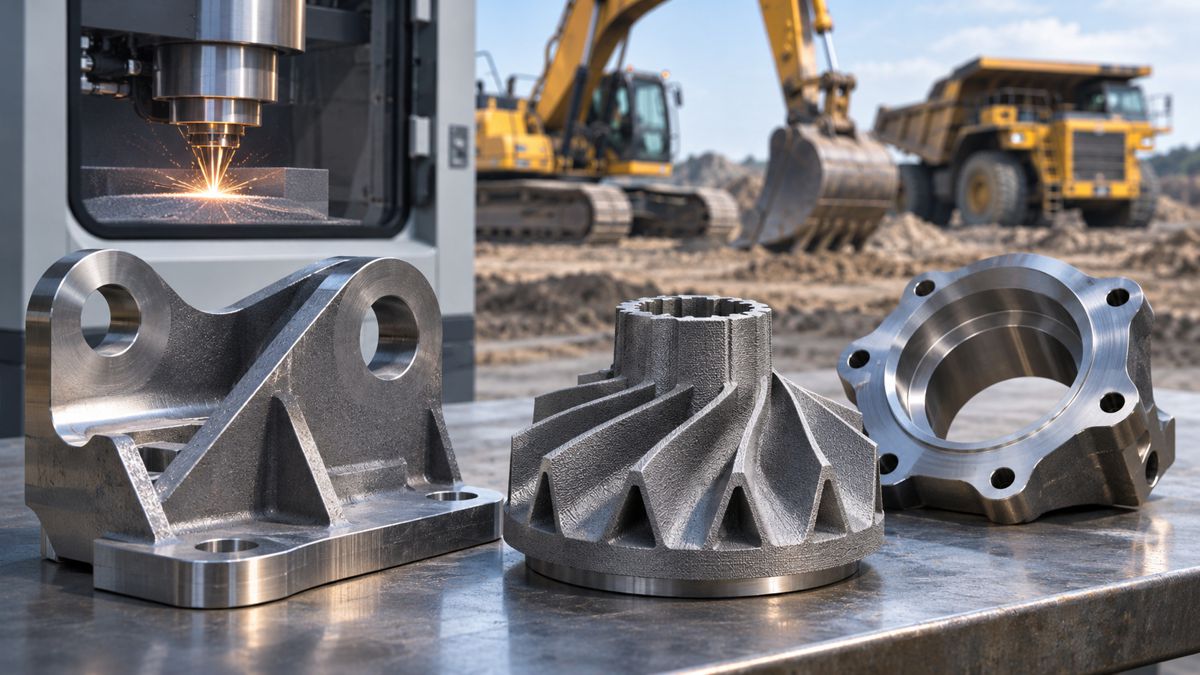
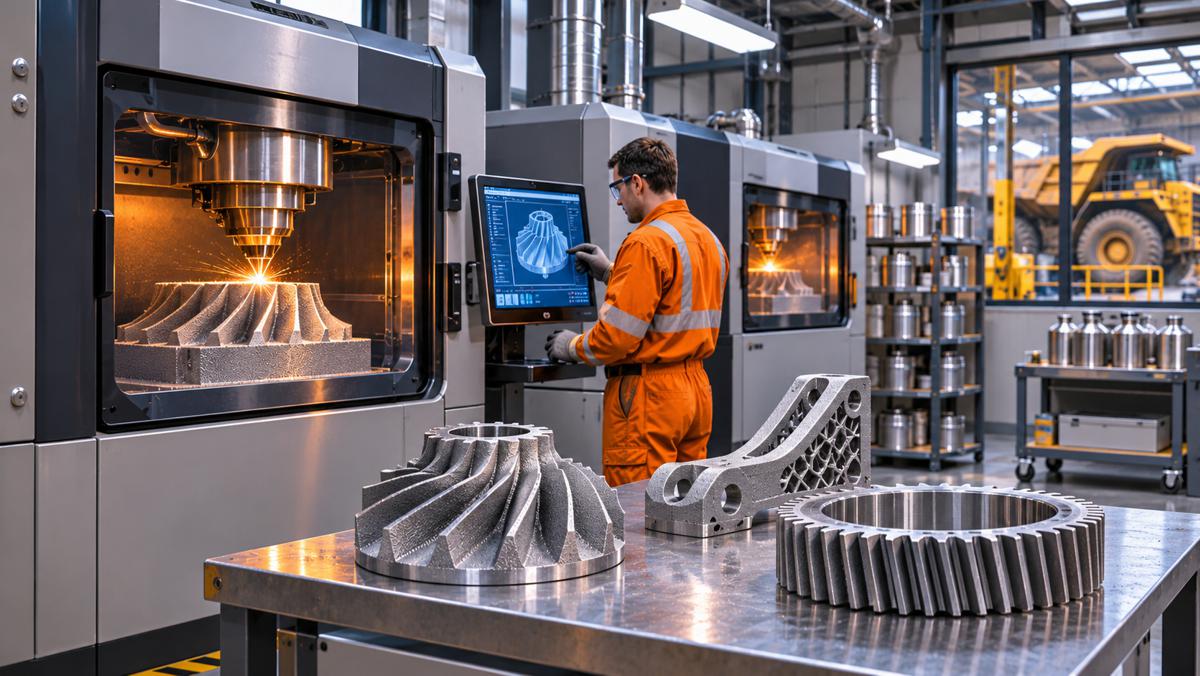
By producing components from digital designs, certain additive processes can reduce the need for dedicated tooling. This can be useful when manufacturing complex parts, replacing discontinued components, or producing limited quantities.
Industrial metal solutions based on additive manufacturing provide options for producing complex metal components, although their suitability depends on material properties, dimensions, operating loads, and production requirements.
The potential advantage isn’t that every component becomes cheaper or faster to manufacture. Some parts remain better suited to conventional processes, particularly when production volumes are high or geometries are straightforward.
The value comes from having additional manufacturing options when traditional methods introduce unnecessary expense or delay.
Equipment downtime can outweigh the cost of replacement parts
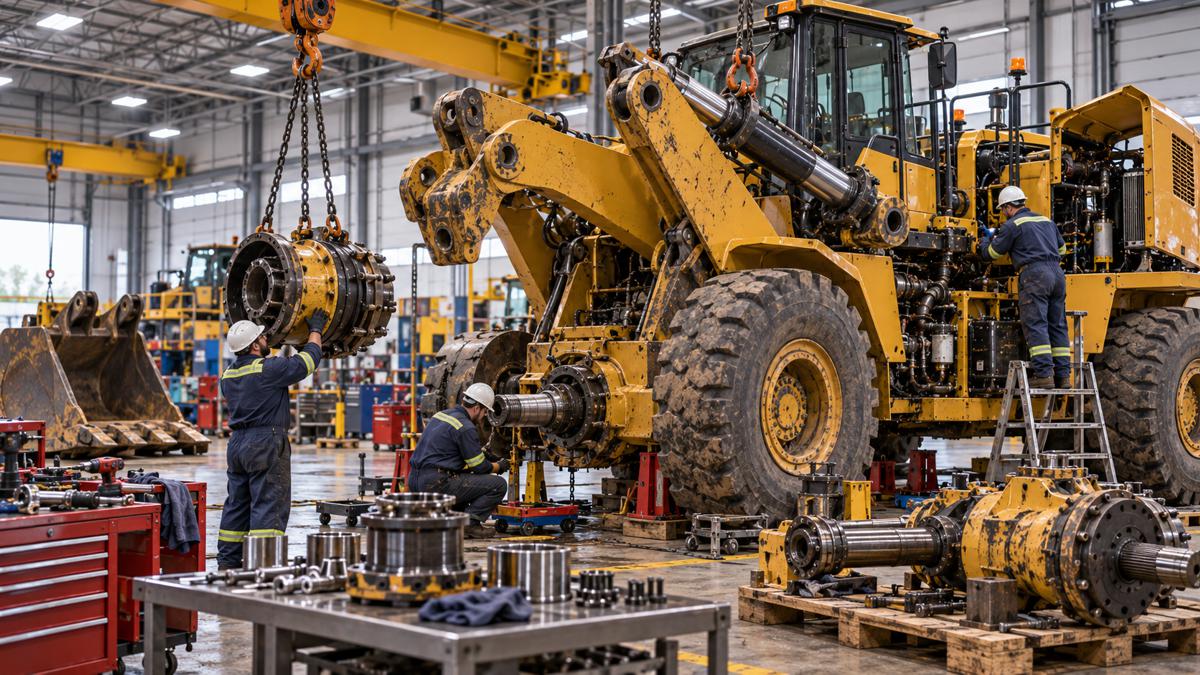
A replacement component might cost several hundred dollars, while the equipment waiting for it represents a much larger financial commitment.
When a machine becomes unavailable, project managers may need to rearrange schedules, rent alternative equipment, or postpone work that depends on its capabilities.
Those disruptions can create expenses that never appear on the original parts invoice.
The impact depends on how critical the equipment is to the project. A spare machine may absorb the workload, while a specialized excavator, crane, or paving machine may have no immediate substitute.
This is why replacement-part decisions should consider lead times alongside manufacturing costs.
Ordering the least expensive component may not be the most economical choice if it significantly delays work. Maintenance teams benefit from identifying critical parts early and understanding which components have limited availability.
The real cost of metal 3D printing extends beyond the machine
Metal additive manufacturing can eliminate certain tooling requirements, but it introduces its own cost considerations.
Metal powders, machine utilization, energy consumption, finishing operations, and quality inspection all affect a component’s final cost. Depending on the application, additional machining or heat treatment may also be necessary.
These expenses matter most when manufacturers decide whether to produce parts in-house or outsource them to specialized facilities.
Understanding metal 3d printing cost requires examining the complete production process rather than focusing exclusively on machine operating expenses. Comparing material consumption, labor, post-processing, and equipment utilization can reveal whether additive manufacturing makes financial sense for a particular component.
For heavy equipment applications, the calculation should also consider how quickly a usable replacement can be delivered and whether the production method meets the component’s performance requirements.
A lower manufacturing cost offers little advantage if additional finishing or inspection delays the repair.
Quality requirements can make replacement parts more expensive
Specialized components must do more than match an existing part’s dimensions.
Heavy equipment operates under demanding conditions involving vibration, repeated loading, abrasion, and exposure to harsh environments. Replacement components may therefore require specific mechanical properties, surface finishes, and dimensional tolerances.
These requirements can introduce testing and inspection expenses that are easy to overlook during initial production planning.
The National Institute of Standards and Technology’s research on additive manufacturing part qualification explains how internal defects, complex geometries, and material properties create additional measurement and validation challenges for manufactured components.
For equipment operators, this highlights an important distinction between producing a component and confirming that it is suitable for service.
A replacement part that appears correct but cannot withstand operating conditions may create greater costs through equipment damage, repeated repairs, or safety risks.
Better manufacturing decisions begin with the total operational cost
The price of a specialized component tells only part of its story.
Tooling, engineering, material selection, quality inspection, transportation, and equipment downtime all influence what a replacement ultimately costs.
Traditional manufacturing remains appropriate for many heavy equipment applications, particularly when established designs and higher production volumes justify dedicated processes. Additive manufacturing may be a better option when components are complex, produced infrequently, or hard to source.
Neither approach guarantees lower expenses.
The most useful comparison considers the complete cost of obtaining a qualified, installation-ready component and returning equipment to service.
For construction and infrastructure businesses, the financial advantage often comes from recognizing these hidden expenses before an urgent repair turns them into unavoidable costs.