Africa PPP 2026 Brings Kenya’s Infrastructure Investment Pipeline to Nairobi
Kenya will present proposed port concessions, electricity transmission schemes and other infrastructure investments to international financiers when the 16th Africa PPP Infrastructure Finance, Investment & Partnerships Summit takes place in Nairobi from 11 to 13 November 2026.
Hosted by Kenya’s Public Private Partnerships Directorate and organised by AME Trade Limited, the summit will bring together government project owners, development finance institutions, private investors and infrastructure operators. A dedicated Deal Room will provide opportunities to examine selected projects, their financing requirements and the arrangements needed to advance them towards procurement.
Kenya has been developing its public-private partnership programme across transport, energy, water, healthcare and digital infrastructure. Its PPP Directorate publishes regular pipeline reports, including a September 2026 status update released in October, allowing prospective investors to follow projects through different stages of preparation.
Briefing
- Africa PPP 2026 takes place at the JW Marriott Hotel Nairobi from 11 to 13 November.
- Kenya will present selected infrastructure opportunities through a dedicated investor Deal Room.
- Proposed investments cover ports, electricity transmission, digital infrastructure, water supply and healthcare.
- Africa50, IFC, British International Investment and other financing institutions feature in the programme.
- A project preparation masterclass on 11 November precedes the main conference on 12 and 13 November.
Kenya’s Infrastructure Pipeline
Kenya’s Public Private Partnerships Directorate supports public authorities through project selection, appraisal, structuring, procurement and contract management under the Public Private Partnerships Act 2021. The country’s programme includes infrastructure with very different commercial characteristics, ranging from transport facilities dependent on freight volumes and concession arrangements to electricity networks requiring dependable long-term payments.
The Directorate’s published pipeline status reports provide a record of how proposals progress through the development process. Projects may require feasibility studies, government approvals, environmental assessments and detailed commercial structuring before procurement can proceed, with the preparation requirements varying considerably between sectors.
The summit’s Africa PPP Deal Room will bring selected Kenyan projects before potential financiers, technical advisers and private partners through curated discussions. Organisers intend to examine project readiness, proposed revenue models, procurement pathways and outstanding financing requirements, while gathering feedback that can inform further preparation.
Among the projects identified for discussion are proposed developments involving Kenya Ports Authority assets, electricity transmission infrastructure, Konza’s digital facilities, bulk water supply and a healthcare facility in Meru.
Ports and Maritime Infrastructure
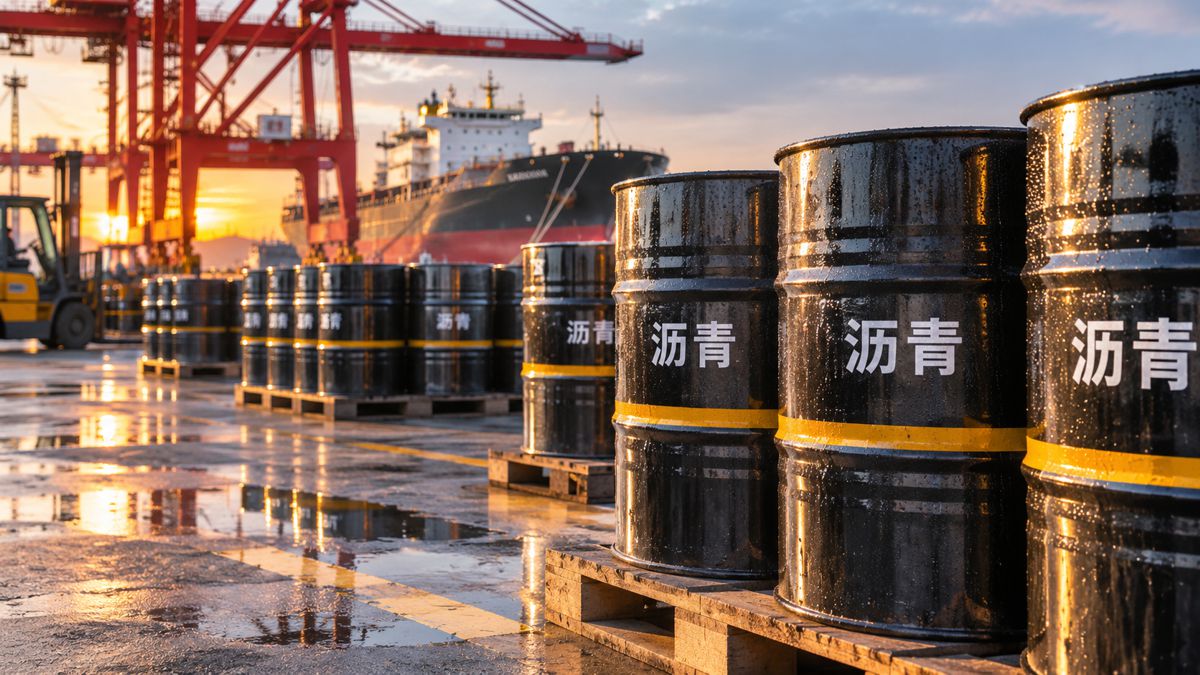
Port development will occupy a prominent place in the programme, with proposed development and concessioning arrangements involving Kenya Ports Authority assets in Lamu and Mombasa among the opportunities selected for the Deal Room.
Mombasa is an established maritime gateway serving Kenya and neighbouring economies, while Lamu has been developed as part of a wider effort to expand port capacity and strengthen regional transport connections. The two locations present different commercial considerations, particularly in relation to existing traffic, future demand and the supporting infrastructure needed to move cargo inland.
For prospective concessionaires, the division of responsibility for capital investment, operations, maintenance and revenue collection will form part of any eventual commercial assessment. At newer facilities, the timing of associated road, rail and logistics developments can also influence traffic forecasts and investment assumptions.
Zanzibar Ports Corporation Director General Akif Ali Khamis will contribute to discussions on ports, economic zones and industrial parks, drawing on the Marhubi/Mpiga Duri Passenger and Ro-Ro Terminal and Mangapwani Multipurpose Port.
These projects will provide a regional comparison for Kenya’s proposed port investments, with the session examining financing arrangements, public and private responsibilities and connections to wider trading networks.
Electricity Transmission and Grid Investment
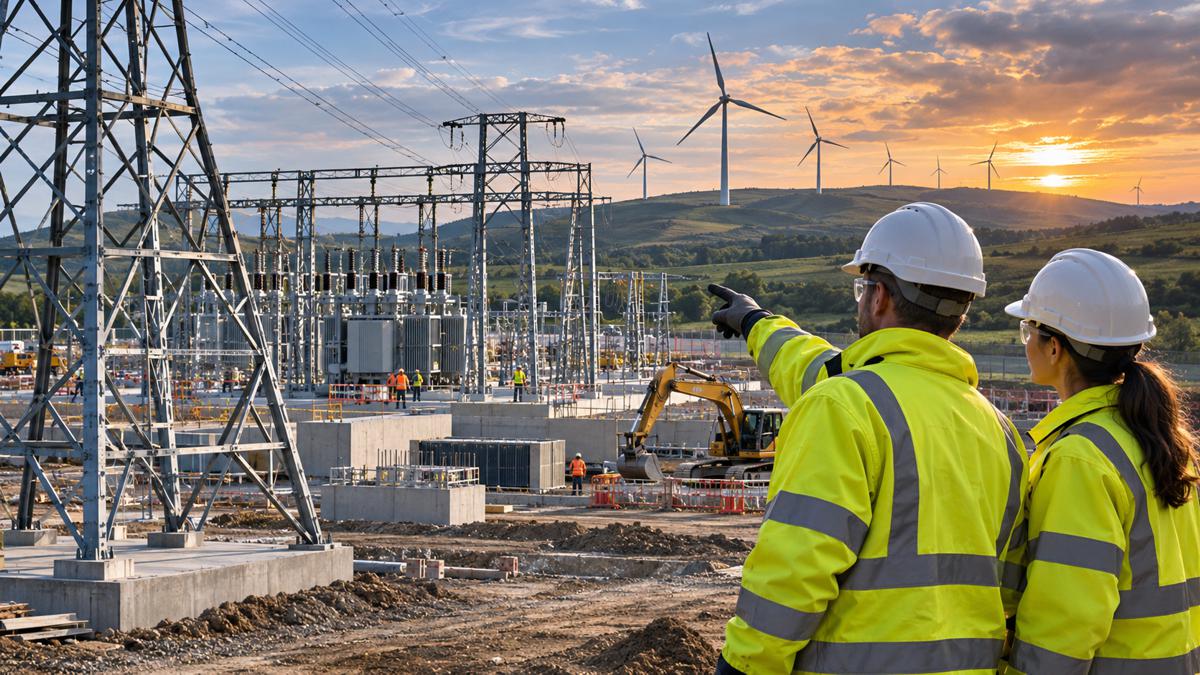
Electricity transmission forms another part of Kenya’s PPP programme, with selected transmission line projects included in the Nairobi Deal Room.
The country’s 2026 Investment Projects Catalogue identifies a package of priority transmission developments proposed under a solicited PPP framework. These include the 80 km Kwale–Shimoni 220 kV connection, the 7 km Kipevu–Mbaraki 132 kV line, the 145 km Kiambere–Maua–Isiolo 220 kV line and the 34 km Meru–Maua 132 kV connection.
The catalogue places the indicative investment requirement for the package at approximately US$550 million, with the projects recorded as being at feasibility study stage when the document was prepared. The figure represents a preliminary investment estimate rather than committed financing, and the catalogue does not establish that all four schemes form part of the summit’s selected Deal Room portfolio.
The proposed connections would strengthen network capacity and improve the movement of electricity between generation sources and demand centres. Their development would involve the construction of high-voltage transmission infrastructure, together with the associated technical, environmental and land access requirements.
Financing transmission infrastructure presents a different proposition from developing facilities that collect revenue directly from users. Private investment may be supported by long-term contractual payments for network availability or transmission services, making the structure of those obligations and the financial position of the responsible counterparties central to a project’s commercial viability.
Eng. Kipkemoi Kibias, General Manager for Systems Operations and Power Management at Kenya Electricity Transmission Company (KETRACO), will participate in the summit’s energy discussions. He will be joined by contributors including Eng. Tarik Hamane, Group CEO of Morocco’s National Office for Electricity and Drinking Water (ONEE), with sessions covering transmission investment, regional power trade and reliable electricity supply for industry.
Digital Infrastructure, Water and Healthcare
Kenya’s selected Deal Room projects also include expansion of Konza’s data cloud infrastructure and associated smart city facilities, the Njoro Kubwa Bulk Water Supply project and a proposed cancer centre at Meru Level 5 Referral Hospital.
The Konza proposals sit within Kenya’s continuing development of digital infrastructure, where investment requirements extend beyond buildings and equipment to include dependable power supplies, connectivity, operating capacity and long-term service demand.
Water supply projects present a different set of requirements. The Njoro Kubwa scheme will need to be assessed against its intended supply arrangements, infrastructure costs and the revenue or public payments available to support construction and operations.
Healthcare development introduces further considerations involving specialist facilities, medical equipment, maintenance and the division of responsibilities between public authorities and private operators. The eventual contractual structure will determine which elements of a facility are financed, constructed or managed by private participants.
These proposals are being presented for investor engagement rather than as completed financing transactions. Their individual procurement status, preparation requirements and commercial arrangements will need to be established as they advance through Kenya’s PPP framework.
Development Finance and Project Preparation
Financing discussions at Africa PPP 2026 will bring together representatives from Africa50, the International Finance Corporation, British International Investment, the Multilateral Investment Guarantee Agency and African Trade & Investment Development Insurance.
The programme will examine domestic capital mobilisation alongside international investment, including the use of preparation support, guarantees and insurance to address risks that can prevent otherwise viable infrastructure proposals from attracting finance.
Different institutions may become involved at different stages. Project preparation facilities can support technical studies and transaction advice, while lenders and equity investors generally require sufficiently developed commercial arrangements before committing funds. Guarantees and political risk insurance may address particular exposures, although neither removes the need for workable project economics and contractual obligations.
The summit will also consider the capacity of public institutions to prepare and manage PPP projects. Representatives of Bungoma and Kakamega county governments will join the World Bank Group’s Public-Private Infrastructure Advisory Facility and FSD Africa for discussions on local infrastructure delivery.
County authorities can face demanding preparation requirements, particularly where specialist commercial, engineering and legal resources are limited. Feasibility work, procurement management and the evaluation of long-term payment obligations may require expertise that smaller public institutions cannot readily maintain in-house.
A full-day masterclass on 11 November will address project identification, appraisal, structuring, procurement and implementation. Facilitators from PPP Training Online, Oterrandi, the African Legal Support Facility and Weircapacity will use practical examples to examine the preparation and management of infrastructure partnerships.
Regional Infrastructure Cooperation
The Nairobi programme will extend beyond Kenya’s domestic project pipeline, with ministerial discussions addressing the infrastructure requirements of regional integration and industrial development.
Côte d’Ivoire’s Minister of Infrastructure and Road Maintenance, Yacouba Hien Sié, and Tanzania’s Minister of Works, Masanja Kungu Kadogosa, are scheduled to participate in a ministerial roundtable. Robert Lisinge of the United Nations Economic Commission for Africa is expected to deliver the continental keynote on behalf of UNECA Executive Secretary Claver Gatete.
Cross-border transport corridors, electricity connections and maritime gateways require cooperation between authorities with different investment priorities, regulations and infrastructure development schedules. The construction of individual assets may depend on complementary projects elsewhere in a network, particularly where freight movements or electricity transfers cross national boundaries.
The conference will provide opportunities to examine these regional relationships alongside the financing and delivery arrangements being developed for individual projects.
Nairobi Investment Discussions
The main Africa PPP conference takes place on 12 and 13 November at the JW Marriott Hotel Nairobi, following the project preparation masterclass on 11 November. An invitation-only Kenya Infrastructure Investment Spotlight breakfast will provide a further opportunity to discuss priority investments, while technical visits are planned for 14 November.
Sponsors and participating organisations include the African Legal Support Facility, Oterrandi, MIIG, Zutari, Dentons Hamilton Harrison & Mathews and Arup. The International Project Finance Association is supporting the summit as an association partner.
Registration is open to government officials, project owners, investors, financiers, developers, infrastructure operators and advisers, with conference-only and masterclass-inclusive packages available.
The projects being presented in Nairobi range from established port infrastructure and proposed transmission connections to digital facilities, water supply and healthcare development. Their financing requirements and commercial prospects differ considerably, but each will depend on preparation by the responsible public authorities and workable arrangements with prospective private partners. The summit offers an opportunity to examine those proposals before the more demanding stages of procurement, contract negotiation and financial close.

Key Industry Questions
- What is Africa PPP 2026? Africa PPP 2026 is the 16th Infrastructure Finance, Investment & Partnerships Summit, bringing together public authorities, infrastructure developers, financiers and advisers involved in public-private partnerships across Africa.
- When and where will Africa PPP 2026 take place? The summit takes place from 11 to 13 November 2026 at the JW Marriott Hotel Nairobi, Kenya. Technical visits are planned for 14 November.
- What is the Africa PPP Deal Room? The Deal Room is a curated forum where project owners can discuss selected infrastructure proposals with investors, financiers and technical advisers. Discussions cover project readiness, financing requirements, procurement pathways and commercial arrangements.
- Which Kenyan infrastructure projects are being presented? The announced selection includes proposed port developments at Lamu and Mombasa, electricity transmission projects, Konza digital infrastructure, Njoro Kubwa Bulk Water Supply and a proposed cancer centre at Meru Level 5 Referral Hospital.
- What legislation governs public-private partnerships in Kenya? Kenya’s PPP programme operates under the Public Private Partnerships Act 2021, which establishes the framework for identifying, preparing, procuring and implementing public-private partnership projects.
- What is the value of Kenya’s proposed electricity transmission PPP programme? Kenya’s March 2026 Investment Projects Catalogue identifies a package of priority transmission lines with an indicative investment requirement of approximately US$550 million. The catalogue recorded the projects at feasibility study stage.
- How do electricity transmission PPPs generate revenue? Transmission PPPs may use long-term contractual payment arrangements linked to network availability or services. The precise mechanism depends on the project’s financing and contractual structure.
- Does inclusion in the Deal Room mean a project is ready for investment? No. Projects may still require feasibility work, regulatory approvals, commercial structuring or procurement before financing can be committed.
- Which development finance institutions are participating? The announced programme includes Africa50, the International Finance Corporation, British International Investment, MIGA and African Trade & Investment Development Insurance, among other organisations.
- Why are project preparation facilities important for PPP development? They can support feasibility studies, financial modelling, technical assessments and transaction advice, helping public authorities develop projects that can proceed through procurement and attract suitable financing.
Strategic Takeaways
- Kenya’s PPP pipeline covers several distinct investment models. Port concessions, transmission networks and public service facilities require different approaches to revenue, payment security and operational responsibility.
- Electricity transmission offers a substantial potential investment pipeline. Kenya’s published catalogue identifies approximately US$550 million in priority schemes, although their financing and procurement arrangements remain subject to development.
- Port investment depends on more than terminal capacity. Freight demand, inland transport connections and the allocation of operating responsibilities influence the viability of concession proposals.
- Project preparation capacity remains a practical constraint. Public authorities need sufficient engineering, commercial and legal expertise to develop transactions and manage long-term contractual obligations.
- Investor engagement provides an opportunity to test project assumptions. Financing commitments will depend on subsequent appraisal, procurement and negotiation rather than participation in the summit alone.