Hitachi Digital Unites 35,000 Specialists to Expand Industrial AI
Hitachi is bringing two of its major digital technology businesses together under a new global company, combining approximately 35,000 professionals across 27 countries as it expands artificial intelligence applications in industrial operations and critical infrastructure.
The Japanese engineering group has confirmed that Hitachi Digital Inc. will formally launch on 1 April 2027, integrating its US subsidiaries GlobalLogic and Hitachi Digital Services into a single organisation serving more than 880 active clients. The move follows an integration programme announced in January 2026 and establishes a common identity for the group’s international software engineering and digital services activities.
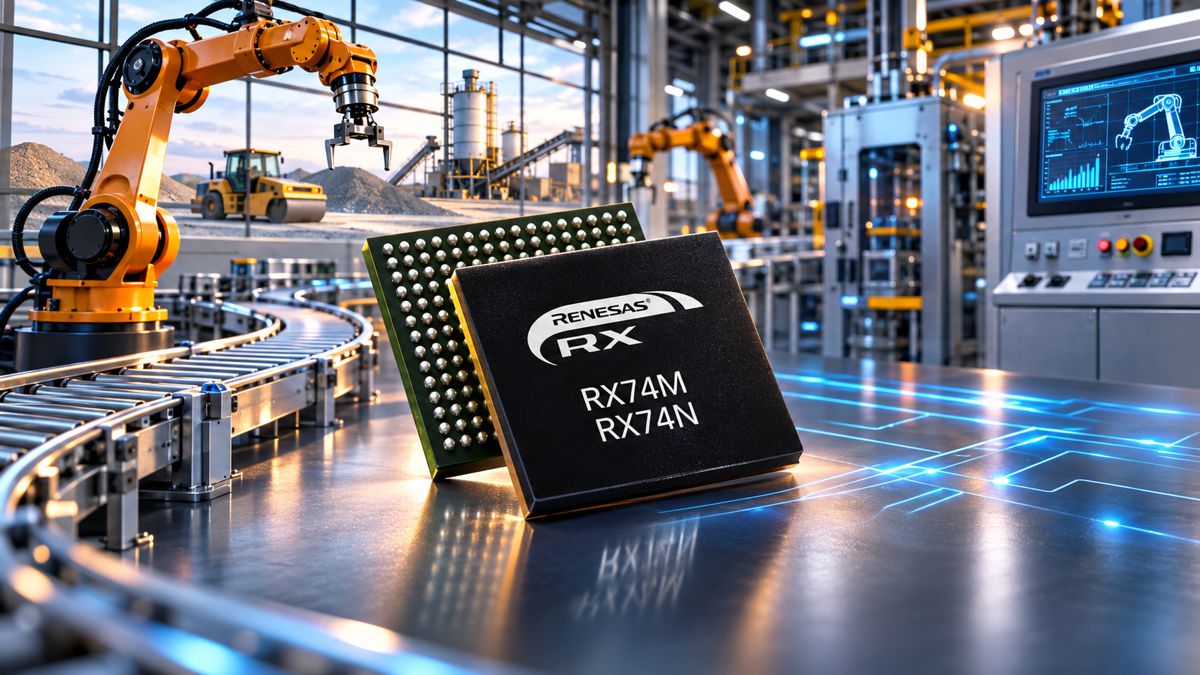
The new business will combine digital product development, enterprise systems and operational technology expertise, with particular emphasis on Physical AI and the application of intelligent software to machinery, equipment and infrastructure. Hitachi’s established operations in rail transport, energy and industrial systems provide a substantial foundation for developing technologies intended to function in demanding physical environments.
Briefing
- Hitachi Digital will launch on 1 April 2027, combining GlobalLogic and Hitachi Digital Services.
- The organisation will bring together approximately 35,000 professionals across 27 countries and serve more than 880 clients.
- Physical AI, data intelligence, cloud engineering and enterprise applications will form its principal service areas.
- Hitachi Rail’s HMAX technology is already installed on approximately 2,500 trains, with further deployments planned.
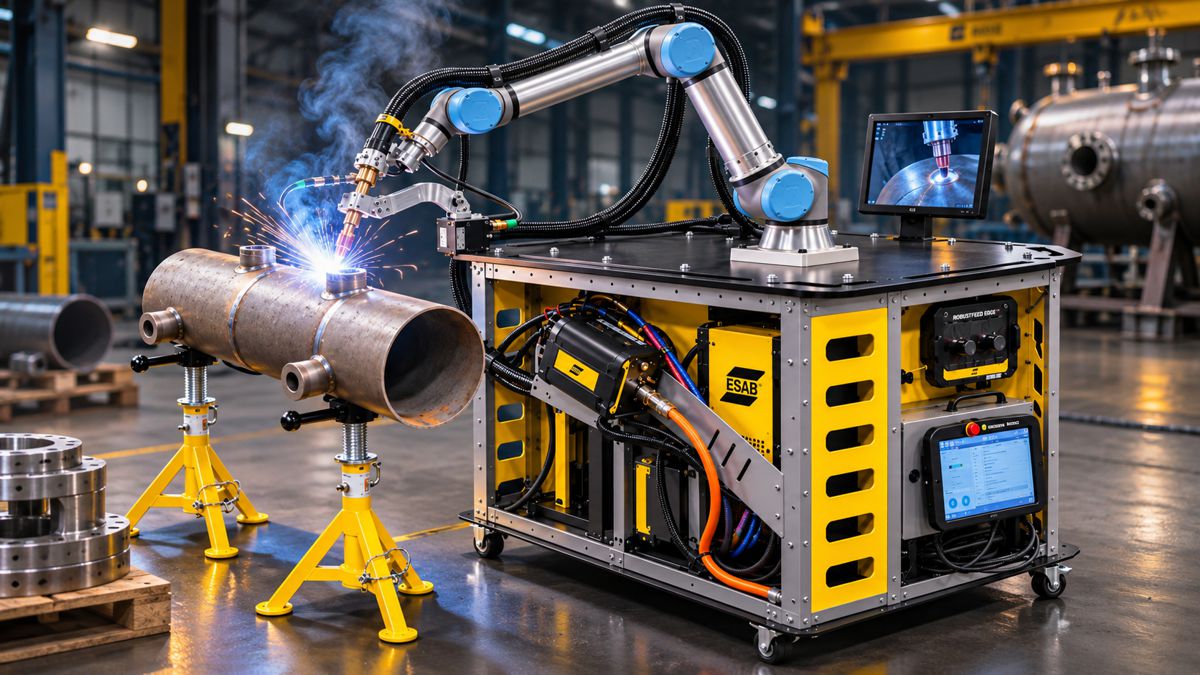
- Recent partnerships with FANUC and Agile Robots extend Hitachi’s work in industrial robotics and Physical AI.
Combining Software Engineering with Industrial Operations
The integration was first announced by Hitachi in January 2026, when the group outlined plans to consolidate GlobalLogic’s digital engineering capabilities with the enterprise technology and operational expertise of Hitachi Digital Services. The latest announcement confirms the new company’s identity, launch date and service structure.
GlobalLogic specialises in digital product development, software engineering and AI-driven applications, while Hitachi Digital Services provides cloud infrastructure, enterprise technology integration and managed operations. Bringing these activities together allows the group to develop new digital systems while maintaining the technology environments on which they depend.
Industrial organisations present particular challenges for this approach. Railway networks, electricity distribution infrastructure and manufacturing facilities commonly operate equipment from different generations, with control systems, sensors and software supplied by multiple manufacturers. Some assets remain in service for decades, making wholesale replacement impractical and requiring new applications to work alongside existing machinery.
The combined organisation will offer services covering Physical AI, Data and Intelligence, Cloud and Site Reliability Engineering, and Enterprise Applications. These activities will draw upon Hitachi’s operational technology experience and its established relationships with industrial and infrastructure operators.
Anand Birje, CEO and Chairman of Hitachi Digital, explained the thinking behind the consolidation: “Our clients need one partner who understands how an industry works, maintains deep technology ecosystem relationships, while engineering what’s new, modernizing what’s underneath and keeping it all running across the enterprise,” he said.
Hitachi intends to support implementation through Forward Deployed Engineers, or FDEs, who work directly within client organisations. These teams bring together AI specialists, data scientists and engineers to adapt digital technology to individual operating environments, including the underlying systems needed to keep applications functioning reliably.
Physical AI Moves into Industrial Applications
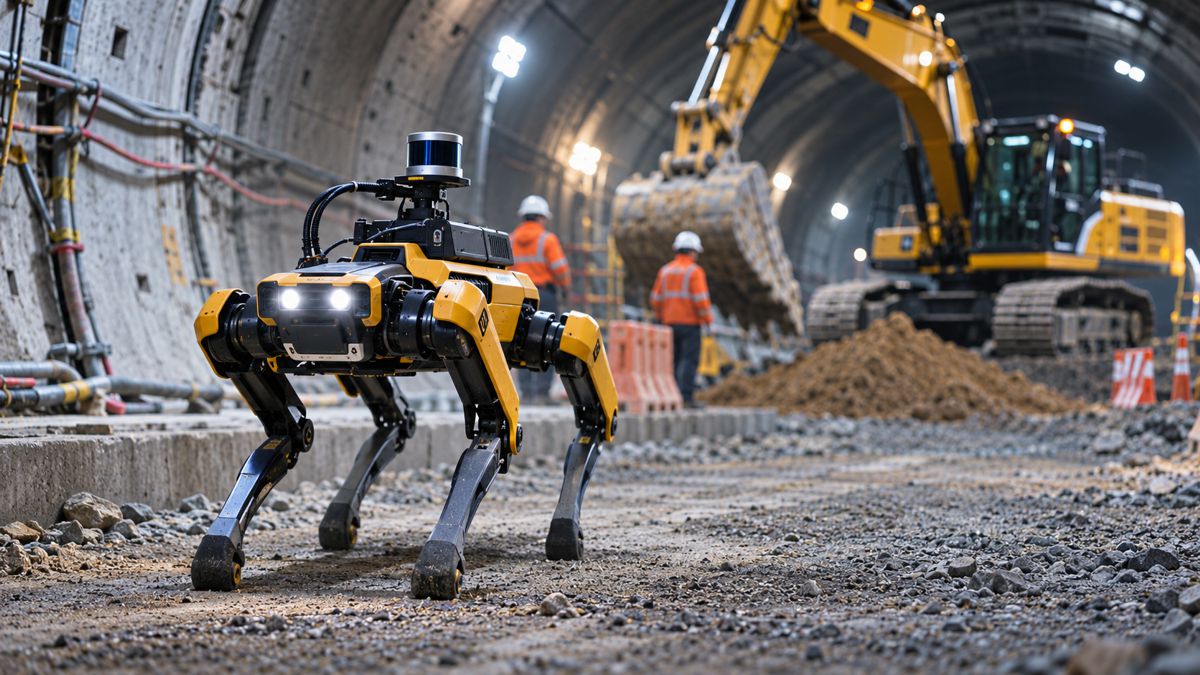
Physical AI extends artificial intelligence beyond conventional business software into systems that interact with machinery, equipment and the surrounding environment. Its applications range from analysing sensor information and supporting maintenance decisions to robotic systems capable of responding to changing physical conditions.
The engineering requirements differ considerably between these applications. An AI system interpreting equipment vibration data may operate in an advisory capacity, while software controlling a robotic machine must account for movement, mechanical limitations, sensor accuracy and the consequences of an incorrect decision.
Hitachi has been extending its involvement in this field through industrial partnerships as well as internal development.
In September 2026, the group announced a strategic partnership with Agile Robots to develop intelligence for AI-enabled robotics. The collaboration brings together Hitachi’s industrial and digital expertise with Agile Robots’ capabilities in robotic systems, targeting applications where machines must operate in complex manufacturing and industrial environments.
The following day, Hitachi also announced a strategic partnership with FANUC focused on the joint commercialisation of Physical AI implementation. The agreement adds an established industrial automation manufacturer to Hitachi’s wider technology ecosystem, providing another route for developing and applying intelligent control systems within production environments.
These collaborations complement Hitachi’s internal customer zero approach, through which the group applies emerging technologies within its own operations before seeking wider commercial deployment.
Industrial environments provide demanding conditions for such development. Machinery performance changes with wear, sensors can be affected by contamination or vibration, and operating conditions may differ considerably between facilities. Applications that perform successfully in controlled demonstrations must still prove dependable during routine operations, particularly where software interacts with safety-critical equipment.
HMAX Provides an Established Infrastructure Application
Hitachi’s HMAX portfolio offers a practical example of how the group’s digital and industrial capabilities are already being combined.
HMAX by Hitachi is a wider suite of AI-enabled solutions for industrial and social infrastructure, covering applications that include railway operations, data centres, cybersecurity and operational intelligence. Within that portfolio, HMAX for Rail provides digital asset management technology for rolling stock, signalling systems and railway infrastructure.
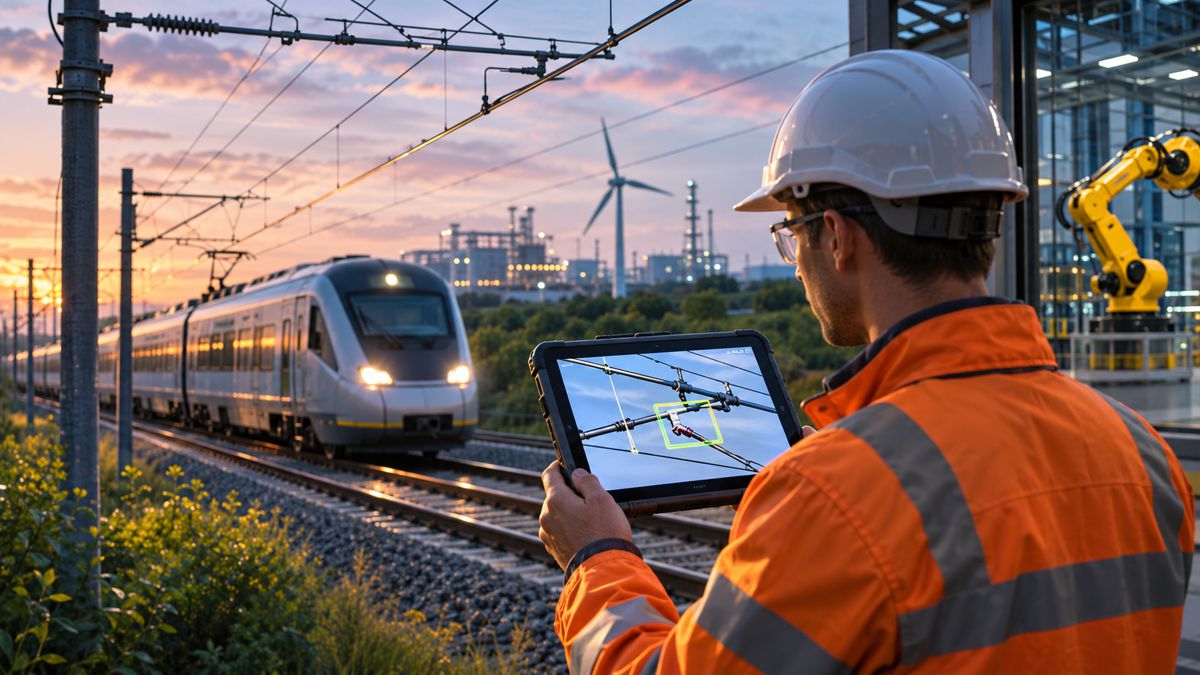
The railway platform uses information collected from sensors installed on operating trains and infrastructure assets to support condition monitoring and maintenance planning. Cameras, lidar equipment and vibration sensors can identify potential defects, changes in track condition and problems affecting overhead electrical equipment.
One application concerns the monitoring of overhead railway lines through cameras mounted on trains. The large quantities of video collected during routine journeys previously created a substantial processing burden, with conventional systems taking up to ten days to analyse the footage generated in a single day.
Through its collaboration with NVIDIA, Hitachi Rail has developed an edge-computing arrangement that processes camera data in real time using the NVIDIA IGX platform and Holoscan technology. Relevant information about potential faults can be transmitted to operational control centres without requiring the complete video dataset to be processed centrally.
The system offers a more immediate view of overhead line condition, allowing maintenance teams to review potential problems while the information remains operationally useful.
Hitachi has also expanded its railway monitoring capabilities through the acquisition of Omnicom Balfour Beatty in 2025, incorporating additional infrastructure measurement and inspection technology into the HMAX portfolio.
In September 2026, Hitachi Rail announced its Enhanced by HMAX programme, committing to equip all newly manufactured rolling stock with proprietary HMAX sensor technology from 2027.
At the time of the announcement, HMAX sensors were installed on approximately 2,500 trains, with the existing order pipeline expected to increase that figure to almost 3,500 over the coming years. The programme will extend digital asset management capabilities across rolling stock, signalling, infrastructure and railway operations.
The installed fleet provides Hitachi with an established source of operational information and practical experience in deploying intelligent monitoring systems. The individual HMAX applications vary in their use of AI, however, and condition monitoring should not be confused with fully autonomous railway control.
Integrating AI with Existing Infrastructure
The challenge of deploying industrial AI often lies in connecting advanced software to equipment that was never designed to accommodate it.
Infrastructure owners commonly operate a mixture of modern digital assets and older systems with limited connectivity or proprietary interfaces. A railway operator may have new sensor-equipped trains running alongside rolling stock built decades earlier, while electricity networks and industrial plants frequently contain several generations of automation equipment.
Integrating those systems requires an understanding of both software architecture and the underlying machinery. Data may need to be extracted from older control equipment, communications secured between operational and enterprise networks, and applications designed to continue functioning when individual components or connections become unavailable.
Reliability becomes increasingly demanding as AI applications move from experimental trials into continuous operations. Models trained on historical equipment data must accommodate changing operating conditions, while maintenance teams need information they can interpret and use within established working procedures.
Hitachi Digital’s service structure brings software development, systems integration and ongoing operational support into the same organisation. Its FDE teams are intended to work alongside customers during implementation, rather than handing over applications developed independently of the environment in which they will operate.
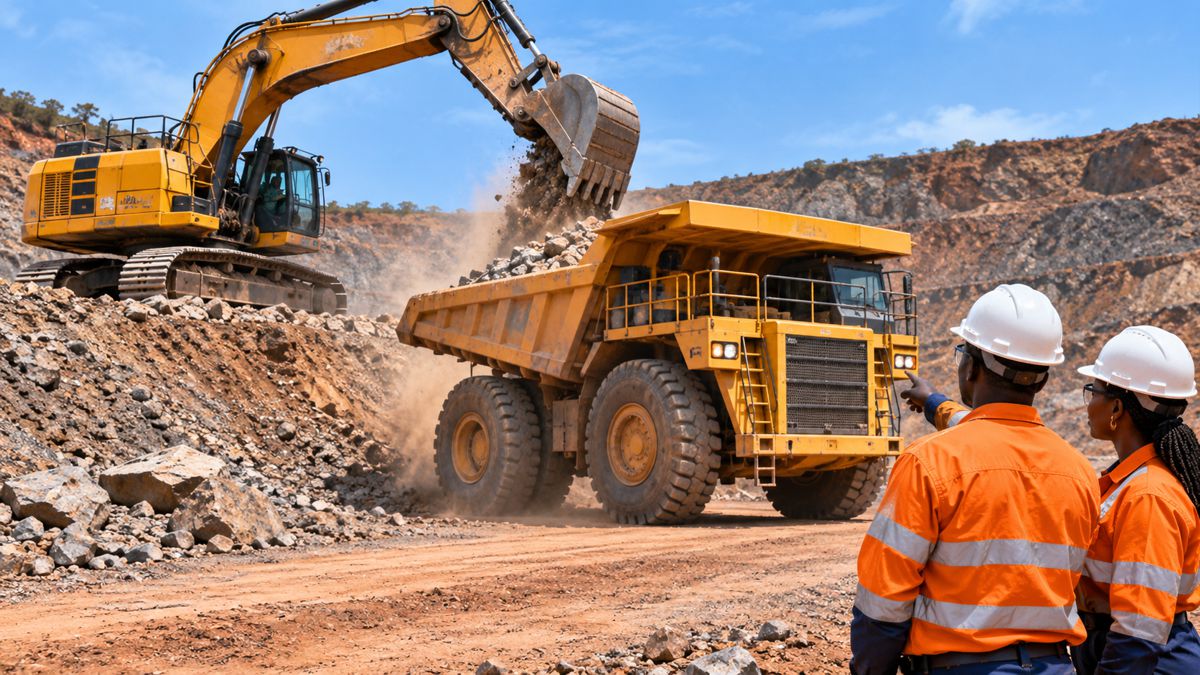
For infrastructure owners, potential applications include equipment condition monitoring, maintenance scheduling and the consolidation of engineering information across large asset networks. Similar capabilities may be relevant to construction machinery fleets, quarrying operations and fixed construction plant, although Hitachi’s latest announcement does not identify new deployments specifically within those sectors.
Building on Lumada 3.0
The restructuring forms part of Hitachi’s wider Lumada 3.0 strategy, which combines digital engineering, industrial expertise and operational data to develop services for enterprise and infrastructure customers.
Hitachi outlined plans in January to strengthen its international digital business and establish a unified AI development capability drawing upon GlobalLogic’s VelocityAI and Hitachi Digital Services’ HARC offerings. These capabilities are intended to support the development and operation of AI applications across the group’s industrial businesses and external client organisations.
The company has also continued to expand the HMAX portfolio. In September, it introduced additional capabilities for data centre infrastructure, cybersecurity, data integration and AI-assisted operations, broadening the range of environments in which its industrial software can be applied.
According to Hitachi’s latest announcement, revenue generated through synergies between Hitachi Digital and other Hitachi Group businesses grew by 46% year-on-year during the first half. The company did not provide the underlying revenue figure in the announcement, making it difficult to assess the absolute contribution to the wider group’s financial performance.
Further investment is planned in AI, data and cloud specialists, supported by expanded technology alliances and potential acquisitions. Integrating the existing businesses will also require the alignment of engineering teams, delivery processes and customer relationships across an organisation operating in 27 countries.
Jun Abe, Executive Vice President and Head of Hitachi’s Digital Systems & Services Sector, said the new structure would bring digital engineering and operational expertise together while drawing upon Hitachi’s experience in social infrastructure: “By uniting GlobalLogic’s digital engineering with Hitachi Digital Services’ enterprise and operational expertise, and leveraging the FDE team as a driving force, together with Hitachi’s OT and domain knowledge in social infrastructure, we will work alongside clients throughout their business transformation and help maximize value creation.”
Industrial AI Beyond the Pilot Stage
Hitachi Digital’s formal launch in April 2027 will complete the next stage of an integration programme announced at the beginning of 2026. Its commercial development will depend on how effectively the combined organisation can turn its engineering capabilities and access to Hitachi’s industrial businesses into services that can be delivered across different operating environments.
The group’s railway deployments provide an established starting point, while its recent robotics partnerships and expansion of HMAX open further opportunities in manufacturing, energy and industrial automation. Each sector brings different equipment, operating constraints and requirements for reliability.
For infrastructure owners, the practical measures will remain familiar: asset availability, maintenance performance, integration costs and the ability to support equipment throughout its operating life.
The new organisation brings considerable software and industrial expertise under one structure. Its performance will be judged increasingly by the reliability of the systems it develops and maintains, rather than the scale of the business assembled to deliver them.
Key Industry Questions
- When will Hitachi Digital formally launch? Hitachi Digital Inc. is scheduled to launch on 1 April 2027, combining GlobalLogic and Hitachi Digital Services under a single global organisation.
- How large will the new Hitachi Digital business be? The company expects to bring together approximately 35,000 professionals operating across 27 countries, serving more than 880 active clients.
- What is Physical AI in industrial applications? Physical AI uses artificial intelligence to interpret information from physical environments and support or control machinery and operational processes. Applications include robotics, equipment monitoring and intelligent automation.
- How does Hitachi Digital differ from conventional IT services providers? The business combines software engineering, enterprise technology services and operational support with access to Hitachi’s expertise in industrial equipment, control systems and critical infrastructure.
- What is the difference between HMAX by Hitachi and HMAX for Rail? HMAX by Hitachi is the group’s wider portfolio of AI-enabled industrial solutions. HMAX for Rail is its railway-focused digital asset management platform, covering trains, infrastructure, signalling and operations.
- How is AI being used to monitor railway overhead lines? Hitachi Rail uses AI-enabled edge computing to process video collected from train-mounted cameras in real time, identifying information about possible overhead line defects for operational review.
- What role do Forward Deployed Engineers play? They work directly with customer organisations to develop, adapt and implement AI and digital applications within existing operational environments.
- How do Hitachi’s robotics partnerships support its Physical AI strategy? Its partnerships with FANUC and Agile Robots provide industrial automation and robotics expertise for developing applications that combine intelligent software with physical machines.
- Will Hitachi Digital develop technology for construction equipment? The company’s engineering capabilities could support applications in construction machinery and infrastructure maintenance, but the announcement does not confirm new construction-specific deployments.
Strategic Takeaways
- Combining digital engineering and operational support may simplify the development and long-term maintenance of complex industrial AI systems.
- Hitachi’s established railway operations provide substantial practical experience in applying intelligent monitoring technology to physical infrastructure.
- Real-time processing of sensor information can reduce the delays associated with transmitting and analysing large industrial datasets.
- Robotics partnerships extend Hitachi’s Physical AI capabilities into manufacturing and equipment automation, where system reliability and operational integration remain demanding.
- Commercial adoption will depend on demonstrated performance across different facilities, machinery types and operating conditions.