Capital Planning for a Construction Fleet: What Contractors Should Consider
The more than 3 million commercial contractor companies nationwide make thousands of heavy equipment purchase decisions across job sites every day as they balance project timelines against tight operating budgets.
Expanding a fleet requires more than matching a machine to a job site specification; it demands a deliberate capital-planning strategy that protects liquidity while keeping jobs on schedule. Contractors who evaluate their fleets through a disciplined total cost of ownership framework position themselves to scale efficiently without draining their cash reserves.
Evaluating Equipment Utilization and Lifetime Expenses
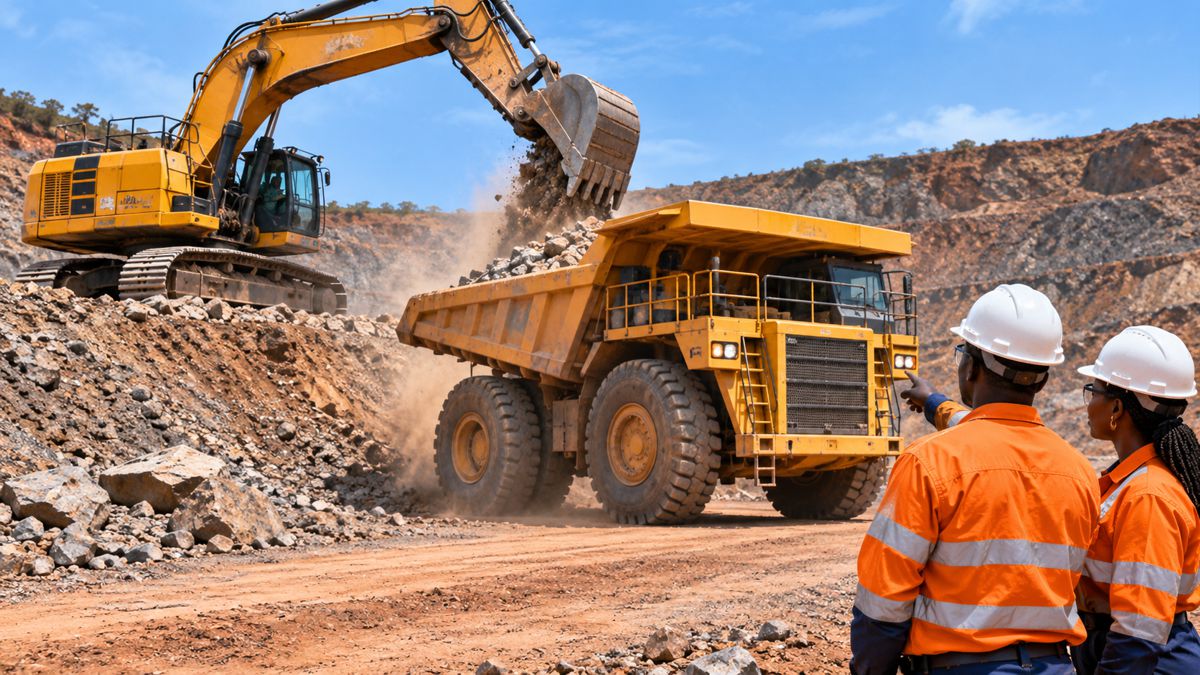
Smart fleet management starts with accurate utilization tracking. Buying the latest machinery makes sense when project pipelines guarantee high, continuous usage, but underutilized assets quickly become costly centers. In fact, benchmark data cited by MapTrack indicates that ownership becomes financially advantageous over renting when machine utilization reaches 60% to 70% across active project sites.
Acquisition cost represents only a fraction of a machine’s lifetime financial footprint. Operating expenses like daily fuel burn, preventative maintenance, storage, transport, and insurance build up continuously over time. Modern telemetry helps track these variables, which is vital given that maintenance costs are outpacing overall fleet spend at a 13.1% annual growth rate.
Every piece of equipment reaches a point where repair demands eclipse operating profits. Monitoring mechanical health and market resale values allows fleet managers to liquidate or trade in assets before steep depreciation takes hold.
Protecting Working Capital Through Strategic Equipment Loans
Paying cash for heavy machinery limits a contractor’s liquidity, reducing the flexibility needed to cover payroll, secure raw materials, or bid on unexpected project opportunities. Structured debt lets companies modernize their machinery while keeping essential cash reserves intact.
Contractors evaluating capital strategies often consider flexible financing options like Crestmont Capital equipment loans to acquire critical machinery while spreading the cost over its productive lifespan. The right financing package makes growth-enabling acquisitions more viable. When structuring an equipment loan, contractors must analyze a few core variables:
- Term length should strictly match the machine’s primary productive lifespan
- Down payment size directly impacts monthly cash flow requirements
- Fixed interest rates protect operating budgets from market fluctuations
Aligning debt schedules with project revenue streams ensures that equipment pays for itself directly through project deliverables.
Factoring Technology and Telemetry into Fleet Valuations
Equipment software and telemetry integration now play a decisive role in defining machine resale values and standard financing eligibility. Fleet managers can no longer rely solely on physical inspection reports or engine hours when evaluating older assets.
Modern buyers and lenders inspect digital maintenance logs to verify that equipment received required servicing on schedule. Machines with integrated fleet diagnostic software provide real-time engine telemetry, fuel-efficiency logs, and historical fault codes.
This comprehensive data trail reduces risk for buyers, allowing well-maintained assets to command higher resale prices in secondary markets. Streamlined diagnostic records ultimately streamline trade-in values when contractors upgrade their equipment.
Balancing Non-Bank Financing Options and Asset Lifespans
Commercial contractors are increasingly shifting toward non-bank financing and private credit to secure competitive long-term equipment loans as broader banking liquidity tightens. Flexible terms give businesses room to absorb seasonal dips without jeopardizing core operations.
Tax incentives also play a significant role in capital planning. Depreciation allowances and interest deductions can reduce net acquisition costs, making structured financing even more efficient.
Ultimately, capital planning requires balancing immediate equipment requirements against long-term financial health. Contractors who combine clear utilization metrics, full operating cost projections, and smart financing structures keep their businesses agile and built for sustainable growth. For more news and insights into modern construction matters, explore our other posts.

Key Industry Questions
- When does equipment ownership become more economical than renting? Contractors need to assess utilisation rates, project duration, maintenance obligations and expected resale values rather than relying on acquisition costs alone.
- How should contractors balance fleet expansion against working capital requirements? Equipment investment must be assessed alongside payroll, materials procurement, operating reserves and the financial demands of future projects.
- What role should total cost of ownership play in equipment procurement? Fuel consumption, servicing, repairs, insurance, transportation, depreciation and disposal costs can materially alter the financial case for purchasing machinery.
- How can equipment financing be aligned with construction project cash flow? Loan terms, repayment schedules and interest structures should reflect realistic asset lifespans and anticipated revenue, particularly where project income is seasonal or unpredictable.
- Can telematics and digital maintenance records improve equipment valuations? Reliable operating histories and documented servicing can strengthen asset assessments, support resale negotiations and provide lenders with greater visibility into equipment condition.
- When should contractors replace ageing machinery rather than extend its working life? Rising maintenance expenditure, increasing downtime and declining productivity need to be weighed against replacement costs, financing commitments and residual asset values.
- What are the financial implications of increasingly sophisticated construction equipment? Connected machinery introduces new considerations around software subscriptions, diagnostic access, technology obsolescence and long-term support that conventional depreciation models may overlook.
- How should contractors evaluate bank lending against alternative equipment financing? Interest costs, repayment flexibility, security requirements, early settlement provisions and overall borrowing conditions should determine whether conventional lending or non-bank finance offers the better commercial arrangement.
Strategic Takeaways
- Treat fleet investment as a capital allocation decision. Equipment purchases should be justified against confirmed and anticipated workloads, with financial returns assessed across the machine’s expected operating life.
- Measure utilisation before committing to ownership. Reliable equipment usage data helps contractors identify underperforming assets, avoid unnecessary purchases and determine when renting or leasing provides greater flexibility.
- Protect liquidity through disciplined financing. Matching repayment commitments to realistic project income and equipment lifespans can support fleet modernisation without placing excessive pressure on working capital.
- Recognise equipment data as a financial asset. Telematics, maintenance histories and operational records increasingly influence purchasing decisions, asset management, resale negotiations and lender confidence.
- Plan replacement and disposal before costs escalate. Forward-looking fleet strategies should account for depreciation, maintenance trends, residual values and technology developments to reduce unexpected capital expenditure and preserve long-term competitiveness.