







Rolling Stock
A railway infrastructure term connected with track, signalling, power, stations or maintenance.
Rolling Stock Explained
Rolling Stock is a key term within rail infrastructure, where it is used across construction, infrastructure, transport and industrial project delivery. In practical terms, it helps describe how work is planned, specified, delivered, measured or maintained on real sites and assets. Understanding rolling stock is useful because the same language is often shared by contractors, designers, suppliers, asset owners, public authorities and investors.
Within Highways.Today’s Dictionary, rolling stock should be read as part of the wider vocabulary of track, signalling, stations, rolling interface and railway civil engineering terminology. It may appear in technical specifications, tender documents, project reports, equipment guides, safety plans, design models, maintenance schedules or news articles. Exact requirements can vary by country, project type, contract form, standard and manufacturer, so readers should always check the relevant local guidance, drawings, regulations and professional advice before relying on the term for design, procurement or operational decisions.
Articles Featuring Rolling Stock
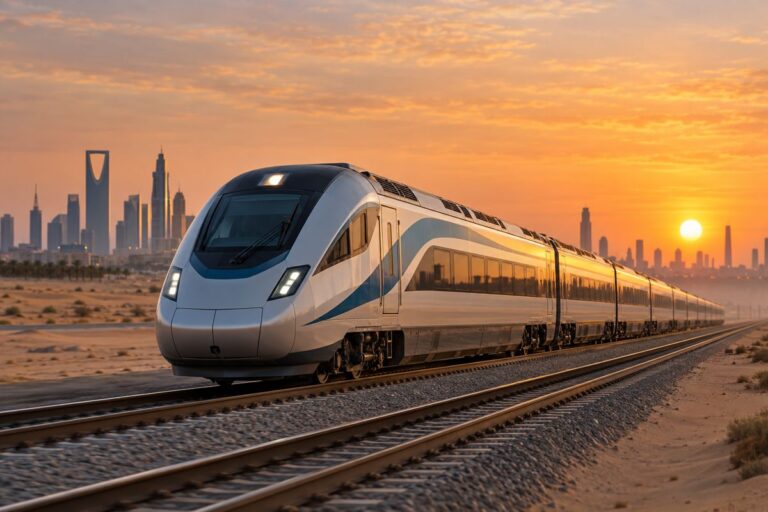 KfW IPEX-Bank Leads CHF 254m Financing for Saudi Passenger Trains
3rd October 2026
KfW IPEX-Bank Leads CHF 254m Financing for Saudi Passenger Trains A CHF 254 million export credit facility will finance ten…
KfW IPEX-Bank Leads CHF 254m Financing for Saudi Passenger Trains
3rd October 2026
KfW IPEX-Bank Leads CHF 254m Financing for Saudi Passenger Trains A CHF 254 million export credit facility will finance ten…
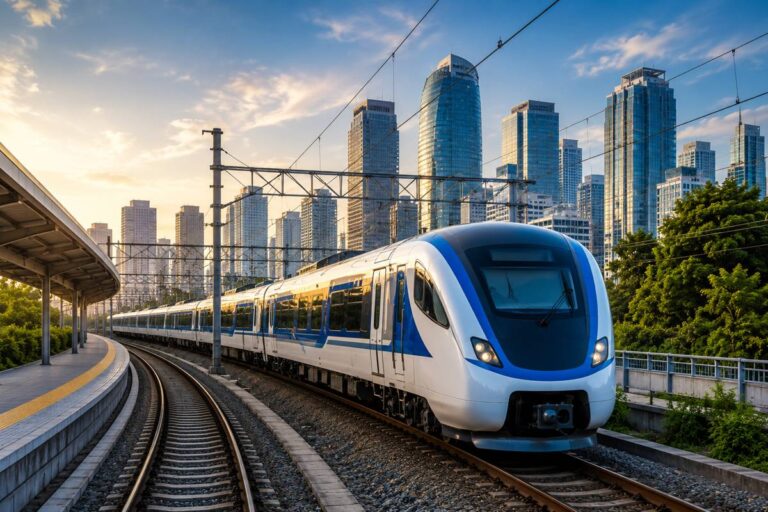 Jakarta Becomes the Trading Floor for Southeast Asia’s Rail Boom
17th June 2026
Jakarta Becomes the Trading Floor for Southeast Asia’s Rail Boom When the doors of JIExpo Kemayoran swing open on 28…
Jakarta Becomes the Trading Floor for Southeast Asia’s Rail Boom
17th June 2026
Jakarta Becomes the Trading Floor for Southeast Asia’s Rail Boom When the doors of JIExpo Kemayoran swing open on 28…
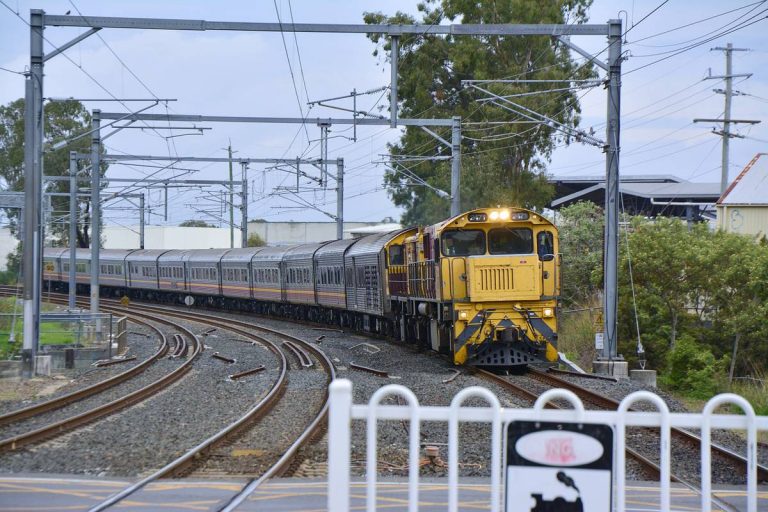 Atkins secures 9 year procurement contract for PTA Metronet Rolling Stock in Australia
16th November 2020
Atkins secures 9 year procurement contract for PTA Metronet Rolling Stock in Australia SNC-Lavalin’s Atkins business has been appointed by…
Atkins secures 9 year procurement contract for PTA Metronet Rolling Stock in Australia
16th November 2020
Atkins secures 9 year procurement contract for PTA Metronet Rolling Stock in Australia SNC-Lavalin’s Atkins business has been appointed by…










Editorial Note
The Highways.Today Dictionary is maintained as an editorial reference resource for construction, infrastructure, transport and industrial technology professionals. Definitions are intended to support understanding, discovery and research, and may be expanded over time as the Dictionary evolves into a broader illustrated industry reference.