Why Growing Businesses Need a Smarter Approach to Company Vehicles
A couple of company vehicles are easy enough to keep track of. Someone knows when the rego is due, another person remembers which van needs a service, and fuel receipts somehow make their way to accounts.
Then the business grows.
Suddenly there are more drivers, more vehicles, more paperwork and more opportunities for small oversights to become expensive ones. That’s where structured fleet management services start to make sense. They’re not just about keeping tabs on cars and vans. They’re about treating vehicles as a business asset rather than a collection of moving admin tasks.

Growth Makes Informal Systems Fragile
What works for three vehicles usually doesn’t work for thirty.
A spreadsheet might be perfectly adequate in the early days, but as a fleet expands, the amount of information attached to each vehicle grows too. Servicing schedules, fuel use, insurance, replacement timing, driver allocation and compliance requirements all need attention.
Miss one renewal or delay one service and the cost may be manageable. Repeat that across a larger fleet and the inefficiency starts to compound.
The challenge isn’t necessarily that people aren’t doing their jobs. It’s that the system itself has outgrown the business.
Vehicle Costs Are More Than Purchase Prices
Businesses often focus heavily on what a vehicle costs to acquire.
That’s only one part of the picture.
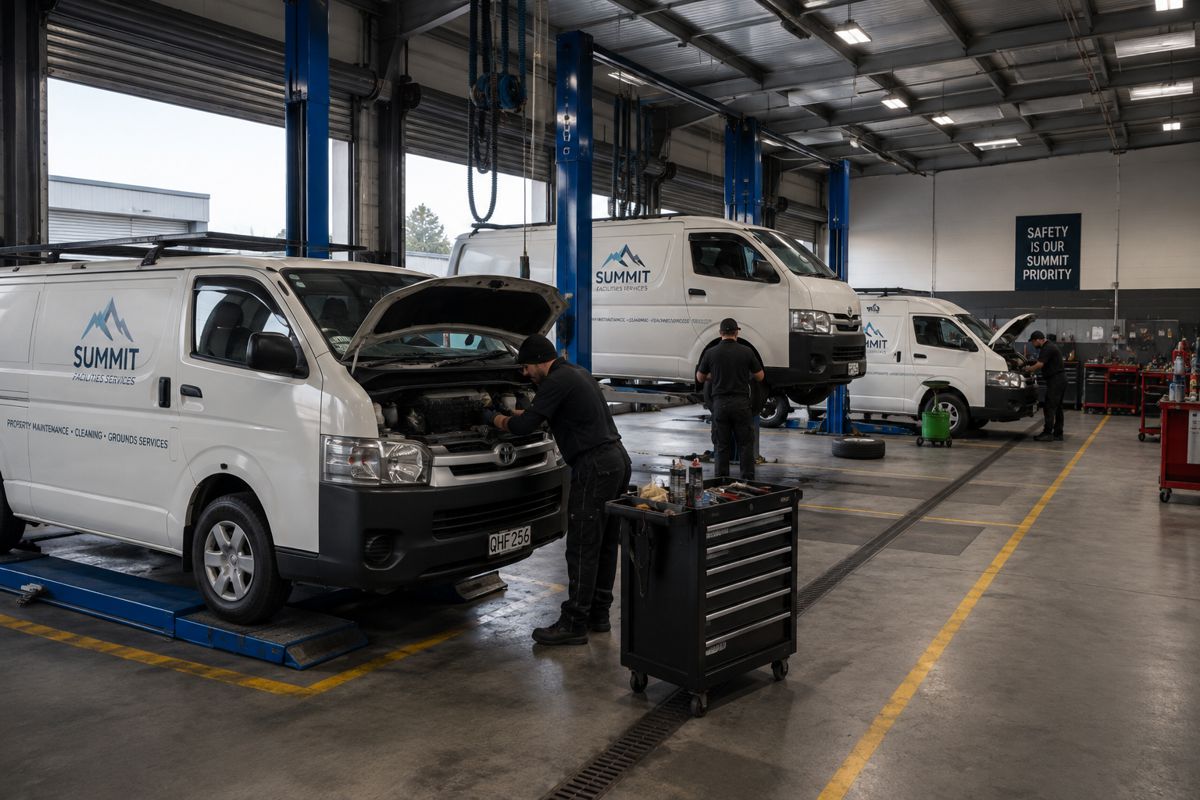
Fuel consumption, maintenance, downtime, tyres, insurance and eventual resale value can all have a significant effect on total operating cost. A vehicle that looks cheaper on day one may not remain cheaper over several years.
Looking at the fleet as a whole makes those patterns easier to spot. It may reveal that certain models are consistently more expensive to maintain, or that some vehicles are being underused while others are clocking up kilometres far faster than expected.
Those insights can shape better purchasing decisions the next time replacements are due.
Downtime Deserves More Attention
A vehicle sitting in a workshop isn’t just a repair bill.
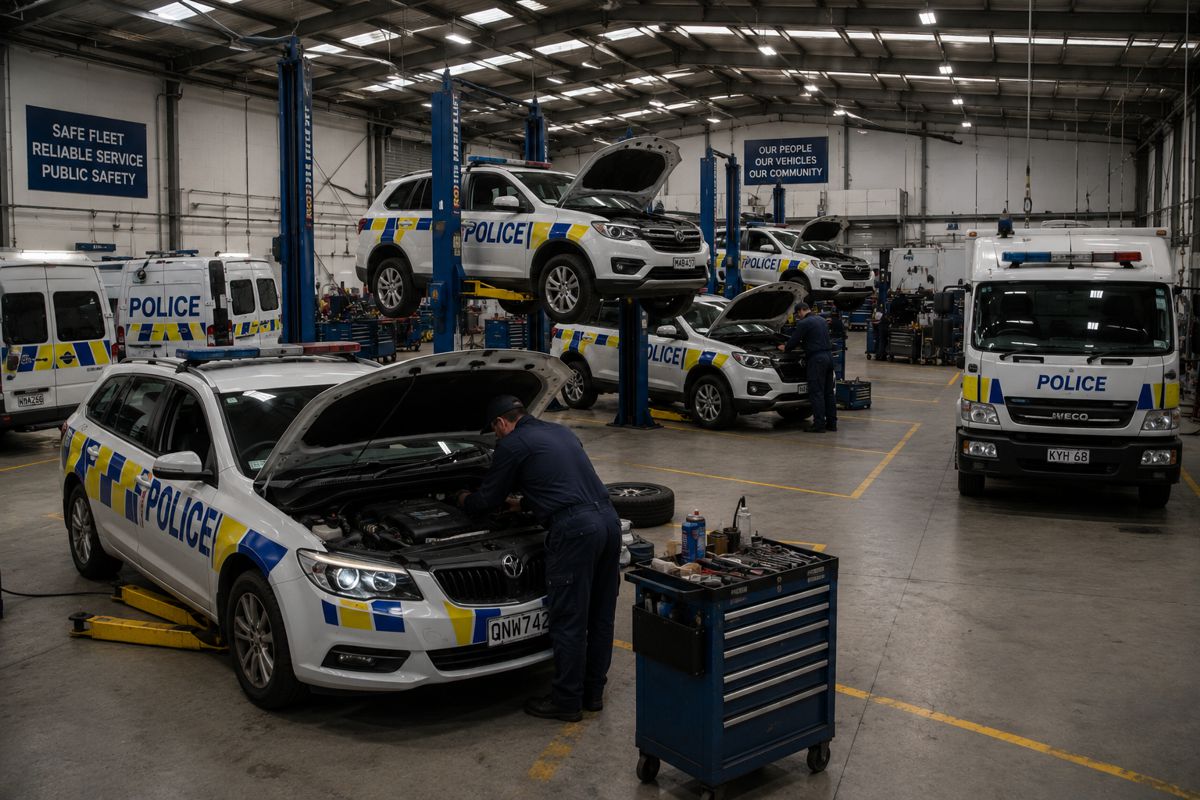
Depending on the business, it might mean delayed deliveries, cancelled appointments, staff unable to reach sites or the added cost of arranging temporary transport.
That’s why preventative maintenance can be more valuable than simply reacting when something breaks.
Keeping servicing on schedule and identifying recurring issues early helps reduce unpleasant surprises. It also gives businesses a better chance of planning around downtime instead of being caught by it.

Drivers Are Part of the Equation
Fleet performance isn’t purely mechanical.
How vehicles are driven can affect fuel use, wear and tear and even insurance outcomes. Clear policies around vehicle use, reporting damage and basic care can make a meaningful difference.
The goal isn’t to micromanage every trip. It’s to create enough consistency that vehicles aren’t treated differently depending on who happens to have the keys.

A Fleet Should Support Growth, Not Complicate It
Company vehicles are there to help the business operate.
When managing them starts consuming too much time, creating unpredictable costs or relying on one employee to remember everything, it’s probably worth changing the approach.
A more structured system can make costs easier to understand, replacements easier to plan and day-to-day operations less dependent on memory.
As businesses grow, that kind of predictability becomes increasingly valuable — especially when the fleet itself is growing right alongside them.