Toyoda Gosei rolling forward with investment in Robotics start-up TriOrb
In a bold move to bolster manufacturing innovation, Toyoda Gosei has strategically invested in TriOrb Inc., a cutting-edge robotics start-up emerging from the Kyushu Institute of Technology.
This ambitious partnership promises to disrupt traditional production processes, setting new standards for factory automation and mobility solutions. But what exactly makes TriOrb’s technology so special, and why is this investment a significant leap towards addressing modern industrial challenges?
The Core of TriOrb’s Innovation
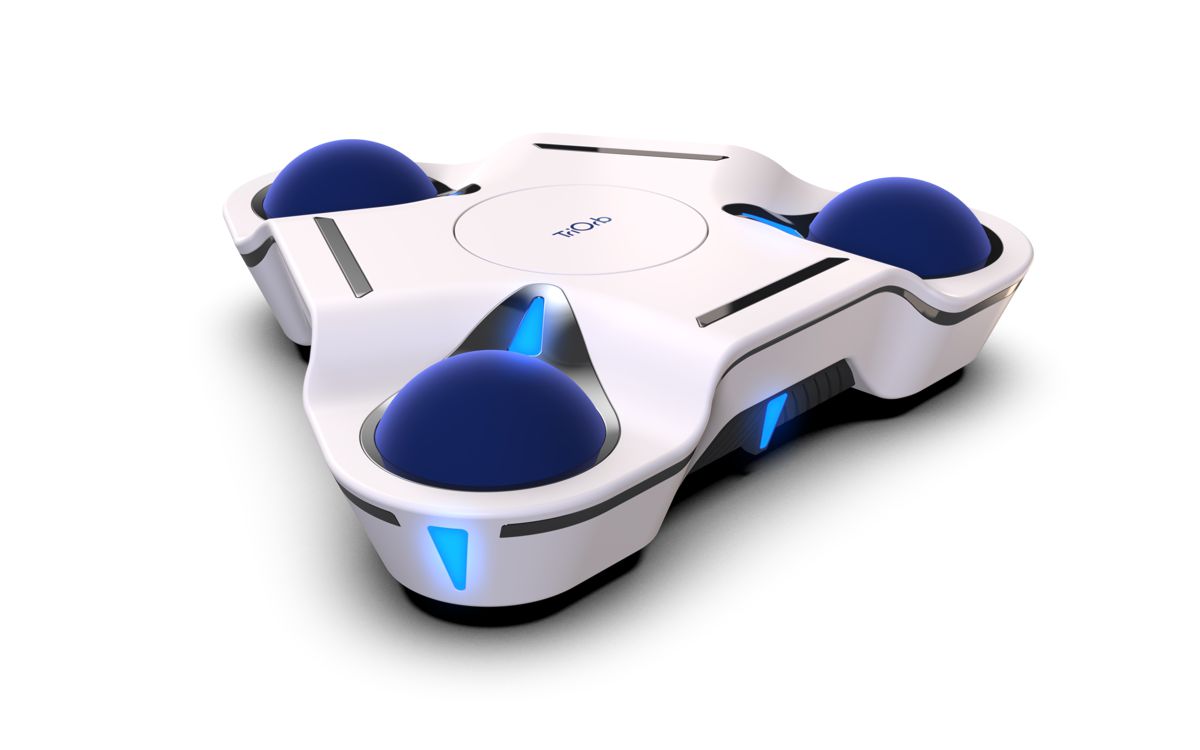
At the heart of TriOrb’s technological marvel is a ground-breaking approach to mobile robotics. Unlike conventional robots that rely on traditional tires or tracks, TriOrb’s robots utilise spherical wheels, allowing for smooth and omnidirectional movement. This distinctive feature is not just a gimmick; it represents a crucial leap in robotics design. TriOrb’s spherical robots are capable of manoeuvring effortlessly in confined spaces and uneven terrains where standard mobility solutions falter.
For industries where precision, space efficiency, and adaptability are paramount, this mobility solution could be game-changing. Manufacturing floors, often cluttered with machinery, people, and goods, require robots that can move with agility and finesse. TriOrb’s omnidirectional mobility tackles this head-on, allowing robots to navigate environments that were previously challenging, if not impossible, for traditional wheeled robots.
Moreover, TriOrb isn’t just developing the hardware. They’re also at the forefront of autonomous mobility software. This combination of advanced robotics and sophisticated software promises to make manufacturing more efficient, cutting down on time and labour while boosting productivity. Autonomous robots can perform repetitive tasks, freeing human workers from the burden of heavy lifting and monotonous work.
Addressing Labour Shortages
One of the most pressing issues in today’s manufacturing sector is the growing shortage of skilled labour. As industries continue to expand and evolve, the demand for workers capable of performing both manual and technical tasks has outpaced the supply. According to industry analysts, the global manufacturing labour shortage is expected to reach critical levels over the next decade, driven by an ageing workforce, changing demographics, and shifting economic conditions.
This is where TriOrb’s robotics solutions step in. By automating tasks that were once labour-intensive, TriOrb’s technology directly addresses this looming workforce gap. Factories and manufacturing plants can rely more on intelligent, autonomous machines to carry out essential operations, minimising their dependence on human labour. In turn, this reduces worker fatigue and lowers the risk of injuries from repetitive strain or physically demanding tasks.
By investing in TriOrb, Toyoda Gosei aims to future-proof its manufacturing operations. Their sights are set on achieving higher levels of automation, enhancing productivity, and reducing operational costs in the long run. This aligns perfectly with Toyoda Gosei’s long-term business strategy, which prioritises manufacturing innovation as a pillar for sustainable growth.
Toyoda Gosei’s 2030 Business Plan has Innovation at the Core
The investment in TriOrb is not an isolated move. It’s part of Toyoda Gosei’s broader strategic plan known as the 2030 Business Plan, which focuses on fostering innovation to stay competitive in a rapidly changing global marketplace. This plan highlights the need for manufacturing companies to embrace new technologies and rethink traditional production methods. By placing innovation at the heart of its growth strategy, Toyoda Gosei is looking to strengthen its production capabilities, increase efficiency, and stay ahead in an increasingly automated world.
A key component of this strategy is investing in emerging technologies that can be integrated into Toyoda Gosei’s existing processes. TriOrb’s technology is a perfect fit for this, as it can potentially be deployed across various stages of production, from material handling to final assembly. The flexibility and adaptability of omnidirectional mobile robots make them well-suited for diverse manufacturing environments, allowing for seamless integration and operational optimisation.
The Impact of Automation on Manufacturing Efficiency
Automation is more than just a buzzword—it’s the future of manufacturing. With growing pressure to reduce costs, increase output, and minimise downtime, companies are turning to robotics and automation to achieve these goals. According to a study by the International Federation of Robotics, the number of industrial robots globally has grown by an average of 14% per year since 2010, and this trend is expected to continue.
Toyoda Gosei’s investment in TriOrb aligns with this global shift towards automation. By incorporating advanced robotics into their production lines, companies can achieve significant cost savings while improving product quality and consistency. Automated systems reduce the margin for human error, ensuring more precise and reliable outcomes. In industries where even minor defects can result in significant losses, this level of precision is invaluable.
What’s more, automation paves the way for ‘smart factories’—fully integrated, self-regulating production systems that communicate in real-time to optimise performance. These smart systems can anticipate maintenance needs, adjust workflows based on demand, and ensure that production is always operating at peak efficiency. The integration of TriOrb’s robotics into such environments could drive major productivity gains for Toyoda Gosei and other manufacturers.
A Solution for Social and Economic Challenges
Beyond enhancing productivity, TriOrb’s technology addresses broader societal issues. As populations age and the pool of available labour diminishes, industries worldwide are grappling with how to meet production demands without overburdening workers. In some countries, the shrinking workforce has led to a rise in labour costs, placing additional strain on manufacturing companies.
By automating labour-intensive tasks, TriOrb’s robots provide a viable solution to this challenge. Not only do they alleviate the physical demands on workers, but they also offer an economically sound alternative to hiring additional personnel. For countries facing demographic shifts and rising wages, robotics could be the key to maintaining industrial output while keeping costs under control.
The Future of Robotics in Manufacturing
With investments like Toyoda Gosei’s backing, TriOrb is set to make a significant impact on the future of robotics in manufacturing. Their technology represents the next step in creating more adaptive, flexible, and efficient production environments. As more companies embrace automation and smart mobility, we can expect to see continued advancements in how goods are produced, moved, and managed.
For Toyoda Gosei, this investment is a calculated risk, but one that could pay off handsomely as industries worldwide look to automation to solve some of their most pressing challenges. As the demand for robotics solutions continues to grow, both companies are well-positioned to lead the charge in the evolution of manufacturing.
A Promising Path Forward
Toyoda Gosei’s partnership with TriOrb exemplifies the kind of forward-thinking approach needed to thrive in the modern manufacturing landscape. By investing in innovative technologies that improve productivity, address labour shortages, and enhance operational efficiency, they’re paving the way for a more automated, efficient, and adaptable future. The benefits of this collaboration are set to ripple through the industry, offering a glimpse of what’s possible when robotics and manufacturing intersect.
As manufacturing continues to evolve, it’s clear that the companies that embrace change, invest in new technologies, and push the boundaries of what’s possible will be the ones that lead the way.