Powering Nepal’s Future with Ambitious Infrastructure Overhaul
The Asian Development Bank (ADB) has thrown its financial weight behind Nepal’s quest for energy independence, approving a substantial $311 million loan to overhaul its electricity transmission and distribution networks.
This initiative aims to modernise the country’s grid, enhance efficiency, and pave the way for sustainable economic growth. With Nepal’s power demands skyrocketing, ADB’s investment could be a game changer, turning potential into progress.
Building Resilient Infrastructure
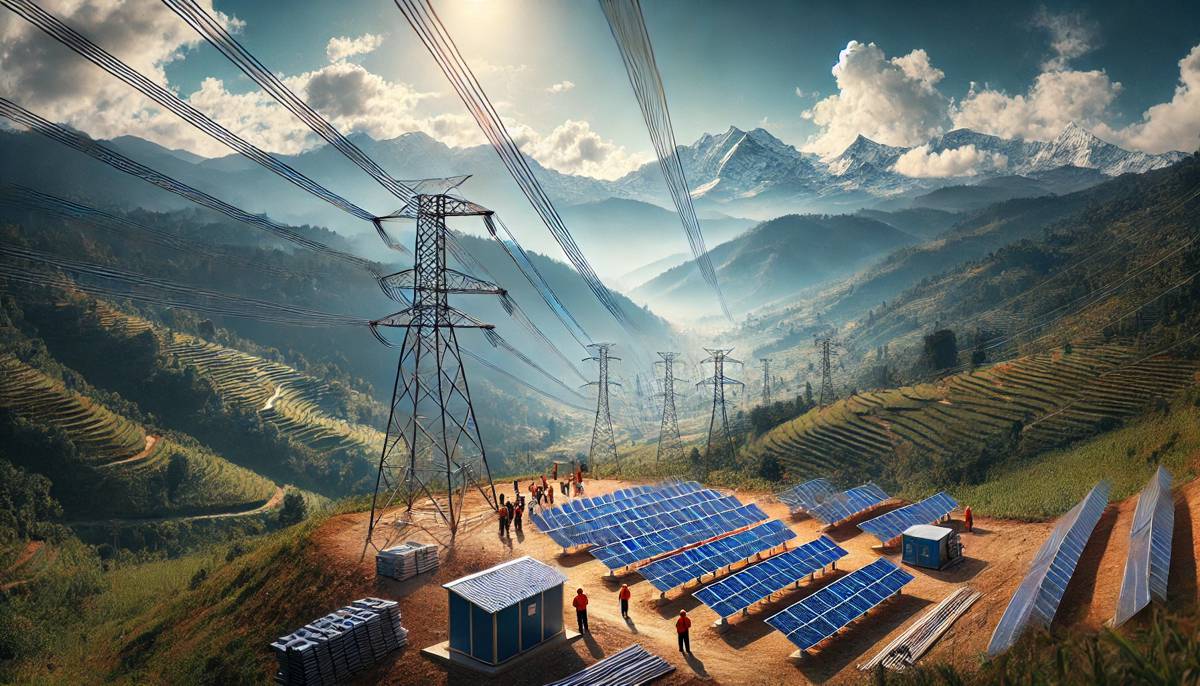
The heart of this project lies in upgrading 290 kilometres of transmission lines across critical regions—from the remote terrain of Dailekh to the bustling areas of New Butwal, Lamahi, Nijgadh, and beyond. This isn’t just about stringing up wires; it’s about future-proofing a nation’s energy backbone. For years, Nepal’s ageing infrastructure has been a bottleneck, causing frequent blackouts and hampering industries that rely on stable power. This project marks a significant step forward, ensuring that electricity is delivered reliably to homes, businesses, and industries.
ADB Principal Energy Specialist Jiwan Acharya put it aptly: “Upgrading and modernising Nepal’s electricity transmission and distribution facilities is essential to its sustainable growth and development. Not only will this project ensure reliable delivery, but it will also create jobs, making lives better for the people.”
Solar Power to the Rescue
Part of ADB’s vision includes harnessing Nepal’s abundant sunlight. The project plans to establish grid-connected solar photovoltaic installations with a combined capacity of 8 megawatts (MW) across Karnali and other provinces. In an era where renewable energy is more than just a buzzword, these solar farms will contribute to reducing the country’s dependence on imported fossil fuels, which have historically drained the national coffers.
The transition to solar power not only diversifies Nepal’s energy mix but also aligns with global sustainability goals. By making strides in renewable energy, Nepal positions itself as a regional leader in clean energy adoption, potentially influencing its neighbours to follow suit.
Empowering the Workforce and Communities
However, the ADB’s contribution goes beyond cables and solar panels. A vital component of this initiative is capacity building. Nepal Electricity Authority (NEA) will see its training centre upgraded to international standards, offering courses that focus on cutting-edge technologies like hydropower management and electricity dispatch. This training isn’t just limited to technical skills; there’s a concerted effort to include women and marginalised communities, empowering them with business and technical expertise.
Additional project finance in the form of a $30 million grant from ADB’s Asian Development Fund will bolster these training programmes, ensuring that the NEA’s workforce is not just competent but world-class. This investment in human capital is expected to generate ripple effects across the economy, unlocking new opportunities for energy-related businesses and employment.
Smart Technology Integration
In an era where data drives decision-making, the project will also establish a robust Supervisory Control and Data Acquisition (SCADA) network. This digital upgrade enables real-time monitoring and control, making the grid more agile and responsive to demand fluctuations. Additionally, expanding the smart meter rollout across Nepal will put data directly into consumers’ hands, helping them optimise their energy use and costs.
Moreover, the introduction of a data recovery centre will act as a safeguard, ensuring continuity in power delivery even in the face of natural disasters—a crucial feature for a country prone to earthquakes and landslides. With these modern systems in place, the NEA will be better equipped to manage resources efficiently, reducing wastage and driving down operational costs.
Cross-Border Energy Trade
Nepal’s electricity sector has been on a transformative journey, and ADB’s project is poised to take it to the next level. By equipping NEA with advanced tools for hydropower management, the country can tap into its rich hydrological resources more effectively. What’s more, these upgrades will enhance Nepal’s capacity to trade electricity with neighbouring giants like India and China.
Cross-border power trade isn’t just an economic boon—it’s a diplomatic lever. A reliable electricity grid in Nepal could make it a key player in South Asia’s energy market, fostering regional collaboration and stability. This project, therefore, isn’t just about powering homes; it’s about lighting up new avenues for international partnerships.
Energy Efficiency for All
ADB’s involvement also extends into the realm of public education. The project includes awareness-raising campaigns aimed at promoting energy efficiency and safe practices among consumers. By teaching the general public how to optimise electricity use, Nepal can reduce its carbon footprint and lessen the strain on its newly modernised grid.
These campaigns, combined with smart meters, mean that consumers can become active participants in the energy ecosystem. Over time, this could lead to a cultural shift where energy conservation is not just encouraged but embraced as a norm.
Prosperity, Resilience, and Sustainability
ADB has long championed projects that go beyond mere infrastructure development. As part of its mission, the bank aims to create a prosperous, inclusive, and resilient Asia. Nepal’s electricity upgrade is just one chapter in this larger story. Since its establishment in 1966, ADB has been dedicated to eradicating poverty, fostering sustainable growth, and building resilience among its member countries.
Investments like these are a testament to ADB’s commitment to tackling the most pressing challenges of our time. By enabling Nepal to harness its energy potential, the project paves the way for broader socio-economic development, creating a ripple effect that could last for generations.
Powering the Path Forward
All in all, ADB’s substantial investment in Nepal’s electricity sector is more than just an upgrade—it’s a lifeline.
As the country takes strides towards energy independence, this project will serve as a foundation for sustainable development, job creation, and regional collaboration. By modernising its grid, Nepal isn’t just keeping the lights on; it’s illuminating a brighter, more resilient future for its people.