Intertraffic Expands Global Mobility Platform With Bangkok Launch
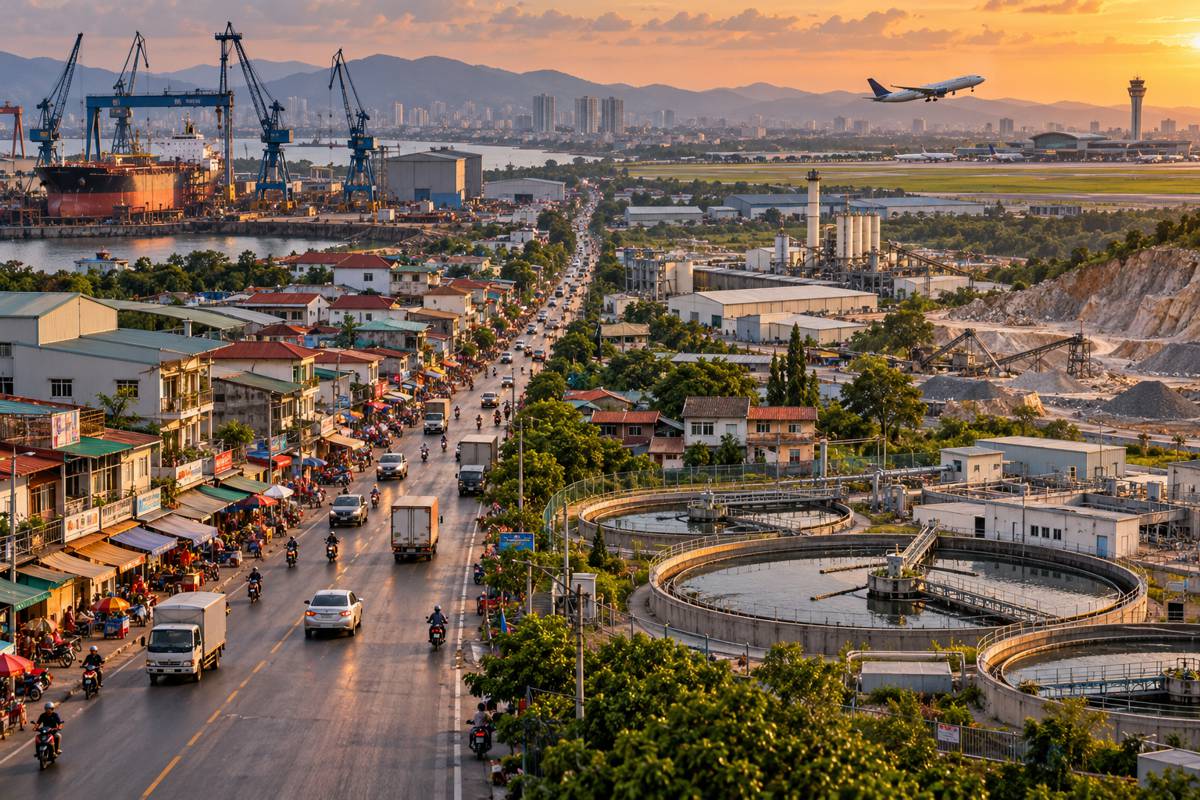
Southeast Asia’s transport networks are undergoing one of the fastest transformations anywhere in the world. Rapid urbanisation, growing vehicle ownership, and ambitious infrastructure investment are reshaping how cities manage traffic, safety, and mobility systems. The global mobility technology platform Intertraffic has announced a major expansion into the region with the launch of Intertraffic Asia, scheduled to take place in Bangkok from 28 to 30 April 2027.
The new event represents a strategic milestone for the Intertraffic portfolio, which already hosts established exhibitions in Amsterdam, Mexico and China. By establishing a dedicated Southeast Asian platform, the organisers aim to connect governments, infrastructure developers, technology providers, and urban mobility planners addressing the region’s rapidly evolving transport challenges.
The announcement was formally unveiled during Intertraffic Amsterdam in March 2026, signalling a deliberate shift towards emerging mobility markets where infrastructure development is accelerating. For policymakers and industry leaders alike, the decision reflects growing recognition that Southeast Asia will play a central role in the next phase of global mobility innovation.
Southeast Asia’s Infrastructure Boom Driving Demand for Mobility Solutions
Southeast Asia’s economic growth has triggered large-scale investment in roads, rail, logistics corridors, and urban transit networks. According to the Asian Development Bank, infrastructure spending across the region needs to exceed US$210 billion annually through 2030 to keep pace with economic expansion, urbanisation and climate resilience goals.
Much of this investment is directed at urban mobility. Cities such as Bangkok, Jakarta, Ho Chi Minh City and Manila are facing severe congestion, rising accident rates, and mounting environmental pressures. Governments are responding with integrated transport strategies that combine physical infrastructure with digital technologies such as intelligent transport systems, traffic management platforms, and smart mobility services.
These developments are creating substantial demand for the kinds of technologies traditionally showcased at Intertraffic events. Traffic control systems, digital enforcement tools, smart parking solutions, and connected mobility platforms are becoming critical components of modern transport networks.
Nynke Lipsius, Group Director Mobility at RAI Amsterdam, highlighted the significance of the regional expansion: “Intertraffic’s expansion to Bangkok marks an important step in addressing Southeast Asia’s mobility challenges. The region’s fast-paced development demands innovative, sustainable solutions. Governments across the region are making long-term investments in traffic and incident management, intelligent transport systems, public transport expansion, urban logistics, and sustainable mobility solutions. These developments create strong opportunities for international and regional technology providers active within the Intertraffic ecosystem. Our presence in Bangkok will foster collaboration and knowledge exchange, accelerating a route to smart, safe, and sustainable mobility for all.”
The scale of these infrastructure programmes means the region is no longer simply a consumer of global mobility technologies. Increasingly, Southeast Asian governments and companies are becoming active participants in shaping the next generation of transport solutions.
Bangkok Positioned as a Strategic Mobility Gateway
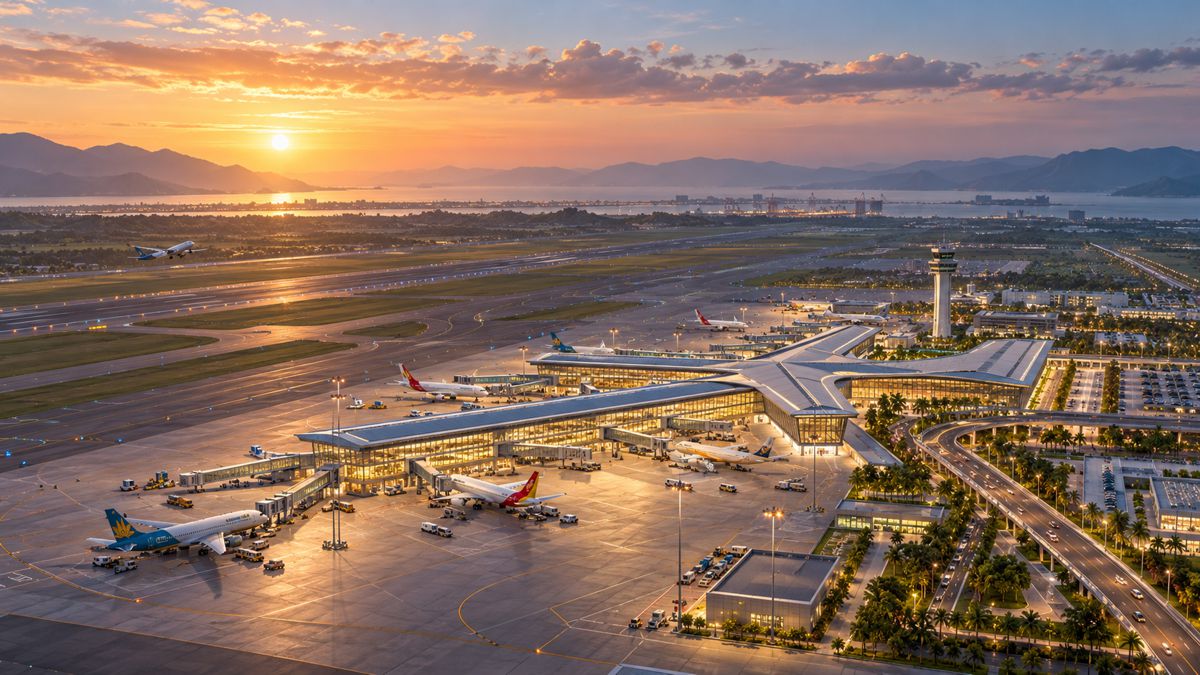
Selecting Bangkok as the host city was far from accidental. Thailand has been investing heavily in transport infrastructure over the past decade, with projects ranging from metro expansions and high speed rail corridors to new motorway networks and logistics hubs.
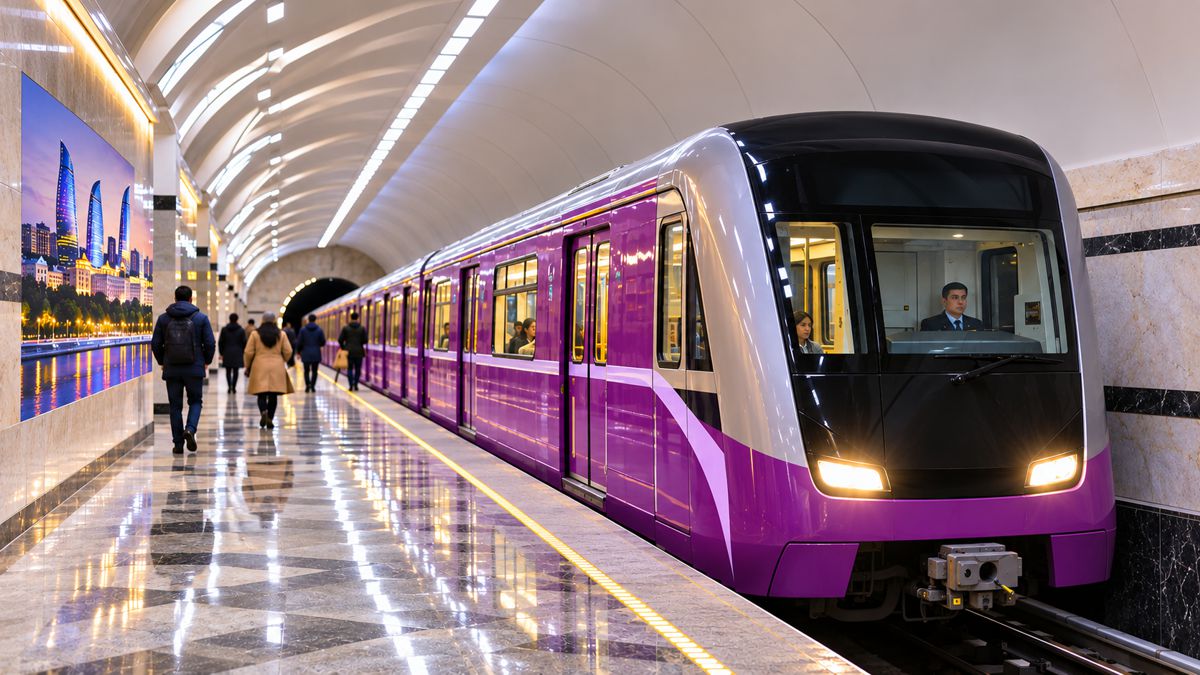
The Thai government’s long term transport development strategy places strong emphasis on modernising urban mobility and reducing congestion in major cities. Bangkok itself has seen major expansions of its BTS Skytrain, MRT metro system, and expressway network, alongside ongoing initiatives to deploy smart traffic management technologies.
The city’s geographic position also makes it an effective gateway to the wider ASEAN market. Located at the heart of Southeast Asia, Bangkok provides convenient access to decision makers and infrastructure stakeholders from Thailand, Malaysia, Indonesia, Vietnam, Singapore, and neighbouring economies.
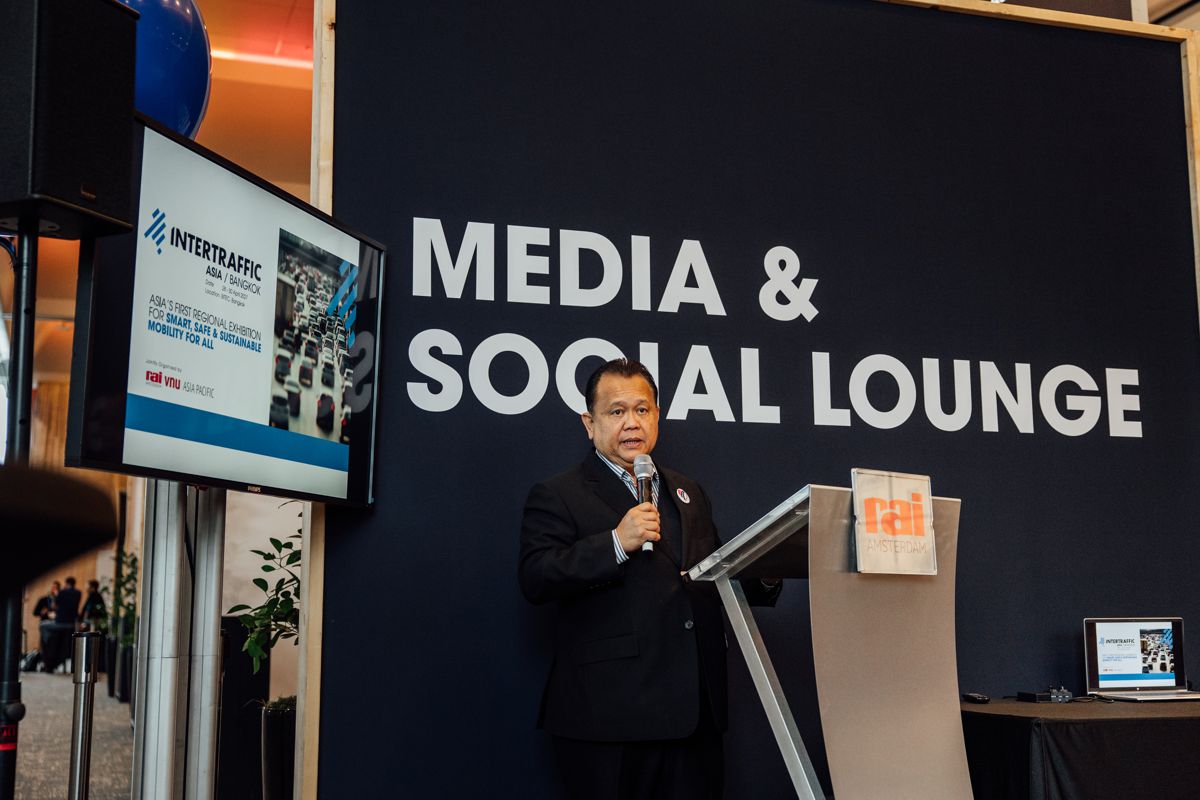
Remco van Wijngaarden, Ambassador of the Kingdom of the Netherlands to Thailand, welcomed the initiative: “On behalf of the Embassy of the Kingdom of the Netherlands in Bangkok, I warmly welcome the launch of Intertraffic Asia. The Netherlands and Thailand share a strong commitment to building safe, smart, and sustainable mobility systems that support economic growth and improve quality of life. As cities across the ASEAN region continue to evolve, platforms like Intertraffic Asia are essential to connect governments, industry leaders, and innovators to jointly accelerate practical solutions in traffic management, road safety and intelligent transport systems. I look forward to seeing this initiative strengthen partnerships between our regions, create new opportunities for the Dutch mobility sector, and contribute to safer and more liveable cities across Asia.”
Such diplomatic and commercial collaboration is a hallmark of large mobility exhibitions, which often serve as catalysts for cross border technology partnerships and infrastructure projects.
Partnership Between RAI Amsterdam and VNU Asia Pacific
Delivering a large international exhibition in Southeast Asia requires both global reach and strong regional expertise. To achieve that balance, Intertraffic’s organisers have partnered with VNU Asia Pacific, a Bangkok headquartered events company with extensive experience in the Asian exhibition market.
The collaboration brings together RAI Amsterdam’s international network of mobility technology companies and policymakers with VNU Asia Pacific’s local industry connections and market knowledge. This combination is expected to ensure the event reflects the specific transport challenges facing Southeast Asian cities.
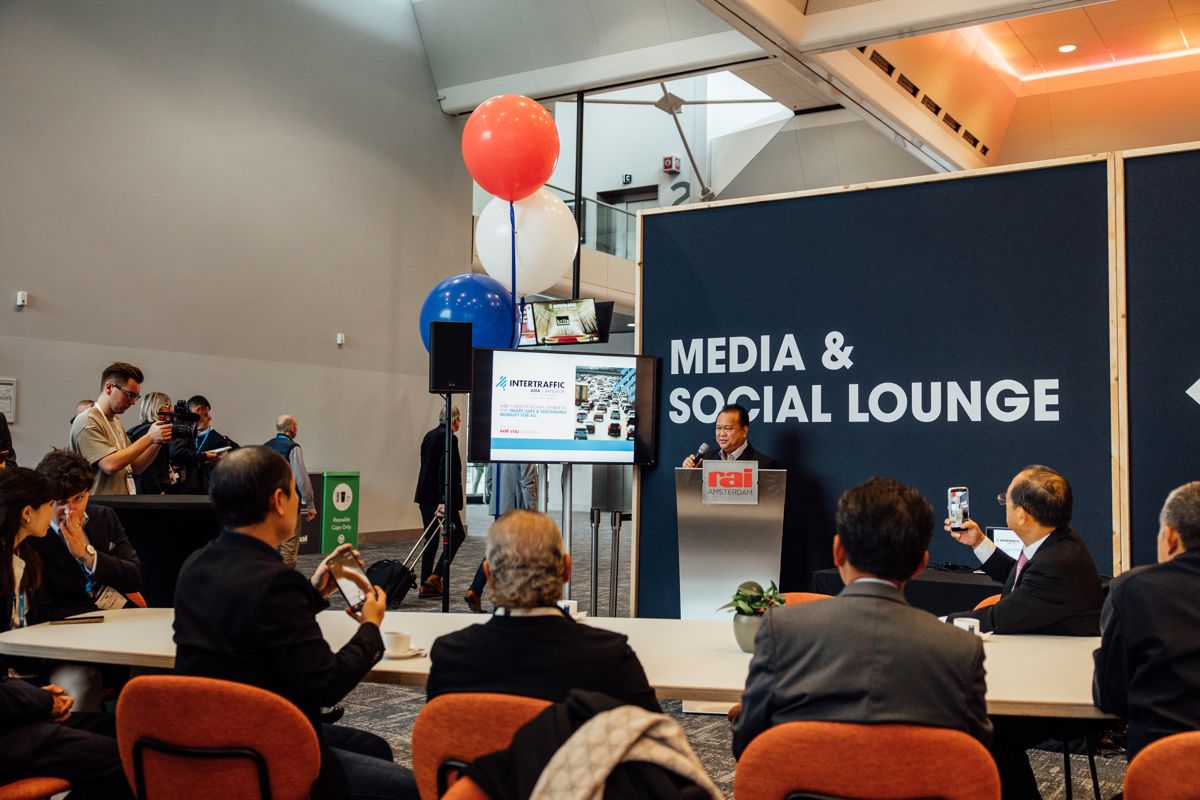
Ms. Panadda Kongma, Vice-President Business at VNU Asia Pacific, emphasised the regional importance of the initiative: “Thailand is rapidly positioning itself as a regional hub for mobility and infrastructure development, making Bangkok the ideal location to launch Intertraffic Asia. With strong investment in intelligent transport systems, road infrastructure, and smart urban solutions, the country offers significant opportunities for global innovators and regional stakeholders alike.”
She continued: “As part of a global organization headquartered in the Netherlands, with our Bangkok office driving market development across Asia for more than a decade, VNU Asia Pacific combines international expertise with deep regional insight. Together with RAI Amsterdam, we are confident in building Intertraffic Asia in Bangkok into Southeast Asia’s leading platform across traffic management and C-ITS, road safety and enforcement technologies, parking management, road infrastructure, and smart mobility, connecting global innovation with the region’s evolving transport challenges and opportunities.”
The joint venture approach mirrors how many international infrastructure exhibitions are expanding into emerging markets, pairing global brands with regional event specialists.
A Marketplace for Smart Mobility Technologies
Since its launch in 1972, Intertraffic has evolved into one of the most influential global marketplaces for mobility technology. The events attract public sector authorities, infrastructure operators, engineering companies, technology developers, and investors involved in transport systems.
The exhibition format typically combines three core elements that organisers describe as the event’s “business trinity”:
- In depth knowledge exchange on emerging transport trends
- Demonstrations of the latest traffic and mobility technologies
- Direct networking opportunities between policymakers and technology providers
These components are especially valuable in regions where governments are actively planning large infrastructure programmes. Technology providers gain early access to decision makers, while policymakers gain exposure to proven solutions from around the world.
Intertraffic Asia is expected to showcase technologies across several major sectors:
- Intelligent Transport Systems and connected mobility platforms
- Traffic management and incident response solutions
- Road safety and digital enforcement technologies
- Smart parking systems and urban logistics platforms
- Road infrastructure monitoring and digital asset management
These sectors are becoming increasingly interconnected as cities adopt integrated mobility management systems powered by data, sensors and artificial intelligence.

The Rising Importance of Intelligent Transport Systems
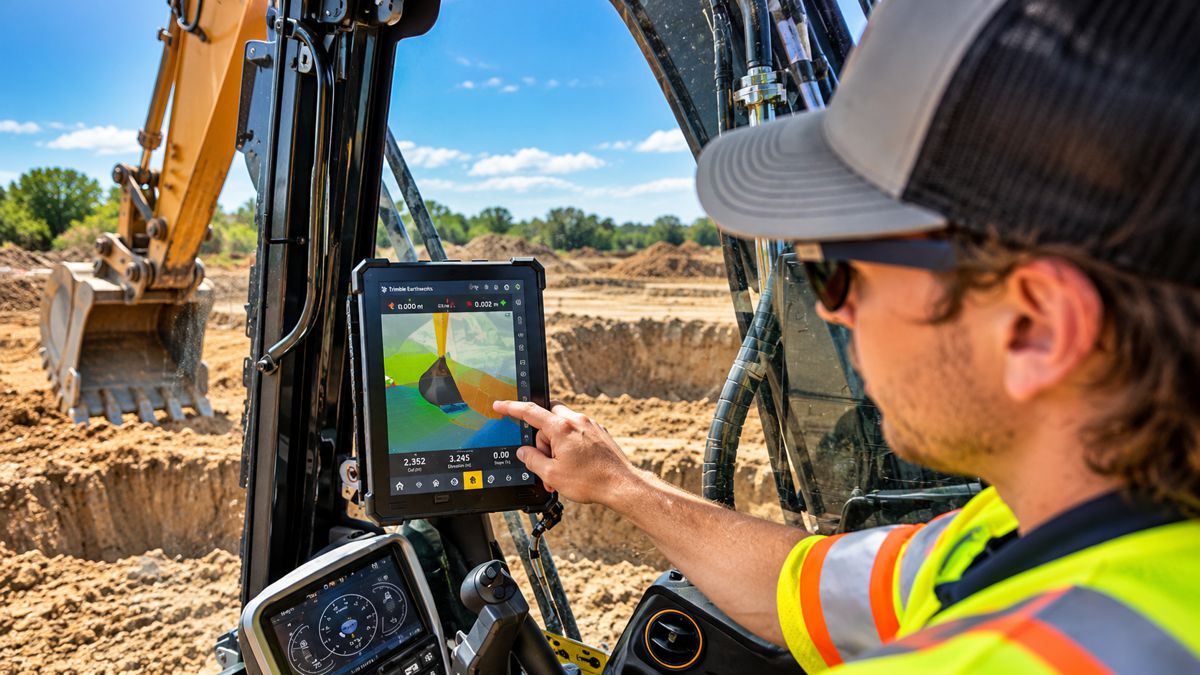
One of the fastest growing areas in modern transport infrastructure is Intelligent Transport Systems (ITS). These technologies combine sensors, cameras, communication networks and analytics platforms to monitor traffic conditions in real time and optimise road network performance.
Global investment in ITS is accelerating. Market research from MarketsandMarkets estimates the ITS sector could exceed US$68 billion by 2028, driven by demand for traffic efficiency, road safety improvements and emissions reduction.
In Southeast Asia, ITS deployments are becoming central to urban transport planning. Cities are implementing systems that dynamically manage traffic signals, monitor congestion patterns, and coordinate emergency response operations.
Bangkok itself has been expanding its use of traffic monitoring cameras and adaptive signal control systems to manage congestion on major arterial routes. Similar initiatives are underway in cities such as Singapore and Kuala Lumpur, where integrated mobility platforms combine public transport data, traffic management systems and digital services for commuters.
Events like Intertraffic Asia provide a forum for these technologies to be evaluated and adopted more rapidly across the region.
Strengthening International Mobility Collaboration
The launch of Intertraffic Asia also highlights the increasing globalisation of mobility innovation. Solutions developed in one region are often adapted for use elsewhere, particularly as cities face similar challenges related to congestion, safety and sustainability.
European transport technology companies, for example, have long played a role in developing traffic management platforms, road safety systems and digital enforcement technologies. Southeast Asia’s expanding infrastructure programmes offer new opportunities for these solutions to be deployed at scale.
At the same time, local companies in Asia are developing their own mobility innovations tailored to dense urban environments and rapidly growing cities. The exchange of ideas between these ecosystems often occurs through international events and industry platforms.
Intertraffic Asia therefore represents more than just another trade exhibition. It functions as a bridge between regions where mobility innovation is accelerating at different speeds.
A Platform for the Future of Urban Mobility
Urban mobility is entering a period of profound change. Electrification, automation, digital connectivity and data driven planning are reshaping how transport systems operate. Governments must balance economic growth with environmental sustainability, road safety and urban liveability.
For Southeast Asia, these challenges are particularly acute. The region’s cities are expanding rapidly, often faster than transport infrastructure can keep up. New approaches to traffic management and mobility planning are essential if urban networks are to remain efficient and safe.
By launching Intertraffic Asia in Bangkok, the organisers are positioning the event at the centre of these discussions. Policymakers, technology developers and infrastructure operators will gain a platform to exchange ideas, evaluate solutions and form partnerships.
In the coming years, that collaborative environment could help shape the next generation of mobility infrastructure across Southeast Asia and beyond.