Dangerous Trucking Practices Drive Up Highway Fatalities in Texas
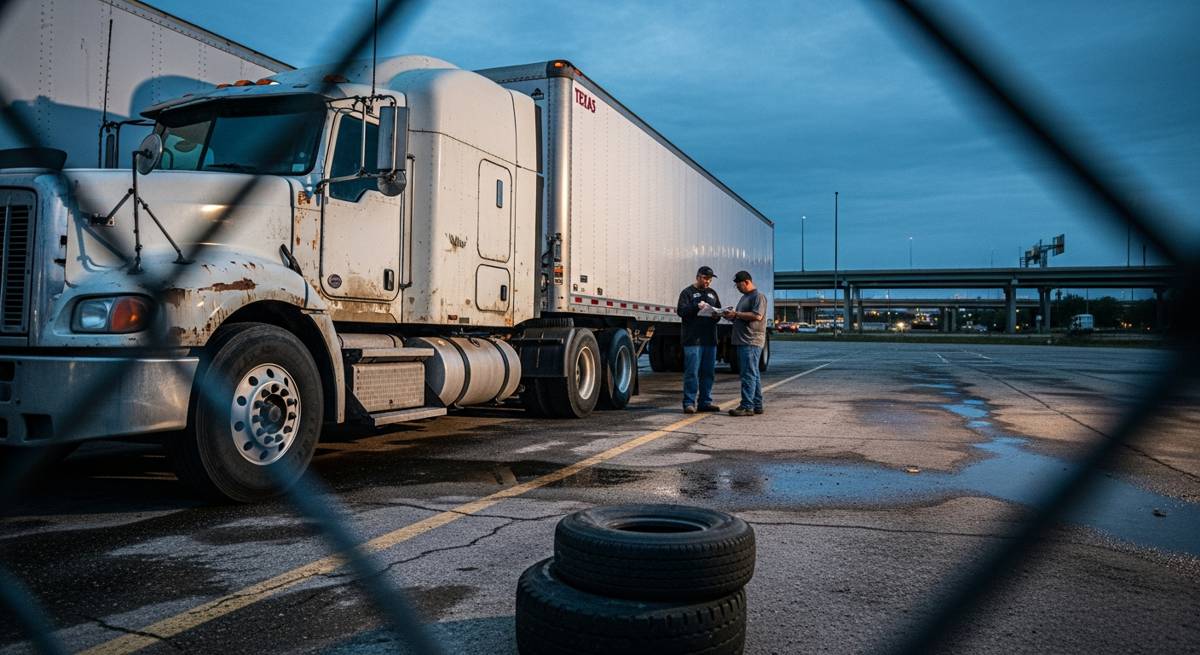
Texas leads the nation in traffic fatalities. A growing share of that crisis stems from “ghost fleets,” commercial trucks slipping through regulatory oversight cracks. Beyond the usual culprits like speeding and driver fatigue, a WFAA investigation has linked fraudulent carrier practices to rising death rates on corridors like I-35 and I-10.
These aren’t minor paperwork violations. Deceptive brokering schemes and shell-company tactics are putting unqualified drivers and unsafe vehicles on some of the busiest highways in the country. And the consequences are deadly.
The Rise of “Ghost Fleets”: How Unsafe Carriers Dodge Oversight
Most freight carriers follow federal rules. But a dangerous subset exploits loopholes to slash costs at the expense of public safety. These operations create “ghost fleets” that are hard to track, regulate, or hold accountable when things go catastrophically wrong.
By masking their identities and operating histories, they introduce serious (and often untraceable) risks into the supply chain. Texas highways bear the brunt.
Double Brokering
Double brokering is an illegal practice that breaks the chain of accountability in freight transportation. Here’s how it works: a shipper hires a vetted, reputable carrier to move a load. That carrier then secretly re-brokers the shipment to a cheaper, often unvetted operator, all without the shipper’s knowledge or consent.
This practice is becoming more common as freight traffic grows. The original shipper and broker lose all visibility. They don’t know who’s actually moving their goods, what the carrier’s safety record is, or whether adequate insurance is in place.
Chameleon Carriers
Chameleon carriers are trucking companies that game regulatory loopholes to erase a history of poor safety performance. When a carrier racks up enough violations, failed inspections, or accident reports, the FMCSA (Federal Motor Carrier Safety Administration) may issue an unsatisfactory rating that effectively shuts them down.
So what do they do? They dissolve the business, then re-register with the U.S. Department of Transportation under a brand-new name and DOT number. Same unsafe trucks. Same risky drivers. Same management. Clean slate.
Red Flags for Illicit Carriers
For shippers and logistics professionals, spotting these carriers before handing over a load can mean the difference between a safe delivery and disaster. Here are some common warning signs:
- Freight rates well below the market average
- Newly issued DOT authority with no track record
- No verifiable safety records or a history of frequent name changes
- Reluctance to use fleet tracking and telematics
- Personal email addresses and temporary phone numbers for business contacts
The Human Cost: Unqualified Drivers and Mechanical Failures
Double brokering and chameleon carriers aren’t just abstract business problems. They have real, life-threatening consequences on Texas highways. These schemes allow unqualified drivers and mechanically unsound vehicles to bypass the safety checks that legitimate carriers follow. The result? A direct line between fraudulent logistics and fatal collisions.
Unqualified Operators Behind the Wheel
Illicit carriers frequently hire drivers who’d be unemployable at legitimate companies due to failed background checks, moving violations, or inability to pass drug screenings. In a catastrophic I-35 pileup that killed five people, federal files revealed a DMV error allowed the truck driver to obtain a commercial license despite an expired work authorization.
In another deadly I-35 crash, the National Transportation Safety Board found the driver’s opportunities for sleep were significantly “reduced.” Driver fatigue remains one of the most persistent dangers on the road.
The Anatomy of a Catastrophic Collision
Physics doesn’t care about profit margins. A fully loaded 18-wheeler can weigh up to 80,000lbs and needs roughly 525 feet to stop at highway speeds; that’s nearly the length of two football fields.
When an unqualified driver is behind the wheel, or critical safety equipment like brakes fails, that weight becomes uncontrollable. And the people who pay the price are almost always in passenger vehicles. Occupants of smaller cars account for 65% of all fatalities in crashes involving large trucks.
Neglected Fleets and Equipment Failure
Carriers that cut corners on brokering and driver vetting almost certainly cut corners on maintenance, too. Ghost fleets often run older, poorly maintained trucks that wouldn’t pass a standard DOT inspection. Brake-related problems alone are cited as a factor in roughly 29% of all large truck accidents.
These aren’t freak mechanical failures. They’re the predictable outcome of a business model built on slashing costs wherever possible, safety included.
Cracks in the System: Regulatory Gaps and the Path Forward
The persistence of chameleon carriers and double brokering points to serious holes in the regulatory framework governing U.S. trucking. Federal agencies are tasked with oversight, but policing millions of commercial vehicles is a massive job. Bad actors have gotten very good at exploiting the gaps. So where does that leave enforcement?
A System Playing Catch-Up
A WFAA analysis found that federal safety enforcement actions dropped by 84% in the past year. Safety advocates called it a “dereliction of duty.” That kind of reduction creates a more permissive environment for non-compliant carriers, putting more pressure on shippers and brokers to handle their own due diligence.
How Illicit Carriers Exploit the Gaps
These carriers design their operations specifically to slip between safety requirements and actual enforcement. The table below shows how they bypass each safeguard:
| Safety Requirement | Standard Vetted Carrier | How Illicit Carriers Evade It |
|---|---|---|
| FMCSA safety rating | Publicly available, regularly monitored | Bypassed via “chameleon” tactics (shut down, reopen under a new name) |
| Insurance verification | Confirmed by broker or shipper before load assignment | Falsified documents or a lower-tier carrier used without the shipper’s knowledge |
| Driver vetting | Background checks, CDL verification, and drug screening | Hires unqualified or high-risk drivers rejected elsewhere |
| Equipment maintenance | Regular documented inspections and proactive repairs | Skips routine maintenance; uses older, failing equipment |
| Hours-of-service (HOS) logs | Strict adherence to electronic logging devices (ELDs) | Drivers may falsify logs or operate without proper ELDs |
Strengthening the Supply Chain
Closing these gaps takes both stronger policy and better technology. In Texas, there’s a growing push for stricter digital logging rules to keep drivers compliant with hours-of-service regulations. Plus, platforms that authenticate carriers and track freight in real time are becoming indispensable for brokers and shippers who want to know exactly who’s handling their loads.
This shift toward data-driven logistics mirrors what’s happening in other sectors. The Connected Jobsite Revolution in construction, for example, shows how real-time information can improve both efficiency and safety across an entire industry.
Reinforcing the Chain of Responsibility
The truck-related fatality rate in Texas isn’t just a string of isolated accidents. It’s a symptom of systemic failure in accountability. Double brokering and chameleon carriers have created a shadow market in the freight industry, one that puts the public directly at risk. The consequences show up in the rising death toll on the state’s busiest highways, leaving families to cope with tragedies that didn’t have to happen.
Highway safety is a shared responsibility, stretching from federal regulators to every private company in the supply chain. Shippers, brokers, and fleet operators need to adopt more rigorous vetting and use technology to gain full visibility into their logistics networks. But real change won’t come from enforcement alone. The industry itself has to close the loopholes that bad actors exploit.
Programs like Safe Driver 2025 highlight the kind of focus that’s needed. The future of safe freight transportation depends on a commitment to transparency and accountability from every link in the chain.