Teaching Large-Scale 3D Printers to Think on Their Feet
Large-scale additive manufacturing has long promised to reshape how infrastructure, transportation and industrial equipment are designed and produced. From customised building components and marine moulds to aerospace structures and vehicle body panels, the ability to manufacture large composite parts directly from digital models offers compelling advantages in speed, flexibility and material efficiency. Yet one stubborn challenge continues to limit wider industrial adoption: quality control during the printing process itself.
Researchers at the U.S. Department of Energy’s Oak Ridge National Laboratory (ORNL) have now taken a significant step towards solving that problem. The team has developed an intelligent control system capable of detecting and correcting manufacturing defects in real time while large plastic composite components are being printed. Rather than relying on constant human supervision, the system continuously monitors the printing process, identifies deviations and automatically adjusts operating conditions to maintain quality.
The development represents more than an incremental improvement in additive manufacturing. It reflects a broader industrial shift towards autonomous production systems that combine artificial intelligence, machine vision and digital twins to optimise manufacturing outcomes without direct operator intervention. For sectors ranging from construction and transportation to defence and advanced manufacturing, the implications could be considerable.
Briefing
- ORNL researchers have developed a real-time control system for large-scale 3D printing that automatically detects and corrects temperature-related defects.
- The technology combines thermal imaging, computer vision, machine learning and digital twin modelling.
- The system adjusts printing speeds automatically to maintain optimal layer temperatures and improve bonding quality.
- Unlike many AI-driven manufacturing systems, the controller does not require retraining for every new component design.
- The technology could help reduce waste, lower production costs and accelerate adoption of large-format additive manufacturing across multiple industries.
Moving Beyond Passive Monitoring
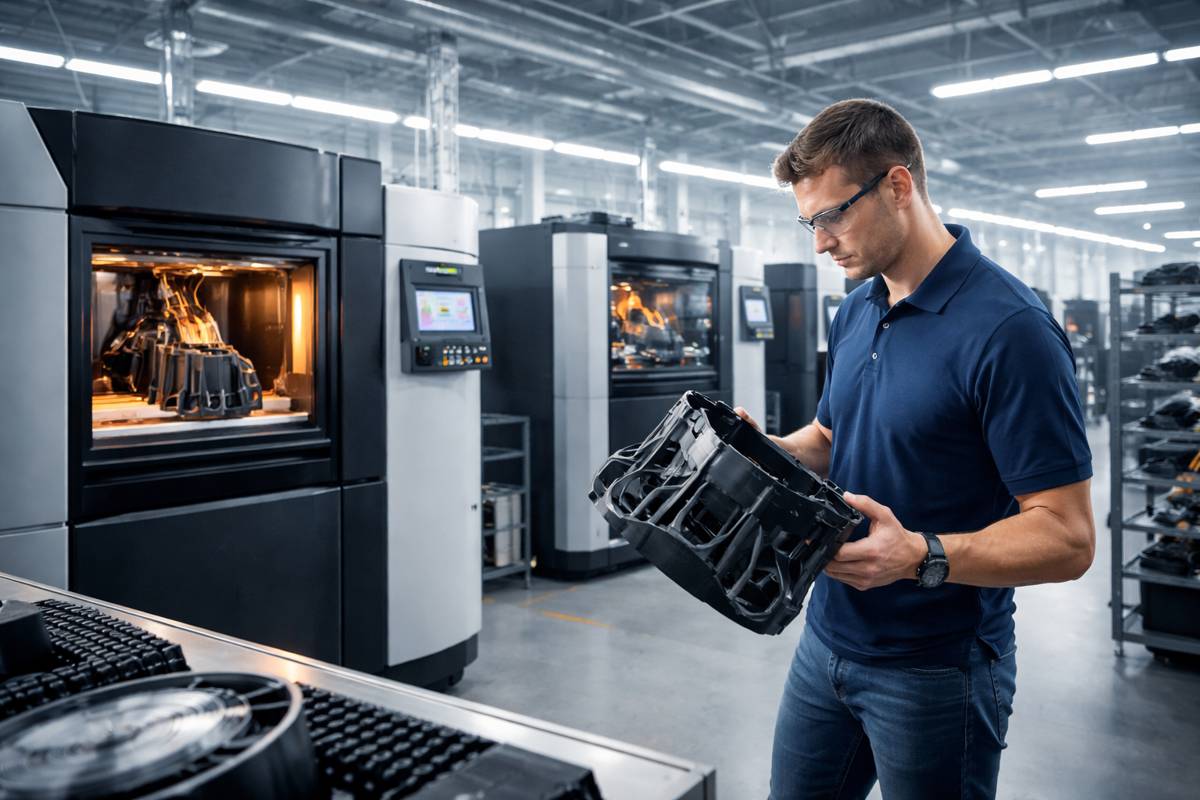
Industrial additive manufacturing has matured rapidly over the past decade. Large-area additive manufacturing systems can now fabricate components measuring several metres in length using reinforced thermoplastic composites. These machines are increasingly used to create tooling, moulds, transportation components and even structural building elements.
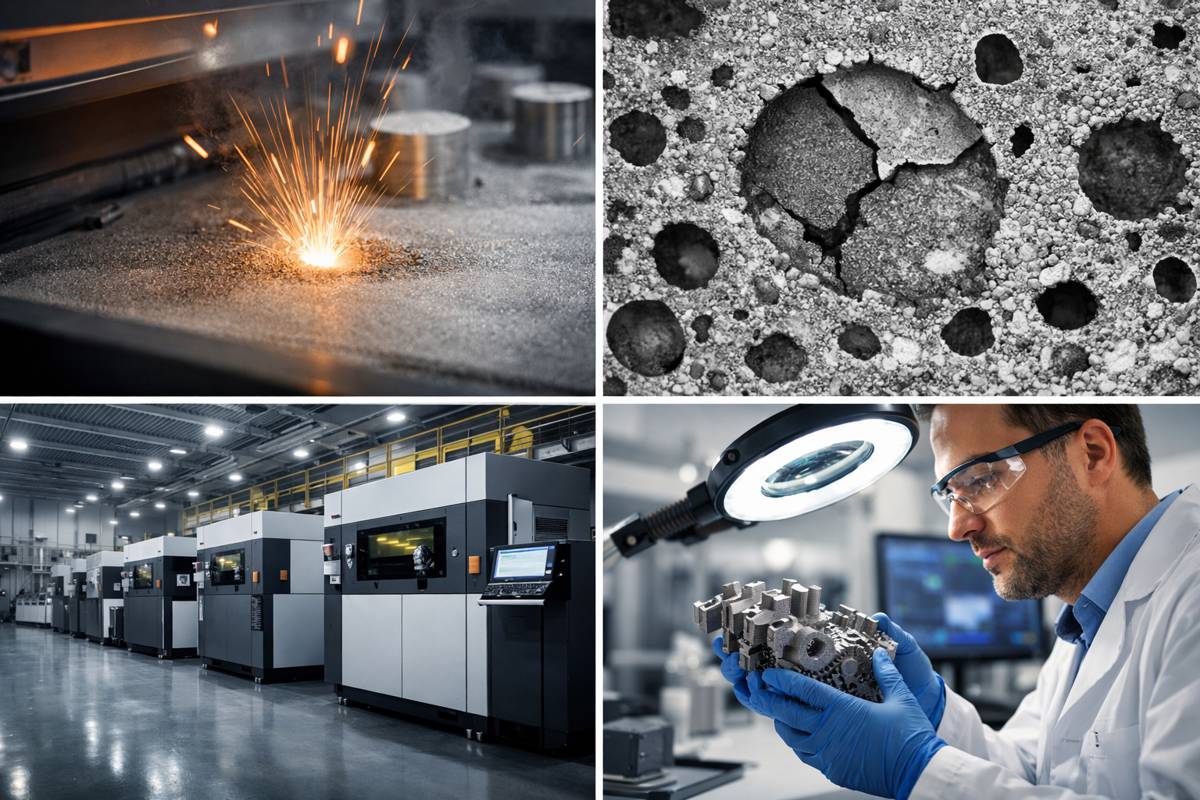
However, producing large parts consistently remains a delicate balancing act. During printing, molten composite material must remain sufficiently hot to bond effectively with previous layers while cooling quickly enough to maintain dimensional stability. Even small temperature variations can compromise structural integrity, resulting in weak interlayer adhesion, distortion or outright print failures.
Traditionally, operators monitor these variables manually, adjusting machine parameters when conditions drift outside acceptable limits. While effective, this approach demands constant attention and considerable expertise. As production volumes increase and component geometries become more complex, relying solely on human intervention becomes increasingly impractical.
ORNL’s new controller aims to remove much of that burden. Instead of merely identifying defects after they occur, the system actively manages the printing process as it unfolds, intervening automatically whenever conditions begin to move away from target values.
Computer Vision Takes Centre Stage
At the heart of the new system lies computer vision technology, a branch of artificial intelligence that enables machines to interpret and analyse visual information.
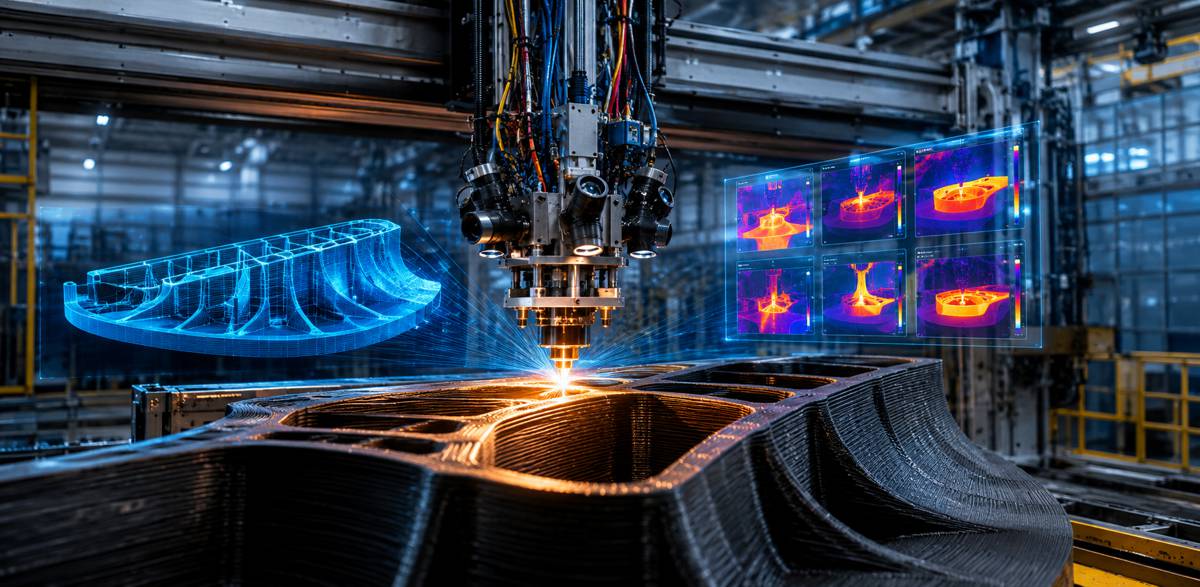
The ORNL team equipped a large-format composite printer with an array of sensors measuring nozzle position, material temperature and print speed. To strengthen situational awareness, researchers added six low-cost thermal cameras arranged around the printing nozzle. These cameras continuously observe newly deposited material as it cools.
Computer vision algorithms analyse live thermal imagery, identifying both the location and temperature of freshly deposited material. When temperatures deviate from predetermined targets, the controller responds immediately by adjusting operational parameters, particularly print speed.
By slowing or accelerating deposition rates, the system can ensure each layer reaches the desired thermal condition before the next layer is applied. This helps preserve both geometric accuracy and structural integrity.
As project lead researcher Kris Villez explained: “It is novel that our controller can sense what is happening and react in real time. It controls the process almost like a human would: by observing and nudging the setting until it reaches the desired outcome.”
Demonstrating Real-Time Error Correction
To validate the concept, researchers conducted full-scale testing using a large hexagonal print measuring more than the diameter of a truck tyre.
The trial deliberately began under challenging conditions. Printing started at a speed that caused deposited material to cool excessively before subsequent layers were applied. Temperature measurements indicated the material was approximately 30 per cent cooler than desired.
Rather than requiring operator intervention, the controller recognised the discrepancy automatically. It responded by increasing print speed to restore optimal thermal conditions and maintain proper fusion between layers.
The demonstration highlighted one of the most valuable aspects of autonomous manufacturing systems: their ability to adapt dynamically to changing process conditions. Instead of following fixed instructions regardless of circumstances, the machine continuously evaluates outcomes and modifies its behaviour accordingly.
University of Tennessee graduate researcher Chris O’Brien noted that the system can identify temperature deviations of only a few degrees. Such sensitivity is particularly important because seemingly minor thermal variations frequently contribute to failed additive manufacturing builds.
Digital Twins Strengthen Manufacturing Intelligence
One of the more sophisticated aspects of the project involves the use of machine learning to create a digital twin of the manufacturing process.
Digital twins have become increasingly important throughout industrial operations. These virtual replicas simulate physical systems using real-world operational data, allowing engineers to evaluate performance, test modifications and optimise outcomes without disrupting production.
In the ORNL project, machine learning algorithms help construct a virtual representation of the printing process. Researchers can then conduct experiments within the digital environment before implementing changes on physical equipment.
The benefits extend beyond research laboratories. Manufacturers adopting similar systems could potentially evaluate new materials, optimise process parameters and validate novel component geometries before committing valuable machine time and raw materials.
Across the broader manufacturing sector, digital twin adoption continues to accelerate. Analysts at firms such as Gartner and Deloitte have identified digital twins as a critical enabling technology for Industry 4.0 initiatives, supporting predictive maintenance, operational optimisation and autonomous decision-making across production environments.
ORNL’s integration of digital twin technology directly into additive manufacturing control systems demonstrates how these concepts are beginning to converge within practical industrial applications.
Reducing Waste and Strengthening Competitiveness
Manufacturing waste remains a significant concern throughout industrial production. Failed prints consume material, machine capacity and labour while increasing production costs and extending delivery schedules.
Large-format additive manufacturing systems amplify these challenges because the components involved can require many hours or even days to complete. Discovering a defect near the end of a lengthy production run can be particularly expensive.
Real-time correction capabilities offer a practical solution. By identifying problems as they emerge and correcting them immediately, manufacturers can reduce scrap rates while improving process consistency.
For domestic manufacturing industries, the economic implications are substantial. Improved reliability makes additive manufacturing more attractive for high-value production applications where quality assurance remains paramount. Greater process stability can also shorten qualification cycles and accelerate commercial adoption.
These advantages align closely with wider efforts across the United States, Europe and Asia to strengthen advanced manufacturing capabilities and enhance industrial competitiveness through digital technologies.
Building on Years of Research
The latest development did not emerge in isolation. It represents the culmination of several years of collaborative research involving ORNL, Purdue University, the University of Maine and the University of Tennessee.
Previous investigations demonstrated how thermal imaging combined with statistical modelling could improve fault detection in large-scale additive manufacturing. More recent studies confirmed that these approaches could reliably identify print speed variations as small as 15 per cent from programmed settings.
The new controller advances beyond fault detection by introducing automatic corrective action. Instead of simply notifying operators that something has gone wrong, the system actively works to prevent defects from occurring.
This progression mirrors broader trends within industrial automation. Early monitoring systems focused primarily on visibility and reporting. Modern intelligent systems increasingly incorporate predictive analytics, adaptive control and autonomous decision-making capabilities.
As artificial intelligence technologies mature, manufacturers are steadily moving from reactive quality management towards proactive and ultimately autonomous process optimisation.
Expanding Possibilities for Construction and Infrastructure
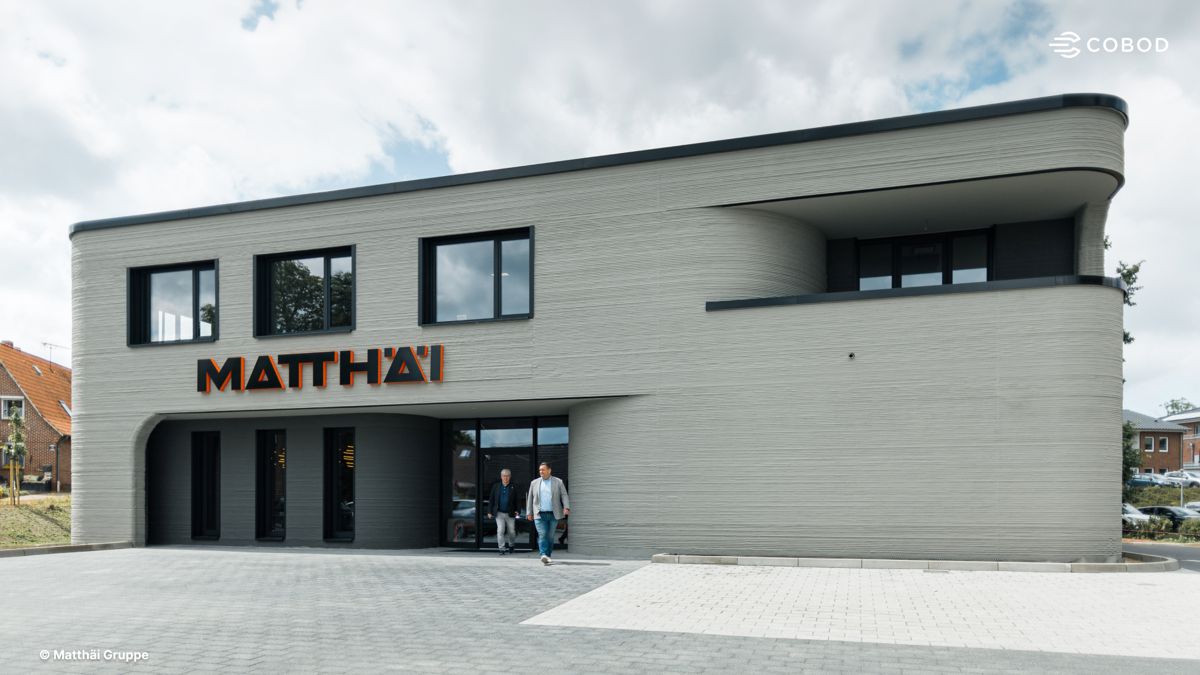
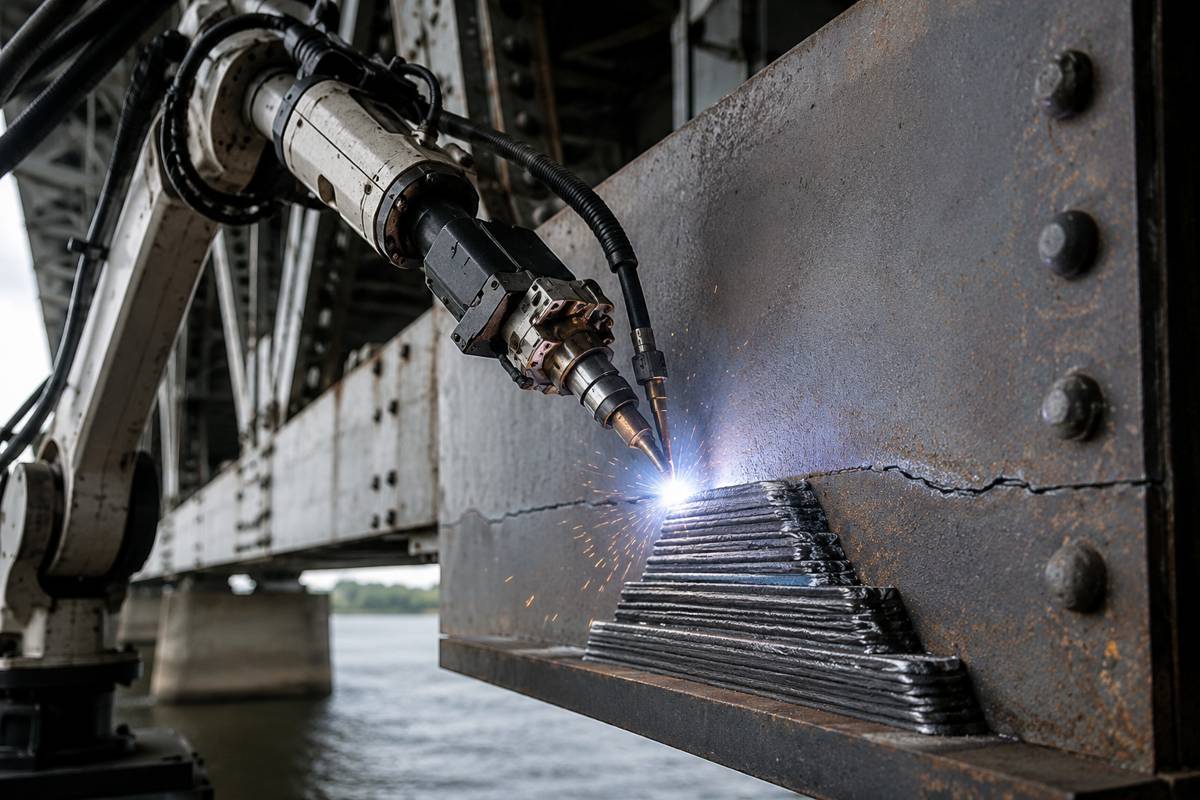
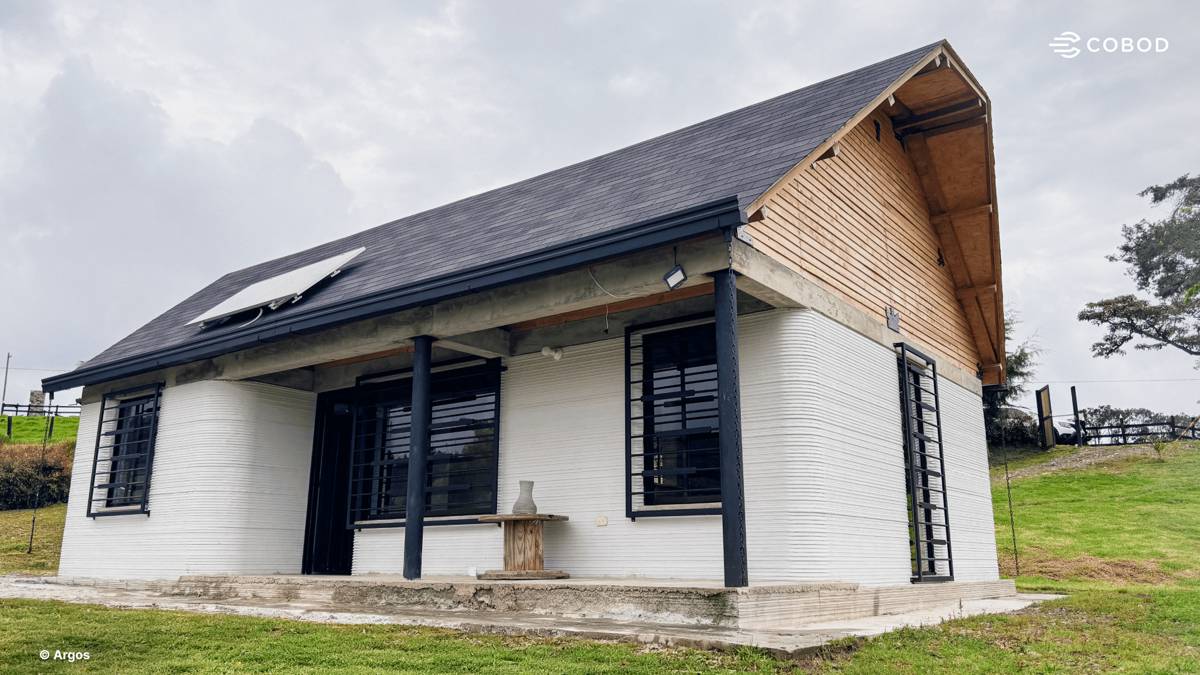
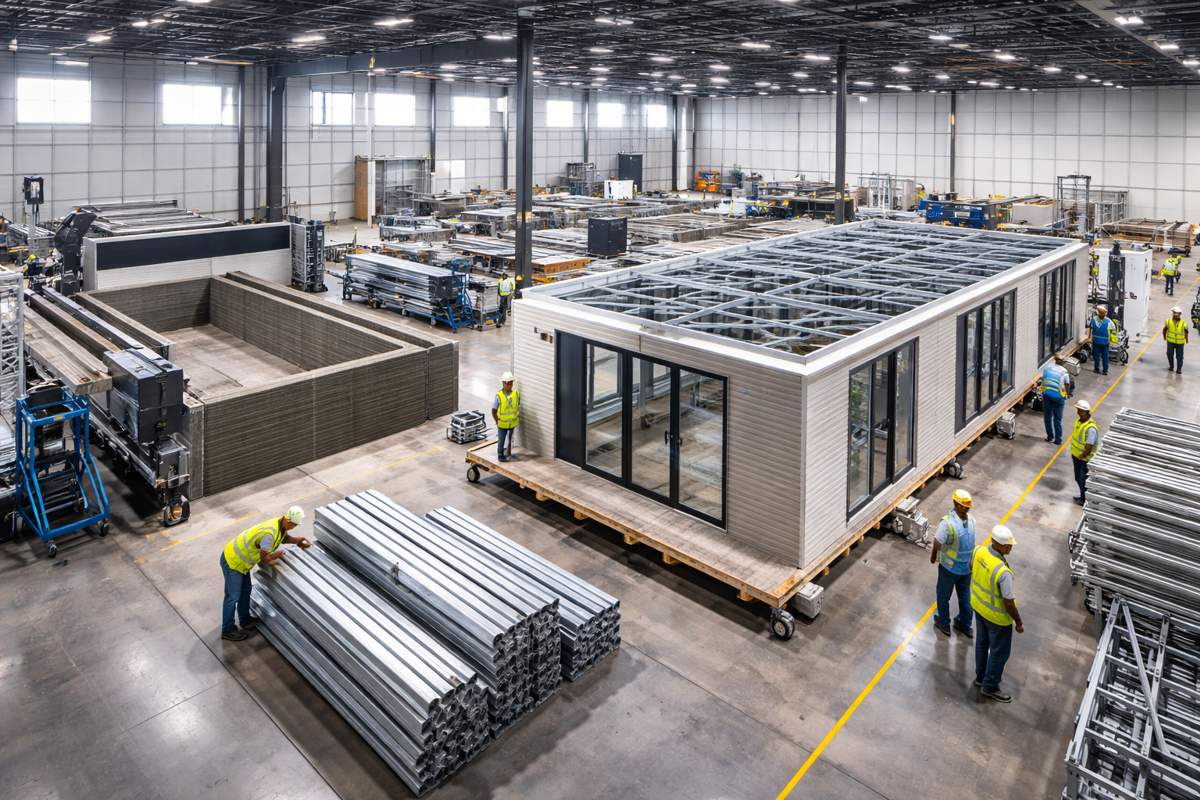
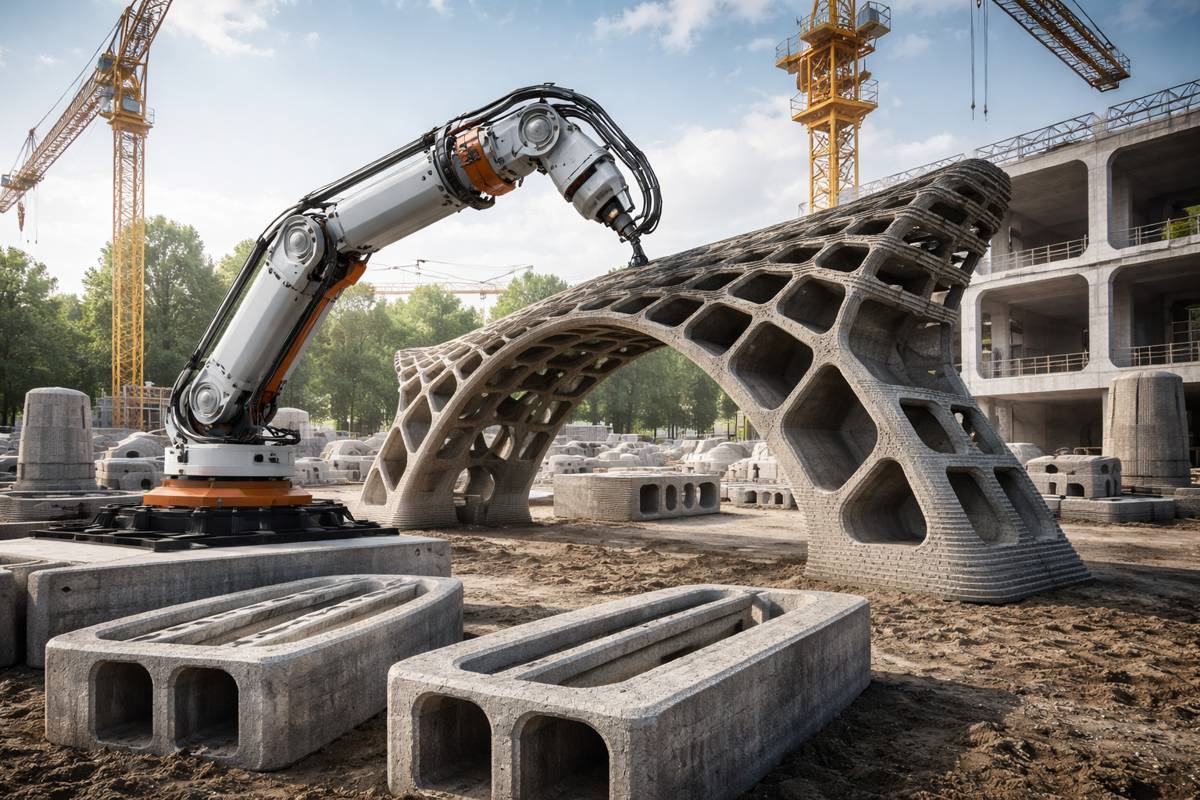
The potential applications extend far beyond manufacturing laboratories. Large-scale additive manufacturing is already attracting attention across the construction sector, where companies are exploring printed building components, formwork systems, bridge elements and modular structures. Improved process control could increase confidence in these applications while supporting certification and regulatory approval efforts.
Marine industries may benefit through more efficient production of boat hull moulds and specialised composite structures. Transportation manufacturers could use similar systems to fabricate lightweight vehicle components with greater consistency. Logistics operators may eventually deploy additively manufactured refrigerated container components designed for specific operational requirements.
Perhaps most importantly, autonomous quality control helps address one of the industry’s ongoing labour challenges. Skilled additive manufacturing operators remain in short supply worldwide. Systems capable of monitoring and optimising themselves reduce dependence on constant expert oversight, allowing highly trained personnel to focus on higher-value engineering and process improvement activities.
A Future of Self-Regulating Manufacturing
The trajectory of industrial automation increasingly points towards machines capable of managing themselves with minimal intervention.
Villez illustrated this vision through a simple comparison: “There is a vast opportunity space to make these machines more intelligent and more responsive. In the end, we’d love this to work like baking bread: You set the oven temperature, put in your dough, and return when the timer goes off to see if it’s done. You don’t have to monitor the oven temperature in real time throughout the baking.”
That objective may still require further development, but ORNL’s latest achievement demonstrates meaningful progress towards autonomous manufacturing systems that can observe, analyse and act independently.
As additive manufacturing moves deeper into mainstream industrial production, intelligent control technologies like these may prove just as important as advances in printers, materials or design software. The ability to guarantee quality automatically could become the factor that transforms large-scale 3D printing from a promising technology into a standard manufacturing tool across construction, transportation and advanced industrial sectors worldwide.