Turning 5G Networks into Intelligent Infrastructure for Real World AI
The convergence of telecommunications and artificial intelligence has been discussed for years, yet practical deployment at scale has remained elusive. Now, a collaboration between NVIDIA, T-Mobile and Nokia signals a tangible shift. Rather than treating networks as mere conduits for data, this initiative positions them as active computing platforms capable of hosting and executing AI workloads at the edge.
At the centre of this development lies a broader ambition to enable what the industry increasingly refers to as physical AI. Unlike generative AI confined to text and images, physical AI interacts with the real world through sensors, cameras and machines. That shift matters enormously for construction, transport and infrastructure, where decisions often need to be made in real time and under complex operating conditions.
For infrastructure operators, the implications are hard to ignore. If networks can process data where it is generated rather than sending everything to distant cloud servers, latency drops, reliability improves and entirely new applications become viable. In short, the network begins to resemble a distributed nervous system for the built environment.
Why AI RAN Matters for Infrastructure and Construction
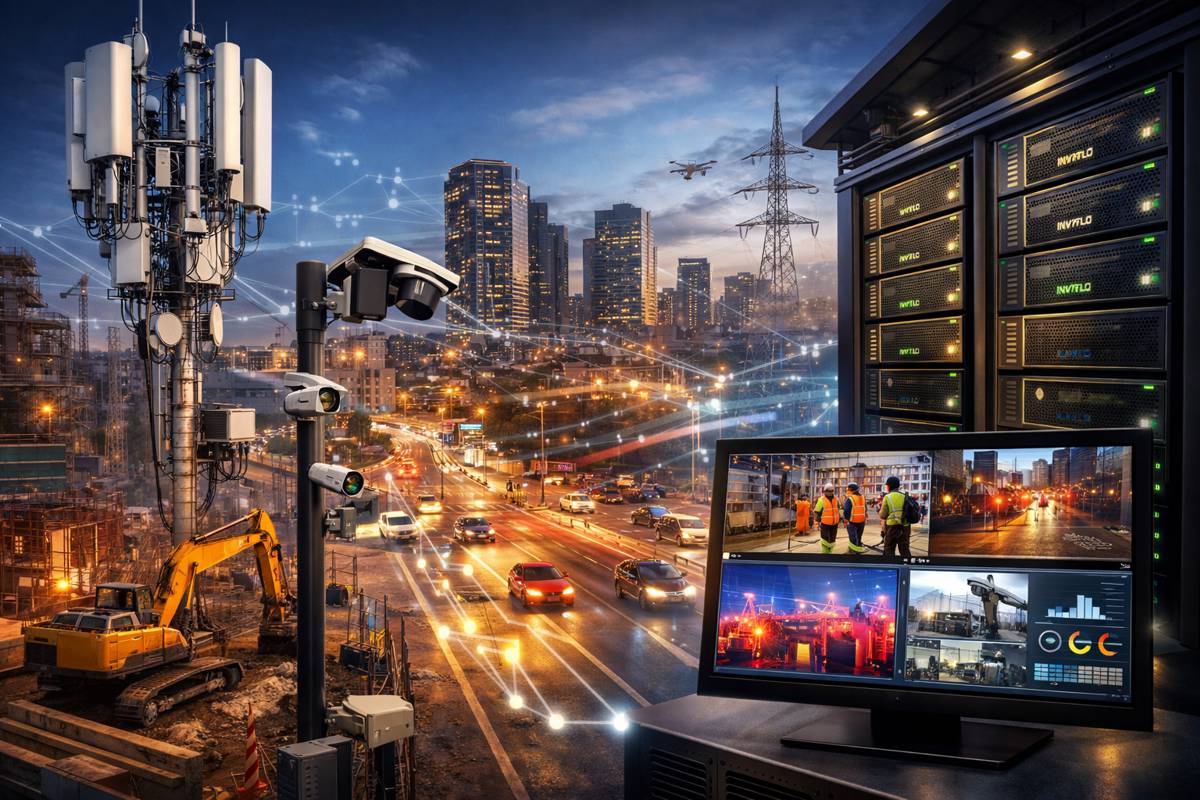
The concept of AI RAN, or Artificial Intelligence Radio Access Network, represents a structural evolution of telecom architecture. Traditionally, radio access networks have focused on delivering connectivity. With AI RAN, those same networks are augmented with accelerated computing, effectively turning them into distributed data centres.
This shift addresses a long-standing constraint in deploying advanced AI across infrastructure. High performance AI models require significant compute resources, yet many environments such as construction sites, highways or remote utilities lack the hardware or connectivity needed to support them. By embedding compute into the network itself, AI RAN bridges that gap.
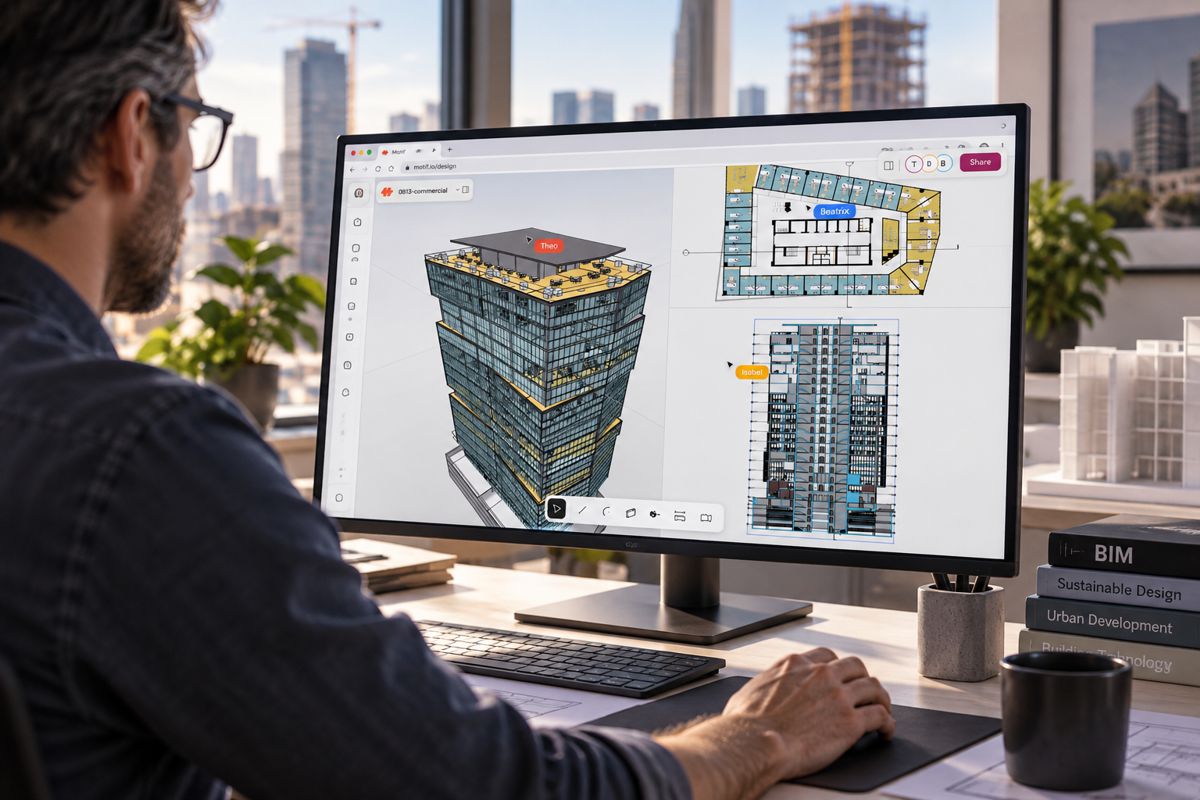
For construction professionals, this is more than a technical upgrade. It creates a pathway for real time monitoring of sites, predictive safety systems and automated inspection workflows. Instead of relying on periodic checks or delayed reporting, project teams can access continuous intelligence drawn directly from the field.
Moreover, the economic case is compelling. Offloading heavy computation to edge infrastructure reduces the need for expensive hardware at each endpoint. Cameras, drones and sensors can become lighter, cheaper and easier to deploy, accelerating adoption across large scale infrastructure projects.
From Connectivity to Computation at the Network Edge
A critical element of this collaboration is the deployment of advanced accelerated computing platforms within telecom infrastructure. NVIDIA’s AI RAN portfolio includes systems designed for both constrained environments such as cell sites and more powerful installations at mobile switching offices.
These systems allow AI workloads to be processed close to where data is generated. For applications like traffic management or construction safety monitoring, milliseconds can make the difference between a near miss and an incident. Edge computing ensures that analysis happens fast enough to support immediate action.
Equally important is network reliability. While Wi Fi has enabled many digital applications, it struggles with coverage, security and consistency at scale. By contrast, standalone 5G networks provide wide area coverage and quality of service guarantees, making them suitable for mission critical operations across cities, transport corridors and industrial sites.
This architecture also introduces a degree of flexibility that has been missing from traditional infrastructure systems. Developers can deploy AI services dynamically across the network, scaling resources up or down depending on demand. That capability aligns closely with the unpredictable nature of construction and infrastructure operations, where workloads can shift rapidly.
Real World Use Cases Taking Shape
The collaboration is already moving beyond theory, with a growing ecosystem of developers building and testing applications designed to operate on distributed edge networks. These early deployments provide a glimpse into how physical AI could reshape infrastructure management.
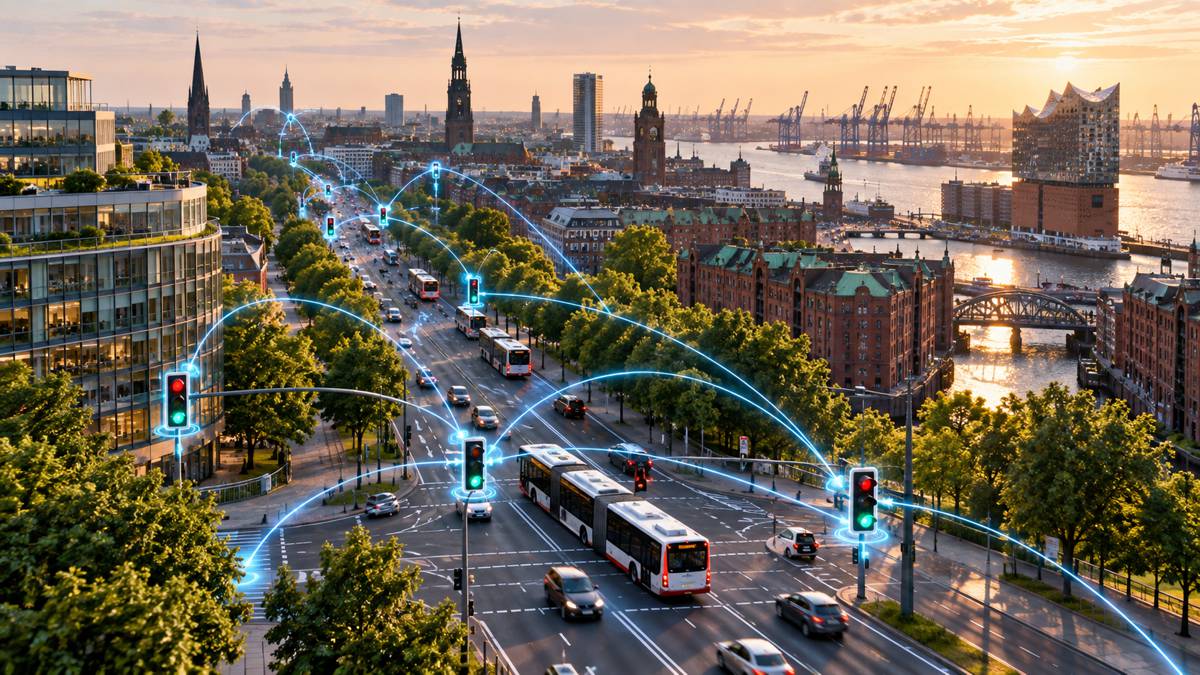
In urban environments, computer vision systems are being used to analyse traffic flows and optimise signal timings. By integrating real time data from multiple sources, these systems can respond to congestion, incidents or changing conditions far more quickly than traditional control centres. Early pilots suggest significant improvements in response times, particularly in complex urban settings.
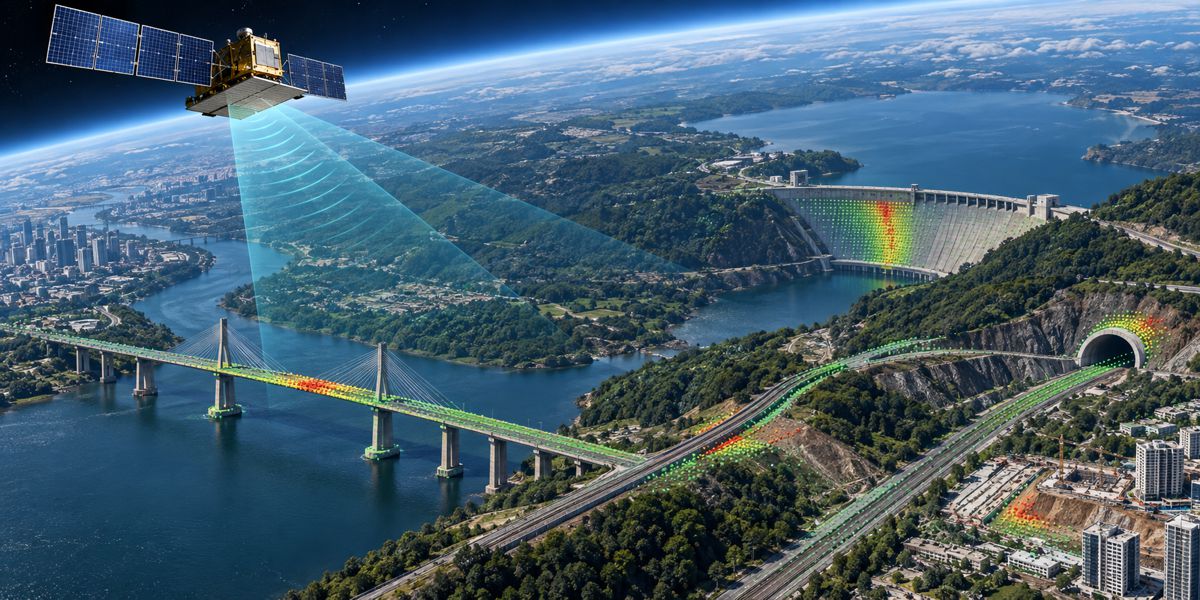
Utility networks are another area seeing rapid innovation. Inspection of transmission lines has historically been labour intensive and reactive. By combining drones, AI and edge computing, operators can identify issues such as corrosion or structural instability before they escalate. This shift towards predictive maintenance has the potential to reduce downtime and improve resilience, especially in regions vulnerable to extreme weather.
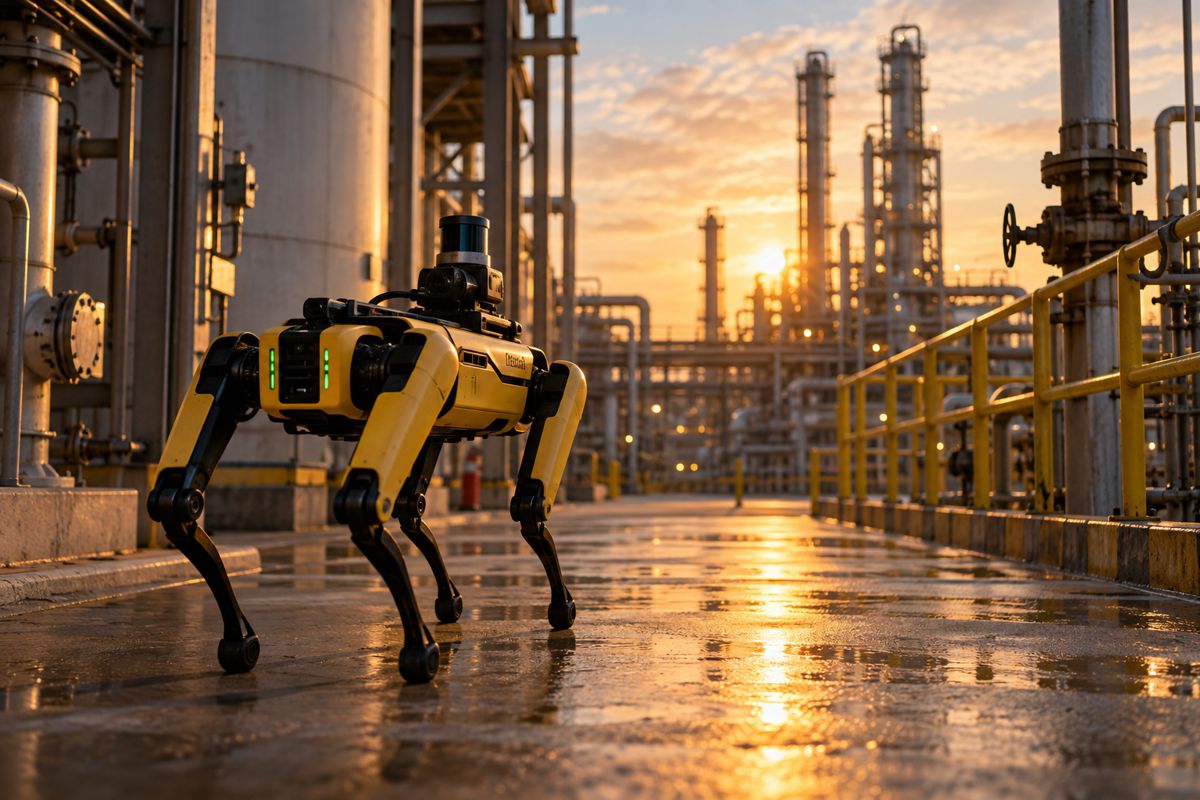
Industrial and construction environments are also benefiting from vision based safety systems. AI agents can monitor hazardous conditions, detect unsafe behaviours and trigger alerts in real time. In high risk sectors such as offshore construction or energy infrastructure, these capabilities could play a crucial role in reducing incidents and improving compliance.
The Metropolis Blueprint and the Rise of Video Intelligence
A key enabler of these applications is the NVIDIA Metropolis framework, particularly its latest video search and summarisation blueprint. With billions of cameras deployed globally and only a fraction of footage ever reviewed, the ability to extract meaningful insights from video data has become a pressing challenge.
The updated blueprint introduces a more modular architecture, allowing developers to tailor solutions to specific industries without rebuilding systems from scratch. This flexibility is essential in sectors like construction and transport, where operational environments vary widely.
One of the most notable advancements is the integration of multimodal understanding. AI systems can now interpret not only visual data but also contextual information, enabling more accurate and nuanced analysis. For example, a system monitoring a construction site can distinguish between routine activity and potential hazards based on both visual cues and situational context.
The introduction of agentic search capabilities further enhances usability. Users can query video data using natural language, with AI systems breaking down complex requests and retrieving relevant information in seconds. For infrastructure operators managing vast networks of cameras, this represents a significant leap forward in efficiency.
Industry Ecosystem Expands Around Edge AI
The scale of this initiative is reflected in the breadth of its ecosystem. Companies across sectors are exploring how edge based AI can enhance operations, from heavy equipment manufacturers to logistics providers and energy companies.
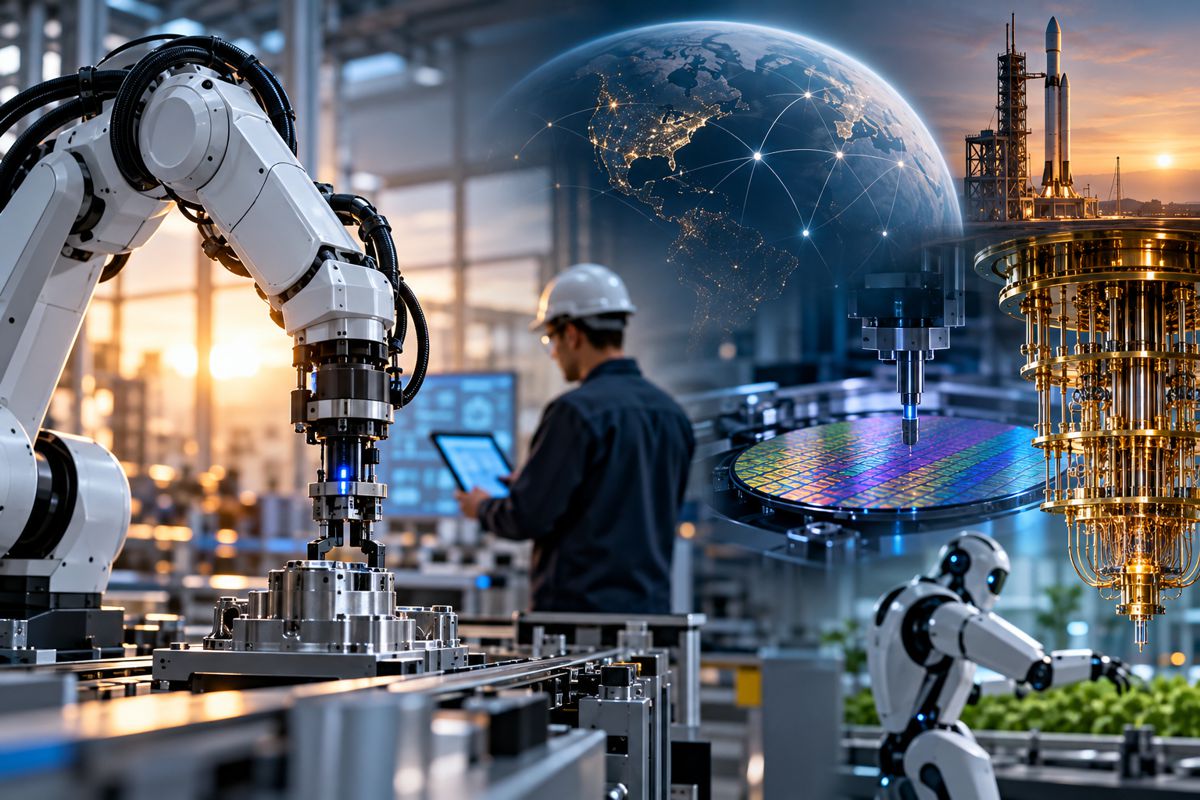
For example, firms involved in industrial automation are integrating AI vision systems into warehouses and production facilities. By analysing workflows in real time, these systems can identify bottlenecks, improve efficiency and reduce errors. In logistics, similar technologies are being used to optimise material handling and track assets across complex supply chains.
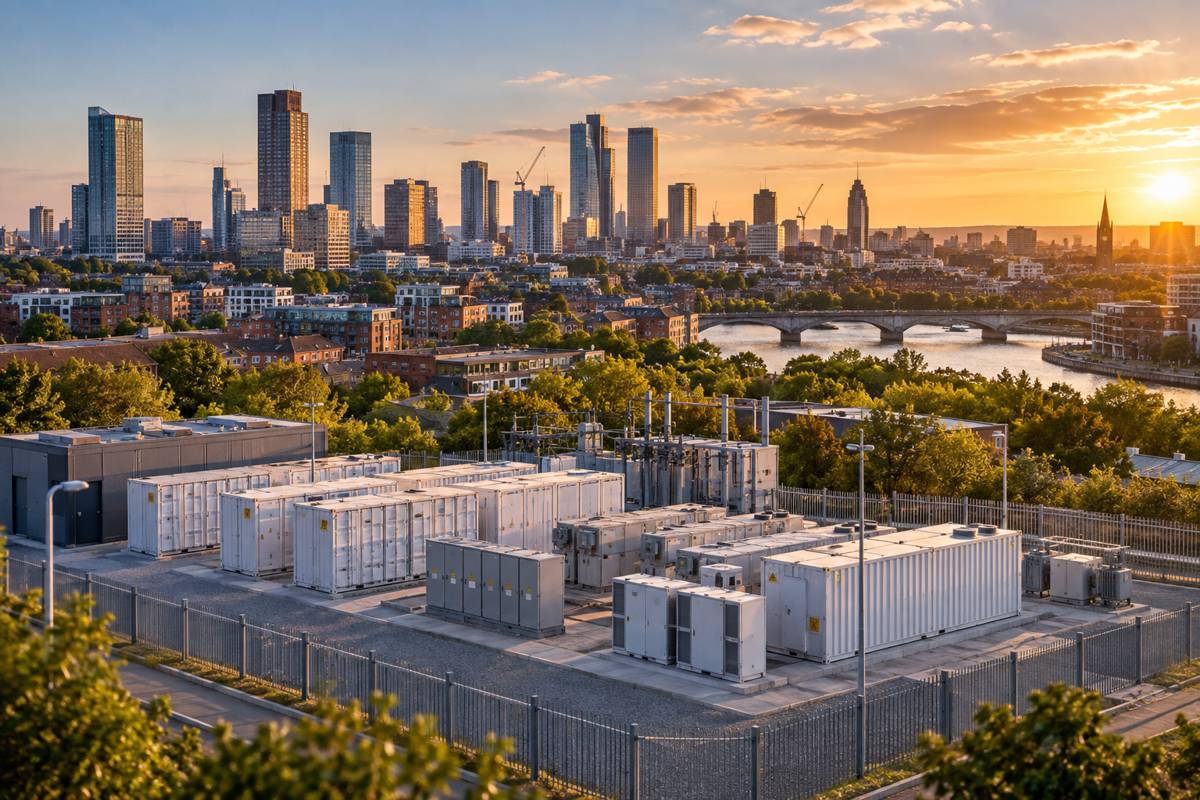
Energy infrastructure is another area of interest. As grids become more decentralised and renewable generation increases, operators require more sophisticated monitoring tools. Edge AI offers a way to process data from distributed assets quickly and securely, supporting more responsive and resilient energy systems.
What ties these use cases together is a common requirement for low latency, high reliability computing. By leveraging telecom networks as computing platforms, organisations can deploy AI capabilities without the need for extensive on site infrastructure. This lowers barriers to entry and accelerates adoption across industries.
Strategic Implications for Global Infrastructure
Perhaps the most significant aspect of this development is its potential to redefine how infrastructure is designed and operated. As networks become intelligent platforms, they blur the boundaries between digital and physical systems.
For policymakers, this raises important questions around regulation, security and investment. Infrastructure planning will increasingly need to account for digital capabilities alongside traditional considerations such as capacity and resilience. Governments investing in 5G and next generation networks are, in effect, laying the groundwork for future AI ecosystems.
Investors, meanwhile, are likely to view this convergence as an opportunity. The integration of AI into infrastructure opens new revenue streams, from smart city services to predictive maintenance solutions. Companies positioned at the intersection of telecoms, AI and infrastructure stand to benefit from this shift.
For construction professionals, the message is clear. Digital transformation is no longer confined to design software or project management tools. It is moving into the physical fabric of infrastructure itself, reshaping how assets are built, monitored and maintained.
Building the Foundations of a Real Time Intelligent World
As this collaboration progresses, its success will depend on more than technology alone. Standardisation, interoperability and ecosystem development will all play critical roles in determining how widely these solutions are adopted.
What is evident, however, is that the industry is moving towards a model where intelligence is embedded throughout the infrastructure lifecycle. From planning and construction to operation and maintenance, AI driven insights are becoming integral to decision making.
By turning networks into distributed computing platforms, NVIDIA, T-Mobile and their partners are effectively redefining the role of telecommunications in infrastructure. It is no longer just about connecting devices. It is about enabling those devices to understand, interpret and respond to the world around them.
For a sector often characterised by long timelines and incremental change, that represents a notable shift. The foundations of a more responsive, efficient and intelligent infrastructure ecosystem are beginning to take shape, one network node at a time.