Central Asia Concrete Show Signals Strategic Shift in Regional Construction Markets
The upcoming Central Asia Concrete Show, scheduled for 27–29 January 2027 at the EXPO International Exhibition Center in Astana, arrives at a moment when the region’s construction sector is accelerating at pace. Across Central Asia, governments are pushing ahead with transport corridors, urban expansion, energy infrastructure and industrial development, all of which depend heavily on cement and concrete supply chains. Events that bring together suppliers, engineers and decision-makers are no longer optional extras. They are becoming essential infrastructure in their own right, enabling collaboration and market alignment.
Kazakhstan, in particular, has positioned itself as a regional hub for construction and logistics, supported by its role in transcontinental trade routes and ongoing investment in infrastructure modernisation. The choice of venue at the EXPO International Exhibition Center reflects both ambition and practicality, offering a central meeting point for stakeholders across Eurasia. For an industry often driven by fragmented supply chains and localised standards, a focused international exhibition creates a rare opportunity to align technologies, specifications and commercial partnerships.
What sets the Central Asia Concrete Show apart is its clear focus on the full value chain. Cement producers, concrete manufacturers, equipment suppliers, materials scientists and project developers are all expected to converge under one roof. That breadth matters. In today’s market, innovation rarely happens in isolation. It emerges where materials science meets digitalisation, where equipment efficiency intersects with sustainability targets, and where local demand connects with global expertise.
Briefing
- International exhibition focused on cement, concrete, dry mixes and construction technologies
- Held in Astana from 27–29 January 2027 at the EXPO International Exhibition Center
- Targets manufacturers, suppliers, engineers and infrastructure decision-makers
- Strong emphasis on innovation, sustainability and regional market growth
- Includes conferences, workshops and business networking opportunities
Central Asia’s Construction Momentum Gains Global Attention
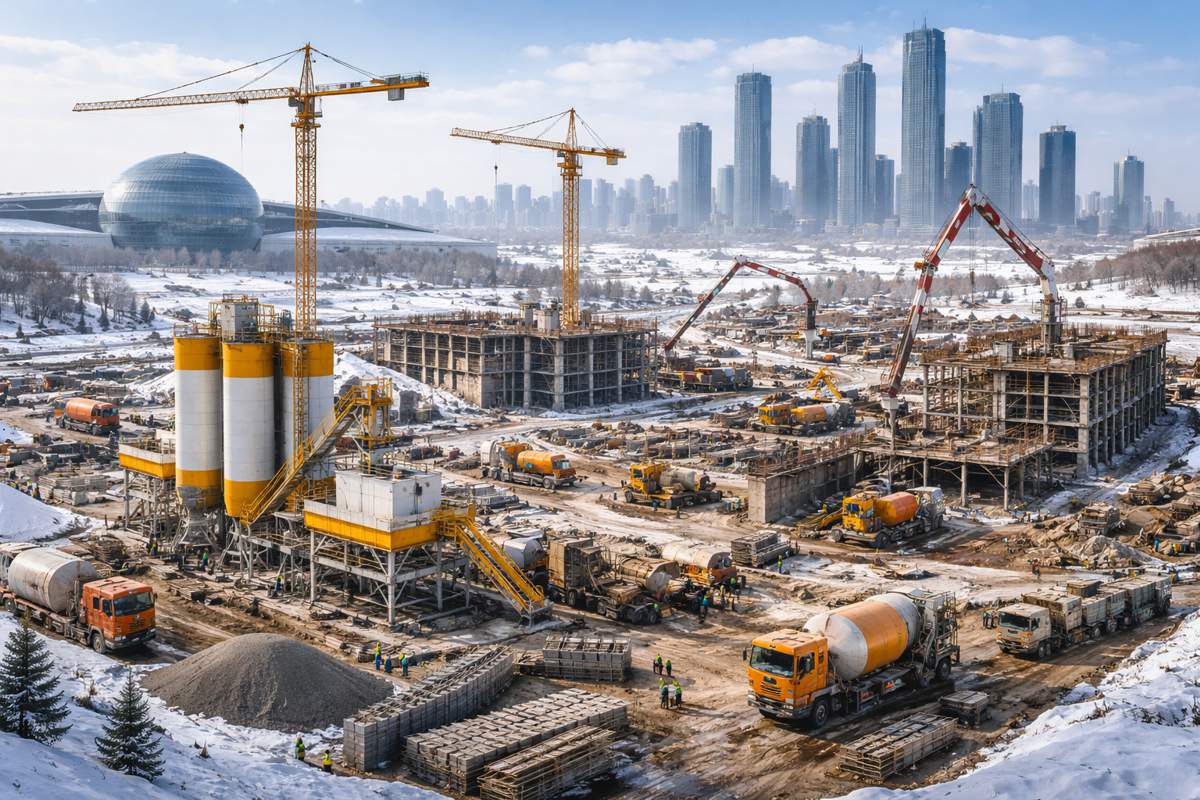
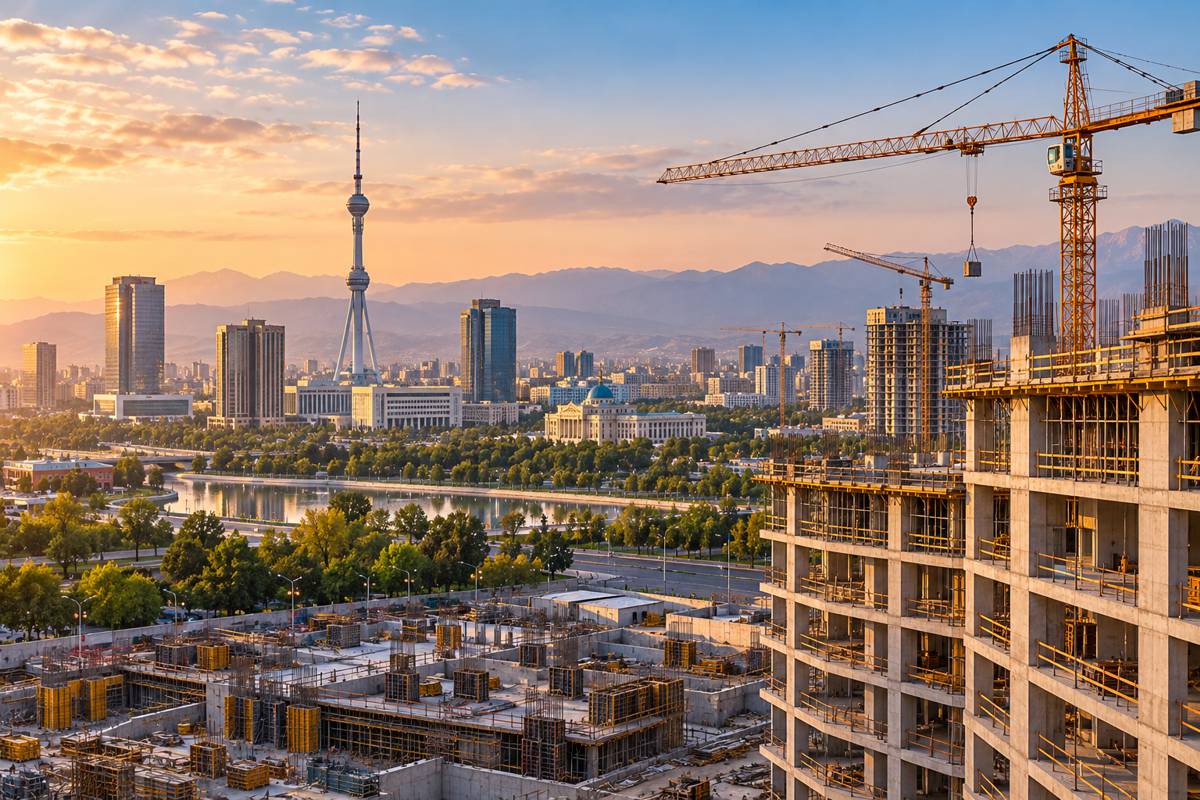
Central Asia has quietly become one of the more dynamic construction regions globally. Countries such as Kazakhstan, Uzbekistan and Turkmenistan are investing heavily in transport infrastructure, energy systems and urban housing. According to international development institutions, infrastructure investment needs across the region are measured in tens of billions of dollars annually, with a significant portion allocated to roads, railways and industrial facilities. Cement and concrete remain at the heart of that expansion.
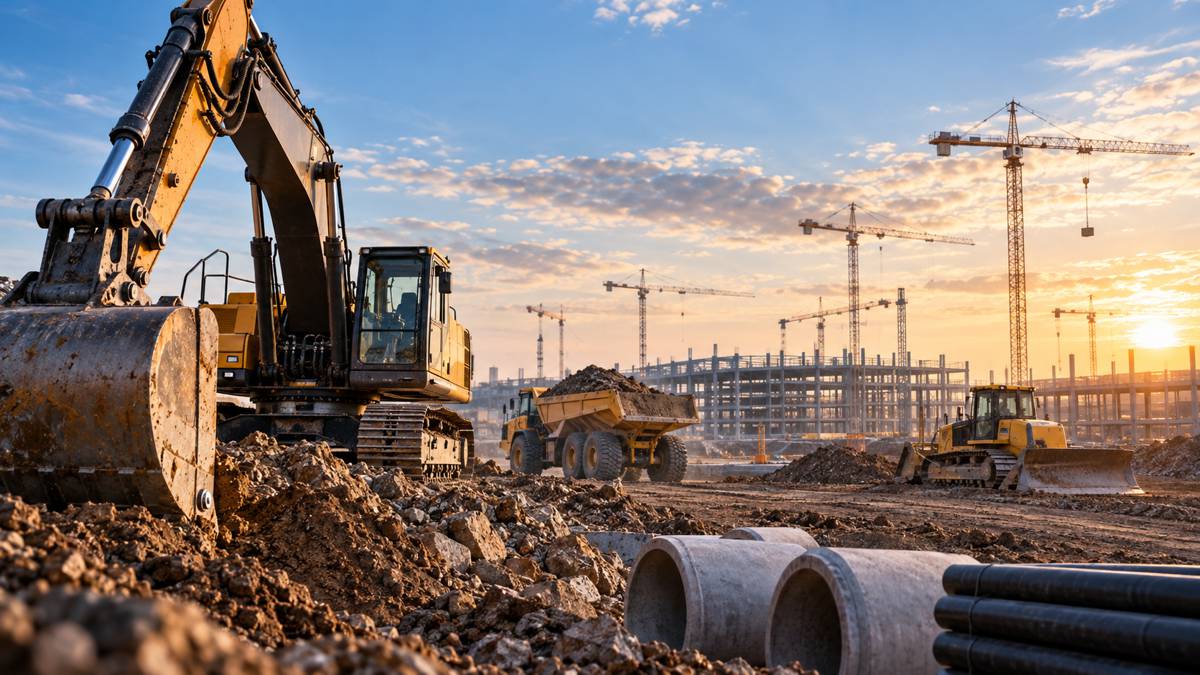
Kazakhstan alone has been advancing large-scale road modernisation programmes and logistics corridors that link China to Europe. These projects require consistent material quality, reliable supply chains and modern construction techniques. That, in turn, creates demand for advanced batching plants, admixtures, precast solutions and digital monitoring tools. Events like the Central Asia Concrete Show provide a platform to evaluate these technologies in a regional context rather than relying solely on imported standards.
There is also a growing push toward localisation. Governments are encouraging domestic production of construction materials to reduce reliance on imports and stabilise costs. This shift is driving investment in new cement plants, upgrades to existing facilities and the adoption of more efficient production technologies. For international suppliers, the region represents both a challenge and an opportunity, requiring adaptation to local conditions while offering access to fast-growing markets.
Cement and Concrete Innovation Moves to Centre Stage
Innovation in cement and concrete is no longer confined to incremental improvements. The industry is undergoing a broader transformation shaped by sustainability pressures, digitalisation and performance requirements. Globally, cement production accounts for approximately 7 to 8 percent of CO₂ emissions, prompting urgent efforts to reduce environmental impact through alternative binders, carbon capture technologies and energy-efficient processes.
At the Central Asia Concrete Show, these themes are expected to feature prominently. Visitors will encounter developments in low-carbon cement formulations, recycled aggregates and admixtures designed to enhance durability while reducing material usage. Equipment manufacturers are also advancing automation, with smart batching systems and real-time quality monitoring becoming increasingly common. These technologies are particularly relevant in regions where consistency and efficiency can significantly influence project outcomes.
Digital tools are playing a growing role as well. From predictive maintenance in cement plants to data-driven quality control in concrete production, the integration of software and hardware is reshaping operations. For contractors and developers, this translates into improved reliability, reduced waste and better lifecycle performance of infrastructure assets. The exhibition environment allows these solutions to be demonstrated in practical terms, bridging the gap between concept and implementation.
Equipment and Technology Driving Efficiency Gains
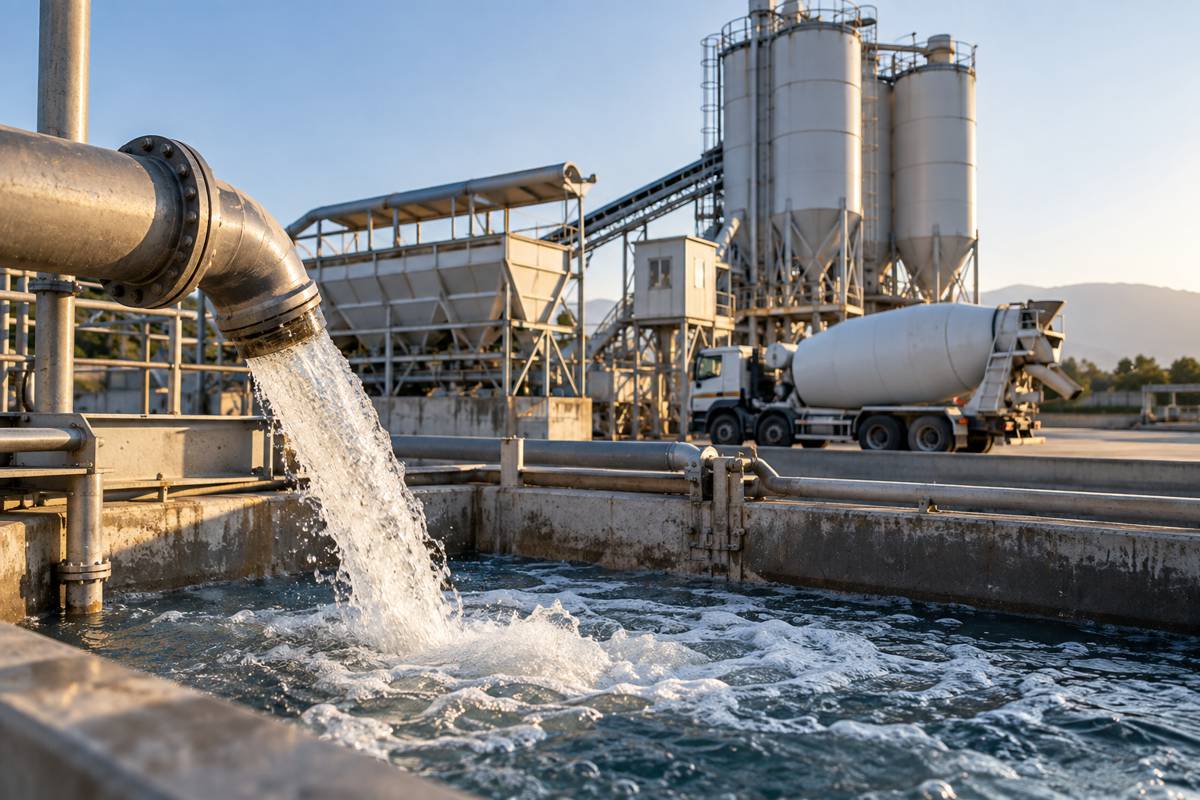
Construction equipment and production technologies form a critical pillar of the exhibition. Modern concrete plants are evolving into highly automated systems capable of precise material dosing, energy optimisation and remote operation. This is particularly important in large-scale infrastructure projects where consistency across multiple sites can be challenging.
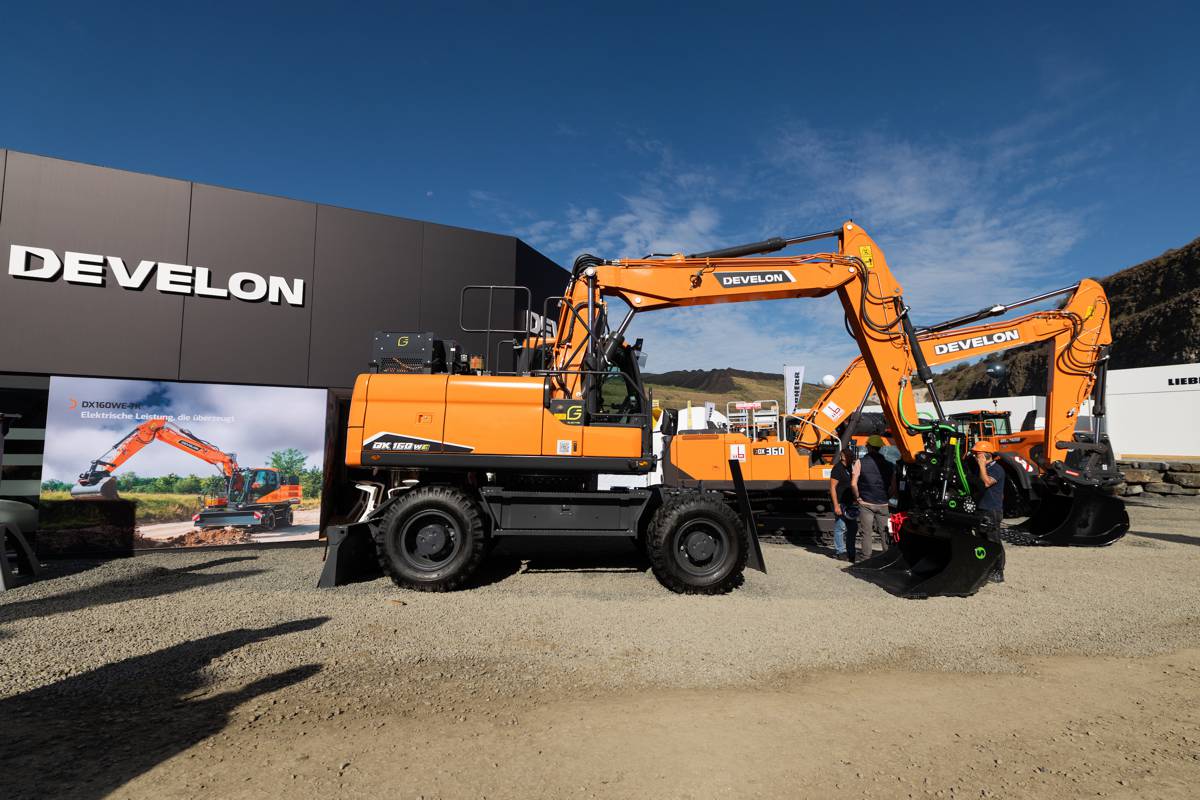
The Central Asia Concrete Show provides a platform for manufacturers to present equipment ranging from mobile batching plants to advanced mixing technologies and material handling systems. These solutions are designed to address the specific needs of the region, including harsh climates, long transport distances and variable raw material quality. Efficiency gains achieved through better equipment can have a direct impact on project timelines and cost control.
There is also a strong focus on maintenance and lifecycle management. Equipment downtime can be costly, particularly in remote or large-scale projects. Technologies that enable predictive maintenance and remote diagnostics are becoming increasingly valuable, helping operators minimise disruptions and extend asset lifespan. By bringing these innovations together, the exhibition highlights how technology can support more resilient construction operations.
A Business Platform for Regional and International Collaboration
Beyond technology, the Central Asia Concrete Show serves as a business platform that connects regional demand with global supply. For international companies, entering Central Asian markets often requires local partnerships and a clear understanding of regulatory frameworks. Exhibitions provide a structured environment to build these relationships and explore commercial opportunities.
Networking remains a central component of the event. Over three days, participants will have the chance to engage with potential clients, partners and suppliers in a focused setting. This is particularly valuable in a region where face-to-face interaction continues to play a significant role in business development. The ability to meet decision-makers directly can accelerate deal-making and foster long-term collaborations.
The exhibition also supports knowledge exchange. Conferences, seminars and workshops are expected to address key industry topics, from market trends and regulatory developments to technical innovations and sustainability strategies. For professionals attending the event, these sessions offer insights that can inform strategic decisions and operational improvements.
Sustainability and Efficiency Shape the Future of Materials
Sustainability is no longer a peripheral concern for the cement and concrete industry. It is becoming a central driver of innovation and investment. Governments across Central Asia are beginning to incorporate environmental considerations into infrastructure planning, aligning with broader global trends. This includes efforts to reduce emissions, improve resource efficiency and adopt more sustainable construction practices.
The Central Asia Concrete Show provides a venue to explore these developments in detail. Exhibitors are expected to showcase solutions that address both environmental and economic challenges. Low-carbon materials, energy-efficient production processes and waste reduction strategies are likely to feature prominently. For contractors and developers, adopting these solutions can offer competitive advantages while meeting regulatory requirements.
Efficiency is equally important. In a region characterised by vast distances and diverse climatic conditions, optimising material usage and logistics can significantly influence project viability. Technologies that enhance durability, reduce maintenance needs and improve construction speed are particularly valuable. By highlighting these innovations, the exhibition underscores the evolving priorities of the construction sector.
Astana as a Strategic Meeting Point
Hosting the event in Astana reinforces the city’s role as a regional centre for business and infrastructure development. Astana has undergone rapid transformation over the past two decades, driven by significant investment in urban development and public infrastructure. Its modern facilities and strategic location make it an ideal venue for international events.
The EXPO International Exhibition Center, originally developed for the 2017 World Expo, provides a purpose-built environment for large-scale exhibitions and conferences. Its infrastructure supports high visitor volumes and complex event logistics, ensuring a smooth experience for exhibitors and attendees alike. For participants travelling from across Central Asia and beyond, the venue offers both accessibility and a strong symbolic connection to innovation and development.
Astana’s position within regional transport networks also enhances its appeal. With growing connectivity to neighbouring countries and international markets, the city serves as a gateway to Central Asia. This accessibility supports the exhibition’s goal of bringing together a diverse range of stakeholders from across the construction ecosystem.
A Market in Transition Opens New Opportunities
The Central Asia Concrete Show reflects a broader transition within the construction industry. As infrastructure demands grow and sustainability pressures intensify, the sector is being reshaped by new technologies, materials and business models. Events that facilitate collaboration and knowledge exchange are becoming increasingly important in navigating this change.
For companies operating in the cement and concrete space, the exhibition offers a chance to position themselves within a rapidly evolving market. Whether through showcasing innovative products, exploring partnerships or gaining insights into regional trends, participants can leverage the event to strengthen their competitive position. For investors and policymakers, the exhibition provides a window into the technologies and strategies shaping the future of construction.
Ultimately, the Central Asia Concrete Show is more than a trade event. It is a reflection of a region in motion, where infrastructure development, industrial growth and technological innovation are converging. By bringing together the key players in this ecosystem, the exhibition contributes to the ongoing transformation of the construction sector across Central Asia.