Uzbekistan Concrete Show to Showcase Regional Construction Growth
Set against a backdrop of accelerating infrastructure investment and industrial expansion, Uzbekistan is positioning itself as one of Central Asia’s most compelling construction markets. The announcement of the Uzbekistan Concrete Show 2026, taking place from 16 to 18 September at Anhor Park Expo in Tashkent, reflects more than a calendar addition. It signals a broader shift in regional construction dynamics, where materials production, supply chain resilience and technology adoption are becoming central to national development strategies.
Across Central Asia, governments are pouring capital into transport corridors, housing, energy infrastructure and industrial zones. Uzbekistan, in particular, has emerged as a focal point, driven by economic reforms, population growth and a deliberate push to modernise its construction ecosystem. Within that context, a specialised exhibition focused on cement and concrete is not simply niche. It sits at the very foundation of the region’s construction boom.
The Uzbekistan Concrete Show 2026 aims to bring together manufacturers, equipment suppliers, engineers and developers from across Central Asia and international markets. While exhibitions of this nature are common in more mature construction economies, their emergence in Uzbekistan reflects a market transitioning from import reliance towards domestic capability, technological integration and regional export potential.
Article Briefing
- Uzbekistan Concrete Show 2026 will take place in Tashkent from 16–18 September 2026
- The event focuses on cement, concrete, materials production and industrial technologies
- It reflects growing infrastructure investment and industrialisation across Central Asia
- The exhibition targets manufacturers, contractors, engineers and technology providers
- It provides a platform for regional collaboration, innovation and supply chain development
Cement and Concrete at the Core of Regional Growth
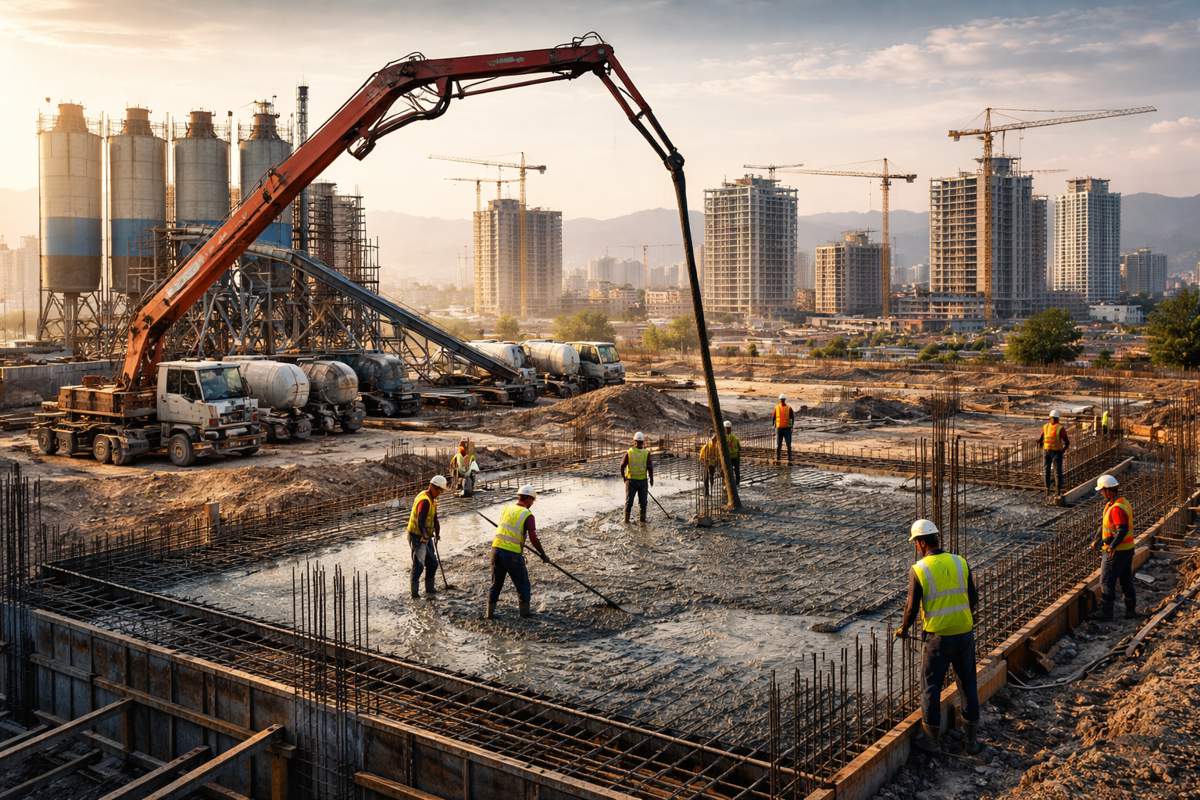
Concrete may not capture headlines in the same way as high-speed rail or smart cities, yet it underpins nearly every infrastructure project. From highways and bridges to residential towers and logistics hubs, cement and concrete form the backbone of construction activity. In rapidly developing regions like Central Asia, demand for these materials is closely tied to economic growth and urban expansion.
Uzbekistan has seen steady increases in cement production capacity over recent years, supported by both domestic investment and foreign partnerships. According to international industry assessments, the country has been working to expand output to meet rising internal demand while also exploring export opportunities to neighbouring markets such as Kazakhstan, Kyrgyzstan and Afghanistan. This expansion places pressure on efficiency, quality control and sustainability, all of which require modern equipment and technical expertise.
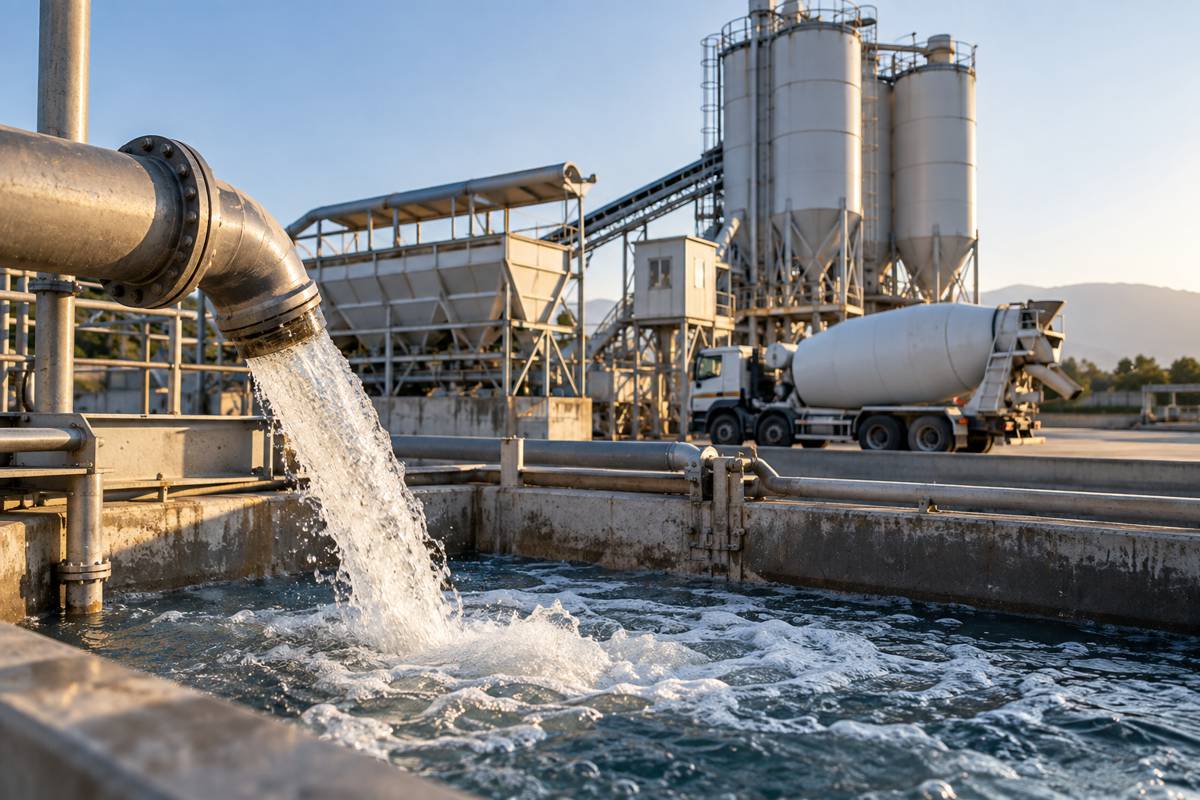
Events like the Uzbekistan Concrete Show provide a forum where these challenges can be addressed collectively. By showcasing technologies for batching, mixing, transport and testing, the exhibition aligns with a broader industry need to modernise production processes and improve material performance. It also highlights the growing importance of standards and certification as regional markets become more interconnected.
A Platform for Technology Transfer and Industrial Modernisation
The construction materials sector is undergoing significant technological change. Automation, digital monitoring and advanced additives are reshaping how cement and concrete are produced and applied. For emerging markets, access to these technologies can dramatically improve productivity while reducing waste and environmental impact.
At the Uzbekistan Concrete Show 2026, exhibitors are expected to present a wide range of solutions, from high-efficiency kilns and batching plants to chemical admixtures and laboratory testing systems. These technologies are critical for improving strength, durability and consistency in construction materials, particularly in regions with varying climate conditions and infrastructure requirements.
Technology transfer remains a key theme. International suppliers entering Central Asia are not only selling equipment but also introducing new methodologies, training programmes and operational standards. This exchange of knowledge plays a crucial role in elevating local industry capabilities, enabling domestic producers to compete more effectively both regionally and globally.
Strengthening Supply Chains in a Land-Linked Region
Unlike coastal economies with easy access to global shipping routes, Uzbekistan operates as a land-linked country, where logistics depend heavily on road and rail networks. This creates unique challenges for the construction materials sector, particularly when it comes to transporting heavy bulk commodities like cement.
Improving supply chain efficiency is therefore a priority. Investments in transport corridors, including links to China, the Caucasus and Europe, are reshaping trade routes and opening new opportunities for materials distribution. At the same time, local production capacity is being expanded to reduce reliance on imports and shorten supply chains.
The Uzbekistan Concrete Show provides a meeting point for stakeholders involved in these logistics networks, from producers and distributors to infrastructure developers. By bringing these groups together, the event supports more integrated supply chain strategies, helping to ensure that materials can be delivered efficiently to large-scale projects across the region.
Construction Demand Driven by Urbanisation and Infrastructure Investment
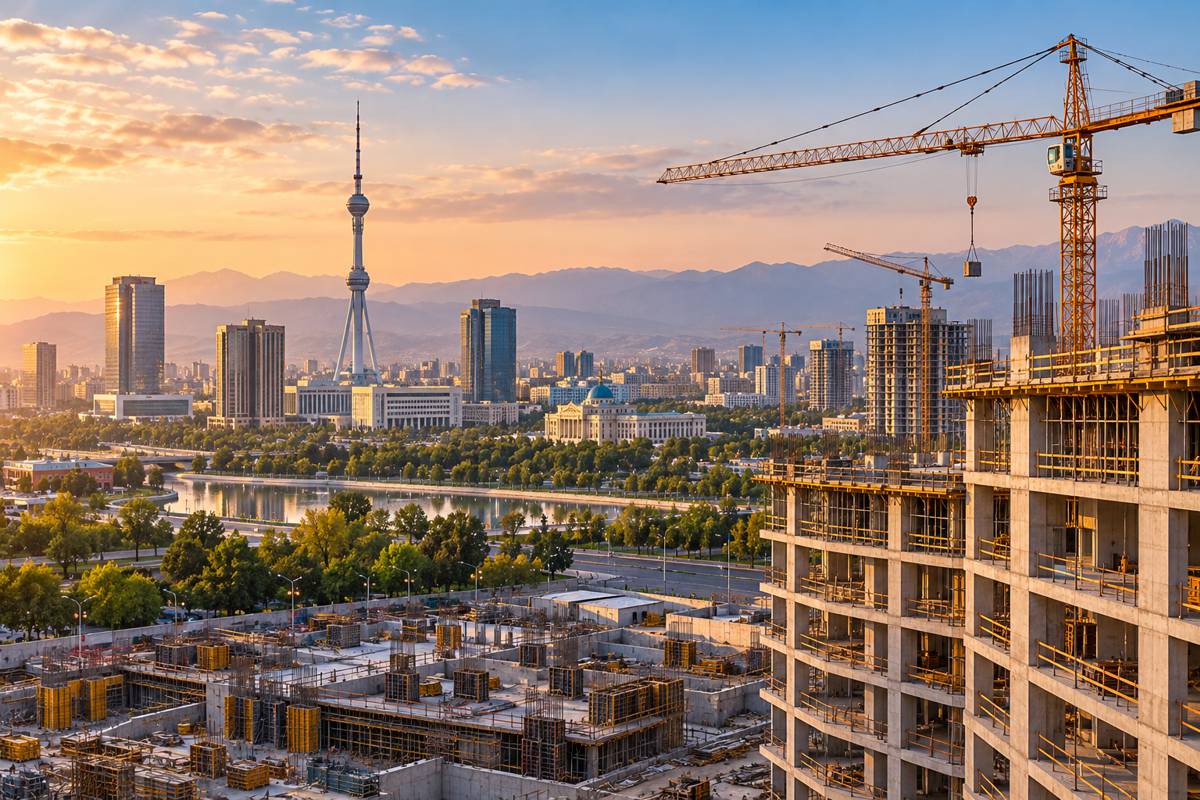
Uzbekistan’s population, now exceeding 36 million, continues to grow, placing increasing pressure on housing, transport and public infrastructure. Urban centres such as Tashkent are undergoing significant transformation, with new residential developments, commercial projects and transport systems reshaping the urban landscape.
Government-led initiatives are also driving demand. Programmes focused on road construction, railway upgrades and energy infrastructure are creating sustained requirements for cement and concrete. International financial institutions, including the World Bank and the Asian Development Bank, have been actively supporting infrastructure projects in Uzbekistan, further boosting construction activity.
This combination of domestic policy and international financing has created a stable pipeline of projects, encouraging investment in materials production and technology. The Uzbekistan Concrete Show sits within this broader ecosystem, offering a platform where industry participants can align their strategies with market demand.
Sustainability Pressures and the Shift Towards Greener Materials
While demand for cement and concrete continues to rise, the industry faces increasing scrutiny over its environmental impact. Cement production is a significant source of carbon emissions globally, accounting for an estimated 7 to 8 percent of total CO₂ emissions according to widely cited industry data.
In response, manufacturers are exploring alternative materials, energy-efficient production methods and carbon reduction technologies. This includes the use of supplementary cementitious materials, improved kiln efficiency and the integration of digital monitoring systems to optimise operations.
Events like the Uzbekistan Concrete Show play an important role in accelerating this transition. By highlighting innovations in sustainable construction materials and processes, the exhibition encourages industry stakeholders to adopt more environmentally responsible practices. For Uzbekistan, balancing growth with sustainability will be a key challenge in the years ahead.
Building Regional and International Partnerships
One of the defining features of specialised industry exhibitions is their ability to facilitate business relationships. In emerging markets, where networks may still be developing, these connections can be particularly valuable.
The Uzbekistan Concrete Show is designed to attract participants from across Central Asia as well as international suppliers and investors. This creates opportunities for joint ventures, technology partnerships and long-term supply agreements. For local companies, engaging with global players can open doors to new markets and capabilities.
At the same time, international firms gain access to a region with significant growth potential. Central Asia’s strategic location between Europe and Asia, combined with ongoing infrastructure development, makes it an increasingly attractive destination for investment in construction and materials production.
A Market Defining Moment for Central Asia’s Construction Sector
The emergence of the Uzbekistan Concrete Show reflects a broader maturation of the region’s construction industry. As projects become larger and more complex, the need for high-quality materials, advanced technologies and integrated supply chains becomes more pronounced.
For Uzbekistan, hosting such an event reinforces its role as a regional hub for construction and industrial development. It also sends a clear signal to investors and industry stakeholders that the country is serious about building a modern, competitive construction sector.
Looking ahead, the success of the exhibition will likely be measured not only by attendance figures but by the partnerships formed, technologies adopted and projects enabled as a result. In a region where infrastructure development is central to economic progress, those outcomes carry significant weight.