Liebherr Celebrates 100,000 Wheel Loader Milestone
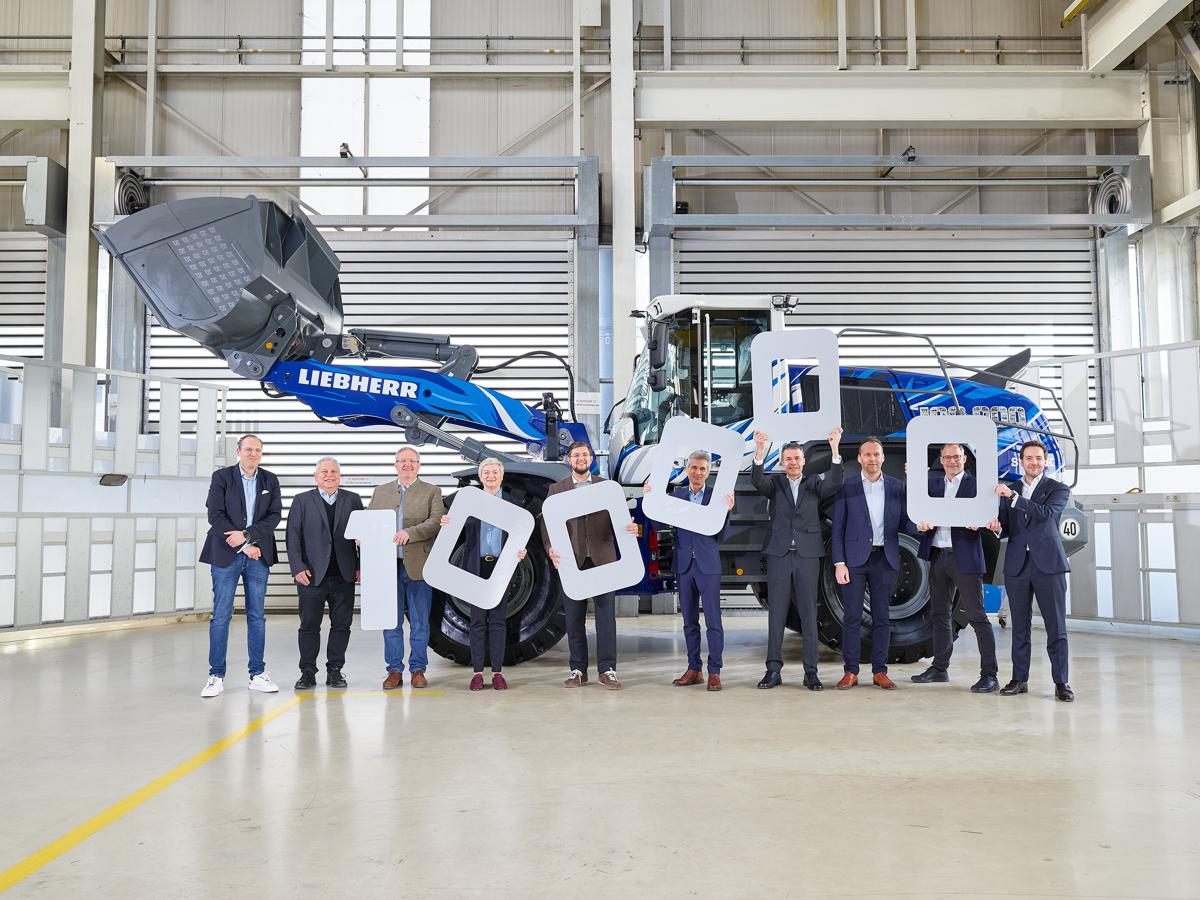
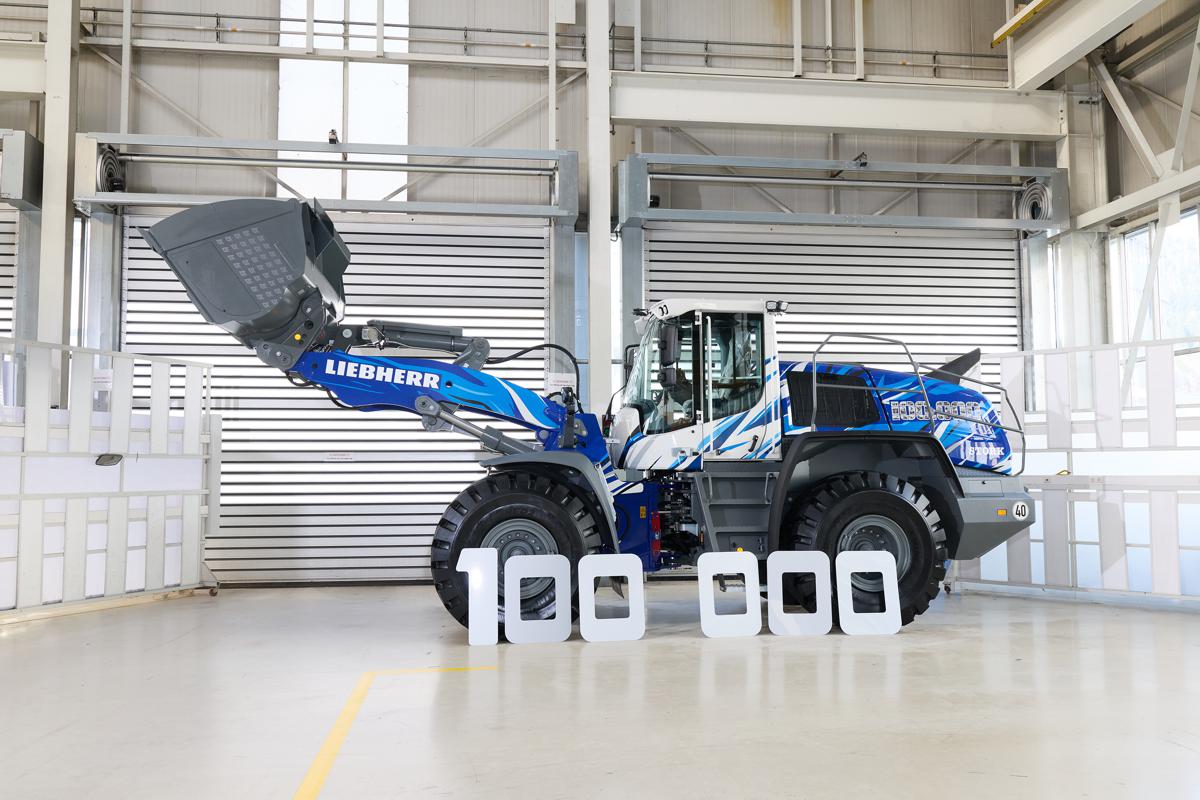
Liebherr has marked a significant industrial milestone with the production of its 100,000th wheel loader at the company’s manufacturing plant in Bischofshofen, Austria. The anniversary machine, an L 550 XPower, has been handed over to German recycling and environmental services specialist STORK Umweltdienste GmbH, underlining a relationship that has developed over more than three decades.
For the global construction equipment sector, milestones of this scale are more than ceremonial moments, they reveal manufacturing resilience, sustained customer confidence and the ability of a machinery producer to remain commercially relevant through changing cycles, stricter emissions rules, digitisation and growing pressure for more sustainable operations. Reaching six figures in wheel loader production places Liebherr among the most established heavy equipment manufacturers serving quarrying, construction, recycling, ports, infrastructure and industrial handling markets.
The delivery also reflects another truth often overlooked in headline announcements. Major machinery brands don’t build long-term success alone. They do it alongside contractors, fleet owners, dealers and operators willing to invest repeatedly in evolving equipment platforms. In this case, that story is written through the long-standing partnership between Liebherr, STORK and sales partner Kurt König.
Briefing
- Liebherr has produced its 100,000th wheel loader at Bischofshofen in Austria.
- The milestone machine is an L 550 XPower delivered to STORK Umweltdienste GmbH.
- STORK has operated Liebherr wheel loaders since 1994 and now runs a substantial mixed fleet.
- The XPower range also celebrates its 10th anniversary in 2026.
- Liebherr is linking current production success with future developments including autonomy and hydrogen-powered loaders.
Why Bischofshofen Matters in Global Equipment Manufacturing
The Bischofshofen plant is Liebherr’s centre of excellence for wheel loader production. In an era where manufacturers increasingly consolidate production and streamline product platforms, specialist facilities like this carry strategic importance. They concentrate engineering talent, supplier networks, testing capability and production know-how in one location.
Austria’s industrial base has long supported advanced manufacturing, and Liebherr’s continued investment there shows the value of European production hubs even amid global competition. For customers, this can translate into stronger quality control, engineering continuity and faster innovation cycles. For policymakers, it demonstrates how heavy manufacturing remains vital to Europe’s industrial competitiveness.
Wheel loaders themselves remain one of the most versatile machines in construction and materials handling. They load aggregate, manage waste streams, move soil, feed crushers, clear snow, support ports and logistics terminals, and maintain industrial sites. In short, if materials move, wheel loaders are usually somewhere in the picture.
A Delivery That Reflects Loyalty and Operational Confidence
The 100,000th machine goes to STORK Umweltdienste GmbH, a business that has relied on Liebherr wheel loaders since 1994. During that time, the company has expanded its fleet to include 46 wheel loaders, ten mobile excavators, six crawler excavators, two dump trucks and one telescopic loader.
That level of repeat purchasing sends a clear market signal. Fleet owners typically make decisions based on uptime, fuel efficiency, operator satisfaction, service support and residual value. Sentiment alone doesn’t sustain multi-decade procurement relationships. Performance does.
“The 100,000th wheel loader is a powerful symbol of our long-standing, trusting partnership with Liebherr, as well as the excellent cooperation with our dealer Kurt König. We are delighted to be putting this special machine to work at our site in Magdeburg,” said Bernhard Stork, Managing Director of STORK Umweltdienste GmbH.
The inclusion of dealer partner Kurt König is notable too. In heavy equipment markets, dealer capability often makes the difference between a machine purchase and a long-term fleet strategy. Service response times, parts availability and technical support can outweigh sticker price.
The L 550 XPower and the Rise of Efficiency-Focused Loaders
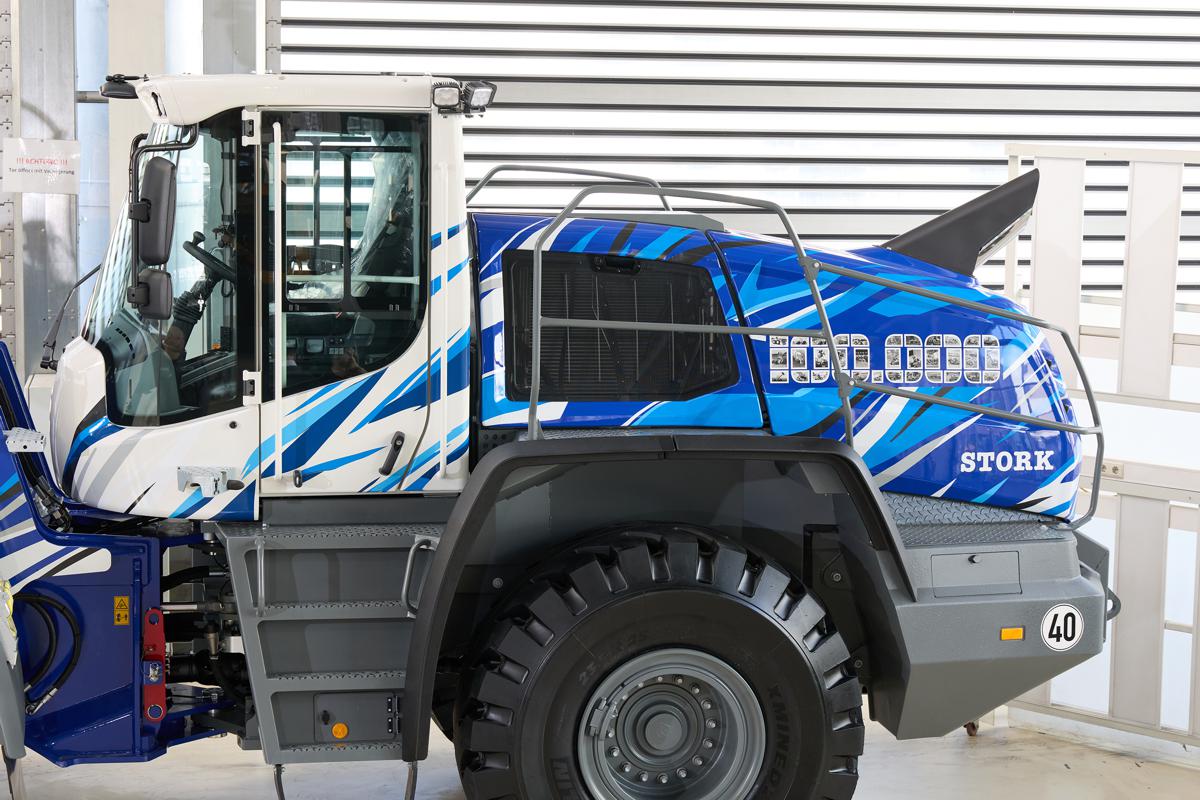
It is no coincidence that Liebherr selected the L 550 XPower as the anniversary model. The XPower line, introduced a decade ago, represented a shift toward driveline efficiency and intelligent power distribution. Hybrid-style split driveline concepts, where hydrostatic and mechanical paths are combined depending on task and speed, have helped modern loaders reduce fuel burn while maintaining productivity.
That matters because fuel remains one of the largest operating costs in loader fleets. Even modest percentage savings can become substantial over thousands of annual machine hours. Add tightening emissions legislation and growing ESG reporting pressures, and efficiency becomes a boardroom issue rather than merely an engineering one.
For contractors and industrial users, loaders now need to do more than lift and carry. They must generate usable data, support predictive maintenance, integrate safety systems and lower whole-life cost. That’s where machine design has moved, and manufacturers unable to adapt have felt the pressure.
Recycling Sites as Real-World Innovation Laboratories
The connection between STORK and the XPower range goes deeper than fleet supply. In 2015, STORK reportedly operated a pre-production XPower model in a demanding recycling environment during extended field testing.
That sort of real-world validation is invaluable. Recycling yards expose machinery to abrasive materials, stop-start cycles, tight manoeuvring areas and constant loading demands. If a machine performs there, it gains credibility elsewhere.
It also highlights a broader trend across heavy industry. Increasingly, product development depends on user partnerships rather than closed-door engineering. Operators feed back on visibility, bucket control, tyre wear, fuel use, cab ergonomics and serviceability. The best manufacturers listen closely, then iterate quickly.
Looking Beyond Diesel With Hydrogen and Autonomy
Liebherr used bauma 2025 to showcase development models pointing toward the next generation of wheel loader technology. These included an autonomous loader concept under the Liebherr Autonomous Operations banner and a large loader prototype powered by a hydrogen engine, the L 566 H.
That dual-track strategy is commercially sensible. There is no single future powertrain for heavy equipment. Urban sites may favour battery-electric solutions. Remote quarries may prefer hydrogen combustion or hydrogen-derived fuels. Some applications will continue with highly efficient diesel for years where infrastructure alternatives remain weak.
Autonomy follows a similar pattern. Fully driverless fleets may suit controlled quarry or stockyard environments first, while operator-assist systems will likely spread faster across mainstream construction sites.
Rather than betting everything on one pathway, manufacturers are increasingly keeping options open. Liebherr appears to be doing just that.
Special Paintwork With Industrial Heritage
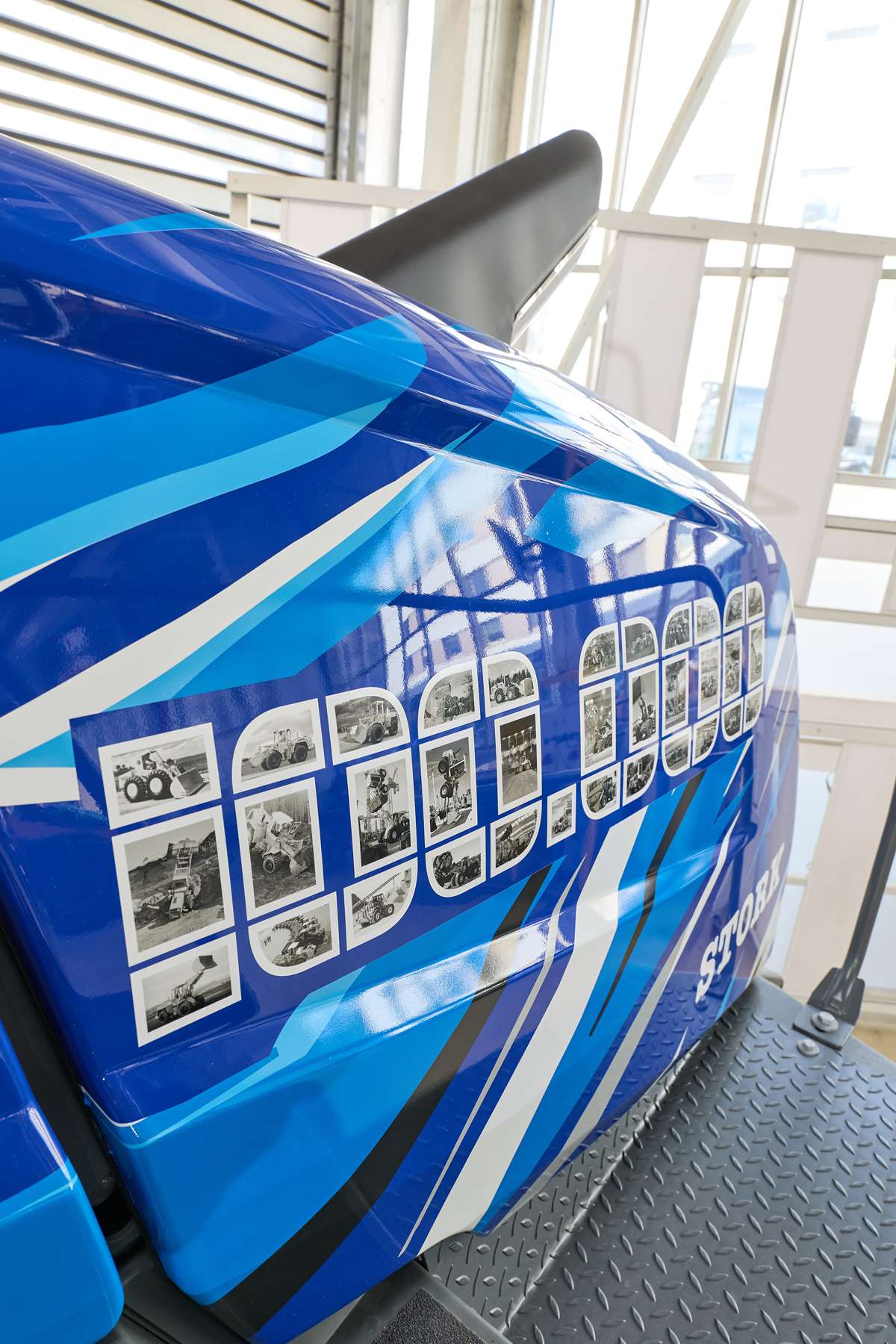
The anniversary loader features a dark blue finish in STORK colours, alongside commemorative graphics built from historical black-and-white imagery tracing Liebherr wheel loader development from early prototypes in the 1950s and 1960s to today’s machines.
That design choice does more than look smart on a show stand. It reinforces a message many industrial brands are leaning into: heritage matters when paired with innovation. Buyers may want automation, cleaner engines and telematics, but they also value proven engineering lineage.
The machine will be displayed at IFAT in Munich, one of the world’s leading environmental technology trade fairs, before later appearing at STORK’s Magdeburg premises and eventually entering operational service.
What This Means for the Global Equipment Market
The production of a 100,000th wheel loader won’t change markets overnight, but it does illustrate several larger realities shaping construction machinery worldwide.
First, durable demand remains for productive mid-sized loaders across construction, recycling and infrastructure sectors. Second, customer loyalty still matters enormously in fleet markets. Third, future competitiveness will depend on efficiency, digital systems and flexible low-carbon powertrain strategies.
It also serves as a reminder that heavy industry still values partnerships built over time. Machines may evolve rapidly, but trust is earned slowly.
For Liebherr, the number itself is impressive. For the wider industry, the more interesting story is what sits behind it: decades of engineering refinement, practical customer collaboration and a clear attempt to stay relevant in a changing world.