Ritchie Bros Sets New Benchmark as Grande Prairie Auction Surpasses CA$93m
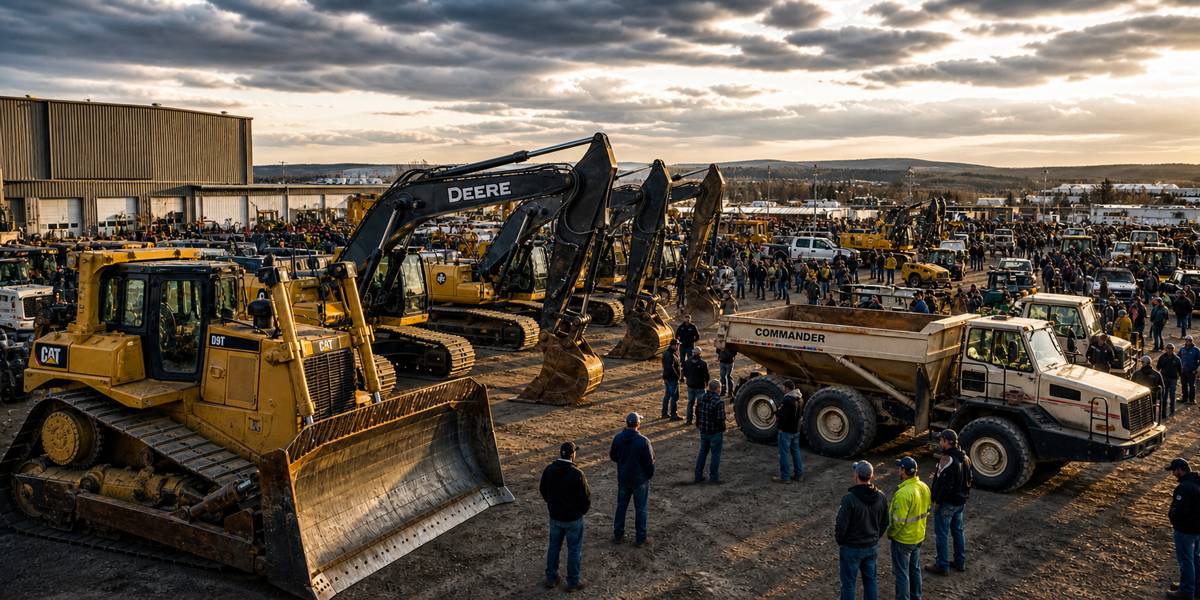
Western Canada’s heavy equipment market has sent a clear signal. Buyers are still willing to move quickly, bid hard and spend serious money when the right machines come to market. That was the takeaway from the latest Ritchie Bros. auction in Grande Prairie, Alberta, where the company generated more than CA$93.5 million in gross transaction value across a four-day sale held from 13 to 16 April.
The result marked a site record for Grande Prairie and more than doubled the prior year’s performance, rising to over 2.5 times the level achieved in 2025. For contractors, fleet managers, transport operators and investors watching asset values, the figures matter well beyond a single auction yard. They point to continued resilience in the used equipment sector, particularly for well-maintained late-model machinery that can be deployed immediately.
Grande Prairie sits at the crossroads of construction, forestry, transportation and energy activity in Northern Alberta. That makes it a useful barometer for industrial confidence. When buyers from multiple sectors compete aggressively in one venue, it often reflects wider demand across regional project pipelines, replacement cycles and contractor workloads.
The timing is notable too. Across North America, supply chains for new equipment remain uneven in some categories, financing costs are still elevated compared with pre-2022 levels, and many businesses continue to favour lower-risk capital decisions. In plain terms, quality used equipment remains an attractive route to expansion.
Briefing
- Ritchie Bros. generated more than CA$93.5 million in Grande Prairie, Alberta.
- The total more than doubled year on year and set a new site record.
- Nearly 10,000 bidders registered, with more than 1,100 active buyers.
- More than 2,600 lots sold across construction, transport, forestry and energy sectors.
- Strong pricing centred on late-model, ready-to-work assets, especially premium earthmoving and specialist trucks.
Demand for Ready To Work Equipment Remains Strong
Used heavy equipment markets often separate into two tiers. At one end sits ageing machinery needing capital expenditure, downtime and parts support. At the other sits clean, modern, field-ready equipment with known service history. Buyers in Grande Prairie made it clear which tier they wanted.
The auction featured significant consignments tied to business realignment and retirement sales, including assets from Mur-Cal Services Ltd. According to the supplied material, that fleet included logging, mulching and transportation equipment with a reputation for maintenance and operational readiness. That kind of provenance can materially improve buyer confidence and shorten decision cycles.
For contractors under schedule pressure, a machine available today often carries more value than a factory order arriving months later. Infrastructure firms facing mobilisation deadlines for roads, utilities, earthworks or civil packages may pay a premium to avoid delay penalties and idle crews.
That dynamic has been seen globally. Secondary markets for construction equipment have strengthened in periods where lead times for new excavators, dozers and articulated trucks became stretched, particularly after pandemic-era disruption and subsequent manufacturing bottlenecks.
Grande Prairie Reflects the Strength of Western Canada
Grande Prairie’s importance goes beyond geography. The region supports oil and gas services, forestry harvesting, municipal works, road maintenance, pipeline support and agricultural logistics. Equipment in this market tends to be hard-worked, practical and productivity-focused.
So when nearly 10,000 bidders participate and more than 1,100 buyers actively compete, it suggests a wide pool of demand rather than isolated speculative interest. Buyers were not just browsing. They were transacting.
The sale of more than 2,600 lots, nearly double the previous year’s count, also indicates sellers are increasingly willing to release equipment into the market. That can happen when companies refresh fleets, consolidate operations or monetise underused assets.
For lenders and investors, auction performance can serve as a useful indicator of residual values. Strong resale pricing can improve lifecycle economics for ownership fleets, leasing models and financed asset portfolios.
Premium Machines Drew Premium Prices
High-value transactions from the sale underline where the market currently places its confidence. A 2019 Caterpillar Cat D9T crawler dozer achieved CA$1.525 million, demonstrating continuing appetite for productive large earthmoving equipment.
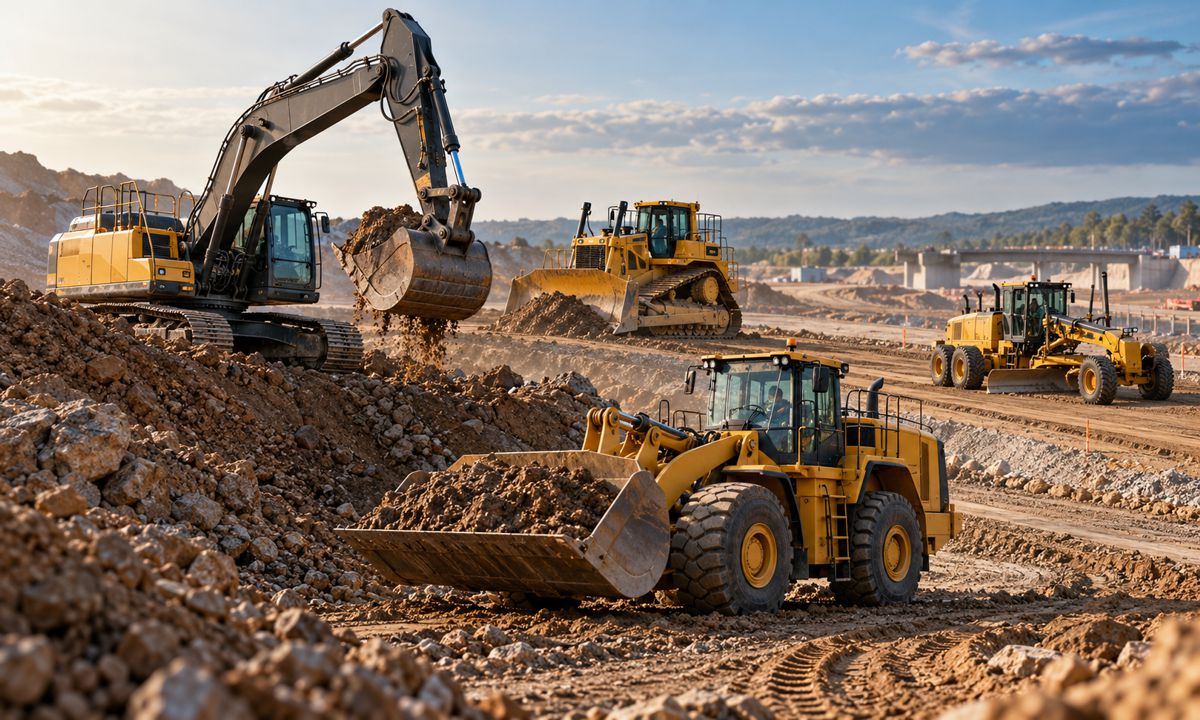
Large crawler dozers remain essential to mining support works, site preparation, landfill operations, forestry road building and major infrastructure earthworks. When contractors need pushing power and reliability, proven machines retain value remarkably well.
A 2011 Foremost Commander 8×8 articulating bed truck sold for CA$660,000. Specialist off-road haul and support trucks are often difficult to source quickly, particularly units suited to energy, remote civil works and extreme terrain environments.
Multiple 2022 John Deere 470G LC VG tracked excavators reached CA$305,000 each. That pricing reinforces demand for modern excavators with current-generation efficiency, operator comfort and strong attachment compatibility.
What It Means for Contractors and Fleet Owners
For contractors considering disposals, the message is encouraging. Well-presented assets with maintenance records, credible hours and strong brand recognition can still attract deep bidding pools. Timing and sale format remain important, but liquidity is clearly present.
For buyers, competition means discipline matters. Acquiring equipment at auction can still create value, though bidders must factor transport, refurbishment, warranty exposure and utilisation planning. Bargains exist, but they are less common when demand is broad-based.
Fleet managers may also read these results as a reminder to treat lifecycle planning seriously. Machines maintained properly and replaced strategically can return stronger residuals, reducing total cost of ownership over time.
That is especially relevant in sectors such as highways, aggregates, utilities and industrial contracting, where capital allocation decisions often determine competitiveness.
Edmonton Now in Focus
Momentum from Grande Prairie now shifts toward the company’s upcoming Edmonton auction scheduled for 11 to 15 May. Edmonton has long been one of Canada’s major heavy equipment sale hubs, drawing domestic and international interest.
If bidder appetite remains firm, the next event could offer another strong snapshot of Western Canada’s industrial economy. Much depends on fleet quality, lot volume and macroeconomic sentiment, yet Grande Prairie has already shown there is money waiting for the right iron.
As Jordan Clarke, Senior Vice President, Canada Sales at Ritchie Bros., stated: “Grande Prairie delivered a strong result, based on the early dispersal and re-alignment consignments, which helped build a world-class event. We saw consistent competition across sectors, especially on high-quality, late-model equipment. When that level of supply is matched with active buyer demand, it drives competitive outcomes.”
The Bigger Picture for Global Equipment Markets
The Grande Prairie result is more than a local success story. It reflects a broader truth in construction and industrial markets worldwide. Productive equipment remains a strategic asset, and when uncertainty lingers, businesses often favour proven used machinery over expensive new commitments.
For infrastructure professionals, policymakers and investors, that matters. Healthy secondary markets support capital efficiency, sustainability through asset reuse, and faster deployment of machinery into productive work.