BUKO Brings Digital Traffic Management to Britain’s Roadworks Challenge
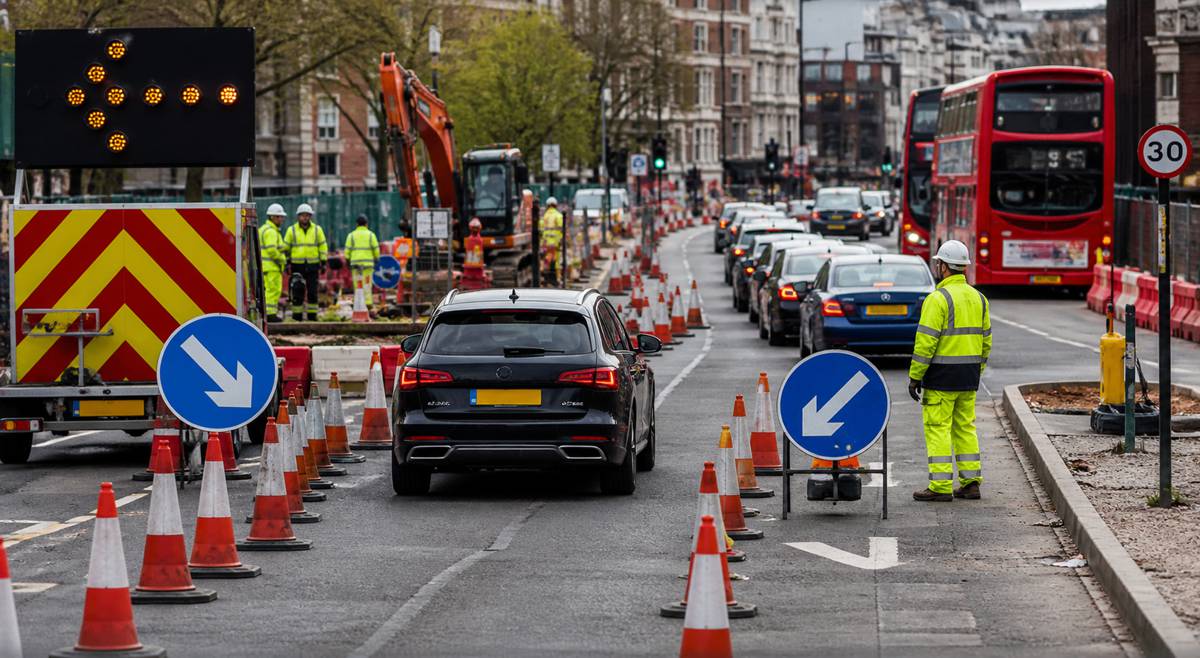
Britain’s road network is under constant pressure. Utilities need access to buried assets, highways authorities must maintain ageing infrastructure, and major projects require lane closures, diversions and phased traffic control. Yet every cone, sign and temporary closure can trigger congestion, driver frustration and safety risks for crews working only metres from live traffic. Into that environment steps BUKO Group with the UK launch of BUKO Digital.
Delivered in Britain through BUKO Traffic & Safety, the new service adds a digital layer to conventional temporary traffic management. Rather than replacing signs, barriers and physical controls, the model is designed to strengthen them through connected navigation data, targeted public messaging and real-time digital alerts. That matters because modern drivers increasingly rely on satnav platforms and smartphone routing apps to decide where they go, often long before they see the first warning sign.
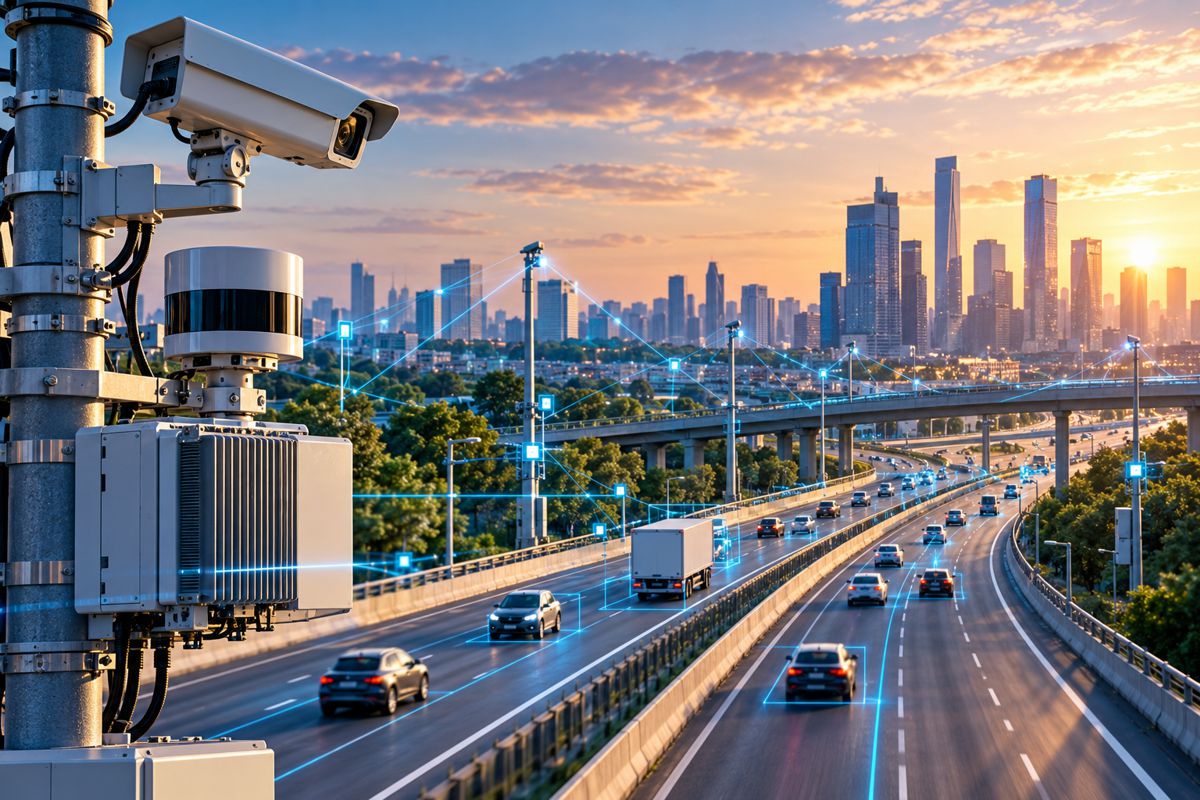
The move also reflects a wider shift across infrastructure management. Road operators worldwide are looking to use better data, predictive planning and direct-to-driver communications to reduce delays and improve safety outcomes. In practical terms, if motorists can be rerouted earlier, residents can be warned sooner and speeds can be moderated approaching worksites, disruption falls while productivity rises.
For the UK market, where congestion already costs billions in lost time and business productivity each year, smarter traffic control is more than a technology story. It is an operational efficiency issue, a workforce safety issue and increasingly an environmental one.
Briefing
- BUKO Digital has launched in the UK via BUKO Traffic & Safety.
- The system complements physical roadwork controls with digital routing, alerts and communications.
- Claimed results include reduced traffic near worksites, lower emissions and improved speed compliance.
- Two service tiers are offered: Essential Services and Tailor-made Services.
- The launch signals growing adoption of smart work zone management across Europe.
A New Layer of Control for Temporary Traffic Management
Traditional temporary traffic management has long depended on roadside visibility. Cones, signs, lane tapers and portable signals remain essential, but they only influence drivers once they are already close to the disruption. Digital systems move that intervention further upstream by influencing route choice before vehicles arrive.
BUKO Digital’s Essential Services package focuses on three areas: closures, announcements and roadworks alerts. Digital Closures are intended to synchronise worksite restrictions with major navigation platforms including Google, Apple, TomTom and Waze. If accurate closure data reaches those ecosystems quickly, drivers can be rerouted before joining queues.
That is increasingly important because navigation platforms now shape travel patterns at scale. A delayed or inaccurate closure notice can send traffic directly into bottlenecks, while reliable updates can spread flows across alternative routes more efficiently.
Safety Gains Where They Matter Most
Roadworker safety remains one of the most serious concerns in highways operations. Across Europe and the UK, incursions into work zones, speeding through restricted areas and driver distraction continue to endanger crews. Any tool that improves behaviour approaching worksites deserves attention.
BUKO states that in-vehicle audio alerts through Digital Roadworks can improve driver compliance with work zone speed limits by up to 15 per cent. Even modest reductions in approach speed can materially lower stopping distances and collision severity. For operatives working beside moving traffic, that margin can be critical.
The principle is sound. Drivers often ignore or fail to process roadside signage when multitasking in dense traffic. Audio prompts delivered through the navigation system they are already following may cut through more effectively than another temporary sign on a cluttered roadside.
Public Communication Moves Beyond Letters and Lamp Posts
Community frustration is one of the hidden costs of roadworks. Residents complain when access changes unexpectedly, businesses lose passing trade, and commuters vent anger when delays appear without warning. Historically, authorities have relied on roadside notices, local press statements or mailed letters, all of which have limited reach.
BUKO’s Digital Announcements use social media targeting to notify nearby residents and commuters about upcoming works. The company says this can reach up to 90 per cent of people in the immediate area. If executed properly, that offers project teams a far more agile communications model than static notices.
For utilities, contractors and councils, fewer complaints can translate into smoother project delivery. It can also reduce pressure on customer contact centres and site teams who often spend valuable time handling avoidable queries.
Environmental Benefits Through Smarter Routing
Congestion and emissions are tightly linked. Stop-start traffic, unnecessary idling and diversion confusion all increase fuel burn. BUKO says its closure-routing model has delivered a 20 per cent reduction in traffic around work zones and an 11 per cent cut in local CO2 emissions.
While outcomes will vary by location and project type, the broader logic is well established. Cleaner traffic flow generally means lower emissions per journey. With public authorities under pressure to decarbonise transport systems, digital traffic management may become a practical tool within wider sustainability strategies.
This is especially relevant in urban Britain, where clean air zones, emissions targets and community expectations are pushing authorities to justify every road occupation more carefully than before.
Built for Complex Projects as Well as Routine Works
Not every scheme is a short-duration lane closure. Large bridge renewals, junction upgrades, rail interfaces and city-centre utility programmes can involve multiple stakeholders, phased traffic switches and months of changing conditions.
For those situations, BUKO Digital offers Tailor-made Services, including a Digital Assistant, hyper-personalised communications and Digital Information Beacons. In effect, this positions the platform beyond tactical traffic control and into programme-level stakeholder management.
That could be valuable for megaproject environments where public sentiment, commuter confidence and traffic resilience are commercially significant. Delays caused by poor communication can quickly become expensive.
European Scale Meets UK Opportunity
BUKO Group says it employs more than 1,000 people across four countries and generates annual turnover of around €230 million. The British business currently operates 12 depots, giving it a meaningful operational footprint for nationwide delivery.
The UK is a logical expansion market. Britain has a dense road network, heavy maintenance requirements and substantial planned investment across highways, utilities, EV charging, telecoms and urban regeneration. All of those sectors require temporary traffic management at some stage.
Mark, Managing Director of BUKO Traffic & Safety, said: “The introduction of BUKO Digital is a significant milestone that has the potential to revolutionise traffic management in the UK.”
He added: “By complementing traditional traffic management with digital innovation, we are equipping customers with a smarter, more responsive way to manage road networks. This launch ensures we deliver unprecedented levels of safety, efficiency, and environmental sustainability for both our clients and the public.”
Smarter Roads Need Smarter Work Zones
The transport sector often talks about connected vehicles, autonomous systems and smart cities, yet many temporary roadworks still depend on methods that have changed little in decades. Physical controls will always be necessary, but digital overlays are becoming harder to ignore.
BUKO’s UK launch suggests the temporary traffic management market is entering a more data-led phase. Contractors and authorities will judge it on measurable outcomes: safer sites, fewer complaints, faster project delivery and reduced congestion.
If those gains are delivered consistently, digital work zone management may soon shift from optional extra to expected standard across Britain’s roads.