ADB Targets Critical Minerals Supply Chain With New Manufacturing Finance
The race to secure critical minerals has rapidly evolved from a mining story into a geopolitical and industrial contest that could redefine global manufacturing for decades to come. From electric vehicle batteries and semiconductors to grid-scale energy storage and renewable infrastructure, the materials underpinning the energy transition have become central to economic strategy, industrial resilience and national security.
The Asian Development Bank has launched a major new financing initiative designed to strengthen critical mineral supply chains across Asia and the Pacific. Announced during a high-level seminar in Samarkand, Uzbekistan, the Critical Minerals-to-Manufacturing Financing Partnership Facility signals a broader move by development finance institutions to help emerging economies capture more value from their natural resources rather than simply exporting raw materials overseas.
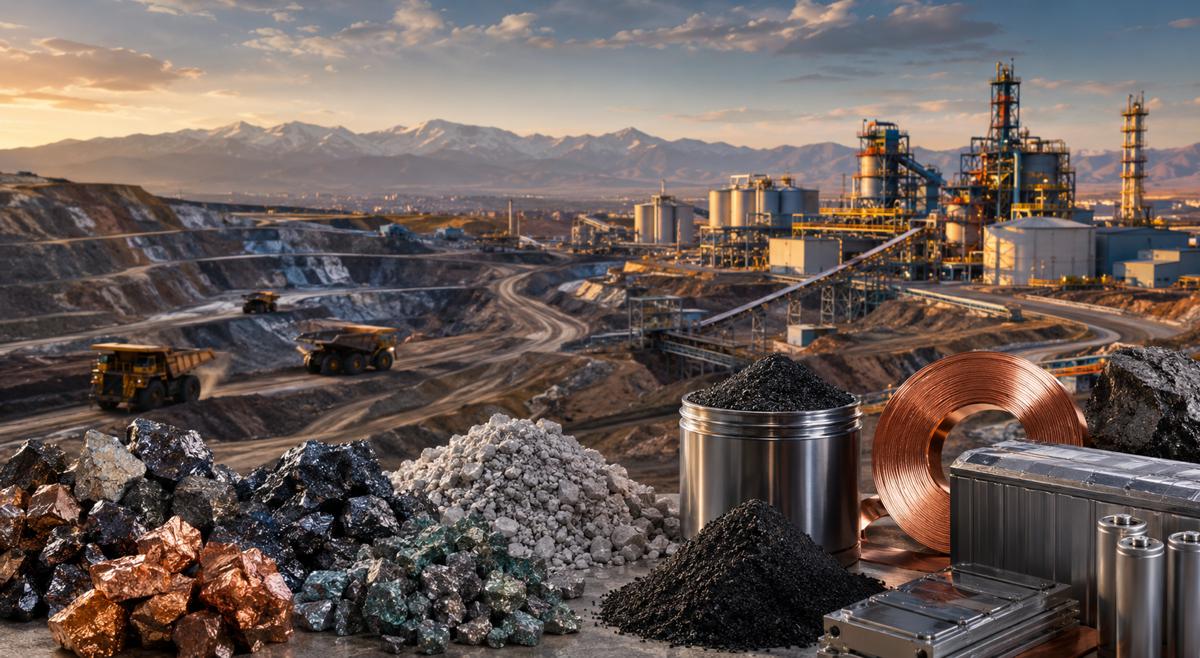
The initiative arrives at a particularly important moment for the global infrastructure and industrial sectors. Demand for lithium, nickel, cobalt, copper, graphite and rare earth minerals continues to climb sharply as governments accelerate investment in electrification, renewable energy and digital infrastructure. According to forecasts from the International Energy Agency, demand for critical minerals linked to clean energy technologies could more than double by 2030 under existing policy pathways, placing immense pressure on supply chains, processing capacity and industrial ecosystems.
Yet while many developing economies possess substantial mineral reserves, the majority still remain locked into the least profitable segment of the value chain. Extraction generates export revenues, certainly, but much of the long-term economic value sits further downstream in processing, refining, component manufacturing and recycling. That imbalance has increasingly become a source of concern for governments seeking industrial diversification and greater economic resilience.
Speaking at the launch event in Samarkand, ADB President Masato Kanda framed the issue in distinctly strategic terms: “Critical minerals are at the heart of this transformation. They are not simply upstream inputs. They are strategic assets. They link natural resources to clean energy, to manufacturing, to jobs. And they are central to the region’s connected future.”
Briefing
- Asian Development Bank launched the Critical Minerals-to-Manufacturing Financing Partnership Facility in Samarkand, Uzbekistan
- The initiative aims to strengthen regional supply chains from mineral extraction through to processing, manufacturing and recycling
- Early investment opportunities are emerging in Uzbekistan, Mongolia and India
- The facility is supported by Japan, the United Kingdom, Korea Eximbank and K-SURE alongside private sector and development finance partners
- The programme reflects growing international concern over supply chain resilience, industrial competitiveness and access to critical minerals
Critical Minerals Become Central to Industrial Strategy
For much of the past two decades, globalisation encouraged industries to prioritise efficiency and low-cost sourcing. That model is now under mounting pressure as governments confront supply disruptions, trade tensions and growing strategic competition surrounding access to industrial materials.
Critical minerals sit at the centre of this recalibration. China currently dominates large sections of the global processing and refining market for many strategic minerals, while resource extraction itself remains heavily concentrated across relatively small groups of countries. This concentration has exposed vulnerabilities across automotive, construction technology, renewable energy and electronics sectors.
Construction and infrastructure firms are increasingly affected by these pressures. Modern infrastructure projects rely heavily on electrification technologies, advanced batteries, high-performance wiring systems, sensors and digital monitoring equipment, all of which depend upon secure mineral supplies. Even heavy construction equipment manufacturers are shifting towards electrified fleets and low-emission machinery, further increasing demand for mineral-intensive technologies.
The response from governments has been increasingly interventionist. The United States, European Union, Japan, South Korea and several Gulf economies have all introduced policies designed to secure mineral access, encourage domestic processing and reduce supply chain dependencies. Development banks are now moving to support emerging economies seeking a stronger role within those supply chains. That wider industrial context underpins the new ADB financing facility.
“Many of our developing member countries with critical mineral deposits are currently focused upon upstream extraction,” Kanda said. “There is significant potential to strengthen vertical integration at local and regional levels to involve processing, manufacturing, and recycling.”
Building Value Chains Instead of Export Corridors
The new financing platform reflects a growing recognition that resource-rich nations increasingly want to participate in higher-value industrial activities rather than merely supplying raw commodities to foreign manufacturers.
Historically, many developing economies exported unprocessed mineral resources while advanced manufacturing and technology production remained concentrated elsewhere. Although mining generated revenues, it rarely delivered the broader industrial ecosystems capable of creating large-scale employment, technical expertise and resilient manufacturing sectors.
ADB’s approach appears designed to challenge that model by supporting integrated regional supply chains that connect extraction with refining, manufacturing and eventually recycling.
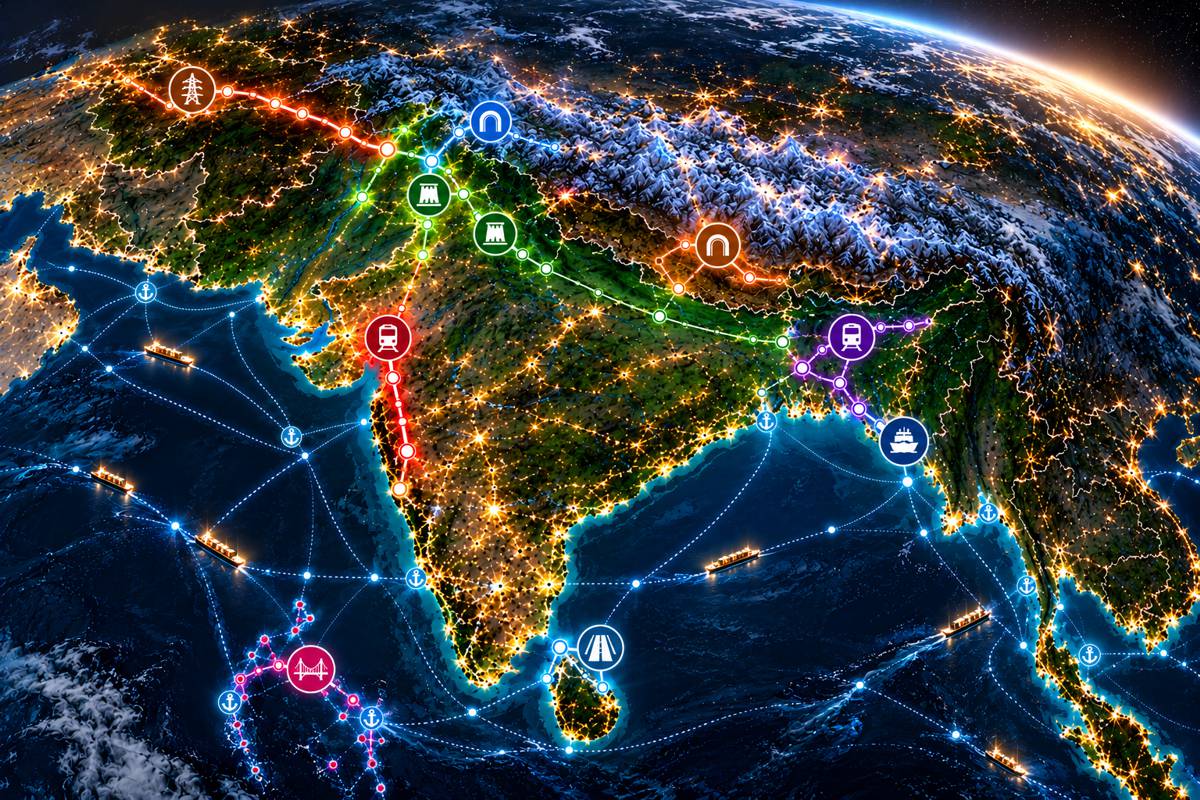
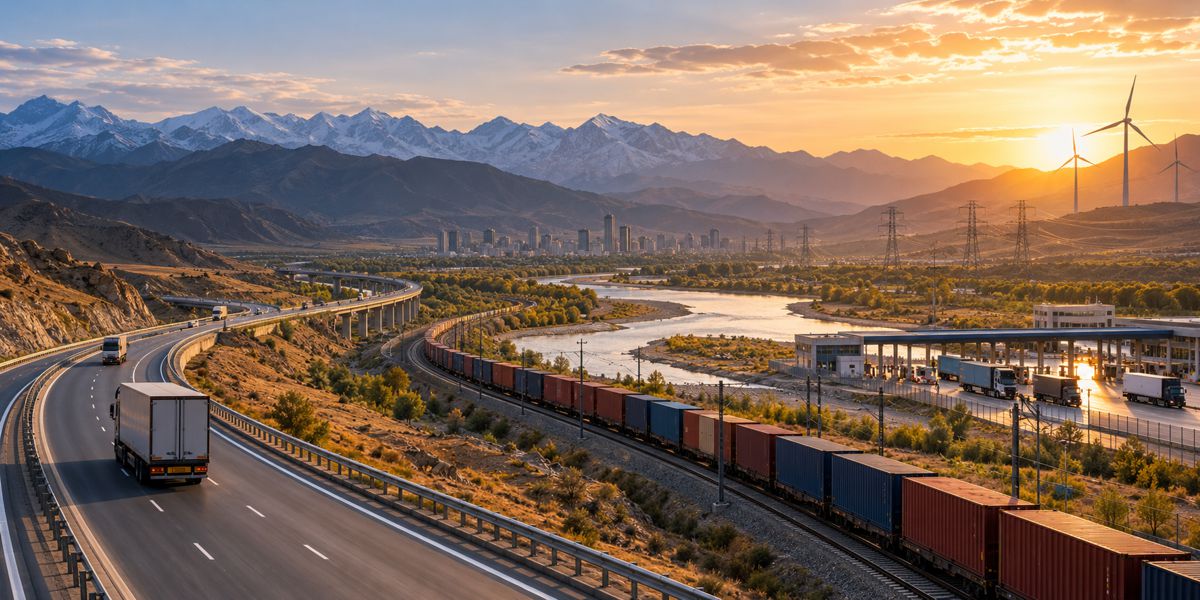
That shift carries significant implications for infrastructure investment. Building vertically integrated mineral economies requires transport corridors, logistics hubs, energy systems, industrial zones, water infrastructure, digital networks and skilled labour ecosystems. In practical terms, the minerals transition is becoming as much an infrastructure challenge as an energy challenge.
Kanda emphasised the importance of creating interconnected industrial systems rather than isolated mining operations: “Such integration creates jobs, attracts investments, and strengthens resilience. It also ensures that growth in one part of the value chain supports growth in others, creating development that is genuinely inclusive and mutually reinforcing.”
The language reflects a wider trend among multilateral lenders that increasingly view industrial policy, energy transition goals and infrastructure development as interconnected rather than separate priorities.
Uzbekistan Emerges as a Strategic Regional Hub
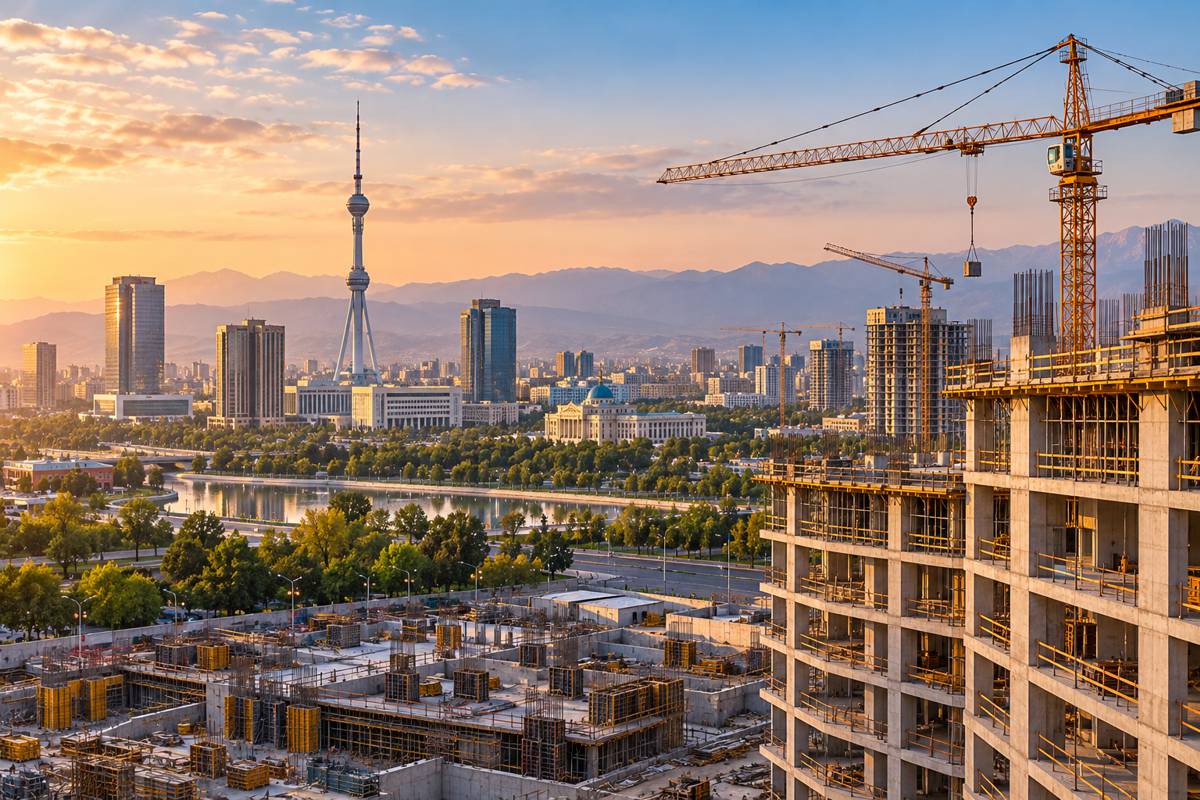
The decision to launch the facility in Samarkand was more than symbolic. Central Asia has emerged as an increasingly important region in the global competition for critical mineral access, with countries such as Uzbekistan and Kazakhstan attracting growing international attention from investors and industrial partners.
Uzbekistan in particular has sought to position itself as a strategic manufacturing and logistics hub linking Asia, Europe and the Middle East. The country possesses reserves of copper, tungsten, molybdenum and rare earth elements while simultaneously investing heavily in industrial modernisation and transport infrastructure.
ADB identified Uzbekistan, Mongolia and India as early opportunity markets for the new programme, suggesting the institution is targeting countries capable of linking resource development with domestic industrial expansion.
India represents a particularly important dimension of the strategy. The country is aggressively expanding its manufacturing capabilities across electric mobility, electronics, renewable energy systems and industrial equipment production. Securing reliable mineral supply chains will be central to those ambitions.
Meanwhile, Mongolia continues to attract major mining investment due to its extensive copper and mineral reserves, although infrastructure constraints and export dependencies remain ongoing challenges.
By focusing on multiple regional economies simultaneously, ADB appears to be encouraging cross-border industrial integration rather than purely national projects.
Recycling and Black Mass Gain Strategic Importance
One of the more notable themes raised during the Samarkand discussions involved the growing importance of recycling within future mineral supply chains.
As battery usage expands globally, attention is increasingly turning towards the recovery and reuse of strategic materials from end-of-life batteries and industrial products. This process generates so-called “Black Mass”, a recycled material containing valuable metals including lithium, nickel, cobalt and manganese.
Ownership, processing rights and supply access to Black Mass are rapidly becoming major commercial and geopolitical issues.
“We will explore the full value chain,” Kanda noted. “This includes emerging issues like the ownership of recycled critical minerals, or Black Mass, which is fast becoming a decisive factor in supply security and competitiveness.”
For infrastructure and industrial investors, recycling could eventually become as strategically important as mining itself. Urban mining and material recovery may reduce pressure on primary extraction while simultaneously creating new industrial sectors focused on recycling technologies, waste management systems and circular manufacturing processes.
This area is attracting increasing investment from automotive manufacturers, battery producers and governments concerned about long-term resource security. Several forecasts suggest recycled materials could eventually account for a substantial share of critical mineral supply by the 2030s and 2040s.
Financing Becomes the Decisive Factor
While mineral demand projections continue to rise, one of the largest obstacles facing many emerging economies remains financing. Mining and downstream manufacturing projects require substantial upfront capital investment, long development timelines and significant infrastructure support.
Private investors often remain cautious due to political risk, regulatory uncertainty, environmental concerns and commodity price volatility. Development finance institutions therefore increasingly play a catalytic role in reducing investment barriers and mobilising commercial capital.
ADB’s new facility appears specifically structured to address those financing gaps by combining public sector support, export credit agencies and private capital participation.
Kanda acknowledged the importance of coordinated financial ecosystems during his remarks, thanking the governments of Japan and the United Kingdom alongside Korea Eximbank and K-SURE for supporting the initiative.
“Your support is what turns strategy into bankable projects, and projects into development impact,” he said.
That phrase reflects a growing reality across global infrastructure development. Large-scale industrial transformation increasingly depends upon blended finance models capable of sharing risk between governments, development banks and commercial investors.
Industrial Competition Is Reshaping Infrastructure Priorities
The launch of the facility also highlights how industrial competition is influencing infrastructure planning across Asia and the Pacific.
Transport corridors, industrial parks, ports, rail freight systems and power generation projects are now frequently evaluated through the lens of supply chain resilience and manufacturing competitiveness rather than traditional economic development metrics alone.
Countries capable of integrating infrastructure investment with industrial strategy may be better positioned to attract long-term manufacturing investment linked to clean energy technologies.
ADB’s initiative signals recognition that critical minerals are no longer isolated commodities markets. They are increasingly foundational to future industrial systems, construction technologies and economic competitiveness.
Kanda closed his remarks with a clear indication that the institution intends to take a more active role in accelerating these transitions: “At ADB, we are committed to ensuring our developing member countries capture that value. We will take more risks. We will act proactively. And we will work together with resolve, dedication, and speed.”
For the global construction and infrastructure sectors, the implications are substantial. The next phase of the energy transition will not simply be about deploying renewable technologies. It will involve reshaping industrial geography, financing new manufacturing ecosystems and building entirely new supply chain infrastructure across emerging economies.
The countries that successfully connect mineral resources with manufacturing capability may ultimately secure far greater economic influence than those that remain exporters of raw materials alone.