Figuring out Fire and Flooding in the Silvertown Tunnel
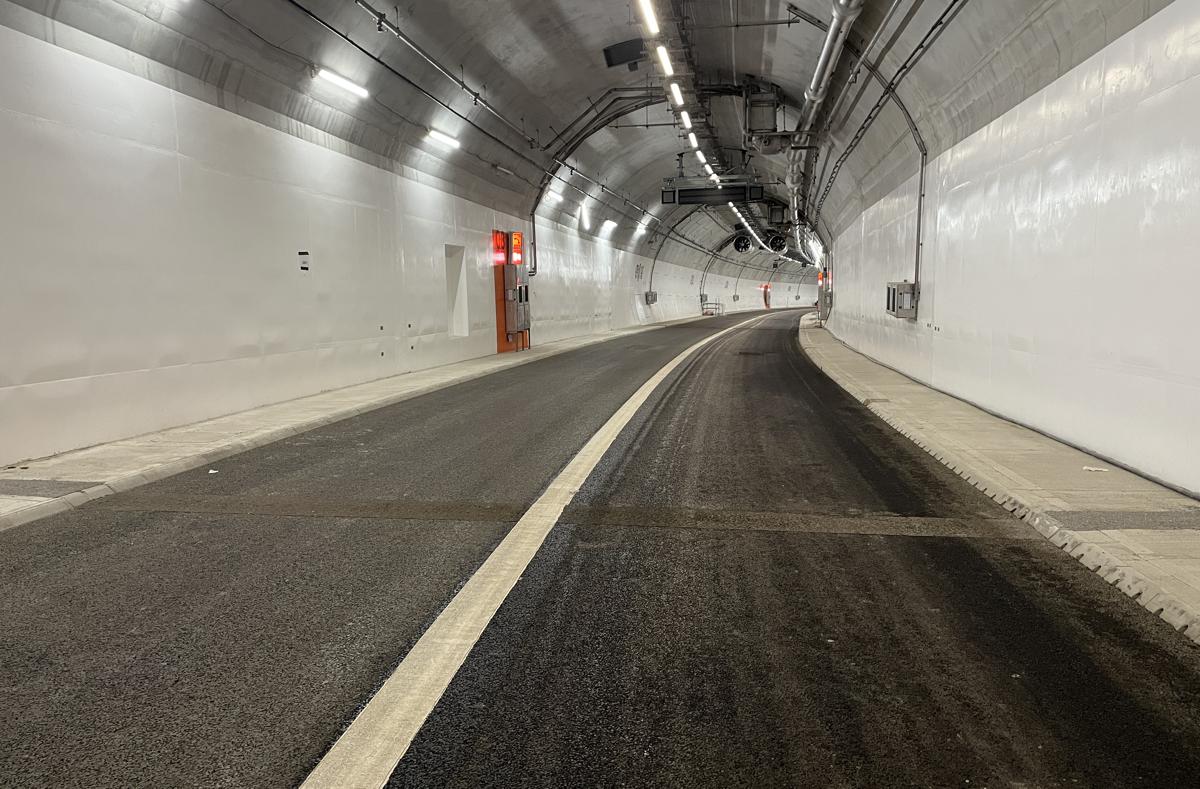
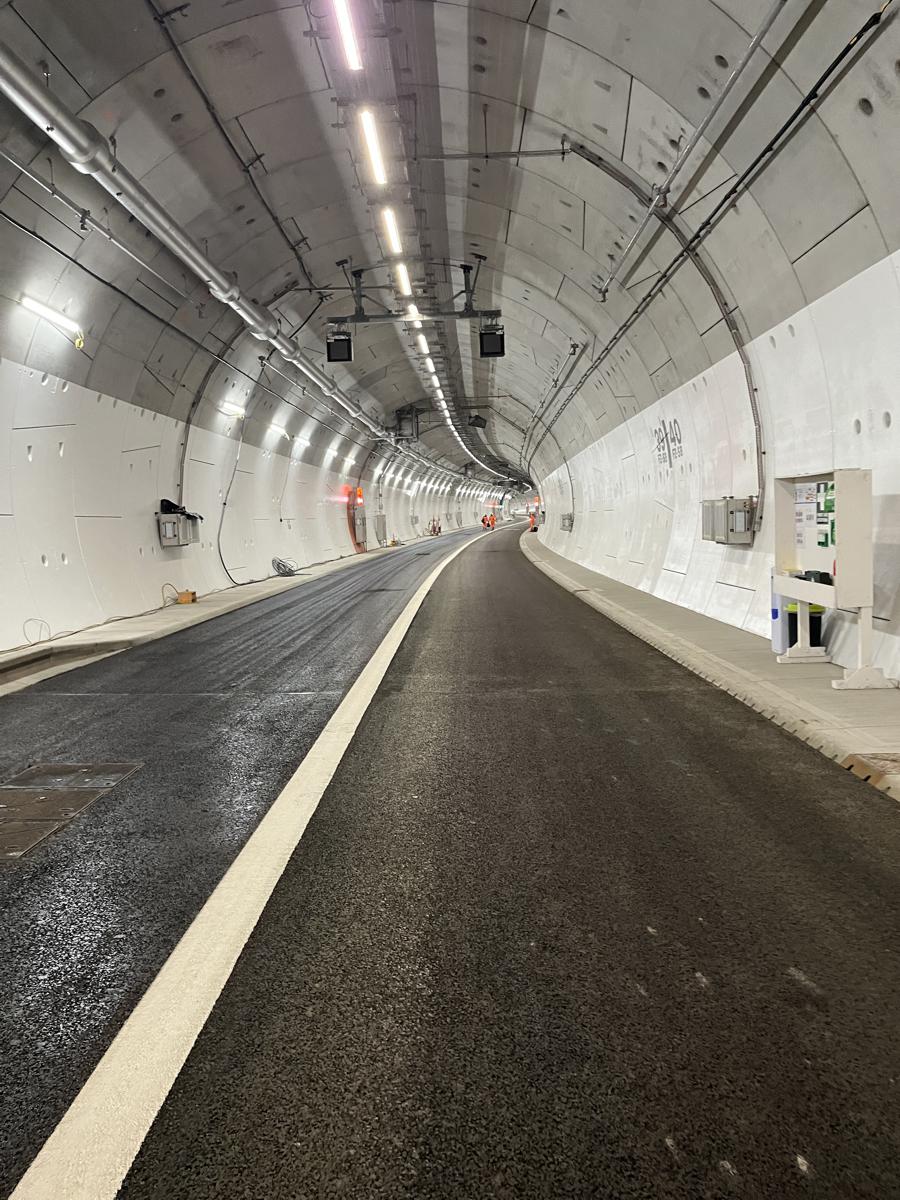
In April 2025, the Silvertown Tunnel was declared open. The 1.4-kilometre twin-bore tunnel passes underneath the River Thames, from Silvertown to the Greenwich Peninsula, and was delivered as a Nationally Significant Infrastructure Project (NSIP) commissioned by Transport for London (TfL). The goal of the project was to reduce journey times and congestion, and estimations after the project’s completion indicate it has been successful in meeting these objectives.
The achievements of the Silvertown project go further than reducing traffic. The project had to simultaneously tackle two seemingly disparate risks: flooding and fire. A bespoke solution was designed and installed, and a few lessons were learned on the journey. Here, Terry Wilkinson, Specialist Design & Application Engineer at ACO, looks at what highways professionals can learn from the Silvertown Tunnel.
Back in May 2018, TfL was given the go-ahead to build a new tunnel which had been in the works since the mid-90s. As with all highways tunnels, drainage had to be a core consideration to avoid flooding, but the risks involved in tunnel use are compounded by the possibility of fires breaking out.
Should a vehicle catch fire inside the tunnel, it would set off sprinklers along the tunnel route, which could result in localised flooding. This could lead to secondary hazards, including structural damage of tunnel infrastructure. These issues may also impede evacuation and increase risk to tunnel users. So, the challenge was to deliver effective fire suppression that wouldn’t compromise or overwhelm drainage.
Model behaviour
The way to approach this was with early hydraulic modelling. This involved deploying ACO’s QuAD hydraulic design software for a detailed analysis which fed into the models that then helped assess what the impact of sprinklers would be on the drainage. Based on this advanced modelling, it was possible to identify solutions that would be able to handle the required sprinkler rate volumes.
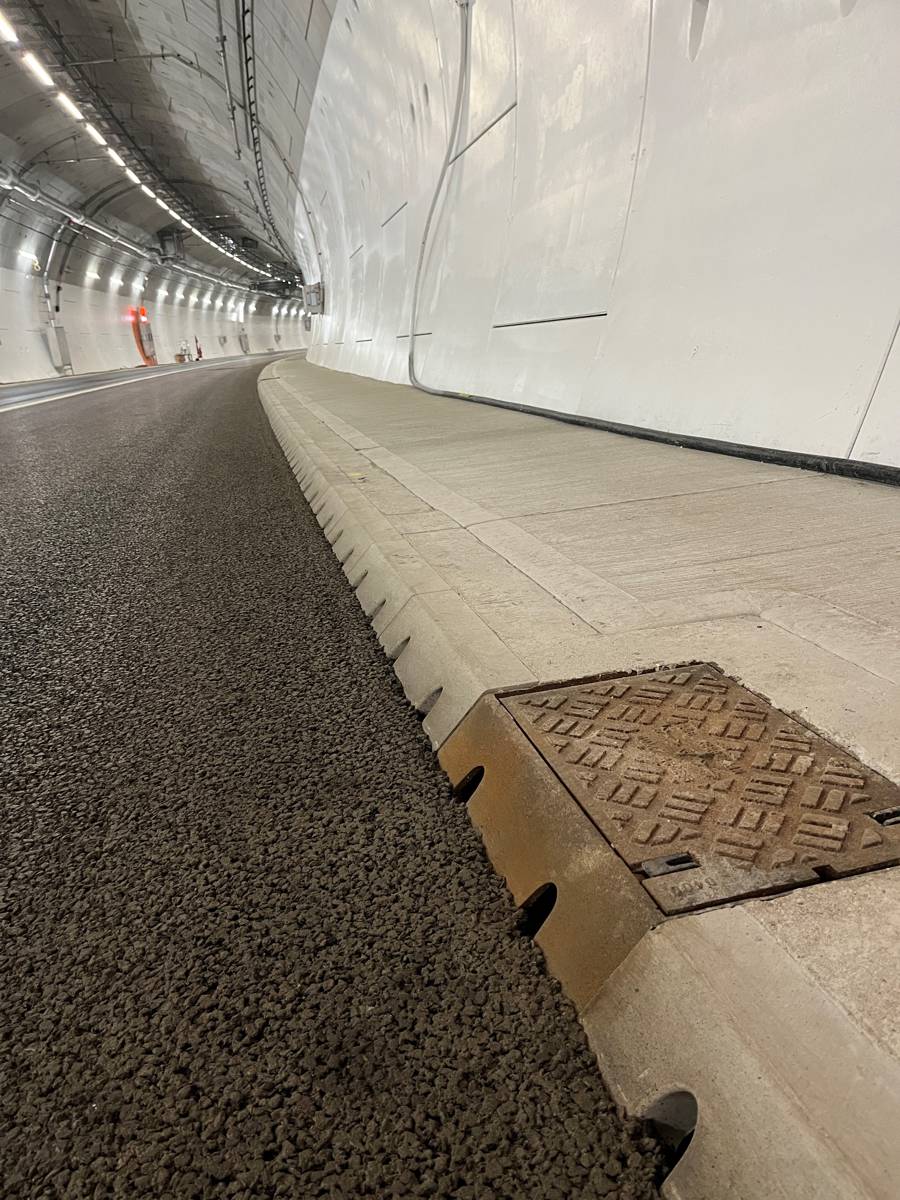
In this case, we found that ACO’s splayed KerbDrain SP480 units could manage the volumes and met TfL’s requirement for inlet diameters of 50mm or less, helping prevent blockages while maintaining sufficient capacity. The modelling helped streamline the product selection process by giving the team a clear picture of how sprinkler discharge water would behave in various circumstances. This meant designs could be tested digitally and assumptions challenged if needed. This is especially valuable where safety systems – such as sprinklers – may introduce extreme and infrequent loading conditions.
Flame out
Drainage design and fire risk were closely intertwined throughout the design process. There was a potential risk that fuel or other flammable hydrocarbons could spill and wash into the drainage network. This could then ignite and spread fire downstream, significantly increasing the hazard to tunnel users, damage to critical infrastructure, and the risk of fatalities..
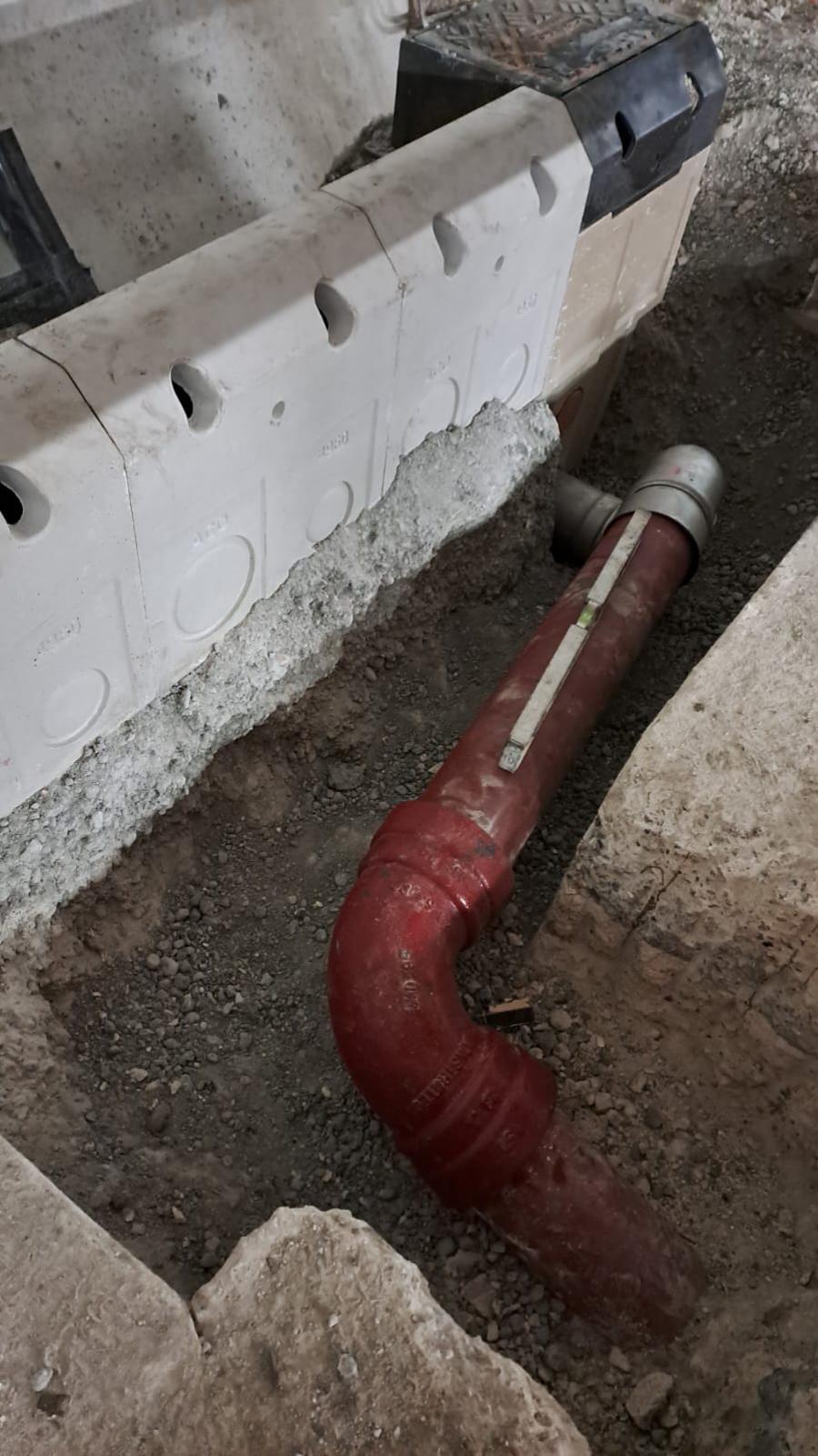
The tunnel needed a drainage solution that could also trap fire before it could spread. The R&D team at ACO worked up designs for a solution that included a U-bend between the KerbDrain gully and carrier pipe. This means that sections of pipe are always filled with water and these sections act as a barrier that prevents fire from moving along the drainage network.
In high-risk environments, it may be that standard solutions don’t meet the combination of requirements that need to be fulfilled. In cases like these, which include the Silvertown Tunnel, bespoke solutions present an answer as they can be developed from inception to installation to match the needs of a specific project.
Joint project
One of the project requirements was that the drainage could accommodate structural movement. In most tunnel projects, movement is an unavoidable reality and must be taken into account at the design stage to avoid breaks, leakage or misalignment. At Silvertown Tunnel, expansion joints needed to absorb up to 20mm of horizontal and 16mm of vertical movement, all while being able to withstand the full force of a 10-tonne wheel load. The expansion joints also needed to support effective drainage as well.
The resulting solution was a stainless-steel unit, anchored to the road surface either side of the KerbDrain SP480 units. It included an internal and external rib structure to provide strength, and the expansion joint solution was fully tested in line with industry standards. Two tests were conducted, the first being a 10-tonne accidental wheel loading specification test which is set out in the Design Manual for Roads and Bridges (DMRB). The second test was done in accordance with EN 1433 Load class D400. Behind the stainless-steel cover, ACO specified two flexible 100mm polypropylene pipes that would carry water across the joint in the event of the sprinklers being activated.
A prototype was created and delivered to site. After successful installation testing, 19 channel expansion joints were manufactured at ACO’s site in Bedford and delivered on time for the project to continue uninterrupted.
A single-system strategy
The core lesson of the Silvertown Tunnel project is not about each individual component. Instead, highways and infrastructure professionals need to remind themselves of the value inherent to a single fully integrated, systems-based approach. The combined kerb drainage channel, flame trap and expansion joint worked together as a single solution, rather than as a collection of disparate parts. They were selected or designed with their use case front of mind – including in the extremes of flooding and fire. This approach ultimately simplified installation and enhanced the tunnel’s long-term resilience, both of which are significant factors in any infrastructure project.
Each project is in some way unique, though lessons can be learned and applied to future projects. The Silvertown Tunnel project has given a clear demonstration of the importance of early collaboration, detailed analysis and bespoke engineering in delivering infrastructure that is safe, resilient and compliant.
Highways professionals who keep this in mind as they embark on projects with similar goals or constraints will be well-placed to handle the competing demands of major projects while keeping focussed on ensuring performance and durability are built in from the very beginning. What’s more, they will know that their projects will be keeping those who rely on them safe long after work is complete.