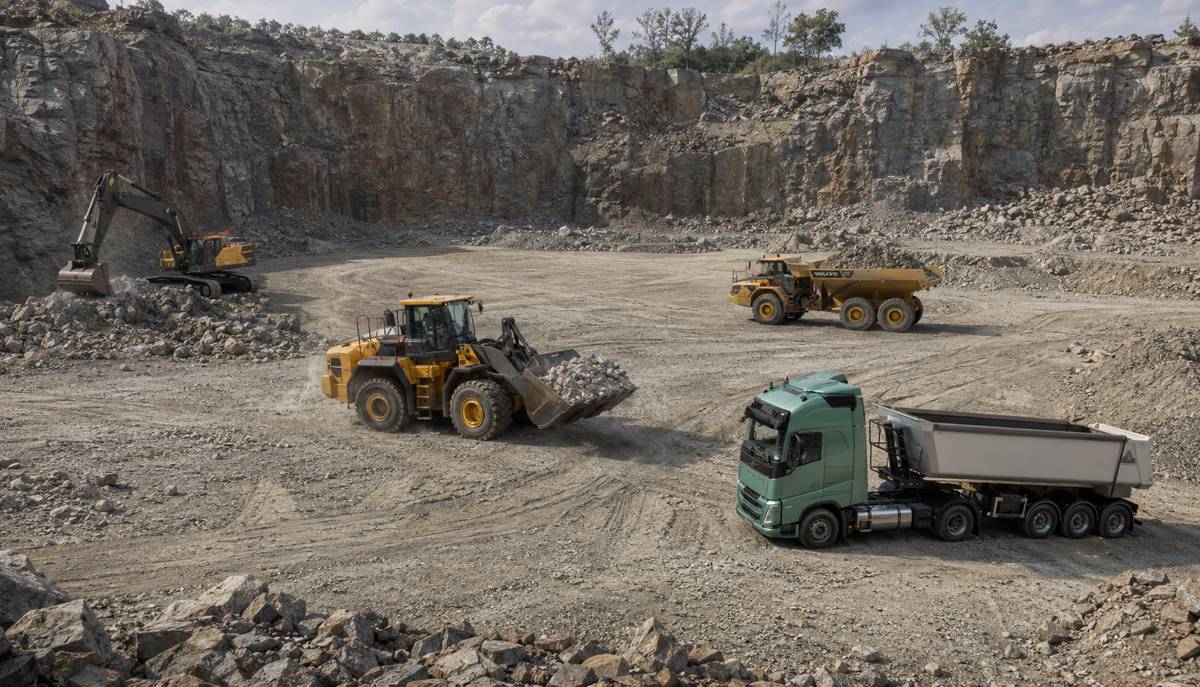
VolvoCE and Hitachi Energy Team Up to Power Zero Emission Construction Sites
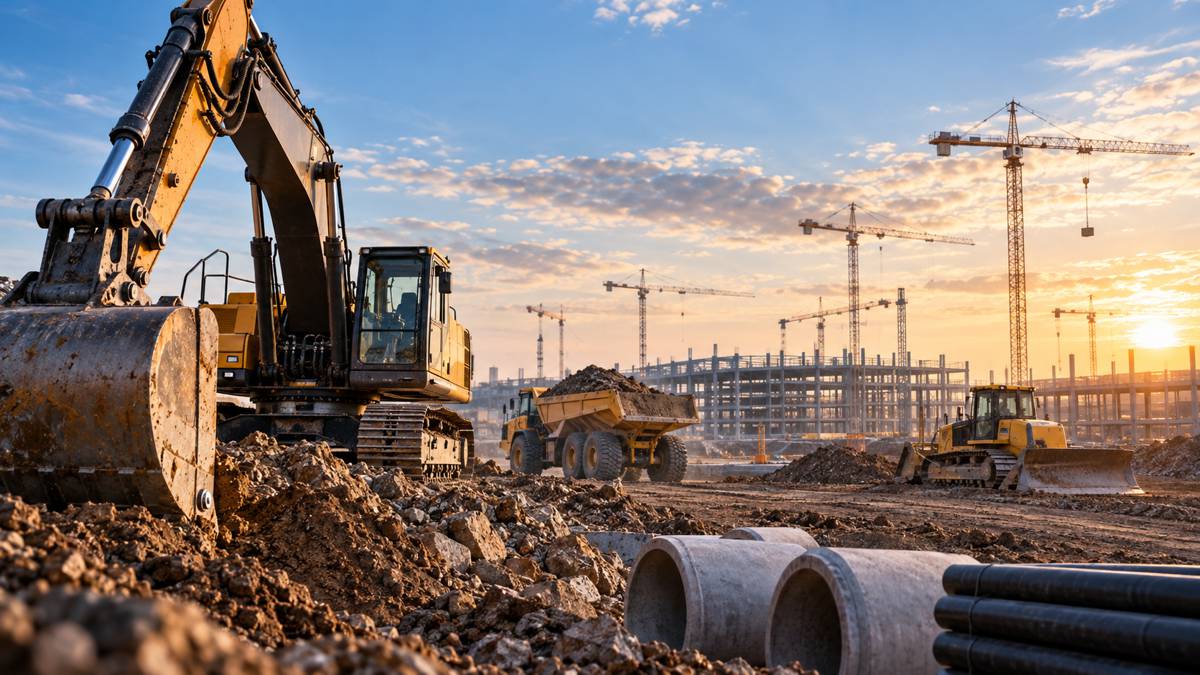
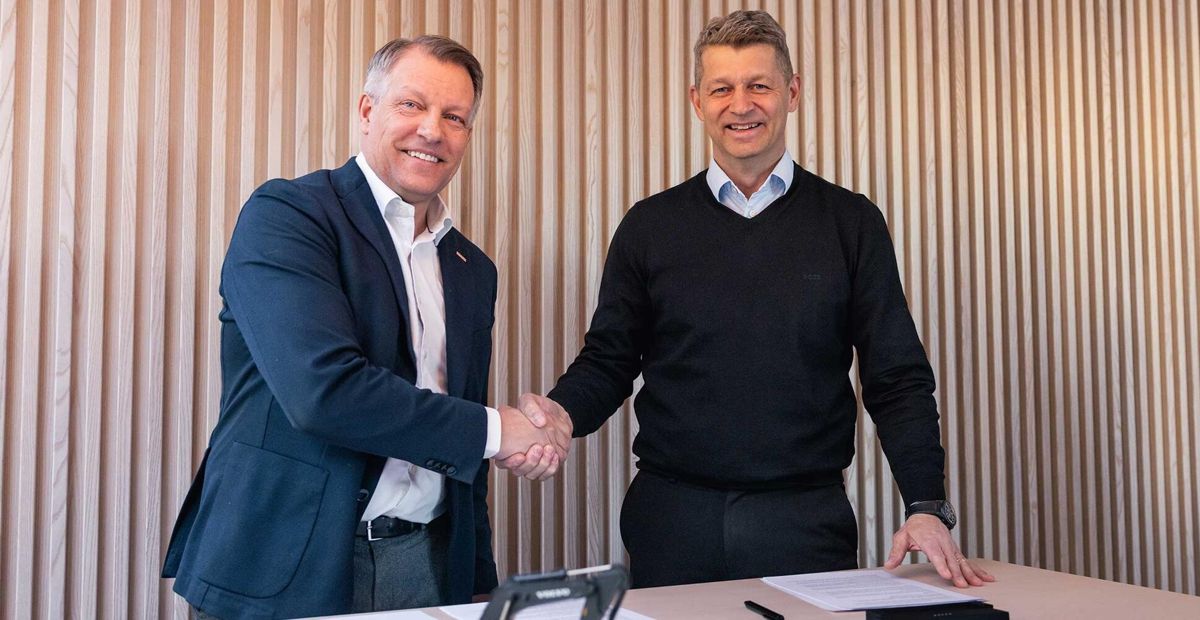
Putting a battery into an excavator is the easy part. Keeping a yard full of electric machines charged, scheduled and working through a full shift, without tripping the local grid or stalling the build, is where the real headache starts. That gap between a single electric machine and a fully running emission free site is exactly what Volvo Construction Equipment and Hitachi Energy have set out to close, and on 27 May 2026 the two signed a Memorandum of Understanding to do it together.
The deal pairs one of the industry’s broadest electric machine ranges with a power systems specialist that spends its days wiring up grids and managing energy flows. On paper it reads like a tidy bit of corporate housekeeping. In practice it speaks to a shift that has been creeping up on the sector for a while now, where the hard problem is no longer the kit itself but everything that has to sit around it to make the kit useful on a real, muddy, deadline driven job site.
Briefing
- Volvo CE and Hitachi Energy signed a Memorandum of Understanding on 27 May 2026 to develop end to end approaches for zero emission construction sites.
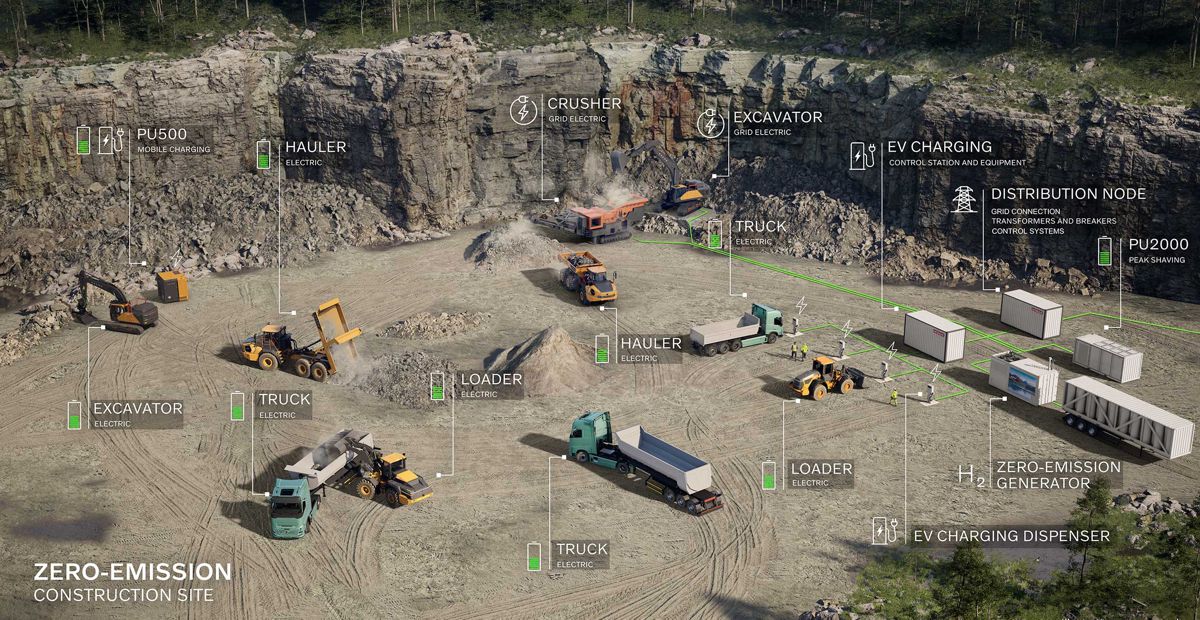
- The collaboration targets system level requirements, namely power supply, charging, energy management and operational integration, rather than individual machines.
- The agreement is non exclusive and covers business models, go to market plans, aftermarket and support, delivered through joint teams from both firms.
- Early work is commercial and plug and play in focus, with the door left open to connected machines, digital integration and expanded services later.
- The construction sector now drives roughly a third of global CO2 emissions, which sharpens the commercial case for whole site electrification.
Why Whole Site Electrification Has Been Stuck
For the best part of a decade, the electrification story in construction has been told machine by machine. A compact excavator here, a wheel loader there, each one a proof point that battery power can do the job. Volvo CE has been one of the louder voices in that conversation, and it now fields what it describes as the largest electric line-up in the industry, spanning mini excavators, compact and mid size wheel loaders, an asphalt compactor and the mid size EC230 Electric excavator. The machines, in other words, increasingly exist.
The site they have to work on, though, often doesn’t cooperate. A modern earthmover such as the EC230 Electric carries a 450 kWh battery, which is a serious amount of energy to put back into a machine overnight, let alone across a fleet running shifts. Many construction sites sit at the ragged edge of the grid, with thin connections, temporary supply and no obvious place to plug in several heavy machines at once.
Add charging windows, peak demand charges and the simple choreography of which machine charges when, and you start to see why a pile of capable electric kit can still grind to a halt. That is the coordination problem the two companies are aiming at, and it is a far less photogenic challenge than unveiling a shiny new excavator.
What the Two Companies Have Actually Agreed
It pays to be precise about what’s been signed, because a Memorandum of Understanding is a framework rather than a binding supply contract. Under the agreement, the pair will work on a non exclusive basis to assess technical and commercial concepts that support zero emission construction and manufacturing operations, with the emphasis squarely on system integration and getting things to work at site level. The scope reaches into business models, go to market approaches, and the often overlooked questions of aftermarket and support, with joint teams from both sides doing the legwork.
The companies have been candid that the opening phase is business led and deliberately practical, leaning towards plug and play packages that make the switch less daunting for customers. The longer game is more ambitious. The MoU sets up a foundation for deeper technical work over time, with connected machines, digital integration and broader service offerings all flagged as possibilities rather than promises. So while the headline is about clean construction, the substance is really about packaging, financing and supporting a whole system that customers can buy with some confidence rather than assembling it themselves from a dozen suppliers.
Two Very Different Specialists Under One Roof
The logic of the pairing comes down to filling each other’s gaps. Volvo CE knows machines, duty cycles and the rhythms of a working site. Hitachi Energy, headquartered in Zurich and majority owned by Hitachi, knows grids, power electronics and energy management at industrial scale, the unglamorous backbone that decides whether electrons actually arrive where they’re needed. Niklas Persson, who leads the firm’s Grid Integration business, frames the construction site as one of the trickier corners of the energy transition.
“Electrification is a game changer in the decarbonization puzzle, particularly for hard‑to‑abate environments such as construction sites,” Persson said. “As construction operations become more electric and more complex, success depends less on individual technologies and more on system‑level integration, strong execution, and close collaboration with partners like Volvo CE who share our ambition to enable zero‑emission construction at scale.”
Volvo CE has been building towards this for years, having shown its first compact electric machines at bauma back in 2019 and worked on live trials with partners including the Danish Technological Institute and contractor Per Aarsleff. Bolting on a power systems heavyweight is the company’s way of admitting that selling machines isn’t enough if the surrounding infrastructure can’t keep up.
The Pressure That Makes This Commercial, Not Charitable
None of this is happening in a vacuum. Recent research published in Communications Earth and Environment found the construction sector now accounts for around a third of global CO2 emissions, up from roughly a fifth in 1995, and warned the figure is on course to double by 2050 on current trends. The bulk of that sits in materials such as cement, brick and steel, but a meaningful slice, somewhere near a third by the study’s accounting, comes from transport, machinery and on site activity, which is precisely the territory electric equipment can touch.
Regulation is tightening to match. The UN Environment Programme’s latest Global Status Report for Buildings and Construction puts the wider sector at roughly 37 per cent of global CO2 emissions and has warned that decarbonisation has actually been slowing. Across Europe and North America, permitting and procurement increasingly demand that projects account for emissions from the planning stage onward, and low emission zones are reshaping what can run in city centres. For a contractor bidding on public work, a credible zero emission offer is fast becoming a commercial qualifier rather than a nice to have. That’s the demand signal both companies are reading, and it explains why this looks less like green positioning and more like a bet on where the money is heading.
Strategic Partnerships Key To Accelerating The Transition
There’s a temptation to oversell a Memorandum of Understanding, so a little restraint is in order. No products have been launched, no figures committed and no timelines published, and either party could walk away. What has changed is the framing. Two firms with complementary strengths are publicly treating the zero emission site as an integration problem to be solved jointly, not a feature to be marketed separately, and that mindset shift matters for an industry that has too often left customers to stitch the pieces together themselves.
Melker Jernberg, President of Volvo CE, put the ambition plainly. “Strategic partnerships such as this with Hitachi Energy are key to accelerating the transition to zero-emission construction,” Jernberg said. “By combining complementary expertise and delivering a complete, integrated solution, we are giving customers the confidence, security, and peace of mind they need to adopt emission-free operations today.” Whether the partnership delivers on that will come down to the products, prices and support that follow. For now, the signal to contractors, investors and policymakers is that the building blocks of a clean construction site are starting to be assembled into something you can actually buy.