EVS Morocco 2026 Connects Electric Vehicle Manufacturers with African Markets
Morocco’s automotive industry is approaching annual manufacturing capacity of one million vehicles, supported by major investment in assembly plants, component production and electric mobility technologies. The expansion is creating opportunities for international manufacturers seeking access to established industrial facilities and distribution networks serving African and European markets.
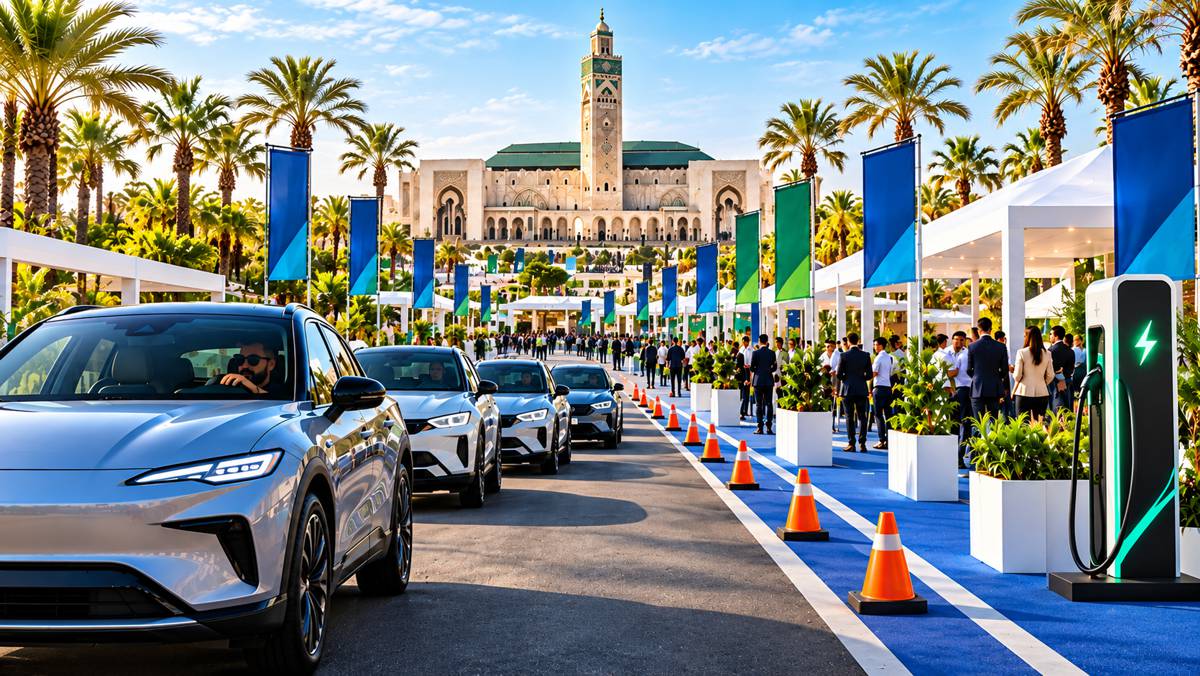
Against this industrial backdrop, the second Africa EV Mobility Expo Morocco (EVS Morocco 2026) will take place at the Foire Internationale de Casablanca from 27 to 29 October 2026. The exhibition will bring together electric vehicle manufacturers, battery suppliers, charging technology companies and potential distribution partners from across Africa and international markets.
Organisers are targeting more than 200 exhibitors presenting over 500 products, with an anticipated 15,000 visitors from at least 15 countries. The event is being held under the aegis of Morocco’s Ministry of Transport and Logistics, with the International Trade Council among its strategic partners.
The exhibition comes as Morocco expands its automotive manufacturing capabilities beyond conventional vehicle assembly. Electric two- and three-wheelers, commercial vehicles, batteries and charging equipment are becoming part of a broader industrial strategy, while manufacturers from China and elsewhere are examining opportunities for distribution, local assembly and technical partnerships.
Briefing
- EVS Morocco 2026 takes place in Casablanca from 27 to 29 October, with more than 200 exhibitors anticipated.
- Morocco’s automotive manufacturing capacity is approaching one million vehicles annually, supported by investment from established international manufacturers.
- Stellantis announced a €1.2 billion expansion of its Kénitra manufacturing operations in 2025, including increased electric micromobility production.
- China’s CCCME is participating as a co-organiser, bringing manufacturers interested in African distribution and industrial partnerships.
- The exhibition programme targets 1,000 business matchmaking meetings involving manufacturers, distributors, fleet operators and investors.
Morocco’s Automotive Manufacturing Base
Morocco has spent years developing an automotive manufacturing industry centred on vehicle assembly, component production and exports. Operations established by Renault and Stellantis have attracted extensive supplier networks, creating an industrial base capable of supporting increasingly sophisticated manufacturing activities.
In July 2025, Stellantis announced a major expansion of its Kénitra plant, involving approximately €1.2 billion of investment. The programme was designed to increase the facility’s annual manufacturing capacity to 535,000 vehicles, while expanding production of small electric vehicles, including the Citroën Ami, Opel Rocks-e and Fiat Topolino.
The expansion also includes hybrid engine manufacturing and electric three-wheelers, with the company planning to increase annual production capacity for small electric vehicles from 20,000 to 70,000 units. The Moroccan government has identified greater local sourcing as another objective, with Stellantis targeting a local integration rate of 75% by 2030.
These investments sit within a national automotive strategy that has progressively increased manufacturing capacity and developed domestic component suppliers. Morocco’s industrial ambitions extend into battery manufacturing, electrical systems and the equipment required to support electric mobility.
Manufacturing capacity, however, is distinct from actual vehicle output. The availability of production facilities establishes the potential scale of the industry, while realised volumes depend on demand, supply chains and the commercial performance of individual manufacturers.
Morocco’s geographical position provides access to European export markets and opportunities across Africa. Individual African markets nevertheless present different import regulations, purchasing conditions and infrastructure requirements, making local commercial relationships an essential part of regional expansion.
China–Morocco Industrial Cooperation
Chinese manufacturers will have a prominent presence at EVS Morocco 2026, with the China Chamber of Commerce for Import and Export of Machinery and Electronic Products (CCCME) participating as a co-organiser alongside MIE Events and GEX.
The chamber’s involvement brings manufacturers covering electric motorcycles, scooters, three-wheelers, batteries, solar equipment and advanced materials to Casablanca. Their participation reflects the commercial interest in connecting Chinese manufacturing capabilities with Morocco’s established industrial sector and the wider African market.
Among the companies advertised for the exhibition are YADEA, AIMA and TAILG, major manufacturers of electric two-wheelers. Their presence offers potential distributors and fleet operators an opportunity to examine competing products and discuss commercial arrangements directly with suppliers.
For Chinese manufacturers, Morocco offers several possible routes into regional markets. Finished vehicles can be distributed through established importers and dealers, while local assembly and component supply arrangements may become attractive where production volumes and commercial conditions justify the investment.
The development of regional after-sales networks will be equally important. Electric vehicles require reliable access to replacement batteries, electronic components, diagnostic equipment and trained maintenance personnel. These services become particularly relevant when manufacturers move beyond individual consumer sales into commercial fleet applications.
The exhibition is expected to provide a setting for distribution agreements, dealership appointments and discussions concerning joint ventures or local manufacturing. Any resulting investment commitments will depend on the commercial negotiations that follow.
Electric Two-Wheelers and Commercial Mobility
Electric motorcycles, scooters and three-wheelers are among the exhibition’s principal product categories, alongside passenger vehicles and light commercial transport equipment.
These smaller vehicles have applications in urban deliveries, courier services, passenger transport and commercial fleet operations. Their operating characteristics differ considerably from those of electric passenger cars, particularly in terms of energy consumption, charging requirements and acquisition costs.
For delivery fleets operating on relatively predictable routes, electric two-wheelers can provide a practical alternative to conventional motorcycles. Their commercial suitability depends on daily mileage, battery durability, purchase price and the availability of maintenance services.
Battery swapping is another option for high-utilisation operations, allowing discharged batteries to be exchanged rather than requiring vehicles to remain connected to chargers. However, swapping networks require compatible battery systems, suitable locations and sufficient vehicle numbers to support the investment.
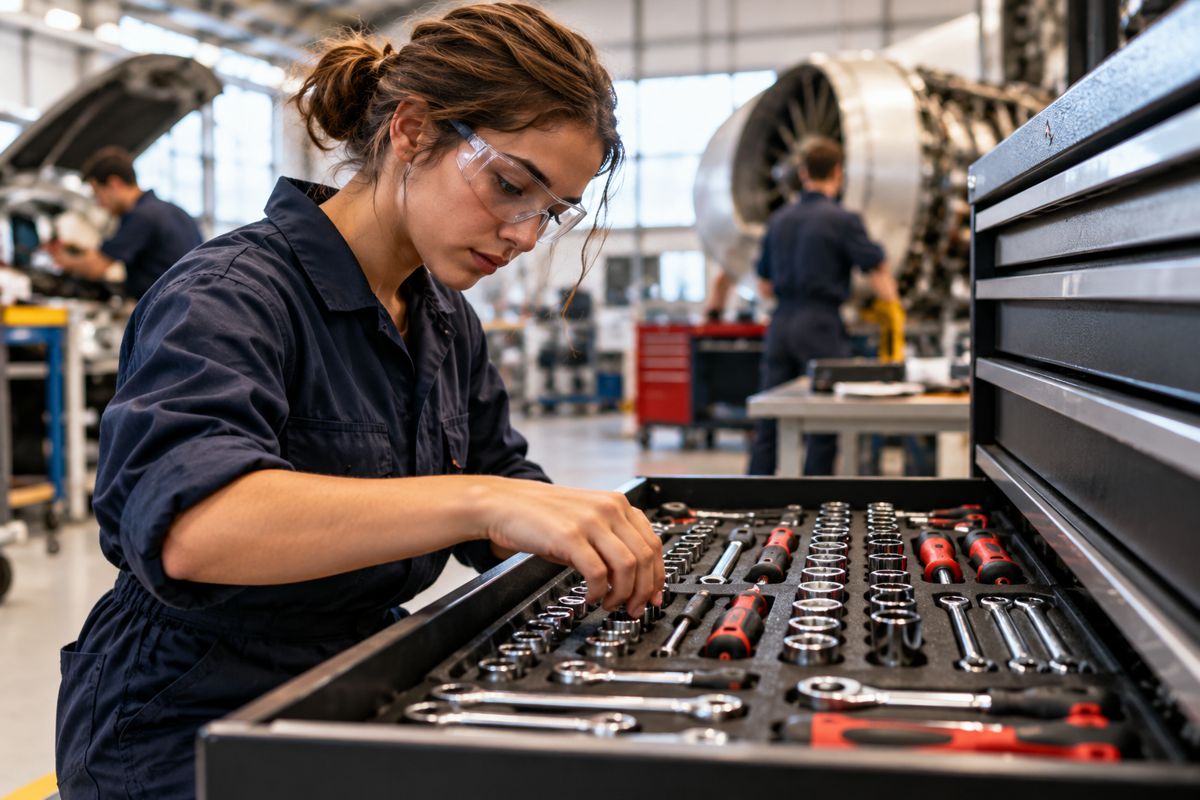
The exhibition will also feature automotive aftermarket suppliers, including companies providing electrical components, controllers, wiring systems, tyres and diagnostic equipment. These businesses form part of the support infrastructure needed as electric vehicle fleets expand.
Charging Infrastructure and Energy Supply
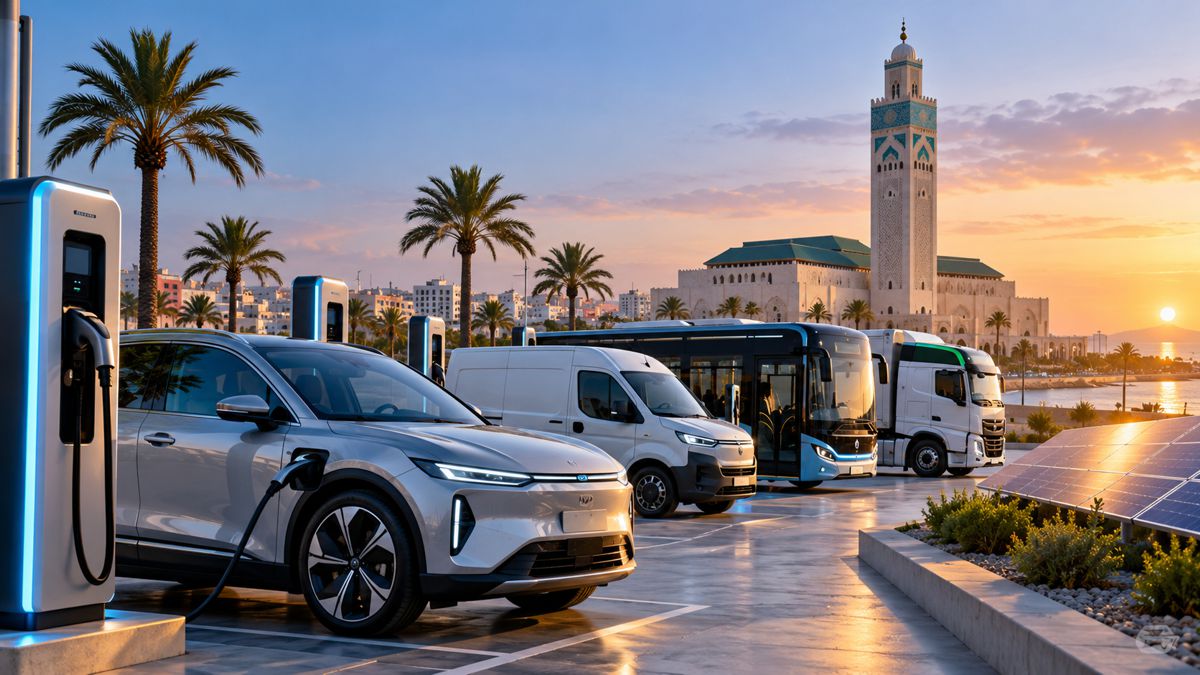
Charging equipment, stationary battery storage and solar technologies will feature alongside the vehicles themselves, reflecting the need to develop suitable energy infrastructure as electric mobility expands.
Commercial fleet electrification presents particular opportunities for depot-based charging. Vehicles operating on fixed routes or returning regularly to a central location can be charged according to planned schedules, reducing dependence on public charging infrastructure.
The electrical requirements of these installations vary according to fleet size, vehicle duty cycles and available grid capacity. Operators must also consider charging speeds, equipment compatibility and the potential cost of upgrading electrical connections.
Solar generation and stationary battery storage may support some installations, particularly where local electricity supply constraints or peak demand charges influence operating costs. Their suitability depends on site conditions, capital expenditure and the relationship between generation and vehicle charging requirements.
The exhibition’s conference programme is expected to examine charging infrastructure, technical standards, regulation and energy supply. Planned discussions include charging protocols and battery-as-a-service models, both relevant to manufacturers and operators considering how electric vehicle networks can develop across different African markets.
Commercial Partnerships and Industry Discussions
The three-day programme combines product displays, technical presentations, panel discussions, workshops and structured business meetings. Organisers are targeting 1,000 matchmaking meetings involving manufacturers, dealers, importers, fleet operators, investors and procurement teams.
Companies advertised among the exhibitors include Renault, KGM, LEONI, ROX Motors and SOUEST, alongside specialist electric mobility and component manufacturers. EQDOM, Dongfeng and Exceed are identified as sponsors.
The conference programme is organised around industrial development, infrastructure and market adoption. Sessions are expected to address Morocco’s automotive manufacturing capabilities, China–Morocco cooperation, charging infrastructure, regulation and the commercial prospects for electric two-wheelers.
The presence of vehicle manufacturers, component suppliers and potential distributors creates opportunities to discuss the practical requirements of establishing new markets. Financing, technical support and reliable replacement-parts provision are particularly relevant where electric vehicle adoption remains at an early stage.
Developing Africa’s Electric Mobility Supply Chain
Morocco’s established automotive industry provides a foundation for further investment in electric mobility, but the commercial opportunities extend beyond manufacturing passenger vehicles.
Electric motorcycles, delivery vehicles, charging systems, battery components and maintenance equipment represent different parts of the market, each with its own supply chain and operating requirements. Some may support domestic assembly and manufacturing, while others will depend primarily on imported products and reliable distribution networks.
EVS Morocco 2026 will bring these activities together as international manufacturers examine opportunities across North Africa and the wider continent. The commercial relationships established in Casablanca will provide an indication of how suppliers intend to approach markets where vehicle affordability, infrastructure provision and long-term technical support remain central considerations.
Key Industry Questions
- When and where is EVS Morocco 2026 taking place? The exhibition runs from 27 to 29 October 2026 at the Foire Internationale de Casablanca, Morocco, with advertised opening hours of 10:00 to 18:00 daily.
- How many exhibitors are expected at EVS Morocco 2026? Organisers are targeting more than 200 exhibitors, over 500 products and approximately 15,000 visitors from at least 15 countries. These figures represent anticipated participation rather than final attendance.
- Which electric vehicle manufacturers are participating? The advertised line-up includes YADEA, AIMA, TAILG, Renault, KGM, ROX Motors and SOUEST, alongside component manufacturers and technology suppliers.
- How large is Morocco’s automotive manufacturing industry? Morocco has developed annual vehicle manufacturing capacity approaching one million units, supported by major assembly operations and an established automotive component supply chain. Capacity should not be confused with actual annual production.
- What is Stellantis manufacturing in Morocco? Stellantis’ Kénitra operations include conventional vehicle production, hybrid engines and small electric vehicles such as the Citroën Ami, Opel Rocks-e and Fiat Topolino. Its expansion programme also includes electric three-wheelers.
- What role does China play in the exhibition? CCCME is participating as a co-organiser, bringing Chinese manufacturers and suppliers seeking distribution, component supply and potential industrial partnerships in African markets.
- Which charging technologies will be represented? The exhibition covers charging equipment, battery-swapping systems, stationary energy storage, solar technologies and associated electrical components.
- What opportunities exist for commercial fleet operators? Fleet operators can examine electric motorcycles, three-wheelers, commercial vehicles, charging systems and maintenance technologies, while discussing procurement and support arrangements with suppliers.
- How can industry professionals attend? Exhibition details and registration information are available through the EVS Morocco website.
Strategic Takeaways
- Morocco’s established automotive manufacturing industry provides international electric mobility suppliers with access to production facilities, component networks and export infrastructure.
- Chinese participation creates opportunities for distribution and local assembly partnerships, although commercial agreements and investment commitments remain subject to negotiation.
- Electric motorcycles and three-wheelers offer practical applications in delivery and commercial transport where operating patterns support electrification.
- Fleet charging infrastructure must be designed around vehicle utilisation, electrical capacity and the economics of individual operations.
- Reliable after-sales services, technical support and replacement components will influence the long-term viability of electric mobility businesses entering African markets.