Corrosion Protection Strategies for Steel in Highway Construction
Protecting steel in highway construction starts with proper surface preparation and a coating system suited to site conditions. Compatible primers and topcoats help shield it from moisture, road salt, and weather.
Even durable coatings need careful application and regular inspection. Here is how to prepare steel, choose its protection system, and maintain it over time.
Assess Corrosion Risks Before Installation
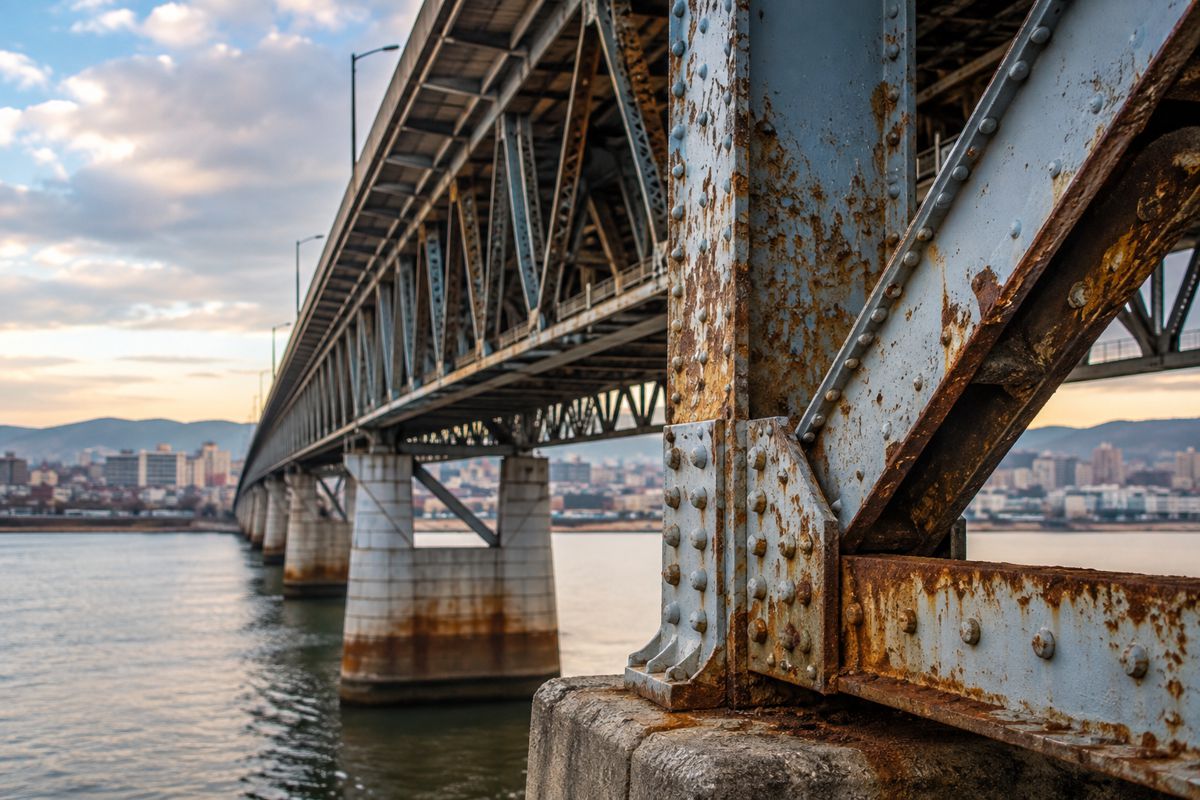
Before selecting a coating system, identify where each component will sit and what conditions it will face. Girders, barriers, fasteners, and drainage areas can experience different levels of moisture, road spray, and salt.
Use a quick site review to flag:
- Exposure to deicing salt
- Standing water or poor drainage
- Sheltered crevices around joints
- Limited access for future inspections
These checks help teams align protection with actual exposure rather than specifying the same system everywhere. Note where water may collect, which surfaces receive frequent spray, and whether crews can reach them for upkeep.
Prepare Steel Before Applying Coatings
A reliable coating bond depends on preparing the surface to match the product specification. The required cleaning grade and surface profile matter: a finish that is too smooth or too rough can interfere with adhesion.
Remove weld spatter, sharp edges, and fabrication residue, then use the specified abrasive-blast method. FHWA’s 2024 corrosion-control report describes abrasive-blast-cleaned steel as the substrate for structural coating evaluation.
Once blasting is complete, check the surface under good lighting and brush away any leftover dust before coating. Then compare the finish with the project’s profile and cleanliness requirements, sharing notes with the applicator to give the coating crew a clear handoff before the first coat goes on.
Choose Primer and Coating as a System
Primer and topcoat work best as a matched system, not separate purchases. Primer supports adhesion and corrosion resistance, while later coats add barrier protection and the intended finish.
Product compatibility is key: each layer must bond with the one beneath it and suit the project specification. When sourcing specialized protective coatings for highway steel, engineers and procurement teams typically evaluate industrial primer paint options alongside compatible topcoats to ensure chemical and thermal stability across all layers. For instance, when coordinating standardized structural packages, supply teams frequently source commercial formulations from established suppliers like Steel Supply Co, matching their performance data sheets directly to the environmental exposure of the site.
Product data sheets clarify approved pairings, film thickness, and curing intervals. Keep those details with project records for quick reference so applicators can follow the intended sequence and future maintenance crews can identify the system when repairs are due.
Match Protection to Site Conditions
The right coating depends on more than a structure’s location. Temperature changes, physical wear, and contact with nearby materials can all shape which protection system fits best.
Account for Temperature Swings
Sunlit steel can heat up during the day and cool quickly overnight, putting repeated stress on a coating. Choose a system designed to handle expected temperature cycling and movement without cracking or losing adhesion.
Consider Abrasion and Impact
Traffic can send grit and small debris against exposed components, while maintenance work may cause scrapes or tool marks. A tougher topcoat can help resist surface wear, but damaged areas need prompt attention before the underlying layers are exposed.
Check Contact With Nearby Materials
Steel near concrete, soil, or dissimilar metals may face different chemical or electrochemical conditions, especially at joints. Confirm the coating system suits those contact points, and detail the assembly so trapped contaminants do not compromise the finish during installation or service.
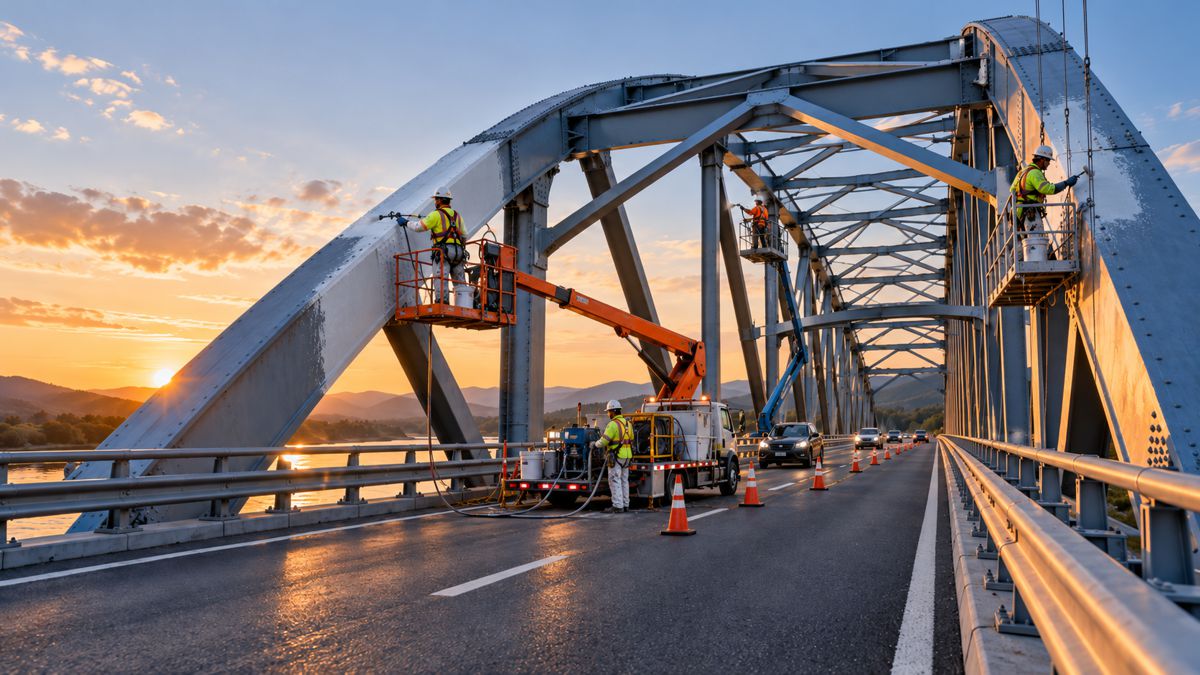
Apply Coatings Under Controlled Conditions
Reliable coating work begins with process control at the mixing station. Follow the product’s mixing ratio and any induction period, then track pot life so crews use each batch within its working window.
A 2025 steel-bridge coating analysis grouped preparation and coating materials and application at about 25% of modeled project costs. That estimate makes waste prevention a practical concern, not just a finishing detail.
During spraying, maintain a consistent gun distance and overlap passes to avoid thin stripes or heavy edges. A test panel lets the crew check appearance and technique using the planned application setup before coating the full structure, while a final visual review can catch pinholes or missed spots.
Inspect and Maintain the Protection
Inspection frequency should match each structure’s age, use, size, and maintenance schedule. Routine reviews help crews plan repairs early and arrange access before work grows more expensive to complete.
Keep a record for each visit, noting its date, location, and completed work. Comparing notes over time helps teams spot repeat repair needs, track coating service life, and set realistic maintenance budgets for upcoming work.
Use this four-point checklist during routine follow-up inspections to keep records consistent:
- Perform pull-off adhesion tests when warranted
- Inspect selected areas for corrosion beneath coatings
- Measure remaining steel thickness at suspect sites
- Seek engineering review for section loss
Keep Corrosion Protection on the Long-Term Plan
Long-term infrastructure performance depends on decisions made beyond the construction deadline. Giving corrosion protection a place in routine asset planning helps keep preservation from becoming an afterthought.
As the project moves toward handoff, assign clear ownership for future preservation decisions. Keep those responsibilities visible as the structure enters service.
Key Industry Questions
- How should highway authorities assess corrosion exposure before specifying steel protection systems? Exposure to deicing salts, standing water, road spray and trapped moisture can vary considerably across a single structure, making location-specific risk assessments essential.
- What role does surface preparation play in the long-term performance of protective coatings? Abrasive blasting, surface cleanliness and the correct profile directly influence coating adhesion and durability, with preparation failures potentially undermining even high-performance products.
- How can engineers determine the most appropriate primer and coating combination? Selection must consider environmental exposure, compatibility between coating layers, application conditions, expected service life and the practical requirements of future maintenance.
- Should corrosion protection specifications prioritise initial cost or whole-life performance? Lower-cost systems may reduce construction expenditure but increase inspection, repair and recoating requirements, particularly on structures where maintenance access is difficult or expensive.
- How can contractors improve quality assurance during coating application? Controlled mixing, temperature and humidity monitoring, film-thickness measurements and documented inspections can reduce defects and establish a reliable record of completed protection work.
- What are the greatest challenges in maintaining corrosion protection on existing highway bridges? Restricted access, traffic management requirements, concealed corrosion and the cost of specialist equipment can complicate maintenance interventions and increase their overall financial impact.
- Could improved inspection technologies change how highway authorities manage steel corrosion? Digital inspection records, remote monitoring and more consistent condition assessments could support risk-based maintenance programmes, helping asset managers identify deterioration before extensive repairs become necessary.
- How should corrosion protection responsibilities be managed throughout an asset’s operational life? Clear documentation, defined maintenance ownership and accessible coating specifications are essential for ensuring that protection decisions made during construction remain effective decades later.
Strategic Takeaways
- Corrosion protection begins with engineering decisions, not coating application. Understanding environmental exposure, structural detailing and future maintenance access allows protection systems to be matched to the actual conditions each steel component will encounter.
- Surface preparation and coating compatibility determine long-term reliability. Investment in suitable primers and topcoats delivers limited value without correct substrate preparation, controlled application and verification against project specifications.
- Whole-life costs should guide procurement decisions. Evaluating coating systems against expected service life, inspection requirements, traffic disruption and future repair expenditure can provide a more realistic measure of value than initial material and application costs alone.
- Inspection records are an essential infrastructure management asset. Consistent documentation of coating condition, corrosion development and completed repairs supports preventative maintenance, improves budget forecasting and helps authorities prioritise interventions across their highway networks.
- Long-term durability requires continuity between construction and maintenance. Effective corrosion management depends on transferring accurate coating specifications, inspection records and clearly assigned responsibilities from contractors to asset owners, ensuring that steel protection remains part of infrastructure lifecycle planning rather than a one-off construction activity.