Bentley Expands Seismic Interpretation Capabilities with Eliis Acquisition
Bentley Systems’ subsurface software business, Seequent, has acquired French seismic interpretation specialist Eliis, adding technology developed for analysing deep geological structures to its existing geological modelling portfolio.
The acquisition, announced on 2 November 2026, will see more than 100 Eliis geoscientists, researchers and technical specialists join Seequent. Founded in 2007 and headquartered in Montpellier, France, Eliis has spent nearly two decades developing software that turns seismic survey data into detailed geological interpretations, particularly for energy exploration and reservoir characterisation.
Although Eliis has built much of its business serving oil and gas companies, Bentley sees opportunities for its technology in mineral exploration, groundwater management, carbon storage and other applications where geological uncertainty can influence major investment decisions.
Briefing
- Bentley subsidiary Seequent has acquired French seismic interpretation software developer Eliis.
- More than 100 Eliis specialists will join Seequent, bringing its combined workforce to more than 950 people.
- Eliis develops PaleoScan, a seismic interpretation platform using patented Relative Geological Time technology and AI-assisted workflows.
- The acquisition adds seismic interpretation expertise alongside Seequent’s Leapfrog geological modelling and existing geophysical software.
- Bentley is targeting applications beyond oil and gas, including deeper mineral exploration, groundwater management and carbon storage.
Bringing Seismic Interpretation into the Portfolio
Founded in 2007, Eliis has developed its reputation around PaleoScan, a specialist platform used by hundreds of energy companies to interpret seismic surveys and construct geological models. Its technology addresses a demanding aspect of subsurface investigation: extracting meaningful geological information from large volumes of seismic reflection data.
Seismic surveys use waves travelling through the ground to investigate changes in subsurface properties. Reflections from geological boundaries are recorded and processed into images that geoscientists interpret to identify structures, sedimentary layers, faults and potential reservoirs. At greater depths, where drilling provides relatively sparse information, seismic interpretation can offer valuable geological context across extensive areas.
Conventional interpretation frequently involves identifying and tracking individual geological horizons through seismic datasets. PaleoScan takes a different approach through its patented Relative Geological Time, or RGT, technology, which organises seismic reflections into a continuous stratigraphic framework.
Rather than requiring interpreters to construct that framework entirely through manual horizon picking, PaleoScan uses automated tracking and computer-assisted modelling to develop an initial interpretation. Geoscientists can then examine, correct and refine the result, working with geological relationships throughout the seismic volume.
The process can reveal depositional patterns and structural relationships that might be difficult to recognise when interpreting isolated horizons. It also provides a framework for examining how geological formations developed relative to one another, although relative geological time should not be confused with an absolute geological age.
Eliis has complemented this approach with AI-assisted interpretation tools and its PaleoModel initiative, which is intended to connect seismic interpretation more closely with reservoir modelling and simulation.
Complementing Leapfrog and Existing Geophysical Tools
Seequent already has an extensive presence in subsurface modelling through products including Leapfrog Geo and Oasis montaj. These applications address different aspects of geological investigation, from integrating borehole observations and constructing three-dimensional geological models to processing and interpreting gravity, magnetic and other geophysical measurements.
Leapfrog Geo uses implicit modelling to generate geological surfaces and volumes from information such as drilling records, structural measurements and mapped geological boundaries. Models can be updated as additional investigation data becomes available, making the software particularly useful in mineral exploration and geological studies where understanding develops progressively.
PaleoScan begins with seismic reflection datasets that can reveal extensive subsurface structures beyond the immediate locations of boreholes. The two approaches are complementary, particularly where drilling confirms geological conditions at individual locations while seismic surveys provide a broader picture of structures extending between them.
Combining these sources of information requires careful interpretation. Borehole records offer direct evidence of geological conditions at specific points, while seismic methods provide an indirect picture influenced by rock properties, survey quality and processing decisions. Neither removes the need for geological judgement, and inconsistencies between datasets can themselves reveal areas requiring further investigation.
The acquisition does not mean that PaleoScan and Leapfrog have become a single integrated application. Seequent has confirmed that the products currently exchange data through existing connections, with further integration dependent on customer requirements and technical validation.
Maintaining interoperability with established software environments will also remain important, particularly in energy markets where customers often operate complex combinations of specialist applications.
Opportunities Beyond Conventional Energy
Oil and gas exploration has long supported substantial investment in seismic acquisition, processing and interpretation. The economics are different in mining, groundwater investigation and civil engineering, where survey budgets, target depths, geological characteristics and the value of the information obtained can vary considerably.
Deep mineral exploration offers one potential application. As readily accessible deposits become harder to identify, exploration programmes increasingly need to investigate geological structures beneath substantial overburden or at greater depths. Seismic surveys can contribute information about faults, structural boundaries and other features that may help guide drilling, although their effectiveness varies with the physical properties and complexity of the rock formations involved.
For mining companies, combining seismic interpretation with drilling, geological modelling and other geophysical measurements could improve the selection of exploration targets and help direct investigation towards areas of greatest geological interest. Whether that translates into lower exploration costs depends on the value of the information obtained relative to the expense of acquiring and interpreting seismic data.
Groundwater management and underground carbon storage present different requirements. Both depend on understanding subsurface structures, the continuity of geological formations and the presence of potential pathways through which fluids might move.
In carbon storage projects, seismic methods can help characterise reservoir geometry, sealing formations and fault systems, while repeated surveys may contribute to monitoring changes during storage operations. These investigations typically require additional geological, geomechanical and engineering assessment before operators can establish the suitability of a particular site.
Seequent Chief Executive Graham Grant identified the widening applications for seismic technology in the acquisition announcement: “Lower cost seismic data acquisition and AI are expanding the adoption of seismic methods beyond oil and gas.”
Grant also highlighted opportunities in mineral exploration, groundwater management, minerals recovered from brines and carbon storage, positioning the acquisition within Seequent’s expansion into a wider range of subsurface applications.
Subsurface Information for Infrastructure Engineering
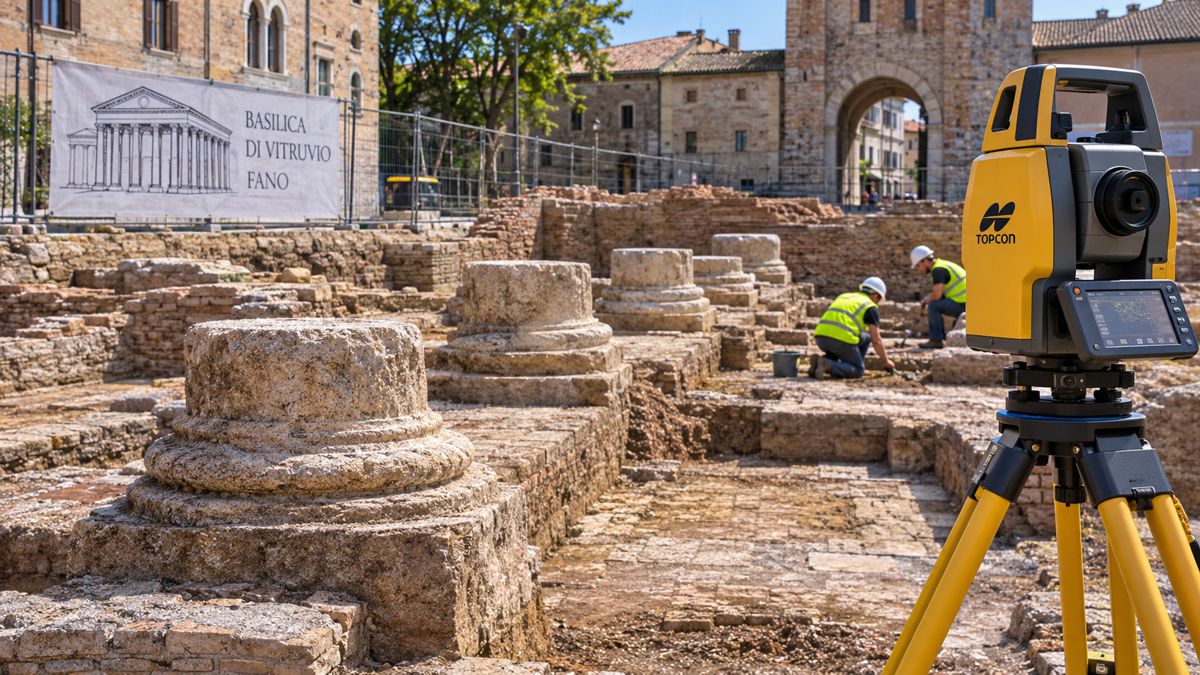
For infrastructure engineering, seismic interpretation is most relevant where projects extend into complex geological environments or require investigation at depths beyond those normally addressed by conventional site investigation.
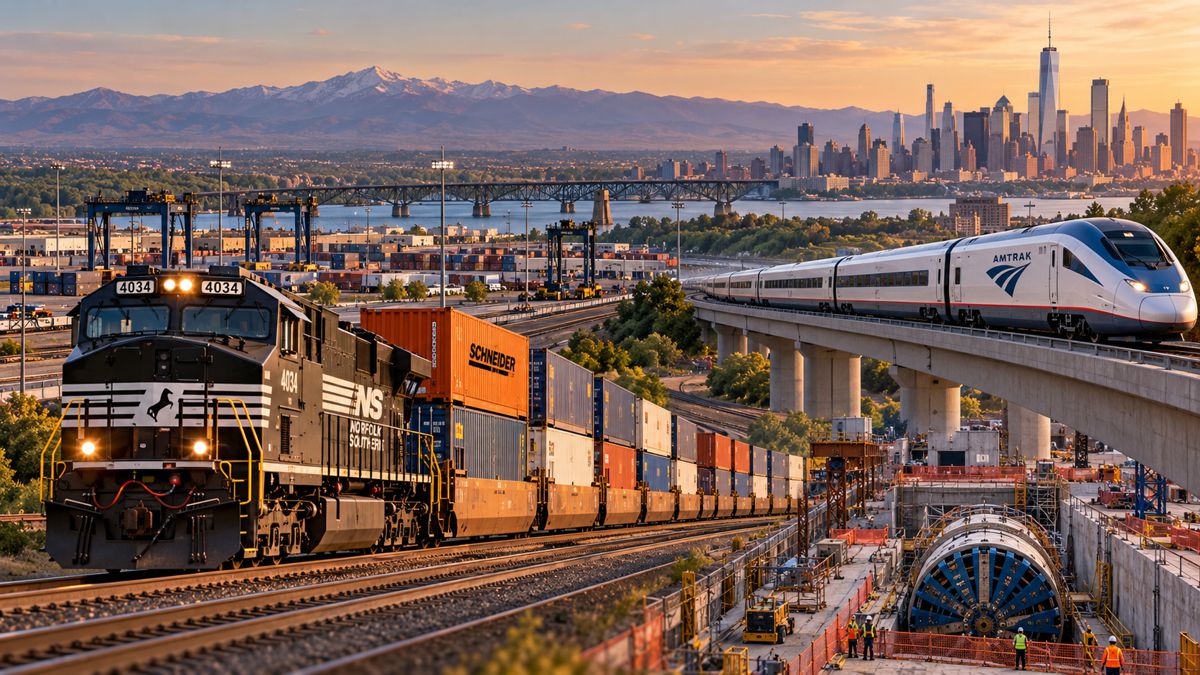
Major tunnels, underground energy storage facilities, deep excavations and certain large civil engineering projects can require extensive geological characterisation. Fault locations, changes in rock type and the geometry of geological formations can influence tunnel alignment selection, excavation methods, ground support requirements and the overall assessment of construction risk.
Seismic methods are already used in appropriate geotechnical and engineering investigations, although their scale and configuration differ considerably from the large reflection surveys commonly associated with petroleum exploration. Shallow seismic investigation, borehole geophysics and other techniques may be more suitable for identifying near-surface conditions.
PaleoScan’s established expertise lies primarily in interpreting seismic datasets developed for deeper geological and reservoir applications. Its suitability for individual infrastructure projects would depend on the survey characteristics and the geological resolution required.
For Bentley, there is a natural connection between the acquisition and its wider engineering software portfolio. Geological models influence how infrastructure is designed and constructed, particularly where uncertain ground conditions present substantial technical or financial risk.
Closer connections between geological interpretation, subsurface models and engineering applications could make information gathered during early investigations more useful throughout project development. That remains a potential direction for the technology rather than a newly announced end-to-end engineering workflow.
Building a Larger Subsurface Software Business
The transaction adds another specialist technology business to Seequent, which Bentley Systems acquired in 2021. Headquartered in New Zealand, Seequent operates internationally and serves customers across mining, energy, civil infrastructure and environmental geoscience.
According to Bentley, the addition of Eliis will bring Seequent’s workforce to more than 950 employees across 32 locations. Eliis contributes an established customer base, specialist expertise in seismic interpretation and its own research and development capabilities.
The financial terms of the transaction have not been disclosed, leaving its immediate commercial contribution difficult to assess. Bentley has not provided acquisition-specific revenue figures or quantified financial targets for expansion into additional seismic interpretation markets.
Eliis Chief Executive Benoît Matha described the acquisition as providing a long-term home for the company’s technology and specialist team, while supporting expansion beyond its traditional energy customer base.
The acquisition strengthens a portfolio that already encompasses geological modelling, geophysical analysis and subsurface data management. PaleoScan adds depth in seismic interpretation, supported by an established software platform and an experienced technical workforce.
Whether mining, groundwater management and carbon storage become substantial additional markets for PaleoScan will depend on the economics of seismic investigation and the practical value of the geological information it produces. Eliis brings established technology and expertise to those opportunities, alongside a customer base built over nearly two decades in the energy sector.

Key Industry Questions
- What has Bentley Systems acquired? Bentley’s subsurface software subsidiary, Seequent, has acquired Eliis, a French developer of seismic interpretation technology headquartered in Montpellier. The acquisition includes the PaleoScan software platform and a team of more than 100 specialists.
- What is PaleoScan used for? PaleoScan is used to interpret two-dimensional and three-dimensional seismic reflection datasets, construct stratigraphic frameworks and investigate geological structures. Its established applications include energy exploration, prospect evaluation and reservoir characterisation.
- How does Relative Geological Time technology work? Relative Geological Time technology uses seismic reflections to construct a framework representing the relative sequence of geological deposition and events. Automated processes help generate the interpretation, which geoscientists can subsequently refine.
- How does PaleoScan complement Leapfrog Geo? PaleoScan specialises in seismic reflection interpretation, while Leapfrog Geo uses implicit modelling to construct and update geological models from drilling, structural and other geoscientific information. The technologies address complementary aspects of subsurface investigation, although they are not currently combined into a single integrated application.
- Can seismic interpretation improve mineral exploration? Seismic methods can help identify subsurface structures and geological relationships that may guide exploration drilling, particularly at depth. Results depend on geological conditions, survey quality, interpretation and the economics of the exploration programme.
- What applications does seismic interpretation have in carbon storage? Seismic methods can help characterise prospective storage formations, faults and sealing structures. They may also support monitoring programmes alongside other geological and engineering assessments.
- Will the acquisition affect infrastructure engineering software? The acquisition expands Seequent’s subsurface interpretation capabilities, creating opportunities for closer connections between geological information and engineering workflows. Bentley has not announced a specific new infrastructure engineering product arising from the transaction.
- How much did Seequent pay for Eliis? The acquisition price has not been disclosed publicly in Bentley’s announcement.
Strategic Takeaways
- Deeper geophysical expertise: Eliis adds established seismic interpretation technology to Seequent’s geological modelling and geophysical software portfolio, broadening the information available for subsurface investigation.
- Complementary modelling capabilities: PaleoScan’s seismic-based stratigraphic interpretation and Leapfrog’s implicit geological modelling offer opportunities for more connected geological workflows, although further integration remains subject to development.
- Mining presents different commercial economics: Applications beyond petroleum exploration must demonstrate that the value of improved geological information justifies seismic survey and interpretation costs.
- Infrastructure applications require careful matching: Seismic interpretation can contribute to complex underground investigations, but suitability depends on geological depth, survey characteristics and the resolution required for engineering decisions.
- Expansion beyond energy remains to be demonstrated: Eliis brings established technology and customers, while Seequent’s ambitions in groundwater management, carbon storage and other sectors will depend on practical adoption.