Singapore Hosts Global Mobility Leaders as Autonomous Transport Advances
Singapore will welcome more than 8,000 transport professionals, policymakers and industry representatives from over 50 countries on 4–6 November 2026, with autonomous vehicles, intelligent infrastructure and rail modernisation at the centre of an international urban mobility programme.
Taking place at the Suntec Singapore Convention & Exhibition Centre, the inaugural Singapore Urban Mobility Week (SUMW) 2026 arrives as the city-state moves from controlled autonomous vehicle trials towards passenger services while continuing to invest in the renewal and expansion of its established railway network.
Jointly organised by Singapore’s Land Transport Authority (LTA), MSI Global and MP Singapore, the three-day congress and exhibition will feature more than 200 participating companies and brands. Its programme covers autonomous mobility, transport digitalisation, intelligent infrastructure, workforce development and the operational demands of increasingly complex urban transport networks.
Briefing
- Singapore Urban Mobility Week 2026 takes place from 4–6 November at Suntec Singapore.
- More than 8,000 participants from over 50 countries are expected to attend.
- Over 200 companies and brands will present transport technologies and infrastructure solutions.
- Autonomous vehicle deployment, rail renewal and workforce transformation feature prominently in the programme.
- The event includes a Leaders’ Summit, industry forums, exhibition, youth innovation showcase and hosted buyer meetings.
Autonomous Mobility Moves Towards Commercial Deployment
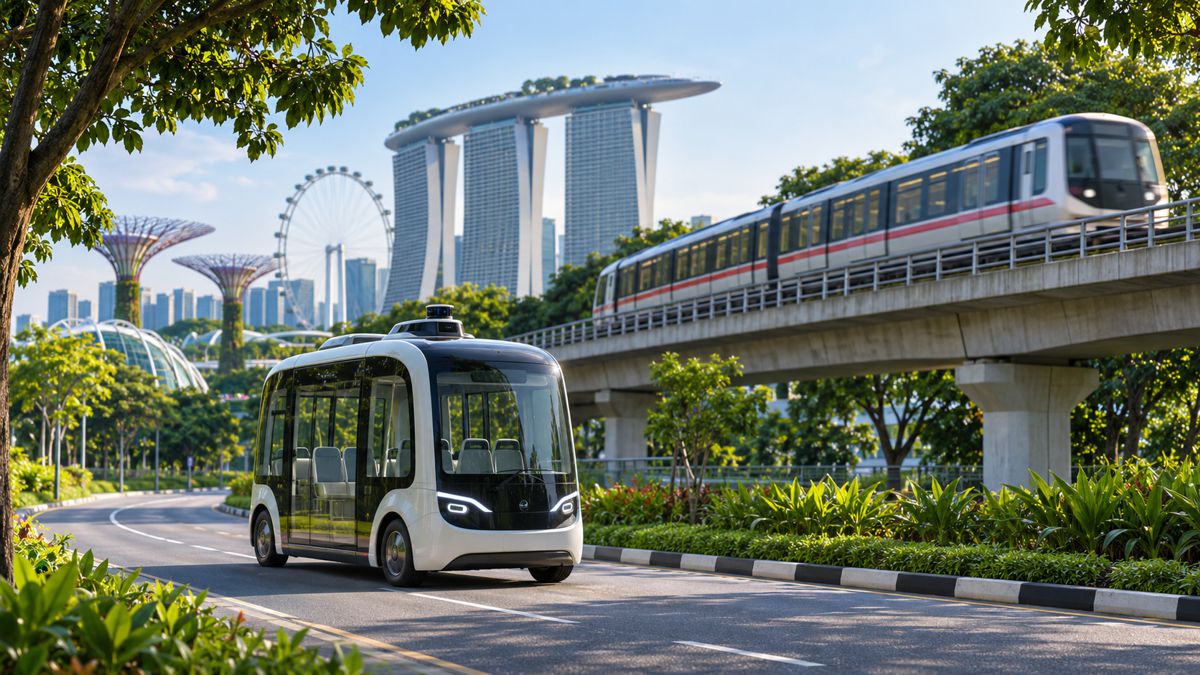
Autonomous transport is among the principal themes of this year’s event, with Singapore providing a useful setting for discussions about the transition from testing to passenger operations. Rather than attempting an immediate introduction of unrestricted autonomous driving, the authorities have concentrated on defined operating areas, established routes and carefully managed deployment conditions.
Public rides on autonomous shuttles in Punggol began in April 2026, following extensive testing and community trials. According to the Land Transport Authority, Grab-operated vehicles had accumulated more than 25,000 kilometres of autonomous driving during testing by late February. The services were designed to connect residential neighbourhoods with transport nodes and local amenities, potentially reducing some journeys by up to 15 minutes compared with existing public transport connections.
By 12 July, more than 11,500 individual passengers had used the autonomous shuttle services operated by Grab and ComfortDelGro. Feedback was encouraging, with 99% of approximately 900 survey respondents reporting that they felt safe during their journeys and would recommend the experience to others.
However, the July passenger feedback also exposed limitations in the fixed-route model. Almost 60% of surveyed Punggol residents preferred greater flexibility over boarding and alighting locations, prompting plans for an on-demand service allowing passengers to travel more directly between existing stops.
The proposed changes demonstrate how practical passenger requirements can influence autonomous transport deployment after initial technical testing has been completed. A vehicle may operate safely along a predetermined route, yet still need a more flexible service model to compete with conventional transport options.
Singapore’s ambitions are extending beyond neighbourhood shuttles. In September 2026, LTA announced Waymo’s entry into the local market, with initial manual driving expected in 2027 and commercial autonomous ride-hailing services targeted for 2028.
These developments provide the conference with operational experience to examine, particularly around passenger acceptance, service design, regulatory oversight and the practical difficulties of integrating driverless vehicles into established urban transport networks.
Renewing Singapore’s Rail Infrastructure
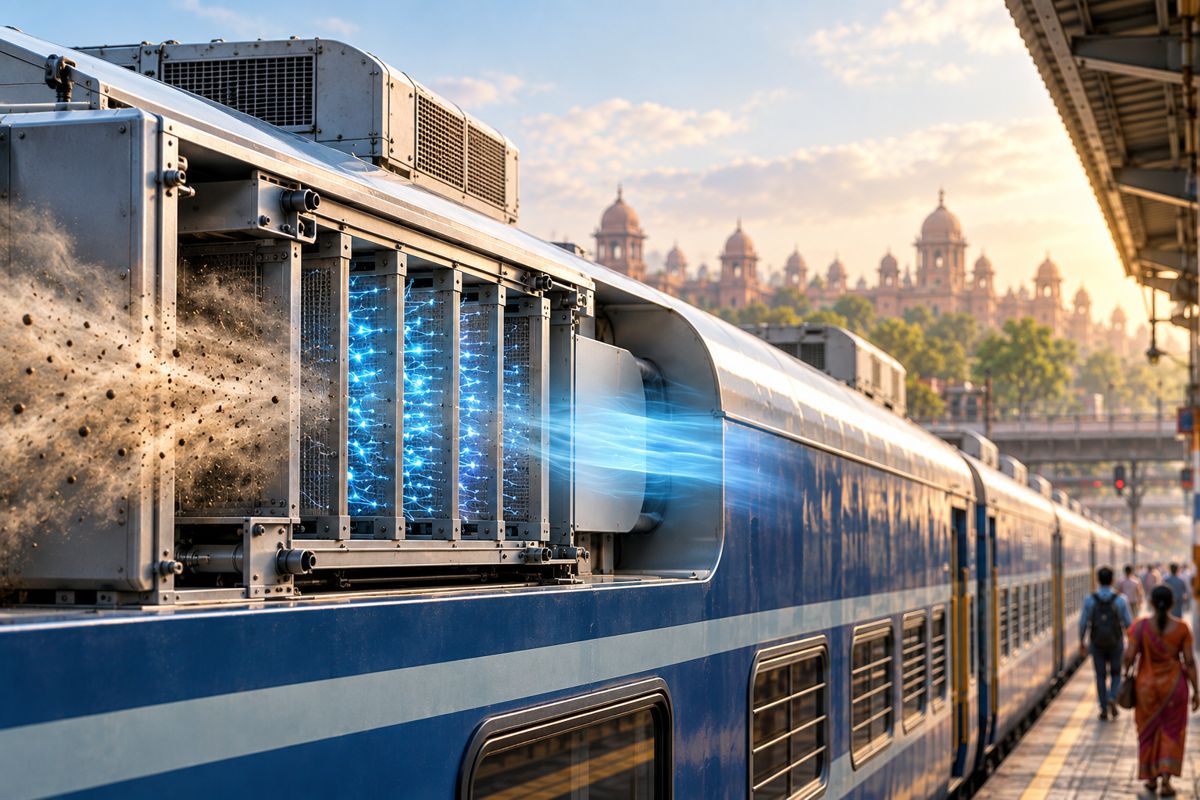
While autonomous vehicles attract considerable attention, Singapore’s established railway network presents a different set of engineering priorities. Maintaining reliability across a heavily used urban railway requires sustained investment in signalling, traction power, rolling stock and the infrastructure supporting daily operations.
In February 2026, LTA and the country’s rail operators announced measures following recommendations from the Rail Reliability Taskforce. These included accelerating the renewal of critical power, signalling and train systems, with the North East Line’s power supply renewal brought forward to commence in 2026.
The programme also involves making additional engineering hours available for maintenance and infrastructure renewal, potentially requiring longer planned service closures where necessary. Such work must be coordinated with passenger operations, particularly where ageing equipment needs replacing within restricted maintenance windows.
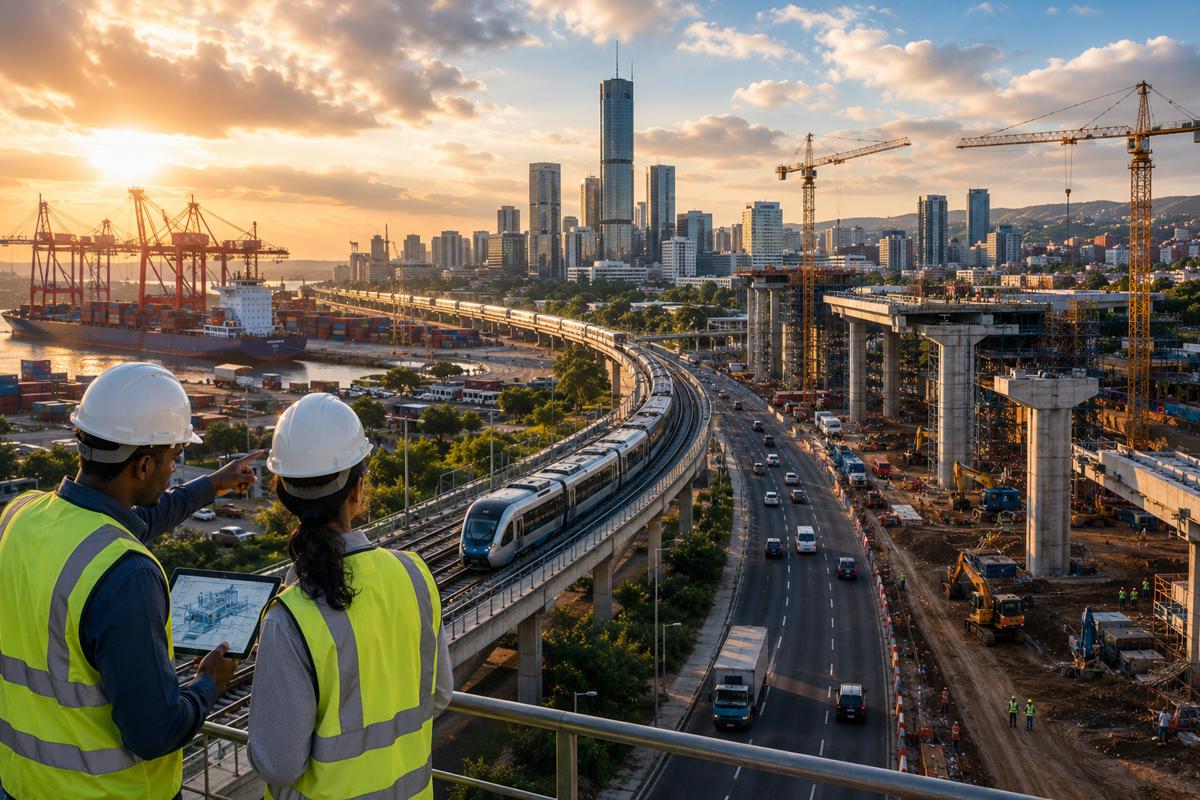
Singapore is simultaneously expanding its railway infrastructure. The Ministry of Transport expects the network to reach approximately 360 kilometres by the early 2030s, supported by projects including the Jurong Region Line, Cross Island Line and extensions to existing routes.
The construction of additional railway capacity alongside the renewal of established infrastructure creates overlapping demands for contractors, equipment manufacturers and specialist engineering suppliers. Both programmes depend on long-term asset planning, while work on operational lines brings additional constraints around access, safety and disruption.
Rail modernisation will therefore occupy a prominent position in the SUMW programme, alongside discussions about digital monitoring, intelligent infrastructure and the technologies available to support more reliable transport operations.
International Transport Leadership and Industry Participation
Singapore’s Minister for Transport, Jeffrey Siow, will open the conference on 4 November with an address examining the country’s long-term transport ambitions and investments in future mobility infrastructure.
Approximately 100 industry leaders and regulators from nearly 20 countries have been invited to contribute. The Leaders’ Summit will feature four panel discussions covering commuter requirements, autonomous vehicle deployment, workforce transformation and railway renewal, followed by industry forums on 5 and 6 November examining intelligent mobility, digitalisation, sustainable transport and future-ready infrastructure.
The exhibition will bring together organisations working across electric and autonomous vehicles, railway equipment, artificial intelligence, smart transport infrastructure and first-and-last-mile logistics.
Founding partners include BYD Singapore, Certis Cisco Security, China Communications Construction Company, CRRC Corporation, Huawei International, SBS Transit, Siemens Mobility, SMRT Corporation and ST Engineering Urban Solutions. Their involvement brings major railway manufacturers, infrastructure contractors, transport operators and technology providers into the same exhibition programme.
A separate Autonomous Vehicle Regulators Forum will also bring together international authorities for closed-door discussions on deployment, safety and cybersecurity standards, licensing, liability and public acceptance. Regulatory differences remain a practical consideration for companies seeking to deploy autonomous transport technologies across multiple markets.
Workforce Development and Emerging Technologies
Workforce development forms another component of the programme, as automation introduces new technical requirements for transport authorities and operators.
Autonomous vehicle operations require skills in fleet supervision, remote monitoring, software maintenance and system safety assurance. Existing workers may also need retraining as vehicle operations and supporting services evolve.
Singapore has already linked its autonomous vehicle strategy to workforce transition measures. The LTA’s September announcement concerning Waymo included commitments to support affected drivers through training and assistance with moving into new roles, building on measures introduced earlier in the year.
Younger innovators will also have a place in the programme through Youth Xchange, which will present 12 youth-led transport projects, including ideas developed through hackathons and educational institutions. Participants will have opportunities to engage with established operators, technology companies and public authorities.
Alongside the technical conference, a Hosted Buyers Programme will arrange meetings between solution providers and decision-makers from regional transport agencies and operators. The meetings offer manufacturers, infrastructure specialists and technology developers a direct route to discussing potential projects and commercial partnerships.
From Technical Demonstration to Operating Transport Systems
Singapore’s experience provides a substantial backdrop to the three-day programme. Autonomous shuttles are already carrying passengers in controlled environments, with operational feedback influencing their next stage of development. At the same time, established railway infrastructure is undergoing renewal while major construction programmes continue to extend the network.
The discussions will bring together authorities responsible for planning and regulation, operators managing daily passenger services and companies developing the equipment and systems required to support them.
Ng Lang, Chief Executive of LTA, said: “As cities respond to evolving travel needs and rapid technological change, it is important that we plan ahead and harness innovation to build transport systems that are reliable, sustainable and responsive to commuters’ needs.”
For participating transport agencies and suppliers, the programme offers an opportunity to compare experience from different markets, examine technologies already entering service and explore the practical requirements of future infrastructure investment.
With autonomous deployment, railway renewal and commercial procurement all represented, Singapore Urban Mobility Week will cover both the emerging technologies attracting attention and the established engineering systems that continue to carry the majority of urban transport passengers.
Key Industry Questions
- What is Singapore Urban Mobility Week 2026? An international urban transport congress and exhibition bringing together policymakers, infrastructure operators, technology suppliers and industry specialists to examine autonomous mobility, intelligent infrastructure and sustainable transport systems.
- When and where is the event taking place? The event runs from 4–6 November 2026 at the Suntec Singapore Convention & Exhibition Centre.
- Who is organising Singapore Urban Mobility Week? Singapore’s Land Transport Authority, MSI Global Pte Ltd and MP Singapore are jointly organising the inaugural event.
- Which technologies will be represented? The exhibition will cover autonomous and electric vehicles, intelligent infrastructure, artificial intelligence, railway systems, bus technologies, transport digitalisation and first-and-last-mile logistics.
- Is Singapore already operating autonomous public transport services? Yes. Autonomous shuttle services in Punggol opened for public rides in April 2026. More than 11,500 individual passengers had used the services by 12 July, although wider commercial deployment remains under development.
- What railway infrastructure issues will the conference address? The programme includes rail renewal, asset reliability, infrastructure digitalisation and the engineering requirements associated with maintaining and modernising operational railway networks.
- What is the role of the Autonomous Vehicle Regulators Forum? The invitation-only forum will allow transport authorities to discuss autonomous vehicle deployment, safety standards, cybersecurity, licensing, liability and regulatory approaches.
- Will the event address the impact of automation on transport workers? Yes. Workforce transformation is a central topic, including the technical skills and employment changes associated with autonomous transport and emerging mobility technologies.
- Are there opportunities for transport technology suppliers? The Hosted Buyers Programme will facilitate meetings with transport agencies and operators, while the exhibition provides opportunities for product demonstrations and industry engagement.
Strategic Takeaways
- Autonomous deployment: Singapore’s Punggol programme demonstrates how passenger feedback can influence service design after technical testing.
- Rail infrastructure: Power, signalling and rolling stock renewal must be coordinated with existing passenger operations and restricted maintenance access.
- Network integration: Autonomous services will need to complement established public transport networks and provide journeys passengers find useful.
- Workforce transition: Driver retraining and new technical roles are already part of Singapore’s autonomous vehicle deployment strategy.
- Regional opportunities: Direct engagement between transport authorities, operators and technology suppliers may support future projects across Asian urban transport markets.