World Bank supports Ulaanbaatar City on Municipal Transport Asset Management
A memorandum of understanding between the World Bank and Ulaanbaatar city was signed today to facilitate cooperation on the management and planning of municipal transport assets, as part of the city’s efforts to make its transport infrastructure more resilient to the impact of climate change.
The agreement, signed by World Bank Country Manager for Mongolia James Anderson and Ulaanbaatar city Vice Mayor Bayarkhuu, marks the beginning of technical assistance supported by a grant from the Global Facility for Disaster Reduction and Recovery.
Poor asset management and lack of long-term planning of urban transport infrastructure – roads, intersections, and bridges – have long constrained the quality of service delivery in UB city, which has a limited budget for road maintenance and repairs. Climate-related disasters such as flash floods, storms, and extensive icing on the road during winter add to the city’s challenges and increase the need to boost capital investments in transport infrastructure.
“The urban transport infrastructure provides the veins and arteries for the city, so ensuring their good management and long-term development is crucial to Ulaanbaatar’s health,” said World Bank Country Manager James Anderson. “The World Bank is committed to supporting public service delivery in Mongolia, including strengthening the capacity of national and local agencies to plan and manage public transport services.”
“In recent years, the Municipality of Ulaanbaatar has initiated and implemented a number of road and transport infrastructure investment projects,” said Vice Mayor for Infrastructure and Redevelopment Mr. Bayarkhuu. “With harsh climatic conditions and increasing climate-related disasters, the existing infrastructure is vulnerable to rapid degradation. This support from the World Bank is timely and will benefit both public officials managing the city’s transport facilities and residents who rely daily on the roads.”
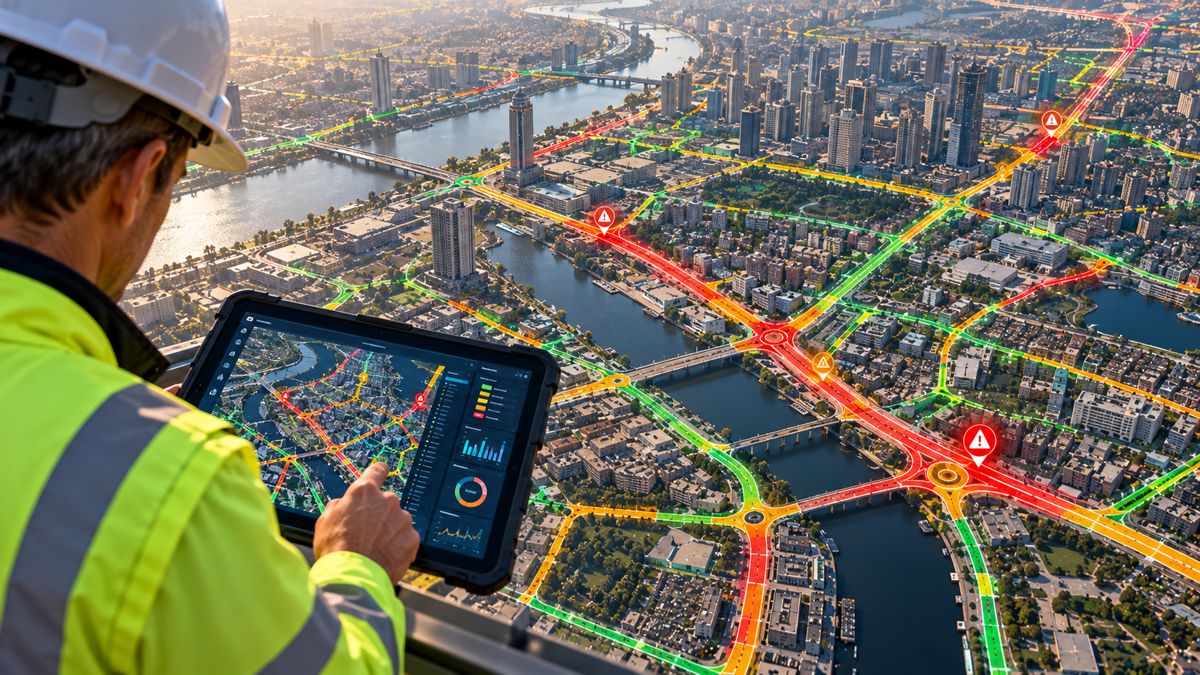
As part of the collaboration, the World Bank will help the city to set up an inventory system for transport assets, which will include classifications and basic information for all urban transport assets. The initiative will also help develop the first phase of Ulaanbaatar’s long-term plan to manage its transport infrastructure assets while ensuring the necessary maintenance and repairs to make the assets more climate resilient.
Officials responsible for planning and maintenance of transport infrastructure – at the national and city level – will also be trained to carry out asset surveys and develop plans for asset management.