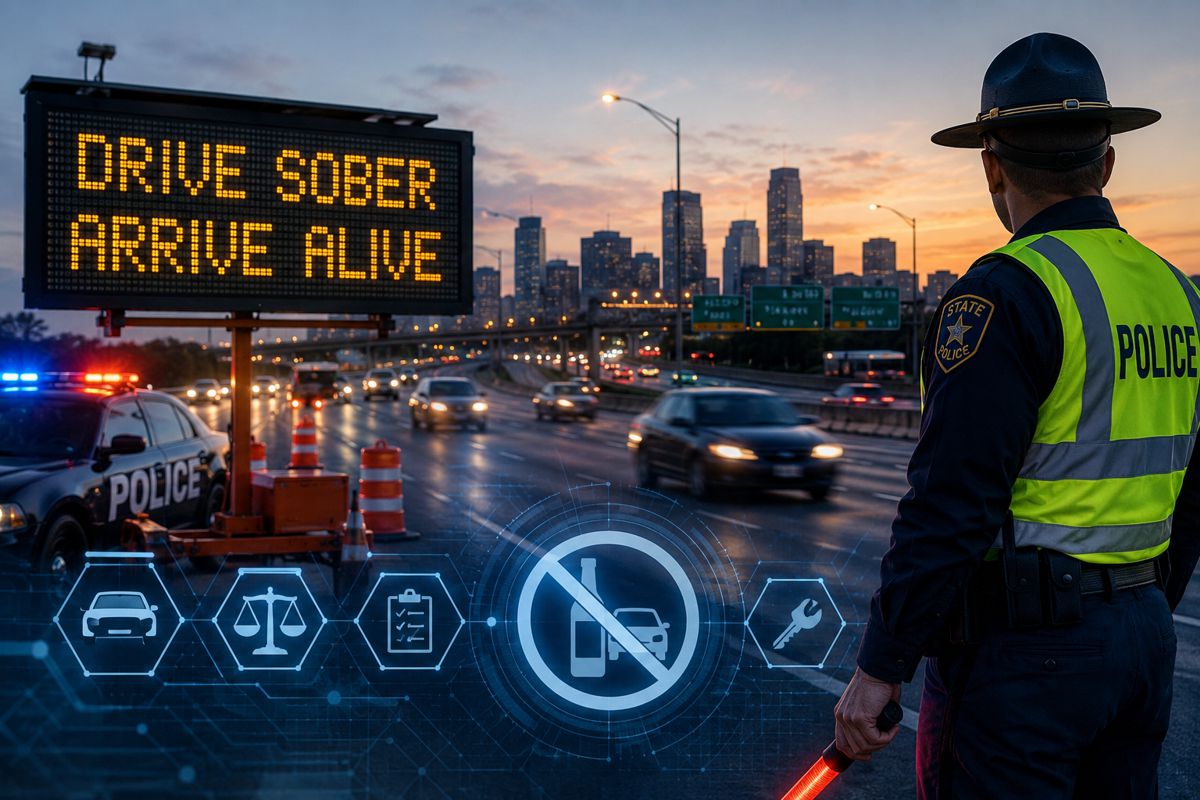
America’s DUI Reckoning and the Technology Reshaping Road Safety
Why Impaired Driving Remains One of America’s Most Expensive Transport Problems
America’s roads are becoming smarter, vehicles are becoming safer and transport infrastructure is becoming increasingly connected. Yet one of the most persistent contributors to serious road incidents continues to stem from human behaviour rather than engineering failure.
Driving under the influence remains a significant challenge across the United States, not simply because of its legal consequences but because of the wider operational impact it creates across highways, emergency response systems, commercial transport networks and public infrastructure. Every impaired driving incident creates ripple effects that extend far beyond the individuals involved.
For construction professionals, infrastructure owners and transport policymakers, the issue increasingly sits at the intersection of safety, enforcement technology, legal accountability and network resilience. As agencies invest billions in improving roads and vehicles, reducing impairment-related incidents has become an increasingly important part of delivering measurable safety outcomes.
Briefing
- Impaired driving remains a major operational burden on US transport infrastructure.
- Enforcement increasingly combines traditional policing with digital evidence and connected systems.
- Commercial fleet operators face growing legal and compliance obligations.
- Vehicle technology is beginning to shift from post-incident response toward prevention.
- Infrastructure improvements alone cannot eliminate impaired driving risk.
The Real Cost of DUI Extends Far Beyond the Courtroom
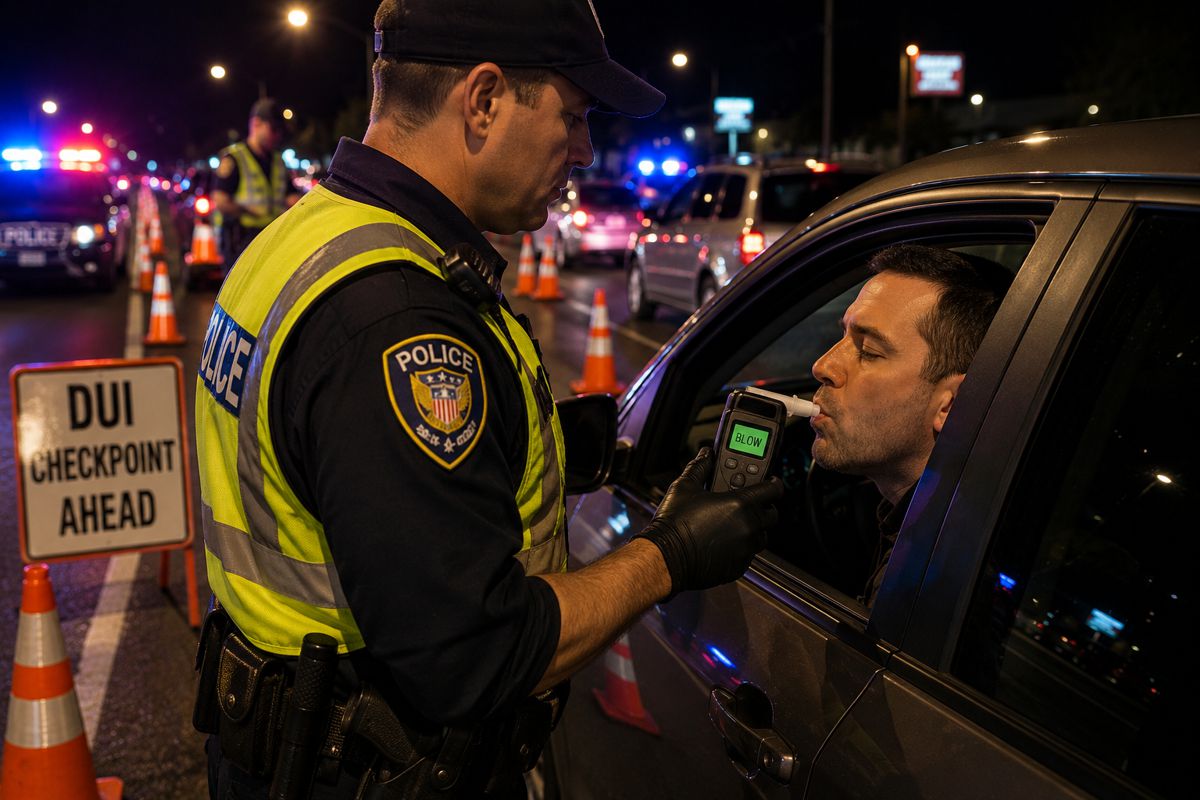
Public discussion around DUI frequently centres on arrests, penalties and criminal proceedings. In reality, the economic and operational consequences stretch much further.
Road closures following serious incidents disrupt freight movements, delay construction schedules and increase pressure on already constrained highway maintenance budgets. Emergency response deployment, traffic management and subsequent infrastructure repair all create secondary costs that rarely enter public discussion.
Commercial operators are particularly exposed. Contractors moving equipment, logistics providers managing regional supply chains and firms operating vehicle fleets increasingly work under strict compliance frameworks where driver conduct directly affects insurance exposure, contractual obligations and operational continuity.
Legal proceedings remain an important part of the process, but they represent only one layer of a much larger transport ecosystem.
Two Timelines That Begin After a DUI Arrest
One of the more overlooked aspects of impaired driving enforcement in the United States is that legal and administrative consequences frequently operate independently.
Many drivers focus exclusively on criminal proceedings while underestimating the impact of administrative licence actions. In practice, both systems often move simultaneously.
The criminal process generally follows a sequence of arraignment, evidence disclosure, negotiation and potential trial proceedings. Separately, administrative procedures relating to driving privileges often begin almost immediately after arrest and may carry strict appeal deadlines.
This distinction increasingly matters for employers and fleet managers because operational disruption frequently starts long before a final court decision is reached.
The Legal Environment Is Becoming More Complex for Fleet Operators
The legal consequences of impaired driving vary significantly across states, creating a challenging environment for organisations operating across multiple jurisdictions.
Construction firms, transport providers and infrastructure contractors increasingly rely on internal compliance policies that go beyond meeting minimum legal requirements. Companies now routinely consider licence verification, incident reporting, fitness-to-drive procedures and insurance implications as part of broader risk management strategies.
State-level variation also means legal outcomes can differ considerably depending on location and circumstances. For example, legal guidance from practitioners highlights how sentencing ranges and procedural requirements can vary even for first-time offences.
The growing complexity explains why many transport and construction businesses increasingly approach driver compliance as an operational management issue rather than simply an HR concern.
Technology Is Moving Enforcement Upstream
Road safety strategies are gradually moving away from responding after an incident and toward reducing the likelihood of impairment-related events occurring in the first place.
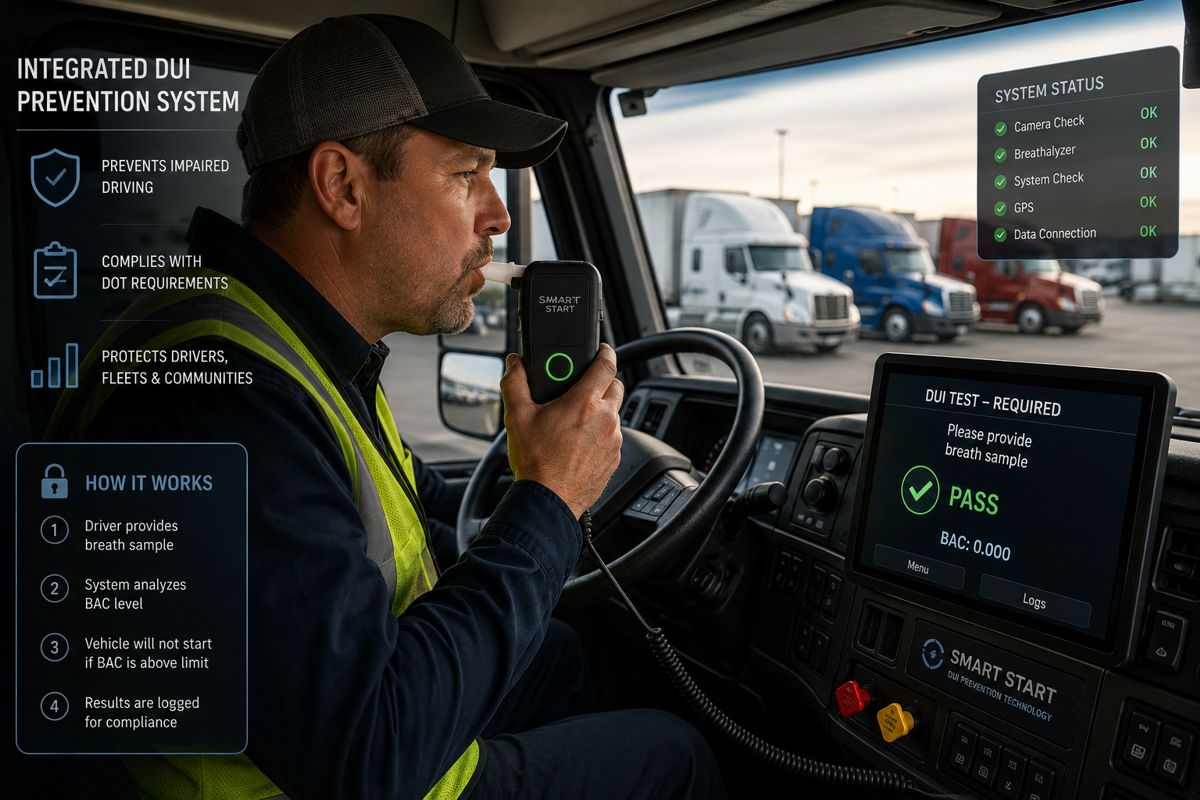
Modern enforcement increasingly draws on connected evidence environments including in-vehicle telemetry, digital reporting systems and integrated roadside operations. At the same time, vehicle manufacturers continue investing in driver monitoring technologies designed to detect unsafe conditions before a vehicle enters normal operation.
For infrastructure owners, the opportunity lies in combining safer road design with smarter operational systems.
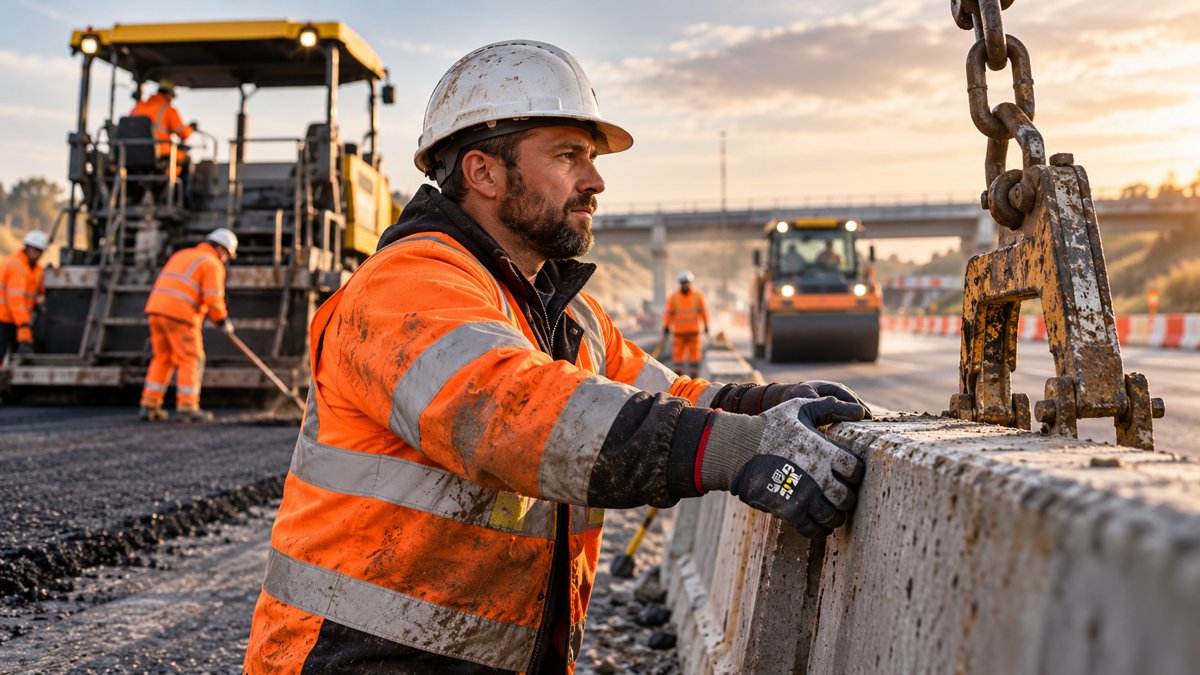
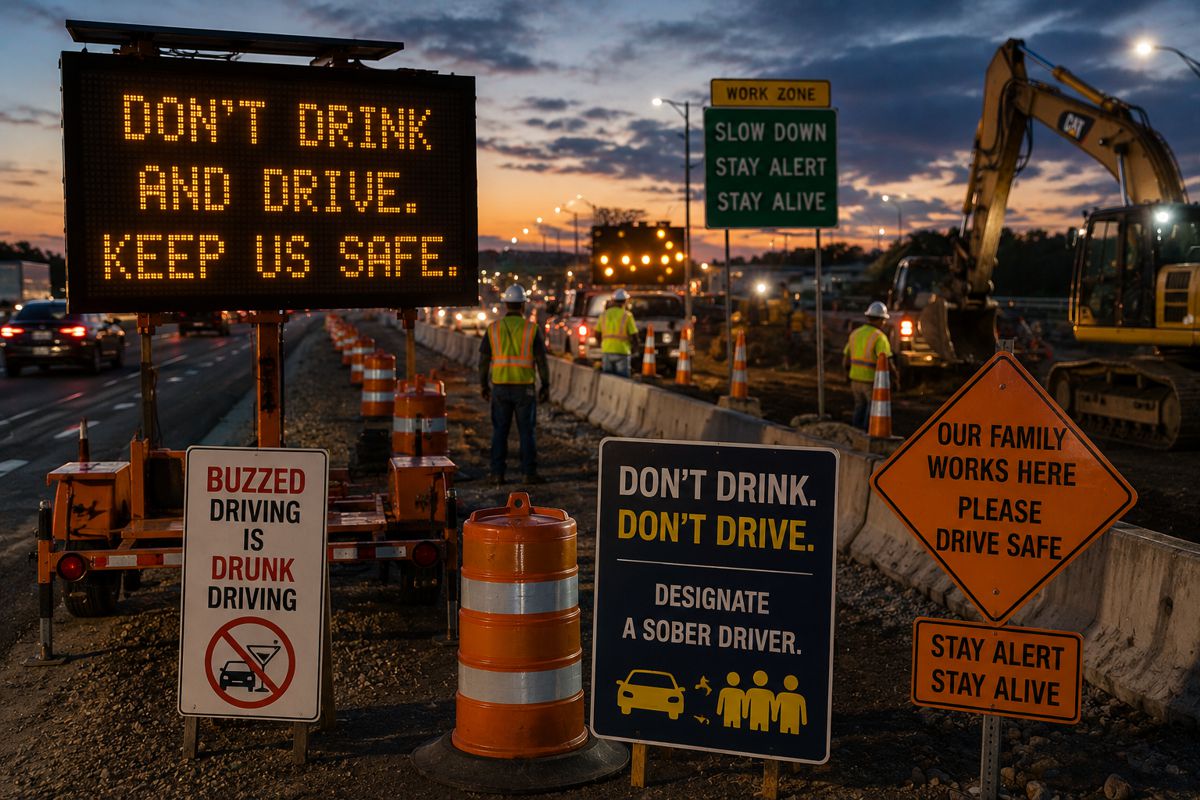
Temporary work zones, freight corridors and urban highway networks increasingly incorporate connected safety measures designed to reduce collision severity and improve incident response.
These systems cannot replace driver responsibility, but they can help reduce exposure and improve outcomes when human judgement fails.
Building Safer Roads Requires More Than Better Infrastructure
Infrastructure investment has delivered meaningful gains in mobility, durability and operational efficiency across the United States. However, impaired driving demonstrates the limits of engineering alone.
Safer highways, connected vehicles and intelligent transport systems all contribute to reducing risk, but none eliminate the need for responsible decision-making behind the wheel.
The next challenge will be balancing enforcement, prevention and technology adoption, and the lesson is increasingly clear: road safety is no longer just about building better roads. It is about creating systems that reduce risk across the entire transport environment.