Jacobs Takes MESH Energy Storage Project into UK Consenting Phase
A proposed 55GWh energy storage development in the Irish Sea is moving deeper into the British planning and regulatory system, with Jacobs appointed to lead consenting and Development Consent Order work for EnergyPathways’ MESH project.
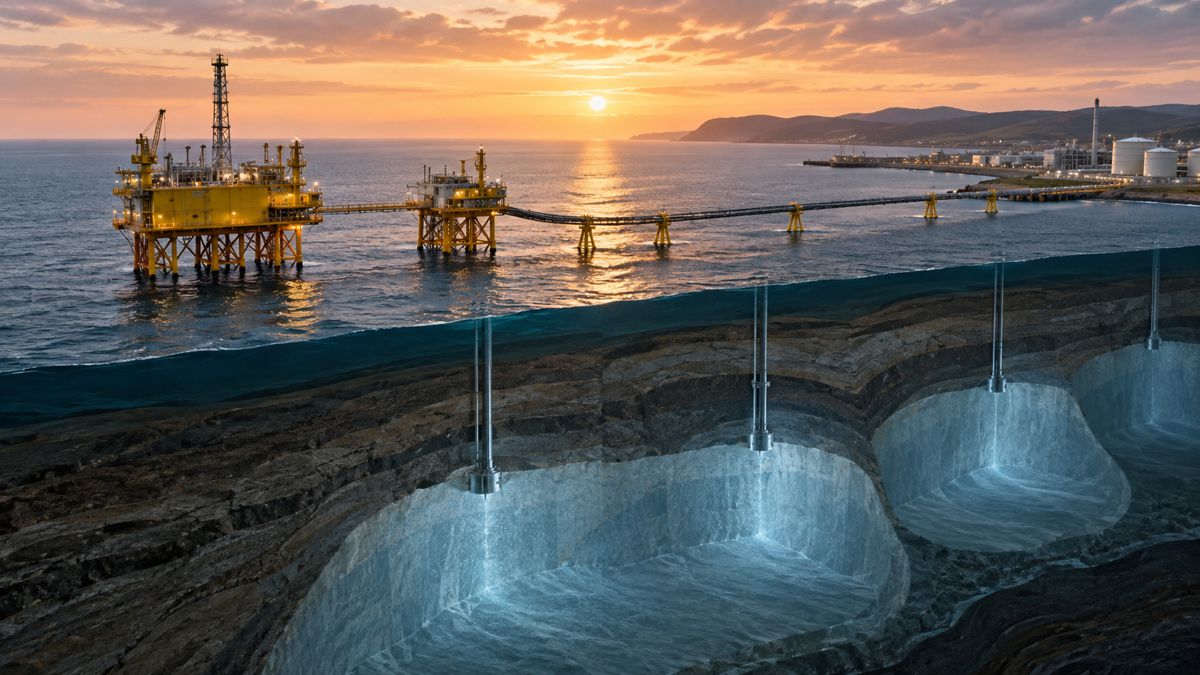
The scale is unusual. MESH is being developed around a 300MW compressed air energy storage system with 55GWh of storage capacity. Alongside the compressed air system, EnergyPathways plans natural gas storage that could transition towards hydrogen, creating an integrated offshore and onshore energy hub connected through Barrow-in-Furness.
EnergyPathways is targeting operation in 2031, subject to planning, regulatory approvals and financing. Jacobs will manage the planning and Development Consent Order strategy, environmental planning, technical coordination and stakeholder engagement required to move the development through the Nationally Significant Infrastructure Project process.
The appointment comes as Britain establishes a regulatory and financial framework for a new generation of long-duration electricity storage projects. Ofgem’s cap and floor regime is intended to provide qualifying developments with a minimum revenue level while returning revenues above an agreed cap to consumers, addressing some of the financing uncertainty surrounding infrastructure with high upfront costs and unpredictable future market revenues.
Briefing
- Jacobs has been appointed to lead consenting, regulatory and Development Consent Order activities for EnergyPathways’ MESH project.
- The proposed compressed air energy storage system is rated at 300MW with 55GWh of storage capacity.
- MESH combines compressed air storage with natural gas storage designed to transition towards hydrogen storage.
- Offshore infrastructure in the Irish Sea would connect with facilities around Barrow-in-Furness.
- EnergyPathways is targeting operation in 2031, subject to securing the required consents and financing.
Moving MESH Through the Planning System
MESH has already crossed an important planning threshold. In September 2025, the Secretary of State issued a direction under Section 35 of the Planning Act 2008 for the Marram Energy Storage and Decarbonisation Hub, bringing the development within the nationally significant infrastructure planning regime.
That creates a demanding route towards consent. Large energy projects progressing through the NSIP system require environmental assessment, consultation, land and infrastructure planning and a substantial body of technical evidence before a Development Consent Order application can proceed.
Jacobs’ work extends beyond preparing a planning application. It includes coordinating environmental and technical studies, engaging local councils and regional government, supporting the grid connection application and aligning statutory consents with the engineering programme. The company will also assess changes in legislation and planning policy as MESH develops.
The appointment combines Jacobs’ planning and infrastructure experience with CAES capability it says it has been developing since 2023, including lifecycle technical assessment and comparisons with alternative energy storage technologies. Its wider UK DCO experience includes work as integration partner on the Lower Thames Crossing and programme management activities on the Thames Tideway Tunnel.
“As the U.K. accelerates investment in nationally significant energy infrastructure, successful delivery depends on a consenting strategy that integrates environmental stewardship and robust regulatory planning. MESH represents an important infrastructure development for Barrow-in-Furness and the wider U.K. energy system. Our extensive experience delivering complex infrastructure projects through the Development Consent Order process will support EnergyPathways in navigating planning and regulatory requirements while maintaining project momentum,” said Jacobs Executive Vice President Richard Sanderson.
Storage Measured in Days
The 55GWh figure separates MESH from the shorter-duration battery storage projects increasingly appearing alongside substations and renewable generation developments. The proposed system combines 300MW of output with 55GWh of storage capacity, while Jacobs describes MESH as offering more than 190 hours of ultra-long-duration storage. The published headline capacities do not by themselves explain the precise operating assumptions behind that duration figure.
The operating profile is intended to address a different requirement from batteries designed principally for intraday balancing and rapid grid services. Storage operating across several days could absorb electricity during prolonged periods of high renewable generation and return energy during extended periods of lower output.
Britain currently has 2.8GW of established long-duration electricity storage across four pumped-storage hydroelectric facilities in Scotland and Wales, according to Ofgem. The regulator defines long-duration storage for its support regime as systems capable of storing and releasing electricity for at least eight hours, placing the proposed MESH operating duration well beyond the qualifying threshold.
Compressed air energy storage uses electricity to compress air for storage, with the stored air subsequently used as part of the process for generating electricity when required. At large scale, underground geological formations or engineered caverns can provide the physical storage volume, allowing energy capacity to increase without proportionately expanding an installation of electrochemical cells.
EnergyPathways plans to use subsurface salt caverns beneath the East Irish Sea. Following the award of a gas storage licence, the company said in July that the licensed offshore area could potentially support as many as 60 large-scale salt caverns, although development at that scale remains subject to engineering, consenting and financing. Environmental, geological and seabed investigations form part of the work now under way.
The immediate 300MW/55GWh CAES development is therefore one component of a broader proposed storage system rather than an isolated generating asset. EnergyPathways began front-end engineering and design work on the compressed air project earlier in 2026 and is progressing the development towards a targeted final investment decision in 2028, while also developing the gas and prospective hydrogen elements of MESH.
CAES itself is not new, but relatively few utility-scale plants have been constructed compared with pumped hydro and, more recently, lithium-ion batteries. Its application at MESH depends on a combination of suitable geology and engineering, including cavern characteristics, compression and expansion systems, thermal management, turbomachinery, grid connection and operating strategy.
Financing Long-Duration Storage
Planning permission alone will not determine whether MESH reaches construction. Long-duration storage presents a financing problem because the system value of having energy available during infrequent periods of shortage does not necessarily translate into predictable annual revenues, while large civil and geological storage projects require substantial capital expenditure before they begin earning money.
The British Government and Ofgem have responded with a cap and floor model based partly on the regulatory framework used for electricity interconnectors. Qualifying projects receive protection through a minimum revenue floor, while revenues exceeding an agreed cap are returned to consumers.
The first application window demonstrated the range of technologies competing for a place in Britain’s future storage system. Ofgem’s June 2026 provisional portfolio contained 16 projects spanning pumped-storage hydro, compressed air energy storage, lithium-ion batteries and vanadium redox flow batteries.
EnergyPathways is preparing MESH for a forthcoming cap and floor round, with Jacobs supporting that submission alongside the DCO process. Engineering, planning, grid connection, environmental assessment and the financial support mechanism will consequently have to advance sufficiently together for investors eventually to make a construction decision.
The regulatory framework itself is still settling. Following consultation on the first window, Ofgem said in July 2026 that final decisions on the associated special licence framework would follow the cap and floor awards expected in autumn 2026. MESH is progressing through planning while the British regulatory architecture for this class of storage is still being built.
From Consent to Construction
Barrow-in-Furness provides the landward connection between MESH and the proposed offshore storage area, placing the project within an established industrial and energy geography around the Irish Sea. The integrated design also makes the consenting exercise more complicated than that for a standalone electricity storage facility, bringing together compressed air, natural gas and prospective hydrogen storage with offshore and onshore infrastructure.
“We are delighted that Jacobs will be joining the MESH project team and working alongside our Tier-1 partner group. Jacobs’ extensive experience in other nationally significant government-led infrastructure and energy projects within the U.K. and their direct experience in delivering complex engineering projects in the Northwest of England will be invaluable as we take MESH forward,” said EnergyPathways CEO Ben Clube.
An eight-hour storage asset qualifies as long duration under the current Ofgem framework. MESH is being designed around storage measured in days, while combining offshore caverns, compressed air, gas and prospective hydrogen infrastructure within a single development.
EnergyPathways is aiming for operation in 2031. Between the Jacobs appointment and that target sit the DCO, environmental assessment, cavern engineering, grid connection, the cap and floor process and ultimately a financing decision. Whether the design reaches operation will depend on engineering, geology, planning and finance converging on the same timetable.
Key Industry Questions
- What is the MESH Energy Storage Project? MESH, or the Marram Energy Storage and Decarbonisation Hub, is a proposed integrated energy storage development in the East Irish Sea and around Barrow-in-Furness. It combines compressed air energy storage with natural gas storage intended to transition towards hydrogen storage.
- How large is the proposed MESH compressed air storage system? The proposed CAES system has a maximum output of 300MW and energy storage capacity of 55GWh.
- How long could MESH store energy? Jacobs describes the proposed system as providing more than 190 hours of ultra-long-duration storage. The published 300MW and 55GWh headline capacities do not provide the detailed operating assumptions behind that figure.
- What is compressed air energy storage? Compressed air energy storage uses electricity to compress air for later storage. The stored compressed air is subsequently used in a power-generation process to return electricity to the grid.
- Where would MESH store the compressed air? EnergyPathways plans subsurface salt cavern storage beneath the East Irish Sea. The wider licensed area could potentially accommodate multiple caverns, subject to engineering, planning, regulatory approval and financing.
- Why has Jacobs been appointed? Jacobs will lead planning and Development Consent Order strategy, environmental planning, technical coordination and stakeholder engagement while supporting regulatory work, the grid connection process and EnergyPathways’ cap and floor submission.
- What is the UK long-duration storage cap and floor scheme? The Ofgem-administered scheme provides qualifying storage projects with a minimum revenue floor while setting a cap above which excess revenues are returned to consumers. It is intended to reduce the investment uncertainty surrounding capital-intensive long-duration storage.
- When could MESH become operational? EnergyPathways is targeting operation in 2031, subject to securing the required planning approvals, regulatory arrangements and financing.
Strategic Takeaways
- MESH’s proposed 55GWh capacity places it in a different operational category from the predominantly short-duration battery projects being deployed across Britain.
- Underground salt caverns offer a route to increasing stored energy capacity without proportionately scaling electrochemical battery installations.
- Combining electricity, gas and prospective hydrogen storage increases both the potential flexibility and consenting complexity of the development.
- Britain’s emerging cap and floor regime is closely connected with the commercial viability of capital-intensive long-duration storage projects.
- Engineering, environmental assessment, grid connection, planning, regulation and financing will need to progress in parallel if the targeted 2031 operating date is to remain achievable.