Caterpillar Introduces Three Compact Excavators Built for Different Demands
Caterpillar has introduced three compact hydraulic excavators designed around the different demands of restricted access, machine stability and lifting performance. The new Cat 301 CR, 302.4 CR and 302.6 cover the one-tonne to 2.6-tonne classes, offering contractors a choice between retractable undercarriages, compact-radius operation and conventional tail-swing geometry.
The machines address familiar compromises in small excavator design. Narrow dimensions allow equipment to reach confined working areas, but undercarriage width, counterweight distribution and operating mass influence stability and lifting performance. Caterpillar has approached these requirements differently across the three models, with revised hydraulics, improved service access and expanded attachment options.
Briefing
- Caterpillar has introduced the Cat 301 CR, 302.4 CR and 302.6 compact hydraulic excavators.
- The 301 CR replaces the 300.9D, with an expandable undercarriage and a manufacturer-reported lifting capacity improvement exceeding 80%.
- The 302.4 CR features a 1,499 mm fixed undercarriage and a stated maximum lifting capacity of 980 kg.
- The 302.6 has an operating weight of 2,695 kg and offers 40% greater lifting capacity than the referenced 302.7 CR fixed-undercarriage configuration.
- The new machines focus on restricted access, stability, hydraulic performance, attachment versatility and serviceability.
Cat 301 CR: Access Without Sacrificing Stability
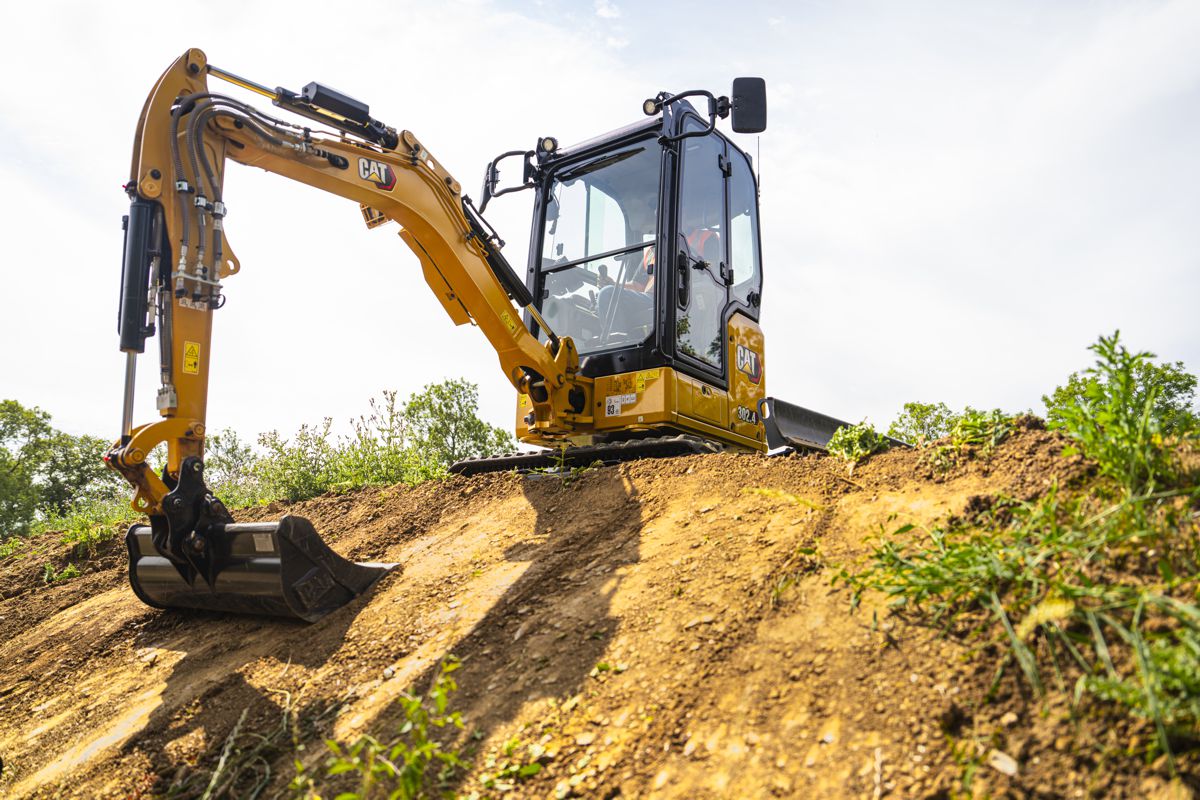
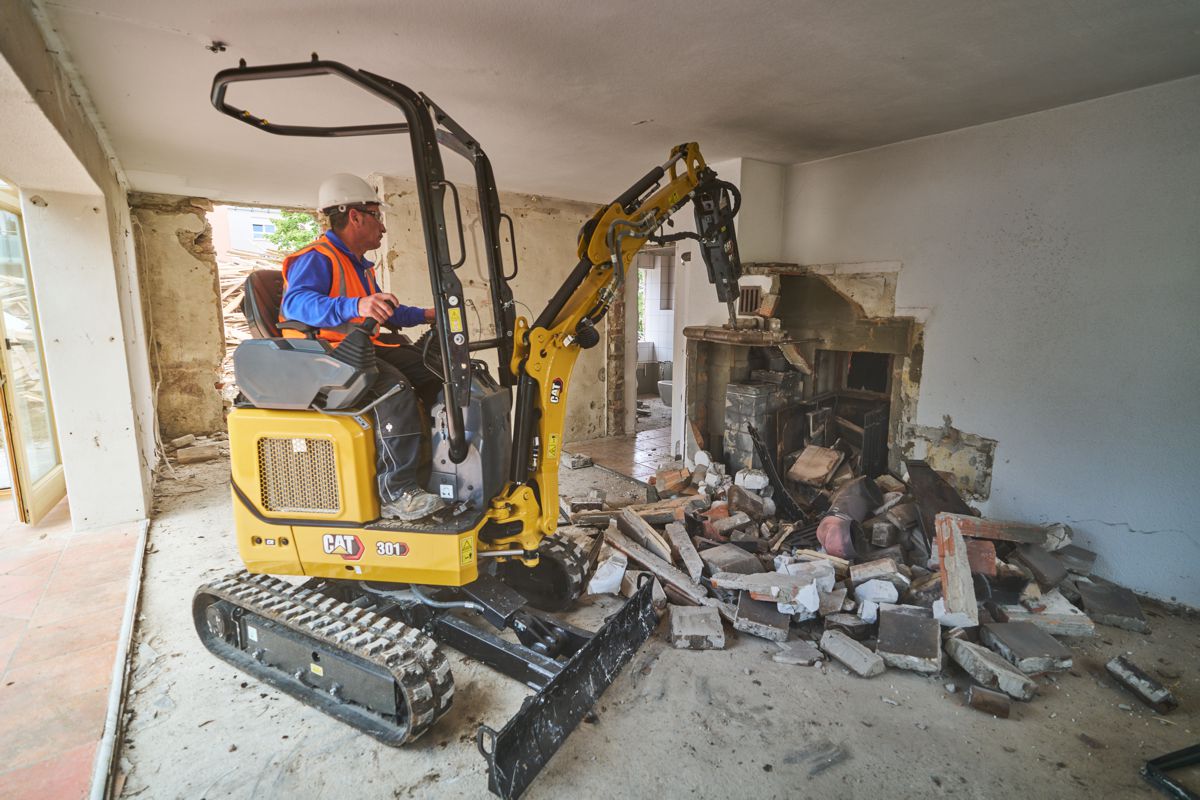
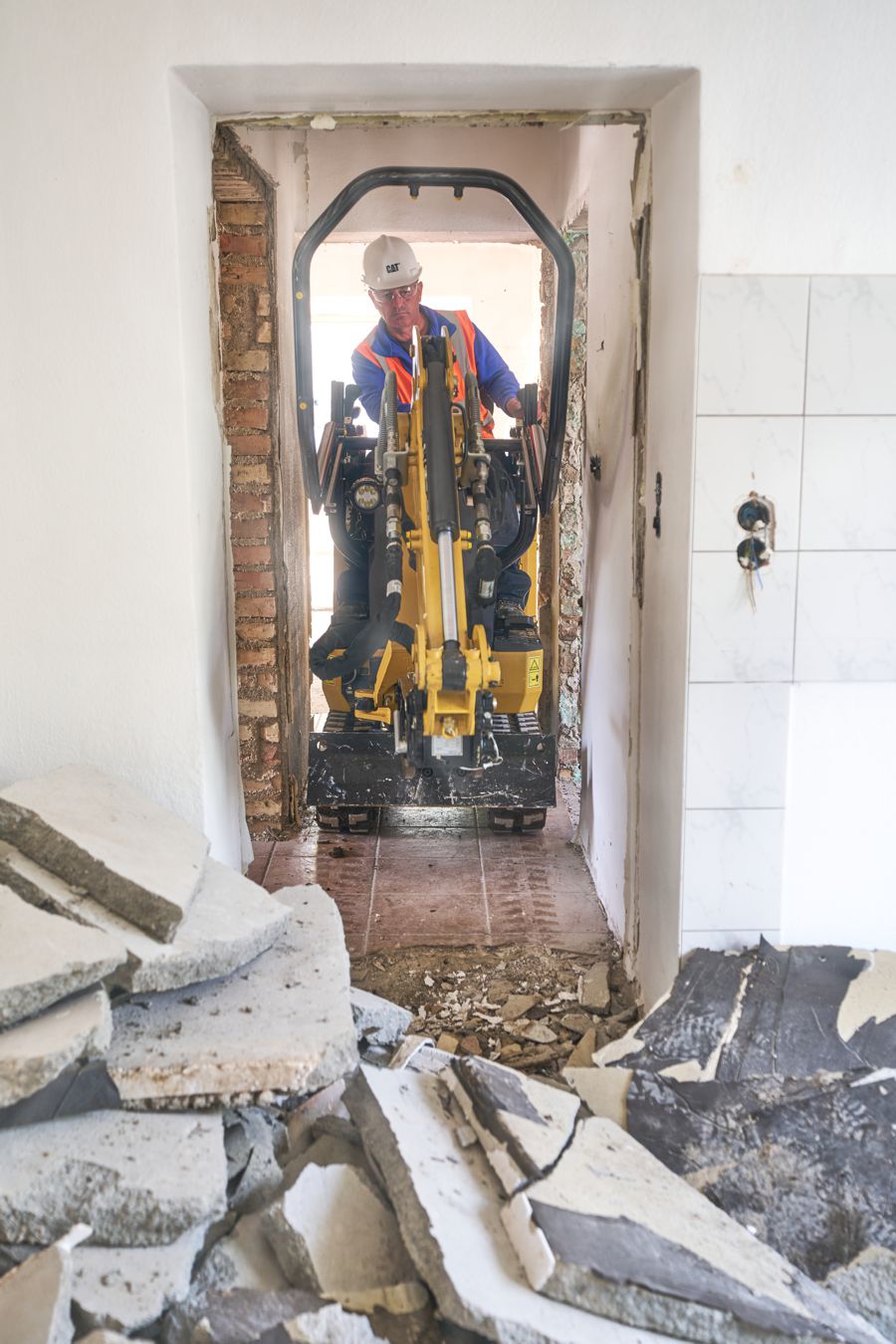
At the smallest end of the range, the Cat 301 CR replaces the 300.9D with a machine intended for locations where physical access often determines equipment selection. Its retractable undercarriage narrows to 730 mm, allowing it to negotiate openings approximately 762 mm wide, while the folding rollover protective structure reduces its height to less than 1,829 mm for restricted access.
Once inside the working area, the undercarriage extends to 1,100 mm, providing a substantially wider support base. Caterpillar reports that the expanded configuration is 26% wider than its predecessor and that maximum lifting capacity has increased by more than 80%. The protective structure must be raised and secured for operation.
The 301 CR has a maximum operating weight of 1,230 kg, a maximum digging depth of approximately 1,820 mm and a top travel speed of 3.6 km/h. Its specified stick force is 6.2 kN, an increase of 38% over the 300.9D, while bucket breakout force reaches 9.6 kN, an improvement of 8%. Maximum lifting capacity is quoted at 394 kg at a height of 0.91 m and a forward radius of 1.83 m.
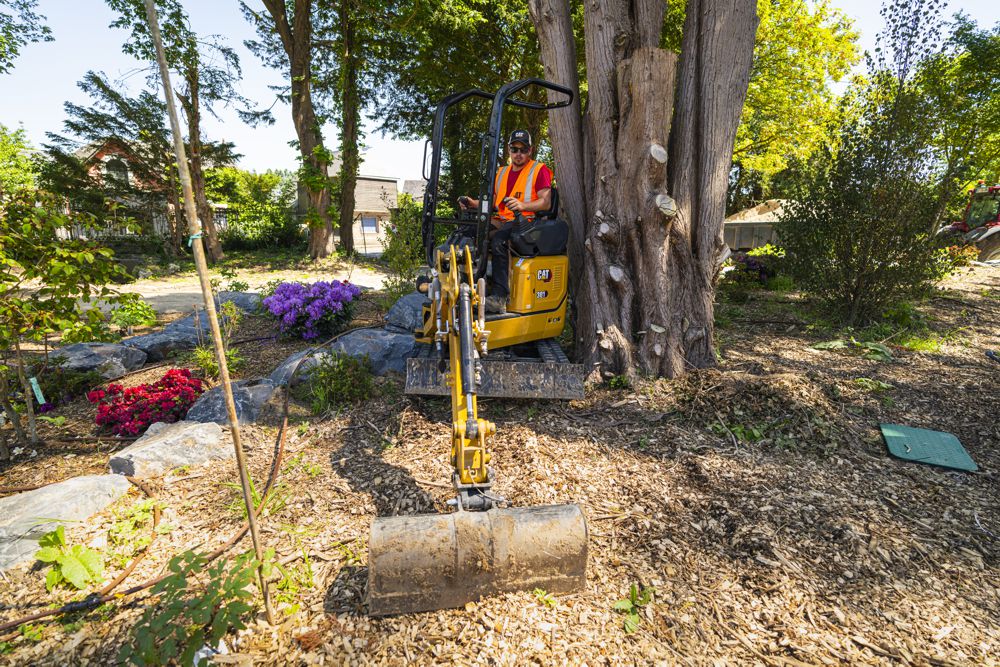
Internal demolition, confined drainage works, garden access and agricultural maintenance frequently require excavation behind existing structures or through entrances that cannot accommodate larger equipment. Ground conditions, attachment weight and available working space will still determine what the machine can safely achieve.
Hydraulics and Attachment Versatility
Caterpillar has introduced a closed-loop swing system on the 301 CR, intended to deliver faster operating cycles, improve energy efficiency and reduce heat generation compared with the 300.9D. A simplified instrument cluster, side-mounted joystick controls and an LED boom light are included to make the machine more straightforward to operate in confined or poorly illuminated environments.
The hydraulic arrangement also accommodates an optional second auxiliary circuit for mechanical work tools. Caterpillar has developed a pin-puller coupler for attachment changes and introduced the A13 auger, which features a compact drive housing and flights 305 mm shorter than existing equivalent-diameter designs. The shorter flight arrangement is intended to improve unloading clearance and the use of available boom reach.
Other compatible attachments include the B1 hydraulic hammer, general-purpose trenching buckets and ditch-cleaning buckets. The hammer provides an option for breaking concrete or asphalt, while the auger extends the machine’s usefulness in fencing, landscaping and foundation preparation. Caterpillar has also incorporated a tilt-up seat to improve access to the engine compartment and routine service points.
For small contractors and rental businesses, the ability to move between trenching, breaking and drilling applications can increase machine utilisation. Attachment selection remains dependent on hydraulic capacity, operating weight and the stability available in each working configuration.
Cat 302.4 CR: Compact Radius with a Wider Base
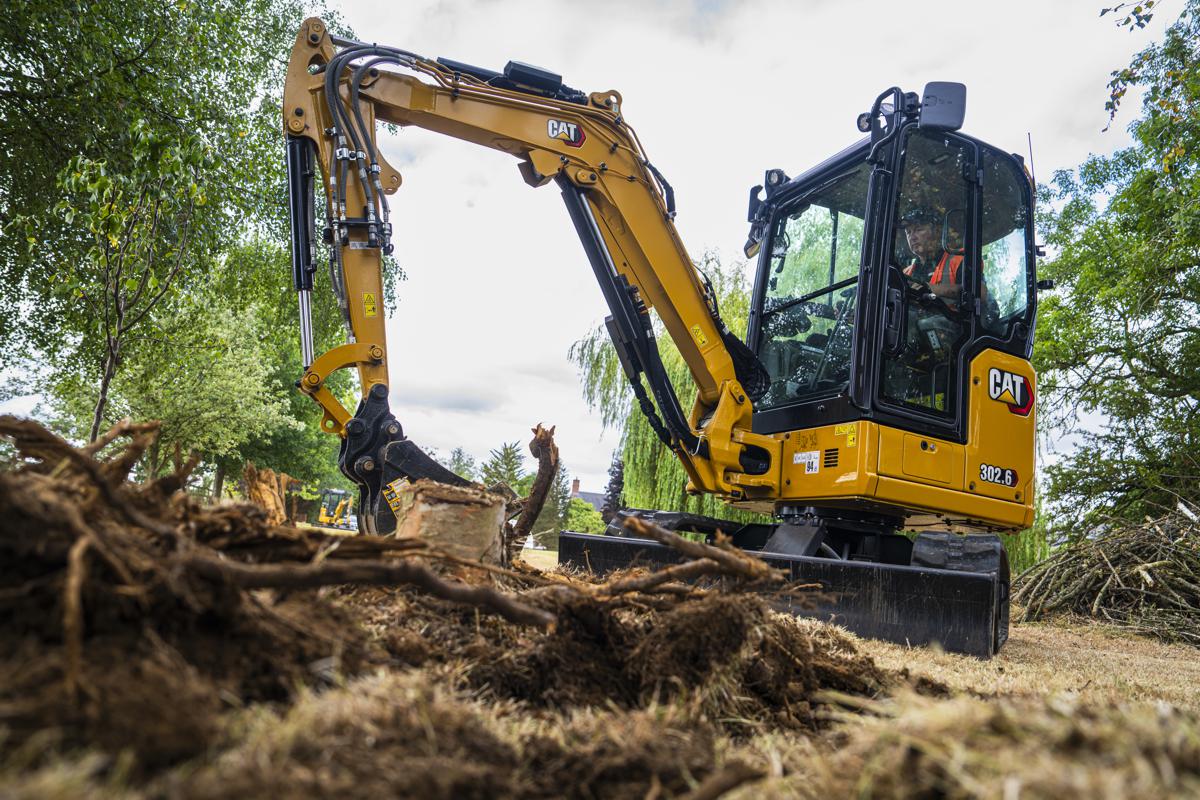
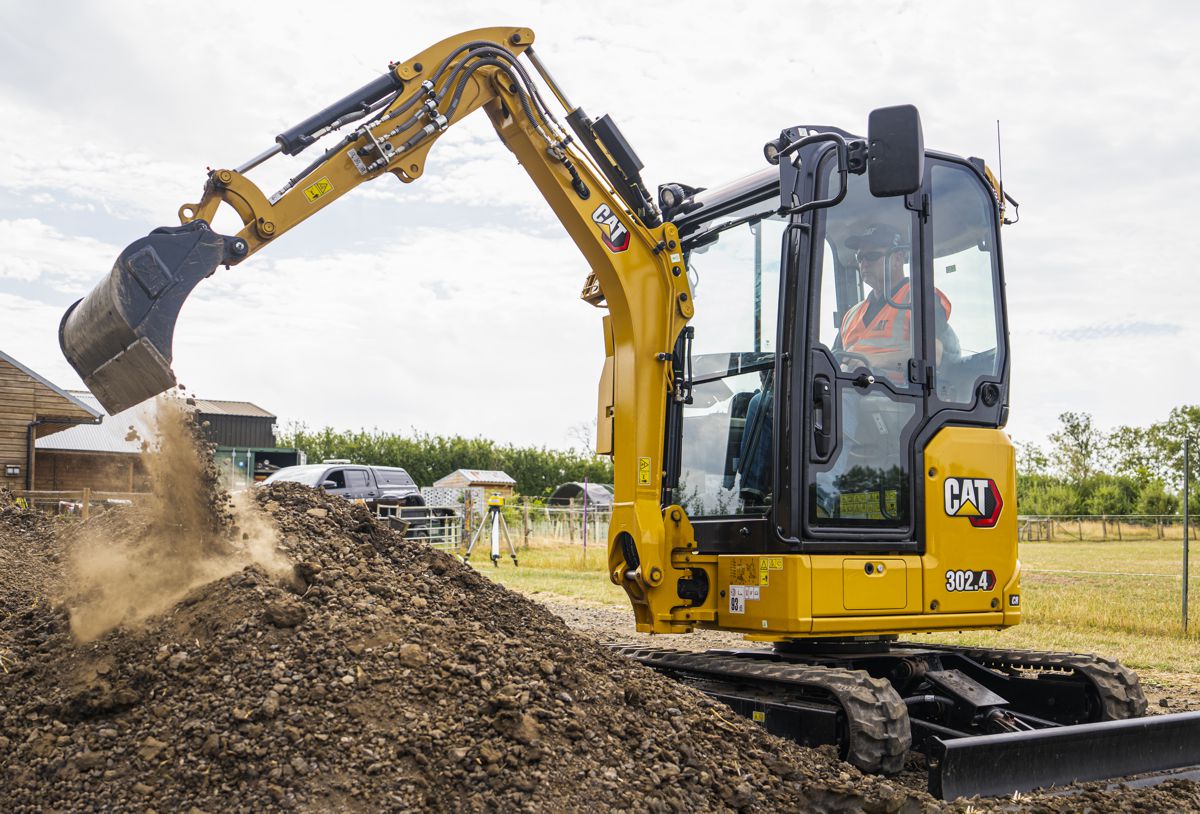
The new Cat 302.4 CR sits above the existing Cat 302, retaining a compact-radius configuration while adopting a wider fixed undercarriage. Its 1,499 mm track width provides a broader base than the 302 CR, contributing to a stated maximum lifting capacity of 980 kg.
With a maximum travel speed of 4.8 km/h, the machine is intended for contractors requiring a compact excavator that can move efficiently around a site without adjusting track width. The fixed undercarriage also provides ground clearance suited to uneven routes and trail work, one of the operating conditions identified by Caterpillar during development.
Retractable tracks offer access through restricted openings, but introduce additional components and require the operator to change configurations. A fixed undercarriage provides a consistent working width and support base, making it suitable for contractors spending most of their time on accessible sites.
Caterpillar has retained a familiar control layout across its Next Generation mini excavators, together with revised hydraulics, service access and optional enclosed operator accommodation. Consistency between machines can be useful in mixed fleets where operators regularly move between different excavator sizes.
Cat 302.6: Lifting Performance and Transport Weight
The Cat 302.6 adopts a standard tail-swing configuration, providing a different balance between rear clearance, machine weight and lifting performance from the compact-radius models.
At an operating weight of 2,695 kg, the 302.6 is lighter than the referenced 302.7 CR configuration. Caterpillar reports a 40% increase in lifting capacity compared with the 302.7 CR fixed-undercarriage model, equivalent to an improvement exceeding 453 kg under the manufacturer’s comparison.
A standard tail-swing excavator can distribute more of its mass behind the slew centre, increasing the counterbalancing moment available when lifting over the front. Compact-radius machines reduce rear overhang, which is advantageous alongside buildings, traffic lanes and other obstacles, but requires a different balance of counterweight, undercarriage dimensions and hydraulic capability.
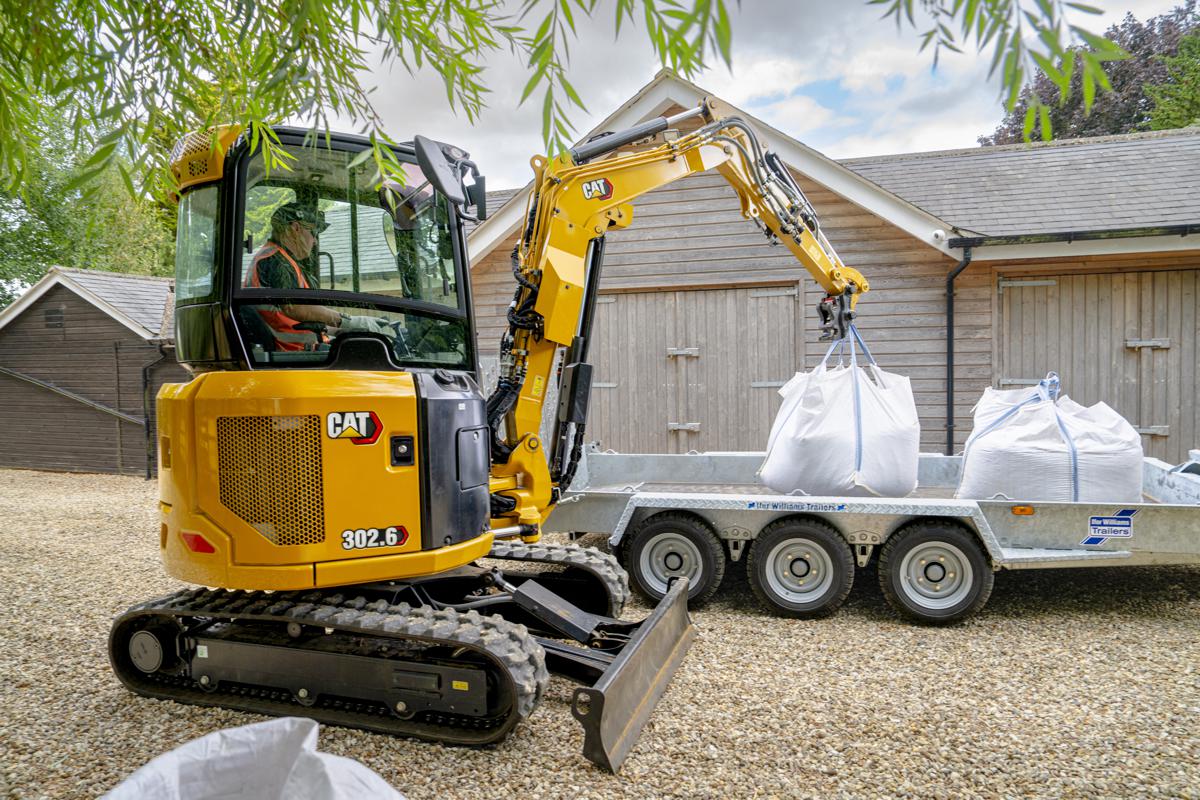
Contractors regularly handling drainage components, pipes, landscaping materials or other suspended loads may find the 302.6’s increased lifting performance useful, provided the loads remain within the machine’s rated lifting chart. Actual capacity depends on lift radius, height, direction, attachment weight and operating configuration.
The 2,695 kg operating weight also places the machine within the towing capabilities of certain vehicle and trailer combinations. Caterpillar describes it as towable in most territories, although compliance depends on the vehicle’s permitted towing mass, trailer gross weight, attachments, fuel, accessories and local licensing requirements.
Common Components and Fleet Maintenance
The 302.4 CR and 302.6 share elements of Caterpillar’s Next Generation mini excavator platform, including common components, consistent control arrangements and improved access for servicing. Both incorporate a tilt-up cab design, extended service intervals and an optional sealed, pressurised cab intended to limit dust ingress and reduce operator noise exposure.
Caterpillar also identifies improvements in uphill swing torque, travelling and turning performance, together with a revised hydraulic system. Higher auxiliary hydraulic flow is intended to support a wider selection of attachments, including breakers and demolition tools. Individual tool compatibility will depend on the hydraulic flow and pressure available from each machine configuration.
Common components and familiar service procedures can simplify maintenance across fleets operating several Caterpillar models. The practical benefits will depend on parts availability, service requirements and the number of machines sharing the same systems.
The larger machines also offer a more enclosed operating environment than the open-platform 301 CR. A pressurised cab with improved sealing can be valuable on dusty demolition and earthmoving sites, although cab dimensions, visibility and access remain important considerations in confined locations.
Three Machines for Different Working Conditions
The differences between the models extend beyond operating weight.
| Specification | Cat 301 CR | Cat 302.4 CR | Cat 302.6 |
|---|---|---|---|
| Configuration | Compact radius | Compact radius | Standard tail swing |
| Undercarriage | Expandable | Fixed | Fixed |
| Track width | 730–1,100 mm | 1,499 mm | Not stated |
| Operating weight | Up to 1,230 kg | Not stated | 2,695 kg |
| Top travel speed | 3.6 km/h | 4.8 km/h | Not stated |
| Principal design priority | Restricted access | Compact operation and stability | Lifting performance |
Specifications are manufacturer-reported. Operating weights and equipment configurations may vary by market. Lifting capacities are discussed individually because the published figures do not establish directly equivalent test conditions.
Caterpillar previewed the 301 CR at CONEXPO-CON/AGG in March 2026, when it indicated that commercial availability was planned for early 2027. The subsequent announcements cover North America and Europe, although regional delivery schedules and final specifications remain subject to dealer confirmation.
Pricing has not been disclosed in the reviewed announcements. Fleet buyers will therefore need to assess local quotations, attachment packages, service support and the suitability of each machine for its intended applications.
The 301 CR’s retractable undercarriage gives it access to working areas that exclude wider equipment, while the 302.4 CR provides a fixed-base compact-radius alternative. The 302.6 retains conventional tail-swing geometry where additional rear clearance is available and lifting performance carries greater weight in machine selection.
Key Industry Questions
- What replaces the Cat 300.9D micro excavator? The Cat 301 CR replaces the 300.9D, introducing a compact-radius design, expandable undercarriage, revised hydraulics and improved lifting performance.
- How narrow is the Cat 301 CR? Its undercarriage retracts to 730 mm, allowing the machine to pass through openings approximately 762 mm wide, subject to adequate clearance.
- What is the lifting capacity of the Cat 301 CR? Caterpillar quotes 394 kg at a forward radius of 1.83 m and a lifting height of 0.91 m. Capacity varies with operating conditions and lift position.
- What distinguishes the Cat 302.4 CR from the Cat 302.6? The 302.4 CR uses a compact-radius design, while the 302.6 has a standard tail swing and is configured for greater lifting performance.
- How much does the Cat 302.6 weigh? Caterpillar specifies an operating weight of 2,695 kg. The applicable transport weight must be checked against the actual machine configuration.
- Can the Cat 302.6 be transported on a trailer? Potentially, depending on the towing vehicle, trailer rating, attachments and applicable regulations. Caterpillar describes the machine as towable in most territories.
- Which attachments are available for the Cat 301 CR? Options include trenching and cleaning buckets, the B1 hammer and the A13 auger, with a pin-puller coupler designed to simplify attachment changes.
- When will the new Caterpillar excavators be available? Caterpillar previously indicated early 2027 commercial availability for the 301 CR. Availability and specifications for all three models should be confirmed with regional dealers.
Strategic Takeaways
- The 301 CR’s expandable undercarriage allows contractors to combine narrow access with a wider working footprint once inside a restricted site.
- The 302.6 retains standard tail-swing geometry to prioritise lifting performance where rear clearance is available.
- The 302.4 CR provides a fixed-undercarriage alternative for contractors who require compact-radius operation without adjustable tracks.
- Additional hydraulic circuits and attachment options extend the range of work available to smaller excavators, subject to individual machine limits.
- Common components and controls may simplify mixed-fleet operation, while transport weight and lifting capacity still require configuration-specific assessment.