The Future of Smart Technology in Everyday Life
Technology is evolving at a speed that is transforming how we live, work, and connect. From artificial intelligence to cloud computing and smart devices, innovation is reshaping industries and improving efficiency across the globe.
Today, technology is not limited to IT companies or large corporations; it has become an essential part of daily life.
Artificial Intelligence and Automation
One of the most significant advancements in recent years is Artificial Intelligence (AI). AI-powered systems are now used in customer service, healthcare diagnostics, education platforms, and even financial analysis. Automation tools reduce human error and increase productivity by handling repetitive tasks with precision.
Machine learning, a branch of AI, allows systems to analyse patterns and improve over time without being explicitly programmed. Businesses are using predictive analytics to understand customer behaviour, forecast trends, and make data-driven decisions.
Cloud Computing and Remote Accessibility
Cloud computing has completely changed the way organizations manage data. Instead of relying on physical servers, companies now store and access data securely through cloud platforms. This has made remote work more efficient and flexible.
Employees can collaborate in real time, share documents instantly, and manage projects from anywhere in the world. Cloud-based solutions also reduce infrastructure costs and improve scalability, allowing businesses to expand without heavy investments in hardware.
Cybersecurity in the Digital Age
As digital transformation increases, cybersecurity has become more important than ever. With growing online transactions and data storage, organizations must invest in advanced security measures to protect sensitive information.
Technologies such as blockchain, encryption algorithms, and multi-factor authentication are strengthening digital security frameworks. Businesses that prioritize cybersecurity build stronger trust with customers and partners.
Internet of Things (IoT)
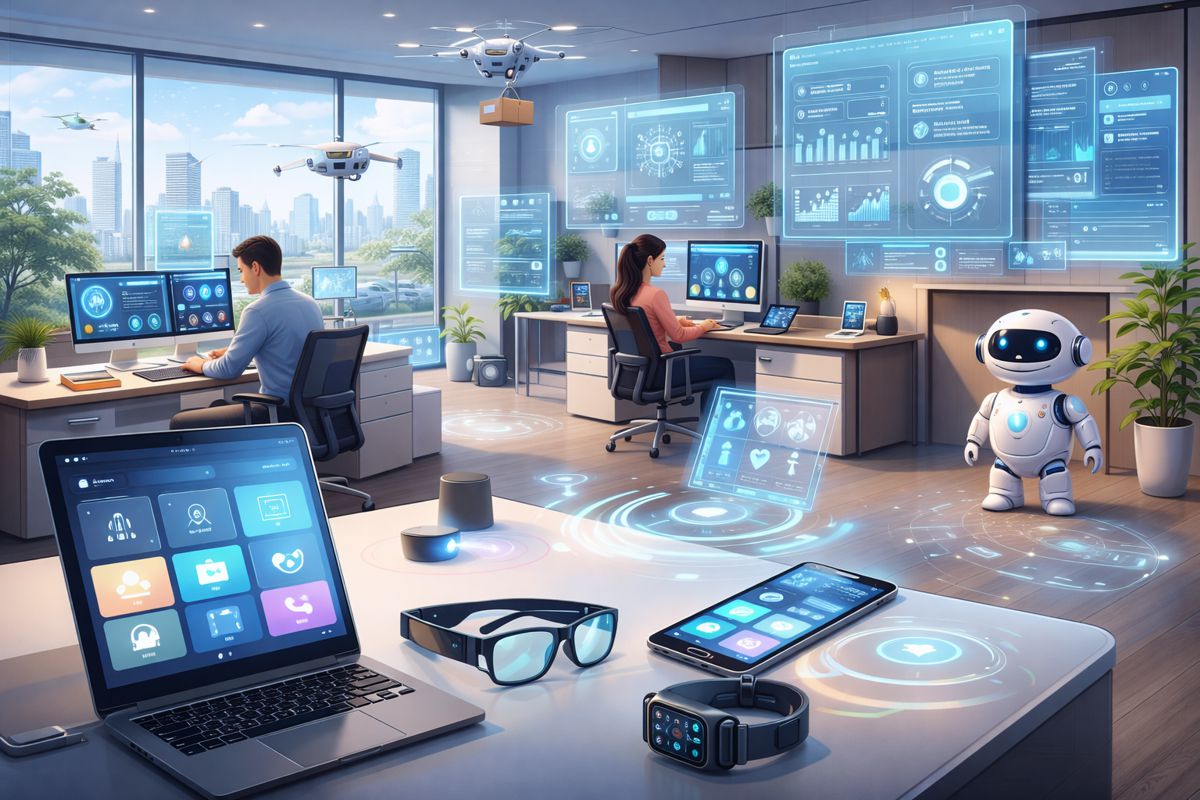
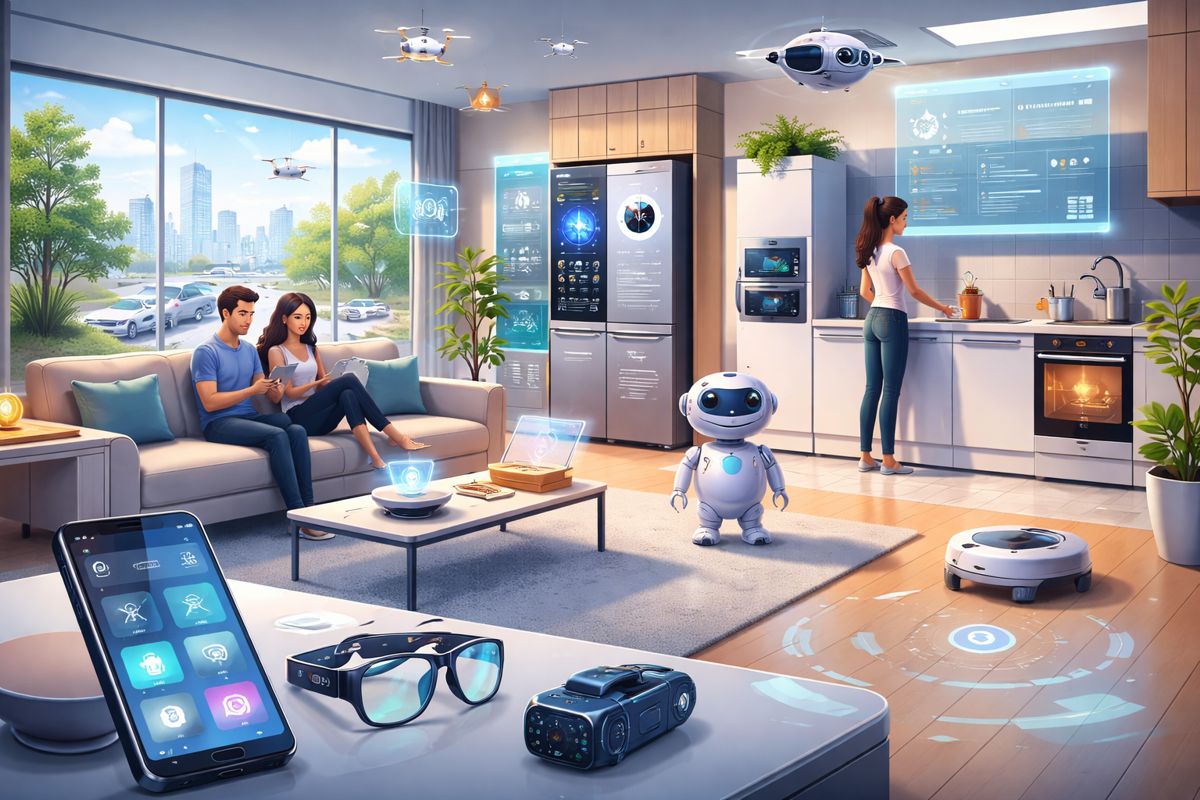
The Internet of Things (IoT) connects everyday devices to the internet, enabling them to send and receive data. Smart homes, wearable fitness trackers, and connected vehicles are all examples of IoT in action.
IoT improves convenience and efficiency. For example, smart thermostats automatically adjust temperature settings based on usage patterns, while connected health devices monitor vital signs and provide real-time insights.
5G and Faster Connectivity
The rollout of 5G networks is another milestone in technological progress. Faster internet speeds and lower latency are enhancing communication, streaming, gaming, and remote operations.
With 5G, technologies like augmented reality (AR) and virtual reality (VR) are becoming more practical for businesses and consumers. Industries such as healthcare and manufacturing benefit from real-time data transmission and improved connectivity.
Big Data and Analytics
Data is often called the new oil in today’s digital economy. Organizations collect vast amounts of data from websites, mobile apps, and digital platforms. Advanced analytics tools help convert this raw data into meaningful insights.
By analysing user behaviour, companies can improve customer experience, optimize marketing strategies, and enhance operational efficiency. Data-driven decision-making is becoming a key competitive advantage.
For instance, digital marketing agencies often analyse search trends and user intent to create targeted strategies. Even businesses in competitive markets rely on data analytics to understand online visibility and customer engagement patterns—demonstrating how technology impacts diverse sectors without focusing on any specific industry.
Blockchain and Decentralization
Blockchain technology is gaining attention beyond cryptocurrency. It provides a secure, transparent, and decentralized system for recording transactions.
Industries such as finance, supply chain management, and healthcare are exploring blockchain for secure data sharing and fraud prevention. Its transparency and reliability make it a promising technology for the future.
The Rise of Smart Work Environments
Modern workplaces are becoming smarter with the integration of digital collaboration tools, AI-powered assistants, and automated workflows. Smart systems can schedule meetings, manage emails, and analyse performance metrics.
These advancements not only increase productivity but also improve work-life balance by reducing manual workloads. Businesses adopting smart technologies are more agile and adaptable in changing market conditions.
The Future of Technology
Looking ahead, emerging technologies such as quantum computing, edge computing, and advanced robotics are expected to further revolutionize industries. As innovation continues, the focus will remain on improving efficiency, security, and user experience.
Technology is no longer optional—it is the backbone of modern society. Organizations that embrace digital transformation will stay competitive, while individuals who adapt to technological changes will find new opportunities for growth.
In conclusion, the rapid development of technology is shaping a smarter, more connected world. From AI and IoT to blockchain and big data, digital innovation continues to redefine possibilities and create a future driven by intelligence and connectivity.