Construction Marketing is an Asset that Compounds
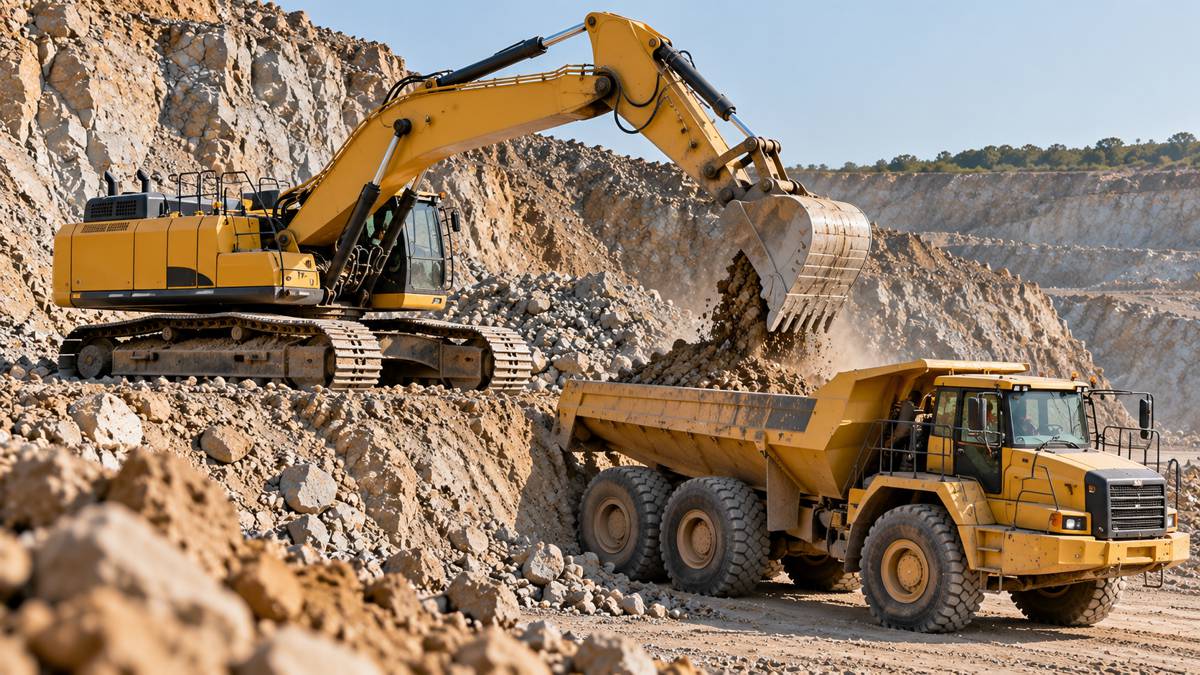
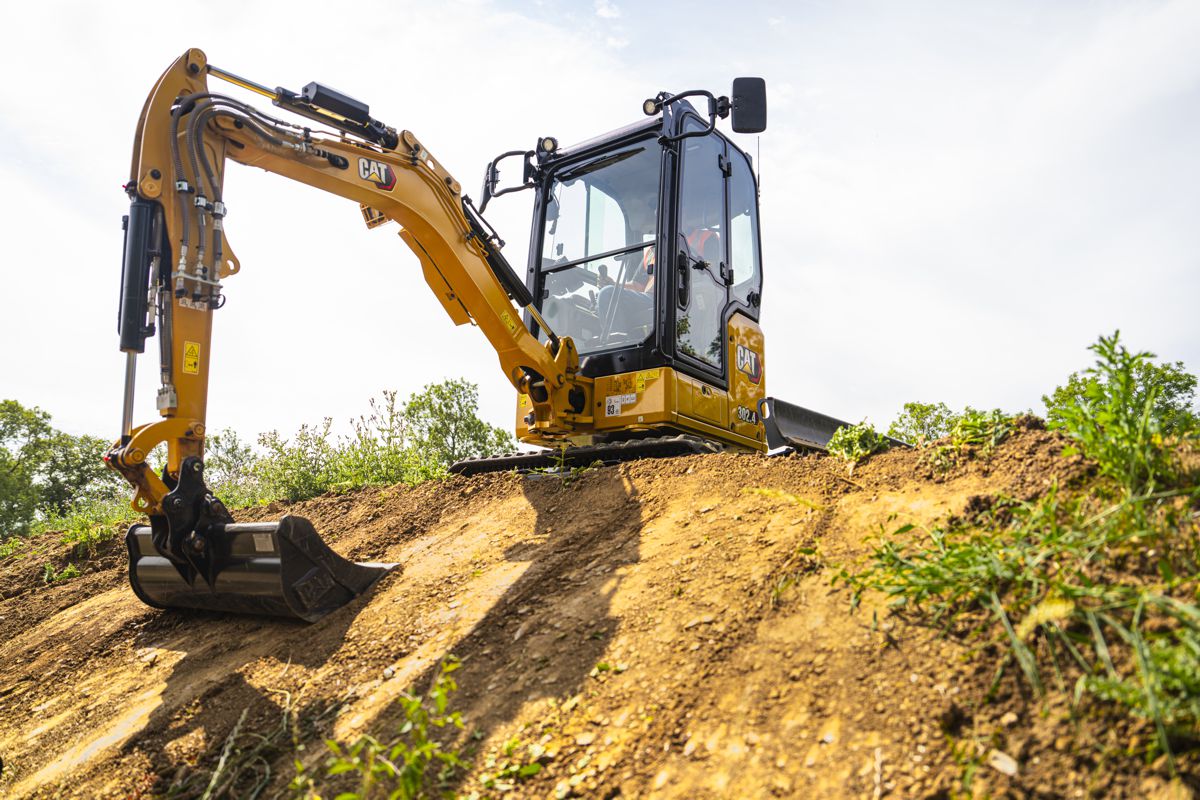
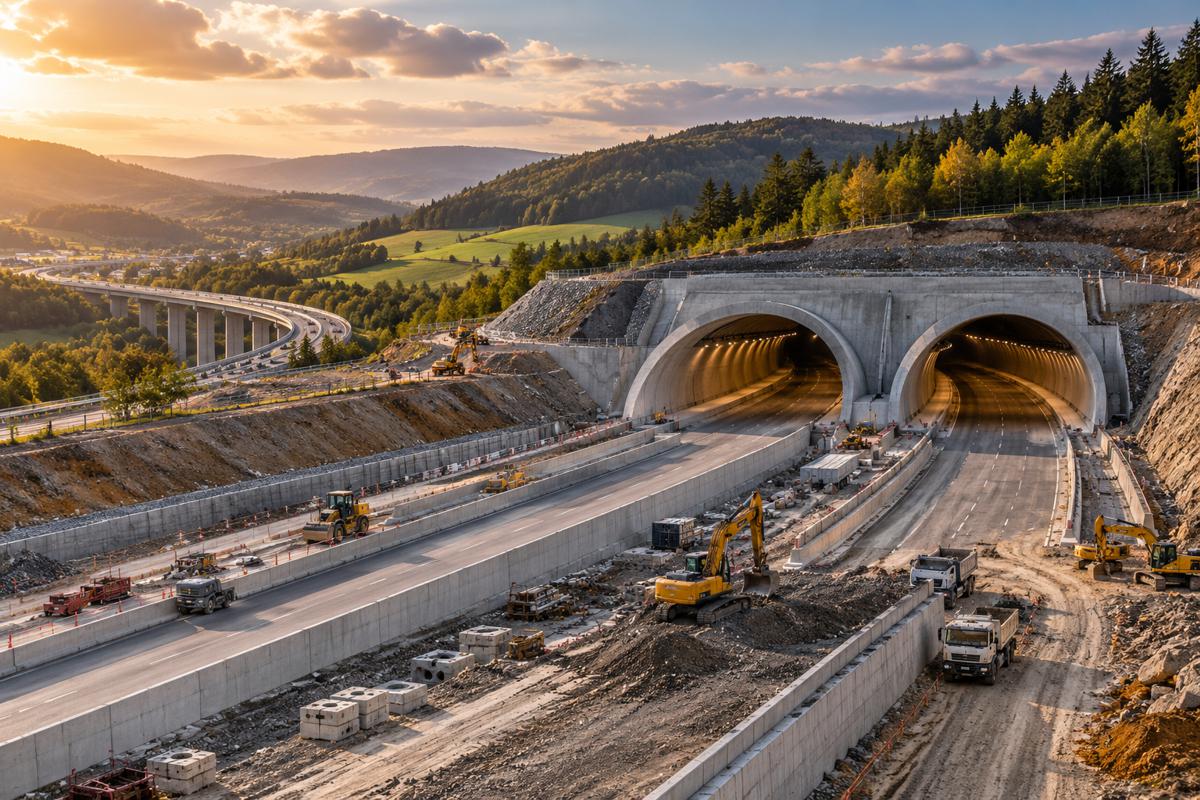
Construction companies are accustomed to buying things that remain after the invoice has been paid. A new excavator enters the fleet. A batching plant increases capacity. Software becomes part of the operating system. A factory extension provides another production line. Training leaves people with capabilities they did not have before.
Marketing expenditure often behaves differently. An exhibition stand is dismantled. The sponsored campaign ends. Paid search stops producing traffic when the budget is switched off. A display advertisement completes its run, while yesterday’s promoted social post disappears beneath everything published since.
None of that makes advertising, exhibitions, sponsorship or paid digital marketing poor investments. A temporary campaign can introduce a company to a customer who remains valuable for decades, and importantly construction remains an industry where relationships, demonstrations, trade shows and direct sales matter enormously.
There is nevertheless a useful question for companies deciding where the next marketing budget should go: after the campaign has finished, what does the company still own?
For businesses with years or decades of engineering, project and operational experience, the answer could be considerably more than campaign reports and sales leads. Technical knowledge, project histories, specialist people and lessons accumulated in the field can become a published record that remains available to customers, search engines, journalists, potential employees, investors and increasingly AI-assisted research systems. That creates a useful distinction between marketing expenditure that buys access to attention and investment that also leaves behind a usable asset.
Editorial disclosure: This article forms part of Highways.Today’s Construction Marketing Month. Highways.Today provides Expert Article Writing & Publishing services to companies in the construction and infrastructure sectors. The editorial arguments and conclusions in this article are Highways.Today’s own.
Briefing
- Advertising, exhibitions and paid campaigns can generate immediate commercial value, but much of the media inventory disappears when the campaign finishes.
- A connected body of technical articles, project stories and expert material can accumulate into a searchable public record of what a company knows.
- Google’s guidance for AI Overviews and AI Mode continues to emphasise established SEO principles and useful, original material rather than a separate formula for AI optimisation.
- Published knowledge has an asset lifecycle of its own, requiring maintenance, updating and occasionally retirement as technologies, regulations and markets change.
- Serious technical publishing carries costs and constraints, including specialist time, confidentiality, technical approval and decisions over which knowledge should remain proprietary.

Campaign Spend and What Remains
Advertising has always involved buying access to somebody else’s audience. A construction equipment manufacturer places an advertisement in a publication because the publication has readers it wants to reach. It exhibits at a trade show because the organiser has assembled buyers, contractors, dealers and engineers in one place. Google and LinkedIn provide different versions of the same exchange, selling access to attention according to searches, interests, professional characteristics and behaviour.
The transaction can be extremely effective, although it generally does not create a durable information asset in its own right. Published technical material behaves differently because, once an article exists, it can be circulated through a newsletter, shared by a salesperson, found through search, linked from another article and returned to when somebody encounters the engineering problem it addresses. A project feature can continue explaining a company’s capabilities long after the project itself has been completed.
Consider two specialist manufacturers with similar marketing budgets. One repeatedly buys campaigns that generate periods of visibility. The other continues advertising and exhibiting, but also allocates part of its budget to documenting projects, explaining technologies and publishing technical expertise.
After five years, both may have generated customers, enquiries and stronger brand recognition. The second business also has an expanding public record of what it knows.
Researching those companies can consequently produce very different impressions. One may be represented largely by its corporate website, brochures, product announcements and recent campaigns. The other has accumulated technical explanations, project stories, specialist commentary and external coverage around the subjects in which it claims expertise, giving a potential customer considerably more evidence with which to understand the business.

The Corporate Knowledge Record
The previous Construction Marketing Month feature, Documenting the Expertise Your CV Cannot Show, asked a simple question of individual professionals: what do you know that isn’t written down anywhere? The corporate version is larger still: how much does the company know that has never entered the public record?
A long-established manufacturer may have accumulated knowledge across several generations of machines and thousands of customer applications. Contractors carry lessons from difficult projects, unusual ground, logistics, temporary works, procurement decisions and equipment choices. Engineering consultancies transfer experience between projects, while technicians and product specialists acquire practical knowledge that may never appear in formal documentation.
Much of it remains scattered through people’s heads, project files, technical reports, old presentations, photographs and internal conversations. Marketing teams can spend considerable time searching for subjects to fill editorial calendars while decades of engineering experience remain undocumented elsewhere in the same business.
Some of that knowledge must remain private. Some is commercially sensitive, covered by confidentiality agreements or valuable precisely because competitors do not possess it. Much of the rest can be documented without disclosing anything proprietary, adding to the company’s technical and corporate record while providing credible evidence of the expertise behind the business.

How Publishing Compounds
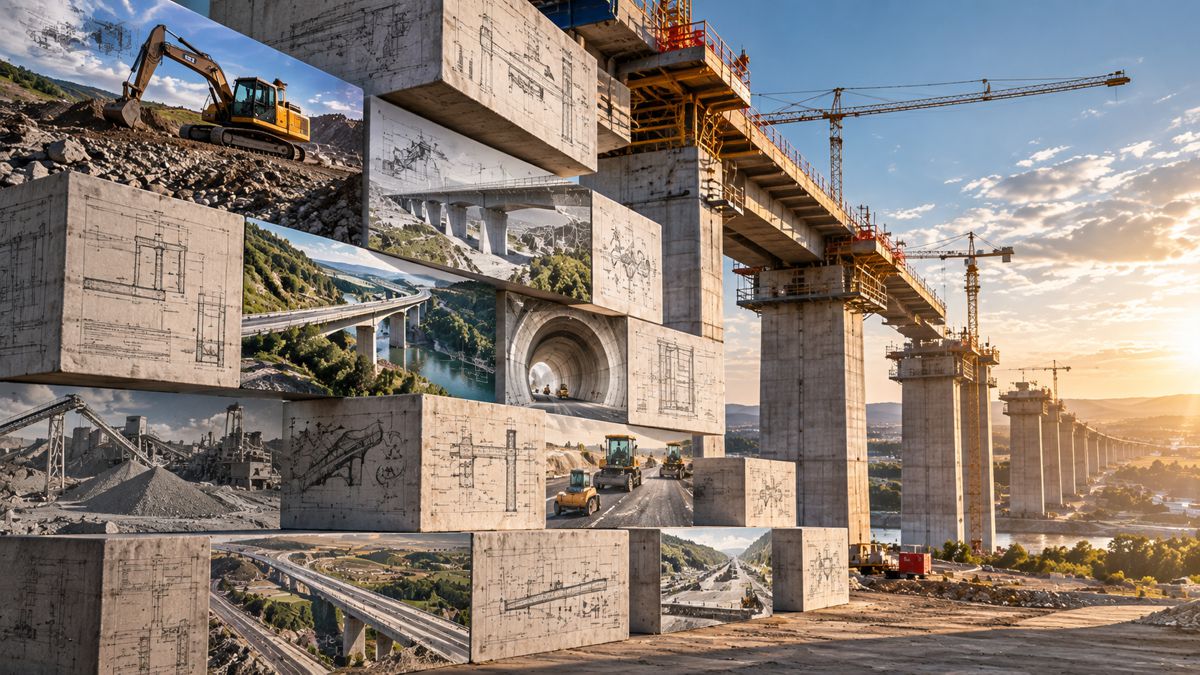
Longevity alone does not make an archive compound. A forgotten collection of disconnected articles is simply an old collection of articles, whereas the effect begins when published material starts supporting other published material and each addition deepens the record that already exists.
A machine-control company might begin with a substantial article explaining positioning technology. Later pieces could examine sensors, interoperability, automated grading, data exchange, site workflows and autonomous equipment. A project feature provides evidence of the technology in operation, while an interview with an engineer adds practical experience that a product page cannot provide.
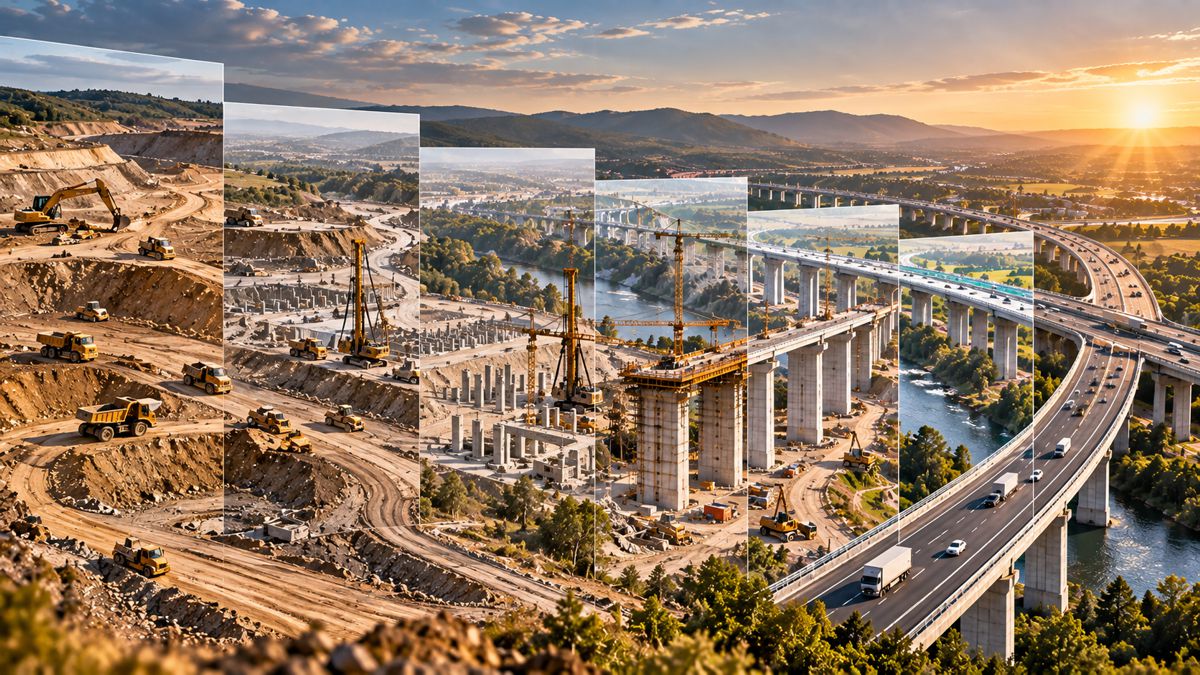
Each article has its own purpose, but the collection gradually creates a deeper representation of the company’s expertise. New material can link to earlier explanations rather than beginning again. Older articles provide context for new developments. Someone arriving through one technical question can move into related subjects, projects and applications.
The effect extends beyond navigation. Search engines have a broader set of relevant pages to discover, while AI systems using web retrieval have more material from which to establish relationships between a company, its people and particular subjects. Sales teams can select the article most relevant to a customer’s problem instead of sending the same corporate brochure to everybody.
Reputation can accumulate through the same process. Repeatedly encountering useful material from the same organisation gives a reader more evidence than a single claim of expertise or market leadership. No individual article creates that reputation by itself, but the body of work becomes more informative as it develops.
This is where compounding differs from simple persistence. A good article may retain value for years, while a connected archive allows later work to extend the usefulness and context of what already exists.
Search, AI Retrieval and Specialist Publishing
Traditional SEO encouraged companies to think heavily in terms of keywords. Identify the phrases potential customers type into Google, build relevant pages around them, earn links and compete for prominent positions in search results. Those fundamentals remain relevant. Google’s guidance for AI features and websites says established SEO practices continue to apply to AI Overviews and AI Mode, without additional technical requirements or special schema markup needed to appear in these features.
The questions being asked of search systems are becoming richer. Google’s explanation of AI Mode in Search describes an approach designed for complex questions, comparisons and further exploration. The system can use what Google calls “query fan-out”, issuing multiple related searches across subtopics and data sources before constructing a response. For a specialist construction company, the practical response does not require attempting to reverse-engineer every new algorithm.
A manufacturer with decades of experience in asphalt recycling has more to contribute than pages targeting variations of “asphalt recycling equipment”. Its engineers can explain materials, applications, operating constraints, machine development and project experience. A structural monitoring specialist can publish around sensing technologies, inspection regimes, deterioration mechanisms, data interpretation and the practical limitations of remote monitoring.
Construction businesses already possess much of the raw material that generic AI-generated marketing lacks: projects that happened, equipment that operated, engineers who solved real problems, laboratories that tested materials, failures that forced redesigns and applications that exposed technologies to conditions their designers may not originally have anticipated.
Publishing that experience gives conventional search and AI-assisted retrieval something substantive to find. It also gives customers, journalists, engineers and other human readers better evidence with which to understand the company.
SEO and answer engine optimisation (AEO) are therefore better treated as potential benefits of a useful information asset rather than the reason for creating it. Algorithms will continue changing, making genuine expertise a more durable starting point and an archive worth discovering a more sensible objective than attempting to anticipate every change in search technology.

The Useful Life of Published Work
An engineering feature published in 2026 might be discovered during research in 2028. A salesperson might send it to a potential customer several years after publication because the technical issue remains relevant. An engineer could encounter it through conventional search, while another reader might arrive through a newsletter, professional recommendation or AI-assisted research. Useful publishing can therefore remain available until the reader eventually develops the problem it addresses.
The precise distribution route is less important than the continuing availability of the material. Search engines, newsletters, social media, direct links, sales conversations and AI systems can change during the useful life of an article without requiring the underlying knowledge to be recreated each time.
Published assets do not remain useful indefinitely, however. Technical information ages, regulations change, products are superseded, companies are acquired, links break and search behaviour moves. Some subjects remain useful for a decade, while others can become misleading within a year.
That lifecycle has a familiar parallel in construction equipment. An asset is acquired, put to work, maintained and occasionally refurbished before eventually being replaced. A published archive deserves similar management, with evergreen technical material reviewed and updated, older articles connected to subsequent developments, and weak or outdated pieces consolidated or retired where necessary.
The Highways.Today feature The Half-Life of Construction Knowledge explored the wider problem of technical knowledge ageing as technologies, standards and working practices move on. A useful archive preserves experience without pretending that every conclusion remains current forever, which means treating published work as an asset also requires somebody to look after it.
The Cost of Capturing Expertise
Creating serious technical material consumes resources that rarely appear in calculations based simply on cost per word. Engineers’ time is expensive and often difficult to secure, while interesting projects may be covered by client confidentiality or non-disclosure agreements. Technical, legal and commercial approval can slow publication, particularly in larger organisations, and companies may also be reluctant to explain hard-won knowledge that could educate competitors.
Those constraints determine what should be published rather than invalidating the principle. A sensible editorial process identifies what can be said, removes commercially sensitive detail and concentrates on knowledge that demonstrates expertise without giving away the company’s competitive advantage.
There is also a question of opportunity cost. An engineer spending several days trying to become a writer may not be the best use of either engineering or marketing resources. A more efficient approach can be to extract the knowledge through interviews, technical material and project documentation, then use experienced editorial support to turn it into something accurate and readable.
The raw material still comes from the people who understand the subject. Publishing should reduce the burden of documenting their expertise rather than create another job for them.
Building a Body of Work
The word “content” has become broad enough to describe almost anything placed on a screen. An automatically generated product description and a 4,000-word investigation drawing on engineering research can both appear in the same marketing spreadsheet as pieces of content, when publishing really demands a more useful question: what does this company know that is worth putting on the record?
That can lead directly into the engineering department, project teams, workshop, laboratory, quarry, design office or executive suite. It may uncover a specialist who has spent 25 years solving one class of problem, a project that required an unusual technical approach, a product whose development reveals something interesting about the market, or an overlooked application with international potential.
AI has made competent-looking marketing material extraordinarily cheap to produce. Filling websites with more of it does little to distinguish genuine expertise. Companies already possess something considerably harder to manufacture: experience.
A smaller publishing programme built around substantial subjects can therefore create more durable value than a large editorial calendar filled simply because the calendar exists. The useful measure becomes the quality of the corporate record rather than the number of items produced.
Building an External Record
Construction Marketing Month began with The Construction Marketing Playbook Has Changed, examining the changing mechanics of discovery. You Don’t Need to Market Like a Multinational Anymore looked at the capabilities AI and better internal intelligence now give smaller marketing teams. Reputation is Infrastructure You Build in Advance considered the value of establishing corporate authority before it is needed, while Documenting the Expertise Your CV Cannot Show applied the same principle to the people whose knowledge gives companies much of their real capability.
A body of published work connects those ideas by turning expertise into evidence that can remain available beyond the original campaign. The corporate website remains the natural home for first-party information, and companies should document their projects, people and capabilities properly there. Publishing elsewhere can create an additional external record, particularly where the material is researched and framed editorially rather than reproduced from company marketing copy.
That distinction sits behind Highways.Today’s Expert Article Writing & Publishing service. The service is commercially commissioned and disclosed as such. The client provides access to its expertise and relevant information, while Highways.Today retains control of the research, framing, wider context and editorial judgement.
The objective is to produce serious industry editorial rather than disguised corporate copy. Highways.Today researches the wider subject, identifies the strongest story and places the company’s knowledge within the technical, commercial or industry context needed to make it useful to an international construction and infrastructure readership.
No publisher can responsibly promise that an article will achieve a particular Google ranking, appear in an AI answer, generate an enquiry or influence a procurement decision. Search systems change, audiences behave unpredictably and marketing rarely reduces to a single input and output.
The commercial case rests on what remains after publication. Over time, different projects, technologies, applications and specialists can build an external record that represents the business more completely than a succession of temporary campaigns. For a specialist company whose reputation has not yet travelled as far as its engineering capability, that accumulated record can provide the market with considerably more evidence of what sits behind the name.
Marketing That Remains
The construction industry’s marketing mix will continue to include expenditure with a short media life. There are good reasons to advertise a product launch, sponsor an event, exhibit a machine, promote a campaign or buy attention in a particular market. Immediate visibility matters because businesses operate in the present, but the balance between temporary reach and longer-lived assets deserves consideration when marketing budgets are allocated.
A business spending heavily to become visible this quarter while documenting almost none of what it has learnt over the previous 30 years may be overlooking one of its most distinctive assets. The engineering knowledge, projects and people already inside the organisation can provide material that competitors cannot reproduce simply by buying the same advertising space or subscribing to the same AI tools.
Search engines will change, AI systems will change, social platforms will change and marketing technology will continue to evolve. The underlying commercial problem is considerably older. A business needs people to understand what it does, trust what it says and remember why its expertise is relevant.
Advertising can provide immediate reach. Exhibitions can put people and machines in front of customers. Campaigns can introduce products, generate enquiries and open relationships. A publishing programme performs a different job by steadily adding to the public record of the company’s projects, knowledge, people and capabilities.
Over time, that record can become easier to navigate, richer in context and more useful to people trying to understand the business. New work can extend older work rather than continually replacing it, allowing the company’s public evidence of expertise to develop alongside the company itself. The strongest marketing leaves something worth finding.

Key Industry Questions
- What does it mean for marketing to compound? Marketing compounds when new material adds to the usefulness of an existing body of work, creating greater technical depth, stronger connections between subjects and a richer public record of the company’s expertise.
- Is advertising a poor investment compared with publishing? No. Advertising, exhibitions and paid campaigns can generate immediate awareness, enquiries and commercial relationships. Publishing serves a different purpose by creating material that can remain available after the campaign has ended.
- Can published articles support SEO and AI-assisted discovery? Useful, original and relevant material can support organic search visibility and gives AI retrieval systems public information they may potentially discover and use. Google’s current guidance says established SEO practices continue to apply to its AI search experiences. Rankings, inclusion, citation and recommendation cannot be guaranteed.
- What is answer engine optimisation? Answer engine optimisation, usually shortened to AEO, describes efforts to make information understandable and discoverable through answer-based search and AI-assisted systems. There is no universal optimisation formula, and established search fundamentals remain relevant.
- Does older published material remain valuable indefinitely? No. Technical information, regulations, products and search behaviour change. Some articles remain useful for many years, while others require updating, consolidation or retirement.
- Should construction companies publish proprietary technical knowledge? Companies need to distinguish between knowledge that demonstrates expertise and information that creates competitive advantage by remaining confidential. Client agreements, intellectual property and commercial sensitivity should be considered before publication.
- Why publish outside a corporate website? Corporate websites are essential first-party sources. External publication can add another discoverable record of the company’s expertise, particularly where the material is researched and framed within wider industry context.
- What should construction companies publish? Strong subjects usually originate in genuine experience: projects, engineering problems, unusual applications, research, technical lessons, product development and specialist knowledge that would be useful to others in the industry.
Strategic Takeaways
- Advertising and publishing perform different jobs, with one capable of delivering immediate reach while the other can create information assets with a longer useful life.
- Compounding requires more than keeping old articles online. New material should deepen, connect with and extend the existing body of work.
- SEO and AI-assisted discovery can benefit from a richer public information footprint, but usefulness and genuine expertise provide a more durable foundation than attempts to follow individual algorithms.
- Published knowledge requires maintenance and editorial judgement, particularly where technical information ages or commercial confidentiality limits what can be disclosed.
- A sustained external record of projects, technologies and expertise can make a specialist construction company easier to understand long after the campaign that funded the original article has ended.