Inside Poland’s Ambitious Podłęże Piekiełko Rail Corridor
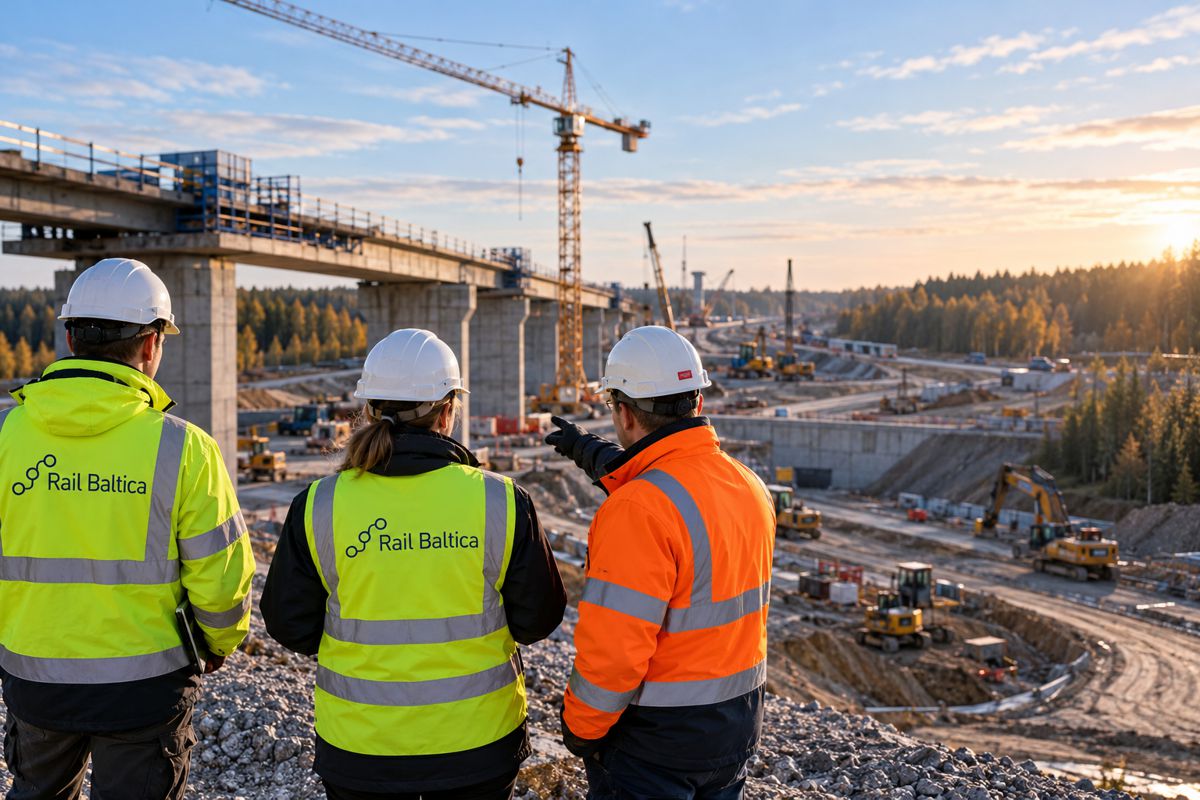
Poland’s ambitious railway modernisation programme has taken another decisive step forward with the awarding of a major civil engineering package for the Podłęże–Piekiełko railway line. The project, valued at approximately 2.58 billion PLN (€604 million), will see global infrastructure group Ferrovial working alongside its Polish subsidiary Budimex to deliver one of the most technically demanding railway sections currently under development in Central Europe.
The contract covers the Podłęże–Gdów sections F and J of the new line in the Małopolskie region of southern Poland. Awarded by the national rail infrastructure authority PKP Polskie Linie Kolejowe, the project forms a critical component of Poland’s broader rail investment strategy aimed at improving mobility, strengthening regional connectivity and encouraging a shift toward lower-carbon transport.
At its heart, the scheme is designed to transform rail access between the historic city of Kraków and the mountainous southern regions of the country, where existing infrastructure has long constrained passenger and freight movements. Once complete, the upgraded corridor is expected to reduce travel times, expand network capacity and provide a more resilient link between regional communities.
Beyond its immediate transport benefits, the project also signals a deeper strategic development: the first tunnelling joint venture between Ferrovial Construction and Budimex. For both companies, the contract represents an opportunity to combine international tunnelling expertise with strong domestic construction capability.
A Major Milestone For Poland’s Rail Transformation
Poland has been investing heavily in modernising its railway infrastructure over the past decade, supported by both national funding and European Union transport programmes. The Podłęże–Piekiełko line is widely regarded as one of the flagship projects within this strategy, designed to unlock economic growth in southern Poland while improving access to remote areas.
The line will significantly strengthen links from Kraków toward the south of the country, particularly toward the mountainous regions close to the Slovak border. Historically, the challenging terrain of the Carpathian foothills has limited rail development, forcing many travellers and freight operators to rely on road transport.
By introducing modern electrified infrastructure through this corridor, the project aligns with broader European transport policy aimed at reducing emissions and shifting more passengers and goods onto rail. According to the European Commission, rail transport produces significantly lower greenhouse gas emissions per passenger kilometre compared with road or aviation, making rail expansion central to the continent’s decarbonisation agenda.
For Poland, the project also addresses long-standing regional disparities in transport accessibility. Improved rail services are expected to support tourism, local commerce and labour mobility, particularly in areas that have traditionally been underserved by high-capacity transport links.
Engineering Through Challenging Terrain
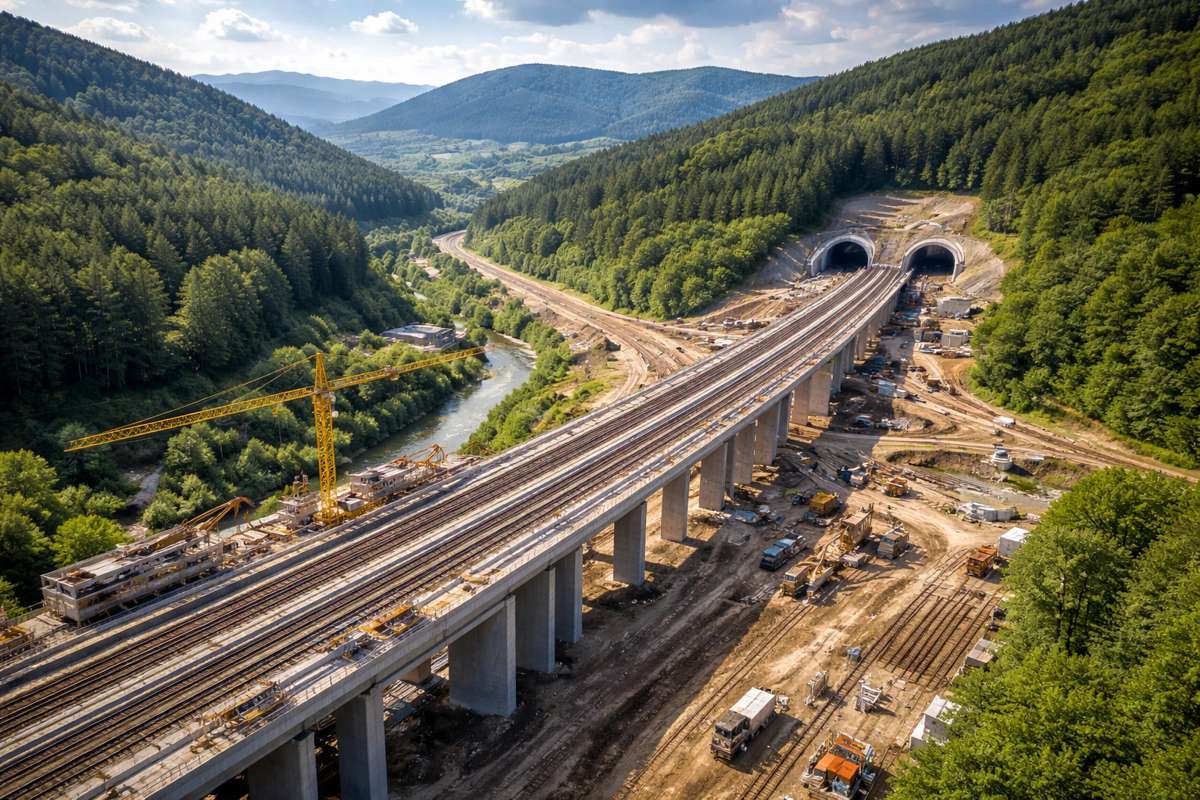
Delivering the Podłęże–Gdów sections will involve extensive civil engineering works across a demanding landscape characterised by valleys, hillsides and complex ground conditions. Over a 46-month construction programme, the Ferrovial-Budimex consortium will build 17.5 kilometres of new electrified double-track railway along with an additional 1.9 kilometres of electrified single track.
The alignment includes two parallel railway tunnels of approximately 900 metres each, a feature that highlights the technical complexity of the route. Tunnel construction in this region requires careful geotechnical planning to manage variable soil conditions and maintain structural stability in mountainous terrain.
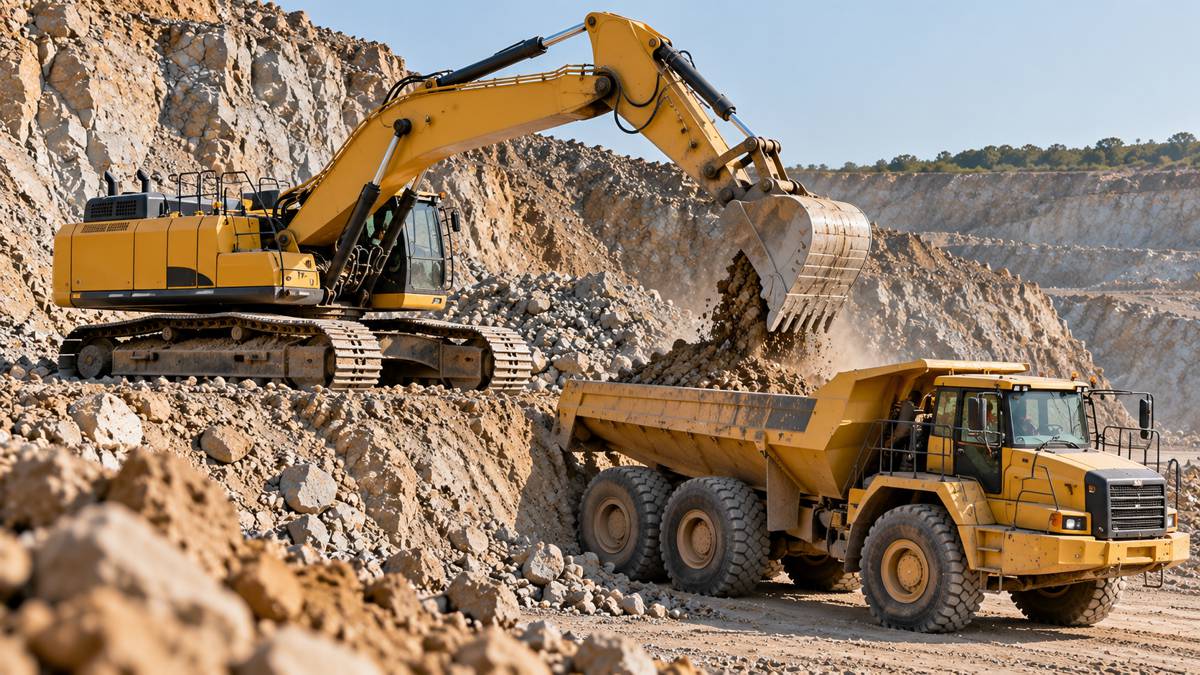
Large-scale ground improvement will play a major role in stabilising the corridor. The project calls for more than 1,244 kilometres of soil-reinforcement columns designed to strengthen the foundation of the railway embankments and structures. These columns help distribute loads more evenly through weaker soils, reducing the risk of settlement and ensuring long-term track stability.
In addition to tunnelling and ground engineering, the works include a substantial programme of structural construction. The project will deliver:
- 39 bridges and viaducts
- 24 culverts
- 2 underpasses
- 18 retaining walls
- More than 112,500 cubic metres of structural concrete
Such infrastructure is essential for maintaining the alignment across valleys and watercourses while preserving environmental continuity and minimising disruption to local communities.
The Strategic Partnership Between Ferrovial And Budimex
The project also marks a noteworthy moment for the partnership between Ferrovial and Budimex. While Budimex has long been a major player in Poland’s construction sector, its collaboration with Ferrovial Construction brings global infrastructure experience to the venture.
Ferrovial has developed a reputation for delivering complex infrastructure projects around the world, particularly in transport sectors such as highways, airports and urban mobility systems. Its integrated business model allows it to participate across the entire lifecycle of major infrastructure projects, from design and financing through construction and long-term operation.
Budimex, meanwhile, is widely recognised as one of Poland’s most prominent construction companies. Established more than half a century ago, the firm has played a significant role in building the country’s roads, railways and industrial infrastructure. Listed on the Warsaw Stock Exchange since 1995, Budimex was included in the WIG-20 index of Poland’s largest publicly traded companies in 2024.
The joint venture combines these complementary strengths. Ferrovial contributes international tunnelling and major project expertise, while Budimex provides extensive local knowledge of regulatory frameworks, supply chains and workforce capabilities in Poland.
For Ferrovial, the project further strengthens its presence in Central Europe, a region experiencing strong infrastructure investment as governments modernise transport networks and integrate more closely with wider European corridors.
Rail Infrastructure As A Driver Of Regional Growth
Infrastructure investment has long been recognised as a catalyst for economic development, particularly in regions where transport limitations constrain mobility and commerce. Rail projects such as the Podłęże–Piekiełko line can reshape regional economies by reducing travel times, increasing reliability and opening new opportunities for businesses and tourism.
Improved rail connectivity often leads to wider economic benefits beyond the transport sector itself. Construction projects generate employment during the building phase, while improved accessibility can attract investment, stimulate local industries and encourage sustainable tourism.
In southern Poland, the impact could be particularly significant. The Małopolskie region includes major cultural centres such as Kraków as well as rural and mountainous communities that rely heavily on seasonal tourism. Faster and more reliable rail services could encourage more visitors while providing residents with improved access to jobs and services in larger cities.
The project also supports Poland’s broader ambition to strengthen its rail network as a competitive alternative to road transport. With freight volumes rising across Europe and increasing pressure to reduce emissions from heavy transport, rail corridors capable of handling both passenger and freight traffic are becoming increasingly important.
The Broader Context Of European Rail Investment
The Podłęże–Piekiełko railway line sits within a wider wave of rail investment across Europe. Governments and infrastructure agencies are expanding networks, modernising signalling systems and electrifying existing routes in order to improve efficiency and environmental performance.
Several large-scale initiatives are underway across the continent, including high-speed rail corridors, cross-border freight routes and urban mobility upgrades. These investments are closely aligned with the European Union’s Trans-European Transport Network strategy, which aims to create seamless transport corridors linking major economic centres across the region.
Poland has been particularly active in this transformation, investing billions of euros into rail upgrades over the past decade. Projects range from high-speed rail concepts and station redevelopments to regional connectivity improvements such as the Podłęże–Piekiełko line.
For infrastructure companies, this surge in investment is creating opportunities to apply advanced construction techniques, digital engineering tools and sustainable design practices across increasingly complex projects.
Strengthening Ferrovial’s Global Infrastructure Portfolio
For Ferrovial, the Polish rail project complements a global portfolio that spans highways, airports and energy infrastructure. The company operates major transport assets in North America, including express lane projects in several U.S. states and the 407 ETR highway in Toronto, Canada.
It is also involved in the development of major airport infrastructure, including the New Terminal One project at John F. Kennedy International Airport in New York. These projects reflect the company’s strategy of focusing on large-scale infrastructure with long-term economic and social value.
Participation in Poland’s railway expansion allows Ferrovial to broaden its experience in rail and tunnelling infrastructure while reinforcing its presence in European transport development.
At the same time, the collaboration with Budimex highlights the importance of combining international expertise with strong local partners. Infrastructure projects of this scale require deep understanding of regional regulations, labour markets and environmental conditions.
Building The Foundations Of Sustainable Mobility
As construction begins on the Podłęże–Gdów sections, the project represents more than another railway upgrade. It forms part of a wider shift toward sustainable mobility across Europe, where rail is increasingly viewed as the backbone of future transport systems.
Electrified railways offer a cleaner alternative to road-based transport while providing high capacity and reliability for both passengers and freight. By investing in modern rail infrastructure, countries like Poland are laying the groundwork for transport systems that support economic growth while reducing environmental impact.
For Ferrovial and Budimex, the project stands as a demonstration of how complex engineering, international collaboration and long-term infrastructure planning can converge to reshape regional connectivity.
Over the coming years, as tunnels are excavated, bridges rise above valleys and new track is laid through southern Poland, the Podłęże–Piekiełko railway line will gradually take shape. When completed, it will not only shorten journeys and improve reliability but also reinforce the role of rail as a cornerstone of sustainable European mobility.