pH7 Technologies Rewriting the Economics of Critical Mineral Extraction
The global race for critical minerals has entered a new phase. It is no longer just about finding new deposits buried deep underground. Instead, attention is shifting towards what can be recovered from what already exists.
Canadian firm pH7 Technologies has secured a substantial financing package to accelerate the deployment of its extraction technology, targeting a problem that continues to frustrate the mining sector: vast quantities of metals remain locked in low-grade ores, tailings and industrial waste streams.
With an oversubscribed Series B round raising approximately USD $32 million in equity, alongside venture debt support from RBCx, the company now has access to roughly CAD $55 million in total financing. The backing brings together a mix of strategic and financial investors, including Asahi Kasei, the Circular Innovation Fund, Fine Structure Ventures, and BHP Ventures. The scale and composition of the investment signal a growing consensus that the next gains in mineral supply will come from rethinking extraction, not just exploration.
Briefing
- pH7 Technologies has secured approximately USD $39 million in total financing, combining equity and venture debt
- The company focuses on recovering metals from low-grade ores, tailings and complex feedstocks
- New investors include Asahi Kasei and the Circular Innovation Fund, alongside existing backers
- Its closed-loop electrochemical process reduces energy use and waste compared to conventional extraction
- Commercial deployment is accelerating globally, with an initial focus on copper
The Real Constraint in Critical Minerals Supply
The challenge facing the mining industry is often framed as a shortage of new discoveries. Yet the reality is more nuanced. According to the International Energy Agency, demand for minerals such as copper, nickel and platinum group metals is set to surge as electrification, renewable energy and digital infrastructure expand. Copper demand alone could double by 2040 under net zero scenarios, driven by electric vehicles, grid upgrades and renewable generation.
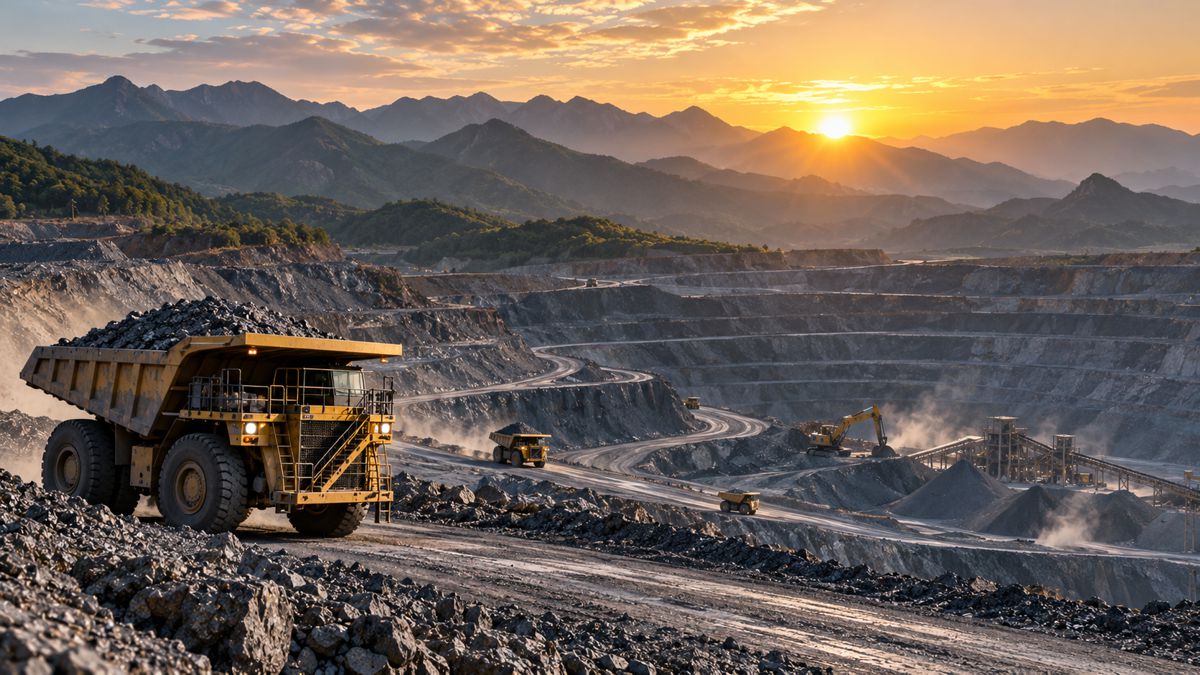
At the same time, ore grades at many established mines are declining. This means more material must be processed to extract the same quantity of metal, raising costs, increasing environmental impact and straining infrastructure. Tailings storage facilities around the world already hold billions of tonnes of material that still contain recoverable metals, but traditional processing methods often make recovery uneconomic.
Mohammad Doostmohammadi, Chief Executive of pH7 Technologies, addressed this imbalance directly, stating: “The constraint isn’t discovery, it’s how we process what we’ve already found.” His comment reflects a growing shift in thinking across the sector. Rather than chasing increasingly marginal deposits, operators are looking to unlock value from existing resources.
Turning Waste Streams into Viable Resources
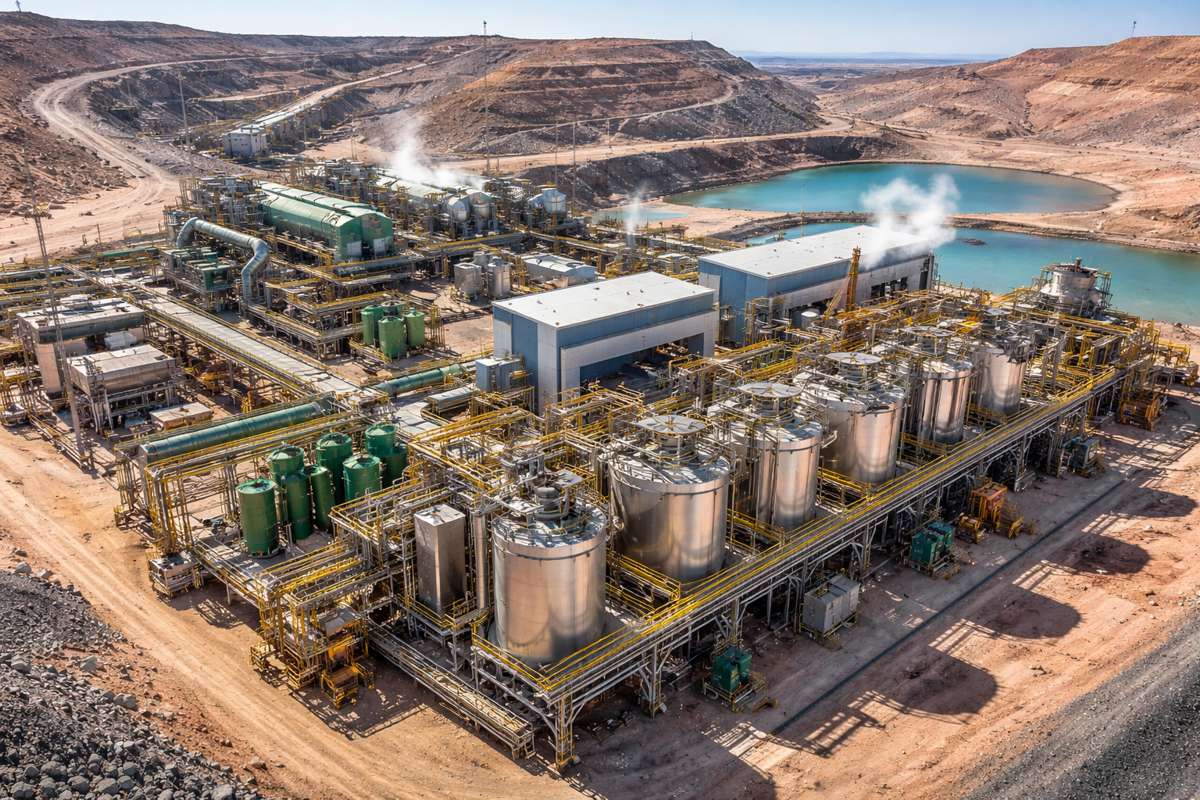
pH7’s core proposition lies in its ability to extract metals from materials previously considered uneconomic. This includes low-grade ores, mine tailings, spent catalysts and other complex feedstocks that conventional hydrometallurgical or pyrometallurgical processes struggle to handle efficiently.
The company’s technology is based on a closed-loop organo-electrochemical process. In practical terms, it replaces high-temperature or chemically intensive methods with a system that uses electrochemical reactions to selectively recover metals. The closed-loop design reduces reagent consumption, lowers wastewater output and limits environmental discharge.
From an operational perspective, the system is designed to integrate into existing mining infrastructure. That matters. Mining operators are notoriously cautious about introducing new processes that could disrupt production. By fitting into established flowsheets, the technology lowers the barrier to adoption while improving recovery rates.
Takashi Morishita, Managing Director at Asahi Kasei CVC, highlighted the technical approach, stating: “pH7 is applying electrochemistry and process engineering in a compelling way to help secure a more resilient supply of critical minerals by recovering value from resources that have traditionally been uneconomic to process.”
Copper First but Not the End Goal
While pH7’s immediate focus is on copper, the implications extend well beyond a single metal. Copper remains central to electrification, with applications ranging from power transmission to electric vehicles. Any improvement in recovery efficiency has a direct impact on supply security and project economics.
However, the same extraction principles can be applied to nickel, gold and platinum group metals. These materials are essential for batteries, catalysts and industrial processes, all of which are tied to the broader energy transition. By enabling recovery from unconventional sources, the technology effectively expands the available resource base without the need for new mines.
The company has already demonstrated commercial capability in a different segment. Its Vancouver facility extracts platinum group metals from spent catalysts, proving that the process can operate at scale outside the laboratory. The next step is translating that success into the mining sector, where volumes are significantly larger and operational conditions more complex.
Investment Signals a Strategic Shift
The composition of the investor group tells its own story. Strategic investors such as Asahi Kasei bring industrial expertise, particularly in electrochemistry and materials science. Meanwhile, funds like the Circular Innovation Fund are focused on technologies that support resource efficiency and circular economy principles.
Andrée-Lise Méthot, Founder and Managing Partner at Cycle Capital, commented: “The Circular Innovation Fund is proud to support pH7 Technologies, a company addressing a critical challenge at the heart of the energy transition: the growing gap between surging demand for critical metals and increasingly constrained global supply.”
This alignment between investors and technology reflects a broader shift in capital allocation. Mining innovation has historically struggled to attract venture funding due to long development cycles and high capital intensity. However, technologies that improve recovery, reduce environmental impact and enhance supply chain resilience are increasingly viewed as essential infrastructure investments.
Reducing Environmental Impact Without Sacrificing Economics
Environmental considerations are no longer peripheral in mining. Regulatory pressures, investor expectations and community concerns are all driving a push towards cleaner operations. Yet improvements often come at a cost, forcing operators to balance sustainability against profitability.
pH7’s approach attempts to bridge that gap. By reducing energy consumption and wastewater generation, the process offers environmental benefits while also improving project economics. That combination is critical. Technologies that cannot demonstrate a clear financial advantage rarely gain traction in the mining sector.
The ability to process materials on-site also has implications for logistics. Transporting low-grade ores or tailings over long distances is both costly and carbon-intensive. Localised processing reduces these burdens, contributing to more efficient and resilient supply chains.
A Step Towards Regionalised Supply Chains
Geopolitical factors are increasingly shaping mineral supply chains. Governments across North America, Europe and Asia are seeking to reduce dependence on imported raw materials, particularly from regions with concentrated production.
Technologies that enable domestic or regional processing of existing resources fit neatly into this strategy. By extracting metals from local waste streams or low-grade deposits, countries can strengthen supply security without relying solely on new mining projects.
Doostmohammadi pointed to this dynamic, stating: “This oversubscribed financing validates that unlocking value from existing resources is now an economic and strategic priority. We are accelerating from pilot to commercial deployment globally, enabling producers to recover critical minerals from materials that were previously uneconomic—while enabling regionalized, on-site metal processing closer to the source of production.”
Scaling from Pilot to Global Deployment
Moving from pilot projects to commercial deployment is often where promising technologies falter. The transition requires not only technical validation but also operational reliability, regulatory approval and industry acceptance.
The funding secured by pH7 is intended to support this transition. Scaling up will involve deploying the technology across multiple sites, adapting it to different ore types and integrating it into diverse operational environments. Each step presents challenges, but also opportunities to refine and standardise the process.
The involvement of major industry players increases the likelihood of successful deployment. Strategic investors can provide access to test sites, operational data and industry networks that are difficult for smaller companies to obtain independently.
A More Resource-Efficient Future for Mining
The mining sector is under pressure from multiple directions. Demand is rising, ore grades are falling and environmental expectations are tightening. Traditional approaches alone are unlikely to meet these challenges.
Technologies like those developed by pH7 suggest a different path. By extracting more value from existing resources, the industry can extend the life of current assets, reduce waste and improve sustainability without compromising output.
There is no single solution to the critical minerals challenge. Exploration, recycling and new processing technologies will all play a role. Yet the ability to unlock metals that are already known but currently inaccessible could prove to be one of the most impactful developments in the years ahead.