SRL Signals a New Era for Smart Temporary Traffic Management
Britain’s transport infrastructure is under pressure from every angle. Ageing roads need constant maintenance, utilities are racing to modernise buried networks, and local authorities are under mounting pressure to keep traffic moving while cutting risks to workers and the public. Temporary traffic management, once viewed as a routine operational necessity, has quietly become one of the most important frontline components of modern infrastructure delivery.
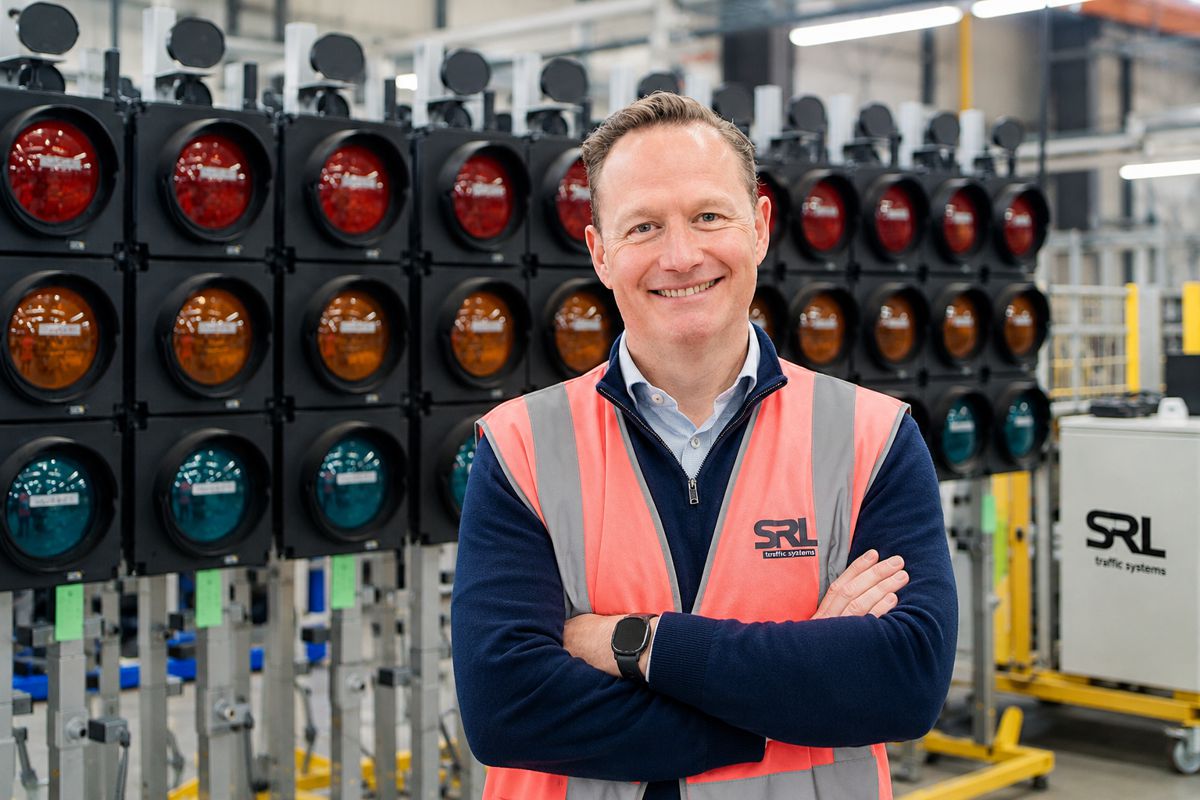
The appointment of a new chief executive at SRL Traffic Systems carries wider significance than a conventional boardroom reshuffle. The company, recognised as Europe’s largest manufacturer and supplier of portable and temporary intelligent transport system solutions, has named Paul Lewis as chief executive officer as it enters a period shaped increasingly by automation, remote operations and connected work zones.
Lewis arrives with more than two decades of operational leadership experience across equipment hire, specialist services and infrastructure-adjacent industries. His appointment also comes as SRL continues expanding its remotely operated mobile signal technology, known as REMOS, a system designed to reduce the exposure of traffic management crews working in live carriageways and hazardous roadside environments.
The move reflects a broader evolution underway across the infrastructure sector. Temporary traffic systems are no longer simply about portable signals and road cones. They are becoming integrated digital assets capable of feeding live operational data, supporting connected transport networks and improving safety outcomes across construction, utilities and highways projects.
Briefing
- SRL Traffic Systems has appointed Paul Lewis as chief executive officer
- Lewis previously served as UK and Ireland divisional CEO at VPS Group
- SRL is expanding its REMOS remotely operated mobile signal technology
- The company operates across traffic management, construction, utilities and events sectors
- The appointment signals continued investment in intelligent temporary transport systems and work zone safety
Temporary Traffic Management Enters a Digital Phase
Roadworks and temporary traffic systems have traditionally been judged on one metric above all others: disruption. Yet the conversation has changed rapidly over the past decade as infrastructure operators began confronting a far more complex equation involving workforce safety, carbon reduction, congestion management and real-time traffic coordination.
Across the UK alone, roadworks-related congestion is estimated to cost billions annually in lost productivity, increased fuel consumption and delayed logistics movements. At the same time, National Highways and local authorities continue pushing for smarter, safer approaches to temporary traffic operations. Portable ITS systems have therefore moved from being supporting equipment to becoming a strategic operational layer within transport infrastructure.
SRL has spent years positioning itself inside that transition. Its portfolio now stretches well beyond conventional temporary traffic lights and includes variable message signs, solar and hybrid work-zone protection systems, ANPR technology and integrated traffic management platforms. Solutions such as the Urban64 traffic signal system and Haul Route PLUS crossing technology demonstrate how temporary infrastructure is increasingly being engineered with permanent-network intelligence in mind.
That operational shift partly explains why SRL’s leadership transition matters beyond the company itself. The temporary ITS market is evolving into a technologically driven infrastructure sector with growing overlap between traffic engineering, digital connectivity and remote asset management.
Leadership Experience Rooted in Operational Industries
Paul Lewis joins SRL from VPS Group, where he served as divisional chief executive for the UK and Ireland operations. His background includes senior leadership positions at HSS Hire, Industrial Cleaning Equipment and Rentokil Initial, all businesses built around large-scale operational delivery, field service logistics and workforce coordination.
That experience appears closely aligned with SRL’s operational structure. The company supports customers through a nationwide depot network spanning 25 locations across the UK and Ireland, serving sectors where responsiveness and uptime are critical. Temporary traffic systems frequently support live construction environments, emergency utility works and infrastructure maintenance schemes operating under severe time pressures.
Lewis is beginning his tenure with visits to customers and depots across the country, engaging directly with traffic management operators, construction firms, utility contractors and events-sector users. While such tours often form part of executive introductions, they also underline how dependent the temporary ITS sector remains on frontline operational performance and customer responsiveness.
Commenting on his appointment, Lewis said: “I am very pleased to be joining SRL at an exciting point in its development. My focus is to unlock the significant growth potential of the business by building a resilient, future-proof organisation that consistently delivers high levels of service to our customers, backed by innovation that delivers real value. Just as importantly, I want that success to create an environment where our colleagues can thrive over the long term.”
His comments point towards two recurring themes shaping infrastructure businesses today: operational resilience and workforce retention. Both have become pressing issues across construction and transport industries struggling with labour shortages, rising project complexity and increasing safety demands.
REMOS Reflects a Growing Safety Priority
One of the most commercially significant developments inside SRL’s current strategy is the continued rollout of REMOS, described as the UK’s first scalable remotely operated mobile signal solution.
Remote operation technologies are attracting growing interest across infrastructure sectors because they directly address one of the industry’s persistent risks: worker exposure to live traffic. Traffic management crews routinely work in hazardous roadside environments, often during poor weather conditions, overnight closures or high-speed traffic situations.
According to figures published by the UK government and National Highways in recent years, roadside operatives remain among the most vulnerable workers within the transport infrastructure ecosystem. Intrusions into work zones and vehicle incursions continue to present serious safety concerns despite improved regulations and enforcement.
Remote-operated systems offer a practical method of reducing human exposure while also improving deployment efficiency. By enabling signals to be managed remotely, operators can potentially reduce time spent physically interacting with equipment in live carriageways while also streamlining traffic flow adjustments during changing site conditions.
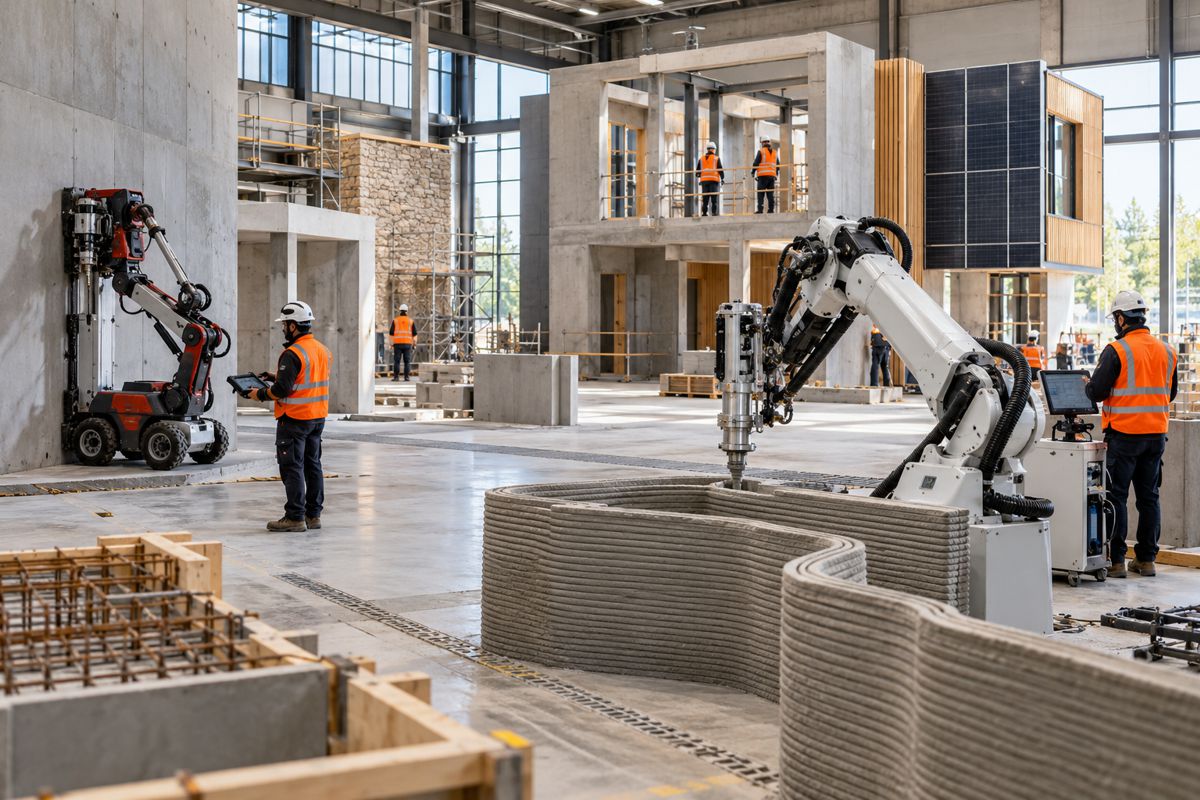
The wider infrastructure industry is increasingly embracing similar remote and autonomous technologies. Construction equipment manufacturers are investing heavily in machine control, telematics and semi-autonomous operations, while highways authorities are exploring connected corridor technologies and digital traffic coordination platforms.
SRL’s investment in REMOS therefore places the company within a much larger technological trend reshaping infrastructure delivery worldwide.
Infrastructure Investment Continues to Drive Demand
Demand for temporary intelligent transport systems is expected to remain strong as governments continue investing in transport renewal, energy infrastructure and utility upgrades.
In the UK, major programmes involving highways maintenance, fibre deployment, electricity grid upgrades and water infrastructure renewal all depend heavily on temporary traffic management operations. Similar patterns are emerging across Europe as countries modernise transport networks while attempting to reduce congestion and improve urban mobility.
The rise of electric vehicle infrastructure deployment is also creating new traffic management demands. Charging network installation, grid reinforcement projects and urban streetscape upgrades frequently require temporary traffic controls in constrained environments.
Meanwhile, the events sector remains another significant market for portable ITS solutions. Large-scale public gatherings increasingly rely on temporary digital traffic coordination systems to manage pedestrian movement, vehicle access and public safety requirements.
SRL’s broad customer exposure across highways, construction, utilities and events sectors provides insulation from fluctuations in any single market segment. That diversification may prove particularly valuable as infrastructure spending priorities evolve over the coming decade.
Private Infrastructure Investment Supports Expansion
SRL’s continued expansion is backed by 3i Infrastructure, the London-listed infrastructure investment company that owns the business. Infrastructure-focused investors have shown growing interest in operational technology companies serving essential infrastructure sectors, particularly businesses linked to transport efficiency, energy transition and safety improvements.
Unlike speculative technology markets, infrastructure service businesses often generate stable long-term demand driven by public investment cycles and essential maintenance requirements. Temporary traffic management falls squarely within that category. Roads, utilities and transport networks require continuous maintenance regardless of wider economic conditions.
Investors are also paying increasing attention to infrastructure technologies that can demonstrate measurable operational improvements, particularly around safety and productivity. Remote operation systems such as REMOS align closely with those priorities.
SRL’s recent executive appointments appear designed to support that next growth phase. Lewis becomes the company’s second major senior hire in recent months following the appointment of Ian Hunt as chief financial officer in December.
SRL non-executive chair Kevin O’Connor commented: “Paul recognises that great businesses are built from the ground up. He will harness the passion and expertise of our front-line staff and leadership teams to lead SRL into the future.”
Smarter Work Zones Are Becoming Essential Infrastructure
The global infrastructure sector is steadily moving towards connected work zones, integrated traffic systems and digitally managed temporary infrastructure. What was once considered a niche operational category is becoming embedded within broader smart mobility strategies.
Temporary ITS solutions increasingly intersect with data analytics, remote asset monitoring and intelligent corridor management. Portable systems are no longer isolated pieces of roadside equipment. They are becoming part of wider digital transport ecosystems capable of supporting dynamic traffic management and real-time operational decision-making.
That transformation is likely to accelerate as cities expand connected infrastructure strategies and governments continue targeting safer, lower-carbon transport operations. Portable traffic technology may not command the same headlines as autonomous vehicles or megaproject rail systems, but it plays a direct role in keeping infrastructure construction, maintenance and public mobility functioning day after day.
SRL’s leadership transition arrives at a point where the sector is moving beyond operational logistics and into technological integration. The challenge ahead will involve balancing frontline service reliability with continued innovation in remote operations, digital connectivity and workforce safety.
For infrastructure operators, contractors and transport authorities alike, temporary traffic management is becoming smarter, more connected and increasingly indispensable to modern infrastructure delivery.