The Impact of Climate on Road Safety and Vehicle Longevity
Long-distance driving already takes its toll on you and your vehicle. Add road conditions and climate into the concoction, and a whole lot is going on.
Heatwaves, heavy rain, and freezing temperatures deteriorate roads differently. Vehicles wear out faster. Safety risks increase in ways that aren’t always obvious.
The Climate Adaptation Platform’s research shows that climate and weather patterns directly affect road infrastructure, driving conditions, and vehicles.
Generally, roads are built to withstand anticipated environmental and traffic conditions based on historical data. With climate change taking precedence, they don’t account for present and future extreme weather events.
If you’re clocking serious mileage, understanding these impacts can save you money, stress, and potentially your life.
How Climate Directly Affects Road Safety
Extreme Weather Changes Driving Conditions Instantly
The weather is one of the most immediate risks on the road.
Several years ago, the World Meteorological Organization’s report on transport and climate warned of reduced visibility and road grip. That warning has become more pressing.
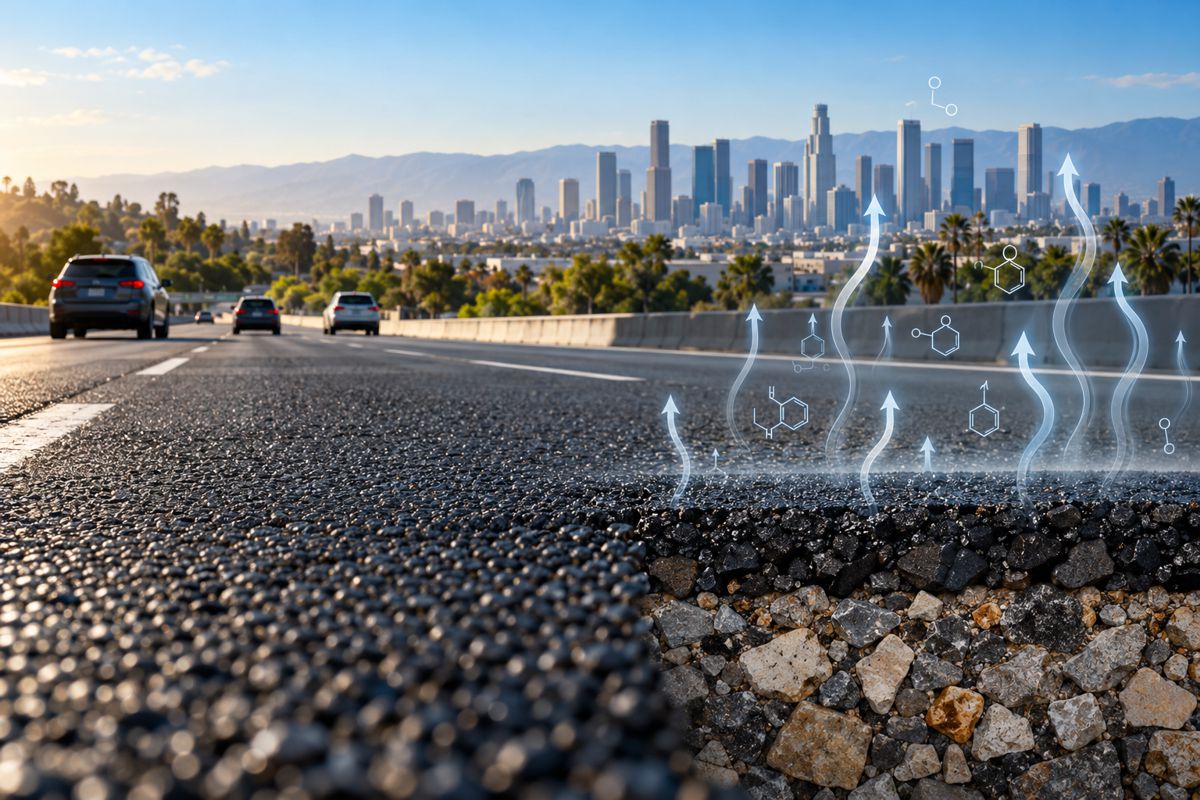
Rain creates slick surfaces and curtails tire traction. Heat softens asphalt, making roads more prone to deformation. Cold weather introduces ice, which causes friction. Each condition requires a different driving behaviour. And still, many drivers underestimate how quickly conditions can shift.
Climate Change Is Making Roads Less Predictable
Climate patterns are more extreme, and that volatility is a major safety concern.
The iRAP states that increased flooding, landslides, and heat damage are already affecting road networks globally.
Flooded roads don’t just slow you down. They can hide hazards like potholes or debris. Heat-damaged roads can buckle, creating uneven surfaces that affect vehicle control.
These events are becoming part of the driving landscape across the US.
Infrastructure Is Struggling to Keep Up
As stated, roads are built for historical climate conditions, not the extremes we’re now seeing in current climatic cycles.
The Climate Adaptation Platform’s study suggests that rising temperatures and heavier rainfall are accelerating road deterioration. That means more cracks. More potholes. More structural weaknesses, specifically on long highway routes.
For long-distance drivers, this translates into:
- Higher risk of tire damage
- Increased suspension wear
- A greater chance of accidents due to poor road conditions
New Research Confirms Rising Risk Trends
Findings published in Nature Scientific Reports (2026 study) confirm that climate-related variables are strongly linked to increased crash frequency.
The study mentions temperature spikes and precipitation.
But these aren’t primarily extreme weather events. Even moderate changes in temperature and humidity can influence driver performance and vehicle behaviour over long distances.
Real-World Impact: What Drivers Are Seeing
Florida has seen the impact of climate conditions on its roads over the years. Heat and humidity are contributing factors to vehicle wear in the state.
For example, high humidity (about 81%) is common in Brandon, Florida. Quick rain showers affect visibility and traffic speeds. Climate-related wear is already affecting everyday drivers in the city.
Citing a recent study, Pembroke Pines News reports that these factors impact vehicle longevity and value in cities with extreme weather conditions. Car owners have little choice but to enlist a well-reviewed mechanic in Brandon, FL, for repairs.
What Long-Distance Drivers Can Do
Stay Ahead with Preventive Maintenance
Routine checks are more urgent when climate stress is high. That includes:
- Monitoring tire pressure regularly
- Checking coolant and oil levels
- Inspecting brakes and suspension
Bergman’s Auto Repair recommends working with a top-rated auto repair professional. A trusted mechanic can help catch issues early before they turn into expensive or dangerous failures. Ensure that they are a certified auto repair shop specializing in engine and diagnostics, brakes, and suspension.
Adjust Driving Habits to Match Conditions
Driving the same way in all weather is a mistake. Instead:
- Slow down in extreme heat or rain
- Increase the following distance in poor conditions
- Avoid sudden braking on compromised surfaces
Small adjustments can considerably reduce risk.
Plan Routes with Climate in Mind
Long-distance drivers should factor in:
- Weather forecasts
- Road condition reports
- Flood-prone or heat-damaged areas
A slightly longer but safer route can be worth it.
Protect Your Vehicle During Stops
If you’re driving long distances:
- Park in shaded areas when possible
- Let the engine cool between long stretches
- Avoid overloading your vehicle in high heat
These small habits mitigate cumulative damage over time.

How Climate Impacts Vehicle Longevity
Heat Is One of the Biggest Enemies of Your Car
Hot climates accelerate wear across multiple systems. Excessive heat affects:
- Engine performance
- Battery life
- Tire pressure
- Fluid evaporation
This compounds quickly. Hours of continuous driving in high temperatures can push components beyond safe limits.
Tires Take a Beating in Extreme Conditions
Tires are your only contact with the road, and climate affects them more than most people realize.
Carbon black is added to improve durability and heat resistance. Even so, extreme temperatures can:
- Increase tire pressure (risking blowouts)
- Accelerate tread wear
- Reduce grip in both hot and cold conditions
On long drives, tire failure becomes a serious safety concern.
Driving Environments
Where you drive plays a huge role in how climate impacts your car.
Long highway drives may seem easier on vehicles, but combined with harsh weather, they can cause wear. Advice from CAA Magazine on long-term vehicle use suggests that consistent maintenance becomes more important as environmental stress increases.
Vehicles Are Lasting Longer, But Climate Is a Factor
Modern cars are built to last. Climate influences how long they actually do.
Heat, humidity, and road conditions all contribute to:
- Corrosion
- Mechanical wear
- Electrical system degradation

Preparation is Everything
You can ignore it all you want, but the climate isn’t background noise. It’s a major factor shaping road safety and vehicle lifespan.
From extreme temperatures to shifting weather patterns, the environment affects how roads perform and how your car holds up over time.
The risks are amplified for long-distance drivers. More time on the road means more exposure to these variables.
With the right awareness and maintenance habits, you can stay ahead of the damage. Think of it this way: you can’t control the weather, but you can control how prepared you are for it.