Building the Workforce for Tomorrow with Trimble and SkillsUSA
The construction industry is facing a challenge that extends far beyond technology, sustainability or project delivery. Across the United States and many developed economies, the availability of skilled labour has become one of the most significant constraints on growth. Major infrastructure programmes, industrial expansion, manufacturing reshoring initiatives and large-scale transportation investments are all competing for the same shrinking pool of qualified workers.
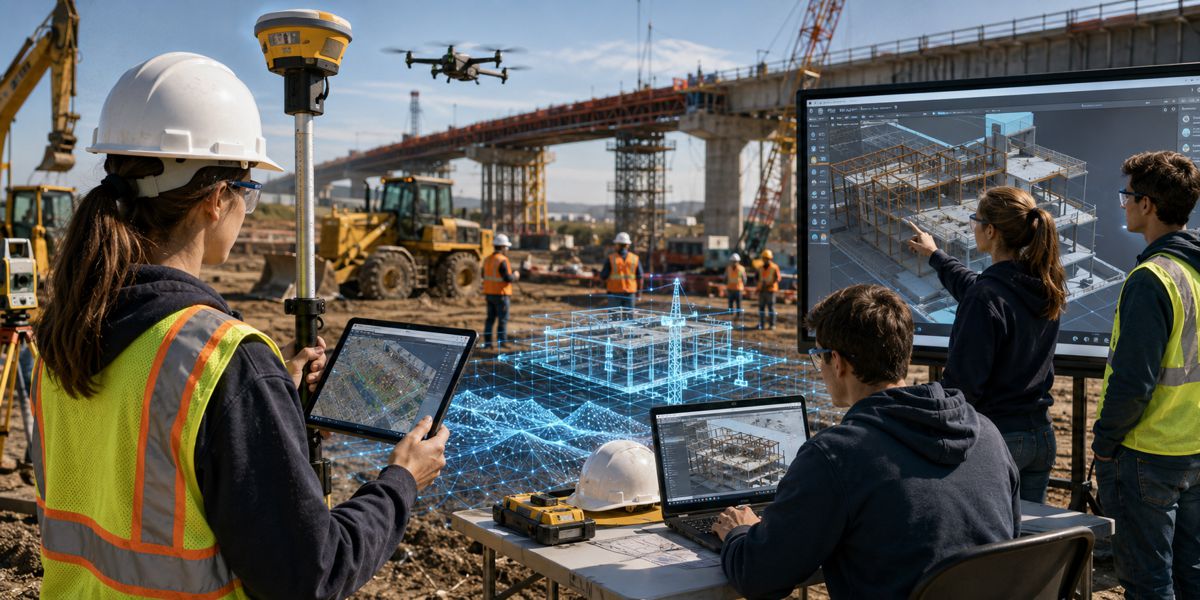
Technology providers are increasingly recognising that software alone cannot solve the problem. The future workforce must be trained to operate within a construction environment that is becoming progressively more digital, data-driven and interconnected. From Building Information Modelling (BIM) and reality capture to machine control, drone surveying and digital twins, the modern construction professional requires a skill set that barely existed a generation ago.
It is within this wider industry transformation that Trimble has announced a national collaboration with SkillsUSA, providing career and technical education students with access to professional construction and geospatial technology. The initiative aims to help prepare future workers for a construction sector expected to require more than 450,000 additional professionals by 2027.
Briefing
- Trimble has launched a national collaboration with SkillsUSA to expand technology access for career and technical education students.
- Students and instructors will gain access to industry-standard tools including SketchUp, Tekla and Trimble Business Center.
- The initiative supports workforce development as the U.S. construction sector faces significant labour shortages.
- Trimble will sponsor competitions and educational activities through the SkillsUSA National Leadership & Skills Conference.
- The programme reflects a broader shift towards digital construction skills becoming essential across infrastructure and industrial sectors.
Labour Shortages Continue to Challenge Construction Growth
The construction skills shortage is no longer a future concern. It is already influencing project delivery schedules, contractor profitability and infrastructure investment strategies worldwide.
According to industry research from the Associated Builders and Contractors (ABC), the United States construction industry will require hundreds of thousands of additional workers over the coming years to meet anticipated demand. Similar pressures exist across Europe, Canada, Australia and parts of Asia, where ageing workforces and declining numbers of new entrants have created widening capability gaps.
Infrastructure investment programmes are particularly vulnerable. Road construction, rail expansion, utilities modernisation, energy transition projects and large-scale civil engineering schemes all require specialised technical skills that cannot be developed overnight. Employers increasingly report difficulties recruiting surveyors, engineers, equipment operators, BIM specialists, project controls professionals and construction technologists.
At the same time, the nature of construction work is changing rapidly. Traditional trades remain essential, but digital competencies are becoming equally important. Today’s workforce must often understand modelling software, machine guidance systems, reality capture technologies, GIS platforms, digital asset management tools and connected jobsite workflows.
The Rise of Career and Technical Education
For many years, university education dominated workforce development discussions. Increasingly, however, governments, employers and industry associations are recognising the value of career and technical education pathways.
Technical education programmes provide students with practical experience, industry exposure and vocational skills that align directly with employer requirements. In sectors such as construction, engineering and manufacturing, these programmes can significantly shorten the transition between education and productive employment.
SkillsUSA has become one of the most influential organisations operating within this space. Since its founding in 1965, the organisation has supported nearly 15 million members and today represents more than 400,000 students and educators across middle schools, secondary schools and post-secondary institutions throughout the United States. The organisation supports more than 130 occupational disciplines, ranging from welding and heavy equipment operation to advanced digital technologies.
The growing importance of organisations such as SkillsUSA reflects a broader recognition that solving labour shortages requires earlier engagement with students. Exposure to modern technology and real-world applications during education can significantly improve workforce readiness upon graduation.
Bringing Professional Construction Technology into the Classroom
One of the most significant barriers facing technical education programmes is access to the same software and technology used by industry professionals.
Construction technology platforms can be expensive to deploy and maintain within educational environments. As a result, students often graduate with theoretical knowledge but limited exposure to the tools they will encounter on actual projects.
Trimble’s collaboration seeks to address that challenge directly by making professional-grade technology more accessible to educators and students. The initiative provides advisors and instructors with opportunities to explore Trimble technologies and access resources suitable for classroom integration. Students may also request access to technologies for local, state and national SkillsUSA competitions.
This approach allows learners to develop practical experience using tools widely deployed throughout the construction and infrastructure sectors rather than relying solely on simplified educational alternatives.
The emphasis on practical application is particularly important as digital workflows become standard across construction projects. Exposure during education can help reduce onboarding time, increase productivity and improve confidence when entering employment.
Technology Skills Becoming Core Construction Competencies
The software being provided through the programme reflects several of the most important technological trends shaping construction and infrastructure delivery.
Among the donated subscriptions are SketchUp for three-dimensional modelling, Tekla software for constructible BIM and structural engineering applications, and Trimble Business Center for survey and geospatial workflows. These platforms support activities ranging from design visualisation and structural detailing to survey data processing and project coordination.
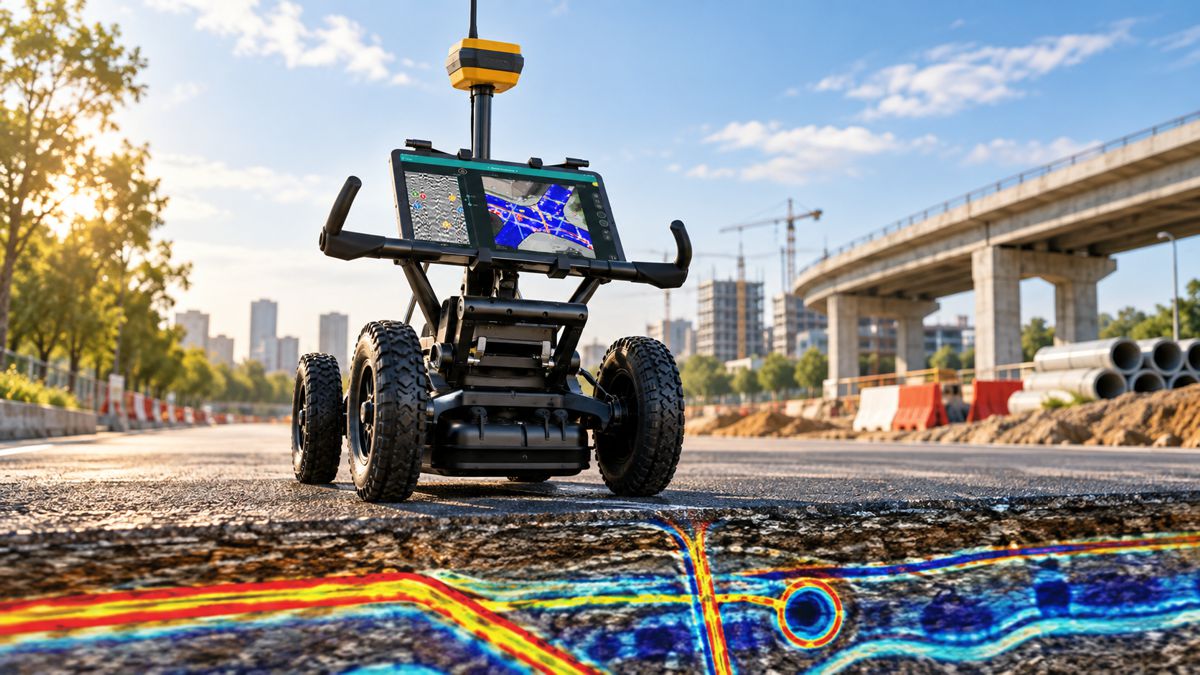
Such technologies are increasingly embedded throughout project lifecycles. BIM platforms now support collaborative design, clash detection, scheduling and asset management. Geospatial systems enable precise surveying, positioning and site verification. Digital modelling tools improve communication between designers, contractors and asset owners.
The importance of these skills extends beyond individual projects. Digital construction technologies underpin wider industry objectives including productivity improvement, cost reduction, sustainability performance and lifecycle asset management. Workers who understand both physical construction methods and digital workflows are becoming increasingly valuable across the sector.
Competitions as a Gateway to Professional Development
Skills competitions have long played a valuable role in technical education. Beyond testing practical abilities, they provide opportunities for students to demonstrate competence, build confidence and engage directly with industry employers.
As part of the collaboration, Trimble will sponsor activities associated with the National Leadership & Skills Conference, including competitions focused on drafting, drone technology and heavy equipment operation. These disciplines align closely with evolving workforce requirements throughout construction, transportation and infrastructure sectors.
Drone technology in particular has emerged as one of the fastest-growing professional disciplines within construction. Unmanned aerial systems are increasingly used for surveying, progress monitoring, volumetric analysis, inspection and safety management. Early familiarity with these technologies can provide students with valuable competitive advantages when entering the workforce.
Heavy equipment operations are also undergoing rapid digital transformation. Modern machines increasingly incorporate GPS guidance, machine control systems, telematics and real-time performance monitoring. Operators must therefore develop both traditional operational expertise and digital literacy.
Industry and Education Working Together
One recurring theme emerging across successful workforce development programmes is collaboration between educators and industry.
Educational institutions often face challenges keeping pace with rapidly evolving technology. Equipment cycles, software updates and changing industry requirements can quickly make training programmes outdated if strong industry relationships do not exist.
The partnership model adopted here reflects an effort to bridge that gap. By providing direct access to current technologies and engaging educators through dedicated development sessions, industry expertise can be integrated more effectively into educational environments.
During a technical session held for SkillsUSA advisors, Trimble workforce development specialists introduced educators to advanced construction, transportation and geospatial technologies suitable for classroom use. Such engagement helps ensure instructors remain familiar with technologies currently deployed across industry.
Building Careers Through Digital Construction
Speaking about the initiative, Ian Warner, Director of Industry Workforce Development at Trimble, said: “The true test of innovation is whether it empowers others to achieve more. By equipping SkillsUSA students with Trimble technology, we are moving beyond traditional training to ensure the next generation can connect the physical and digital worlds to build more efficiently and sustainably.”
SkillsUSA Executive Director Chelle Travis added: “Collaborating with industry leaders like Trimble allows our students to work with the latest technology, preparing them to be career-ready from their first day on the job.”
These comments highlight an important reality for the construction sector. Workforce development increasingly depends on the integration of technical knowledge, practical experience and digital competence. Educational programmes capable of delivering all three are likely to play a critical role in future labour market resilience.
Preparing Infrastructure for a New Generation
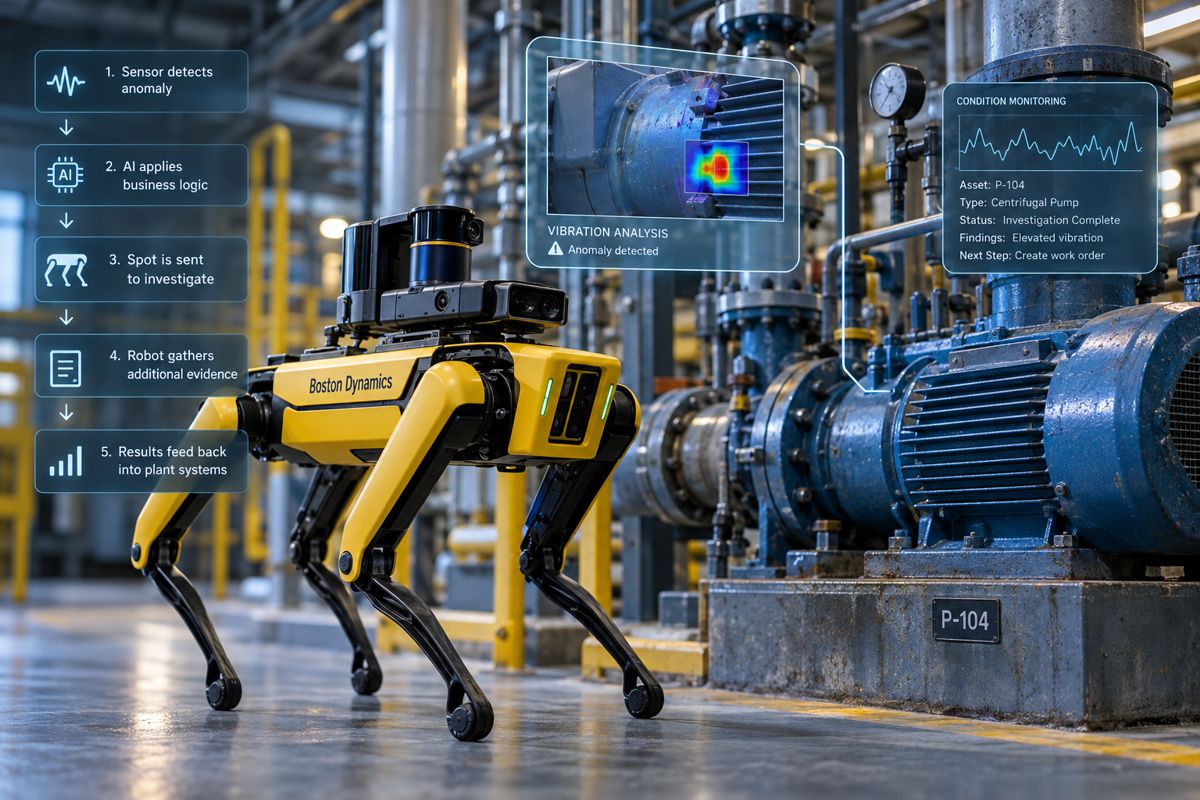
Infrastructure projects have always depended on skilled people. While automation, artificial intelligence and digital technologies continue to reshape construction, human capability remains at the centre of successful project delivery.
The challenge facing governments, contractors and technology providers is not simply attracting more workers. It is preparing a workforce capable of operating in an industry where digital and physical environments are becoming inseparable.
Programmes that introduce students to professional tools before they enter employment help accelerate that transition. They reduce skills gaps, strengthen workforce readiness and improve alignment between education and industry requirements.
As infrastructure investment continues to expand globally, initiatives connecting technology providers with technical education organisations may become increasingly common. For construction professionals, policymakers and investors alike, the ability to develop digitally capable workers could prove just as important as the technologies being deployed on projects themselves.