Inside Volvo Construction Equipment’s Connected Worksite
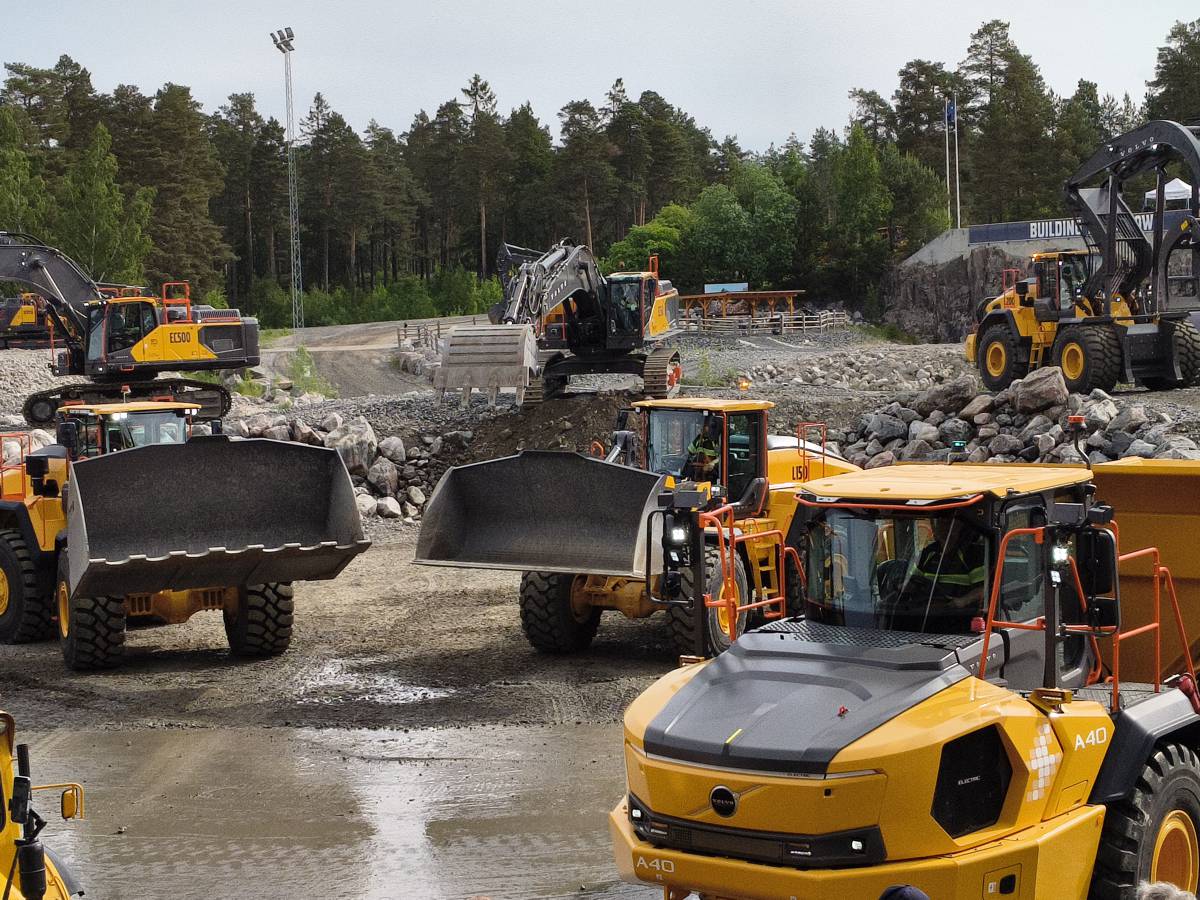
For fifty-five years, Volvo Construction Equipment has used its Volvo Days showcase in Eskilstuna, Sweden, to roll out fresh iron and let customers climb aboard. This year’s edition, the largest the company has ever staged, did plenty of that, with European debuts for machines such as the ECR255, ECR355 and EC560 and a deeper electric line-up that now runs from the A40 hauler to the L90 Electric wheel loader. The headline shift, though, sat off the demo field.
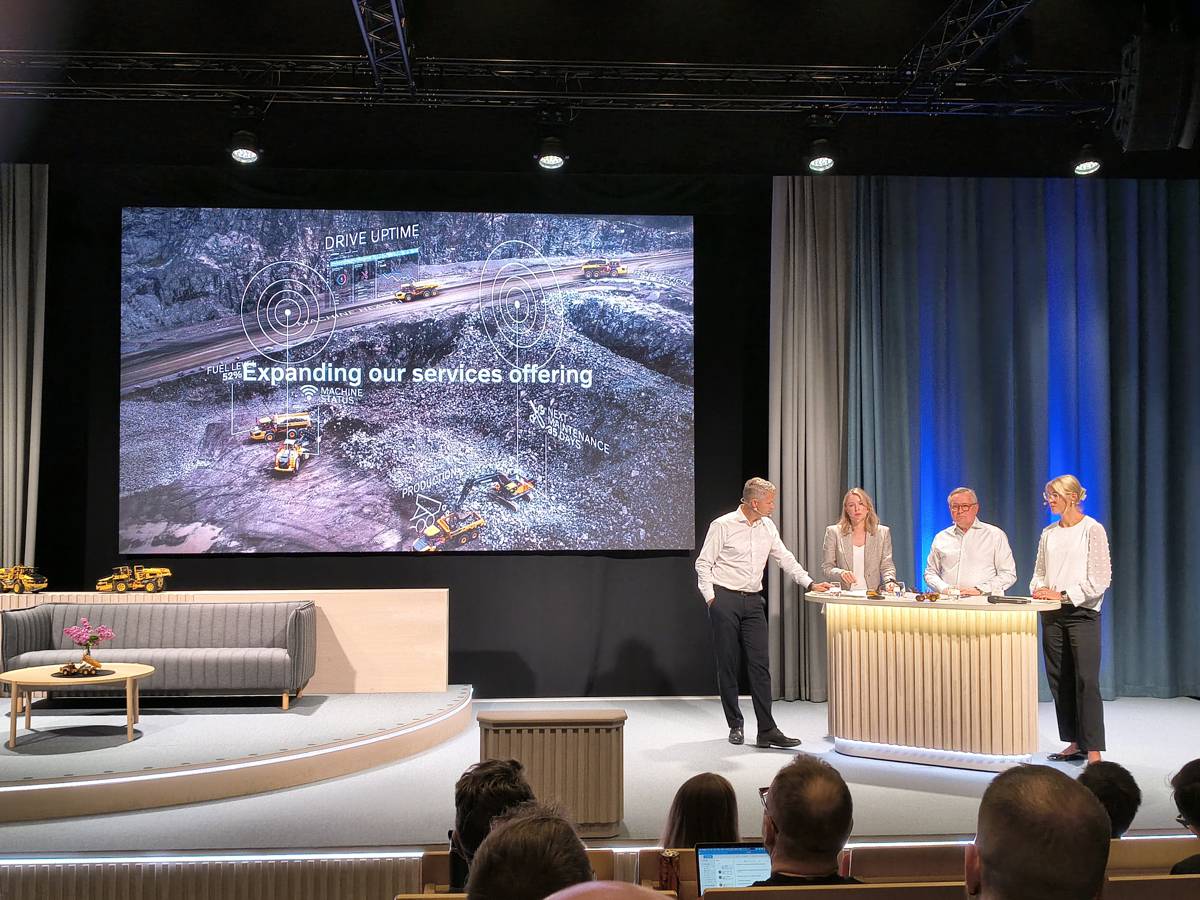
For the first time, Volvo CE gave Site Solutions, its portfolio of digital and jobsite services, a dedicated place on the agenda, billing the software and services story alongside the machines rather than behind them.
That decision is the real signal of intent. Under the banner Smarter Solutions. Driven by you., Volvo CE is making the case that it wants to be judged as a total solutions provider, not just a maker of standalone equipment. The portfolio it put forward stretches from raw machine connectivity to a full ownership-free commercial model, and it’s increasingly built to work across mixed-brand fleets rather than Volvo-only sites.
Taken service by service, it maps out exactly how the company plans to stay relevant as worksites fill up with sensors, electric machines and data nobody quite knows what to do with yet.
The Briefing
- Volvo CE gave Site Solutions a dedicated agenda slot at Volvo Days 2026, framing itself as a total solutions provider rather than a pure equipment supplier.
- The portfolio runs across ten services, from telematics and remote monitoring to onboard weighing, site simulation and an ownership-free Equipment as a Service model.
- Several services are deliberately brand-agnostic, consolidating data across mixed fleets and third-party assets such as crushers and weighbridges.
- The common thread is uptime and total cost of ownership, with the connectivity layer feeding everything from safety mapping to residual-value protection.
- The strategy leans on Volvo CE’s wider push for customer proximity, including a SEK 9.2 billion European investment and the acquisition of dealer Swecon.
Why The Services Story Now Leads
The hardware credentials aren’t in question. Volvo CE says it has launched around 80 new and updated machine models in recent years, with nearly 16,000 new-generation machines now working worldwide.
What’s changed is the company’s read on where advantage lives. Alongside that machine renewal it has extended its services portfolio by half, and at Volvo Days it chose to put those services centre stage. The reasoning is practical. For many operators the hard part is no longer buying a machine. It’s squeezing predictable output from a yard full of mixed-age, mixed-brand equipment while fuel, labour and emissions targets all bear down at once.
Stefan Pettersson, Customer Site Performance Manager at Volvo CE, framed the shift directly: “Today’s customers are looking for more than equipment. They are looking for a partner who can help them navigate increasing complexity on the jobsite by accelerating the adoption of new technology and turning it into real results on their sites. By giving Site Solutions a dedicated focus, we’re showing how Volvo CE supports customers beyond the machine, combining data, connectivity and expertise to drive efficiency, maximize uptime and support long-term sustainability.”
The services below are how that ambition gets delivered in practice, and they’re best understood as a chain that runs from capturing data to reshaping how machines are paid for.
CareTrack
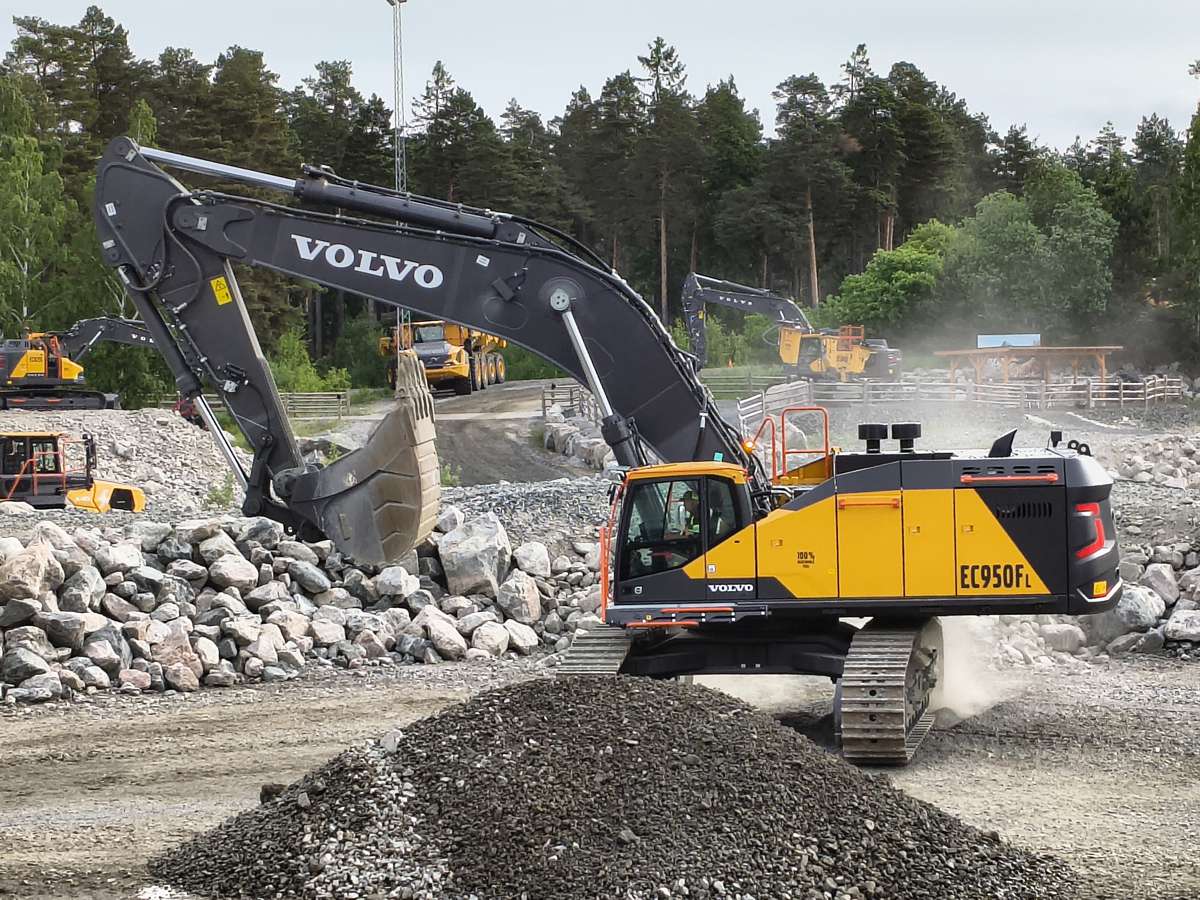
CareTrack is the telematics backbone the rest of the portfolio leans on. It reads machine location, fuel or charge levels and total operating hours across both diesel and electric fleets, and it’s built to work on older and newer machines alike, which matters for the mixed-age yards most contractors actually run.
The service comes in two tiers. CareTrack Start ships with new machines and covers basic status and location, while the subscription-based CareTrack Advanced adds load efficiency, performance, utilisation and the ability to build custom reports, including CO2 figures.
What makes CareTrack strategically important is that it’s the entry point. Without a reliable connectivity layer, everything downstream, from remote diagnostics to site-wide mapping, is effectively blind. Newer machines stream data at close to real-time frequency, which is what turns telematics from a weekly curiosity into something an operation can manage by.
For Volvo CE, getting CareTrack onto a machine is the hook that makes the wider connected-jobsite pitch possible in the first place.
Volvo Connect
If CareTrack supplies the data, Volvo Connect is where customers go to use it. It’s an online platform that pulls fleet management, site operations, parts ordering and digital service subscriptions into a single interface, reachable from any device. Rather than logging into a scatter of separate tools, a fleet manager gets one place to see machines, manage services and handle the admin that usually eats time.
The value here is consolidation. Jobsite software has a habit of multiplying until operators are juggling half a dozen dashboards that don’t talk to each other, and Volvo Connect is pitched squarely at that fatigue. There’s a commercial logic too. Owning the interface keeps Volvo CE at the centre of the customer’s digital routine, which is exactly where a company moving towards services wants to be.
ActiveCare
ActiveCare adds a human layer on top of the telematics feed. Machine data captured through CareTrack is sent to Volvo’s Uptime Centres, where specialists monitor machines around the clock, flag emerging faults and alert the local dealer when intervention is needed. Customers also receive a weekly report summarising how their machines are being used and where uptime could be improved, with the analysis packaged so nobody has to wade through raw data to find the point.
The job ActiveCare does is turning information into action before a small issue becomes an expensive one. Remote diagnosis means a technician can arrive already knowing what’s wrong and carrying the right parts, which trims both travel and downtime.
In a sector where idle iron burns money by the hour, that proactive stance is the core of the value proposition, and it’s the service that most clearly justifies the wider connectivity investment.
Site Operations
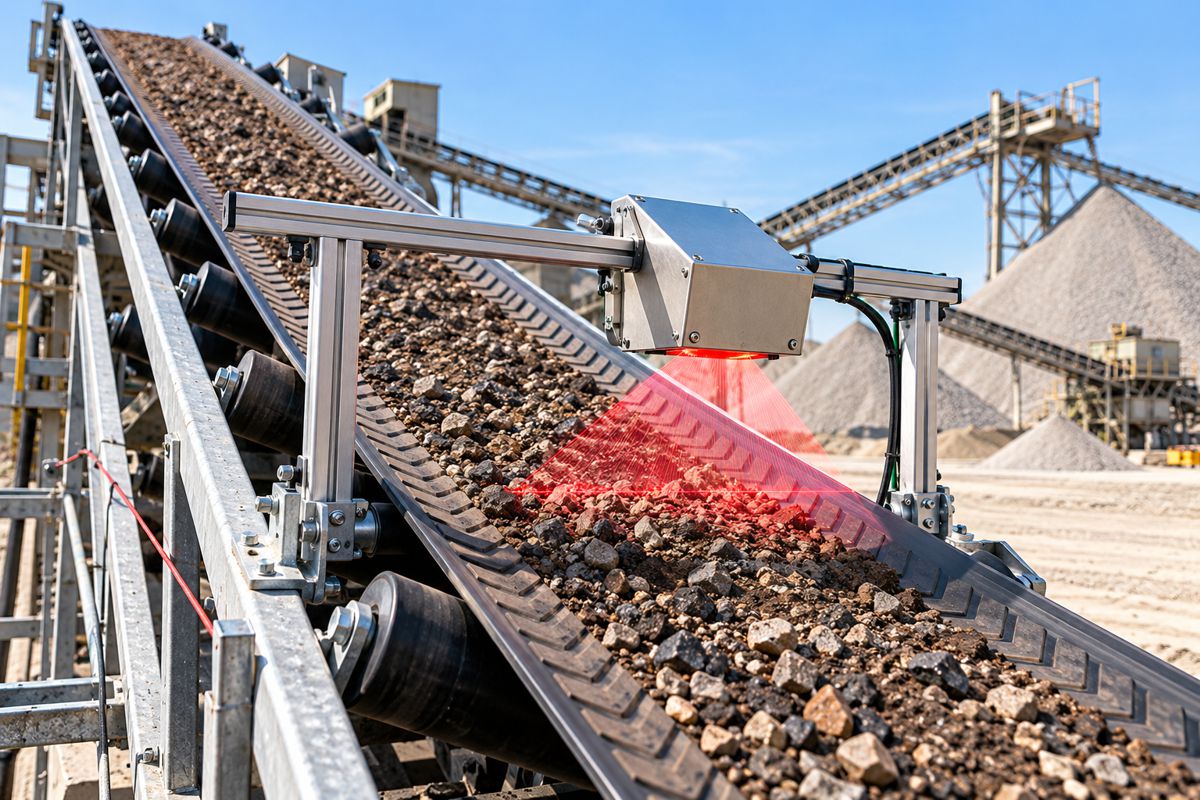
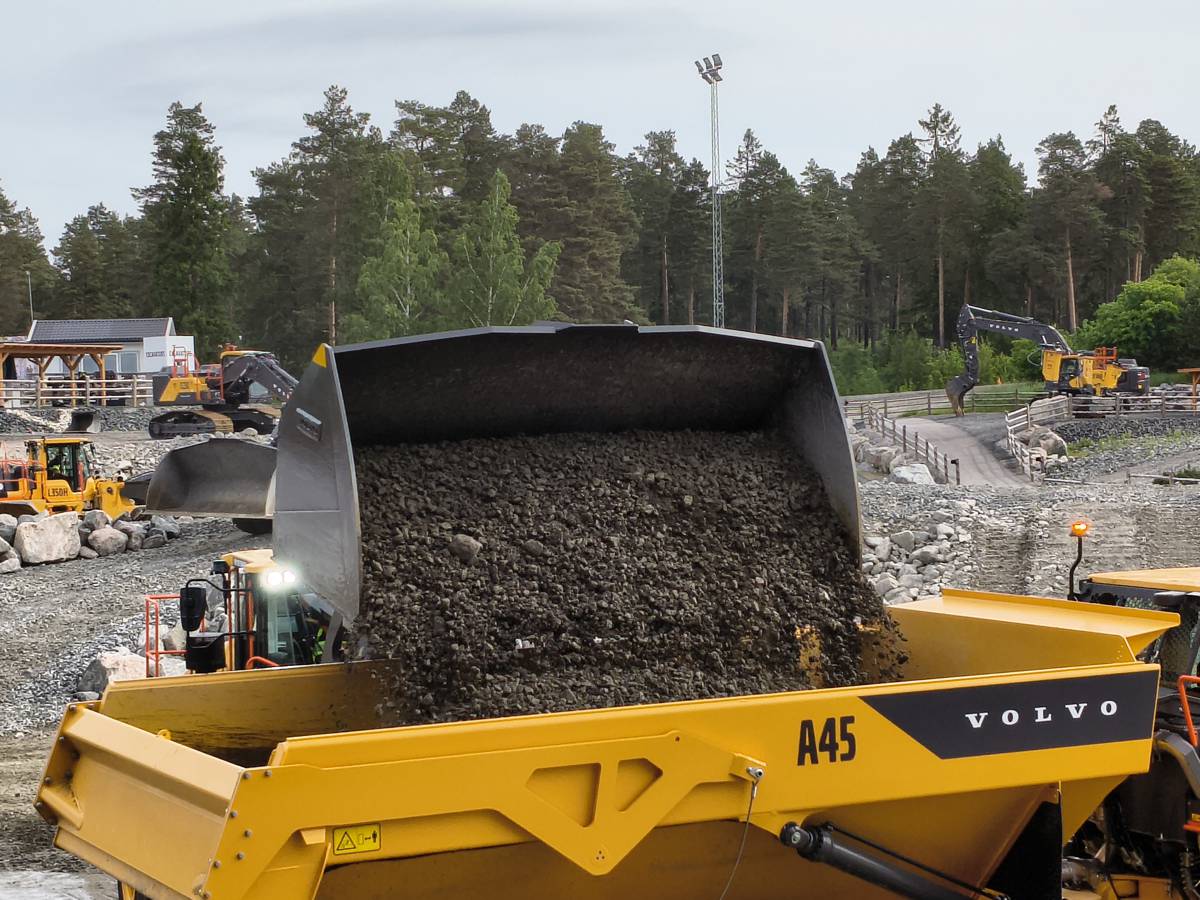
Site Operations is where the brand-agnostic ambition shows most plainly. Aimed primarily at quarrying and aggregates, it consolidates data from machines and assets of any make, crushers and weighbridges included, into a single real-time view of the whole operation. Operators work from a consistent tablet interface provided by Volvo regardless of what they’re sitting in, and the system tracks material flow, productivity per process and CO2 alongside the machine data.
Safety is baked in through geofencing, real-time asset positioning and heat maps that surface speeding or unauthorised zone entries for review back in the office.
Volvo CE points to potential fuel savings of 10 to 15 per cent through smarter routing and traffic management. The significance is that Site Operations accepts the reality of mixed-brand sites and tries to become the layer that sits over all of it, which is a far bigger prize than managing Volvo machines alone.
Equipment As A Service
Equipment as a Service is the most commercially disruptive piece of the portfolio. It drops machine ownership altogether. Instead of buying iron, customers purchase guaranteed operating hours at a fixed rate, and Volvo CE carries the maintenance, parts sourcing and downtime risk. The company follows a three-step process, assessing the customer’s needs, designing a tailored fleet mix with agreed guarantees and rates, then deploying and managing the fleet while the customer concentrates on the work.
The appeal is predictability. Fleet costs line up with production or revenue, capital expenditure shifts to operating expenditure, and the unpredictable bills that come with ageing equipment land on Volvo’s books rather than the customer’s.
For contractors wary of tying up cash in depreciating assets, that’s a genuinely different proposition, and it directly challenges the long-standing logic of outright ownership. For investors, it’s the clearest route to the kind of recurring, resilient revenue that equipment makers have historically struggled to build.
Machine Data API
For larger operators who’d rather feed machine data straight into their own systems, the Machine Data API offers direct, programmatic access. Customers can choose their level of detail, from industry-standard AEMP 2.0 telematics fields to extended Volvo-specific parameters that include electric-machine insights. The data is delivered as clean, validated signals at source, which cuts the transformation work that usually clogs up integrations.
This is an openness play, and a shrewd one. The biggest fleets already run their own analytics and fleet platforms, and they want consistent data, not another proprietary dashboard. By making its data easy to consume on standard terms, Volvo CE positions itself as a trusted source rather than a walled garden, which is increasingly the price of entry in a multi-vendor world. It also quietly reinforces the value of buying Volvo machines into a mixed fleet, since their data slots in cleanly.
Connected Map
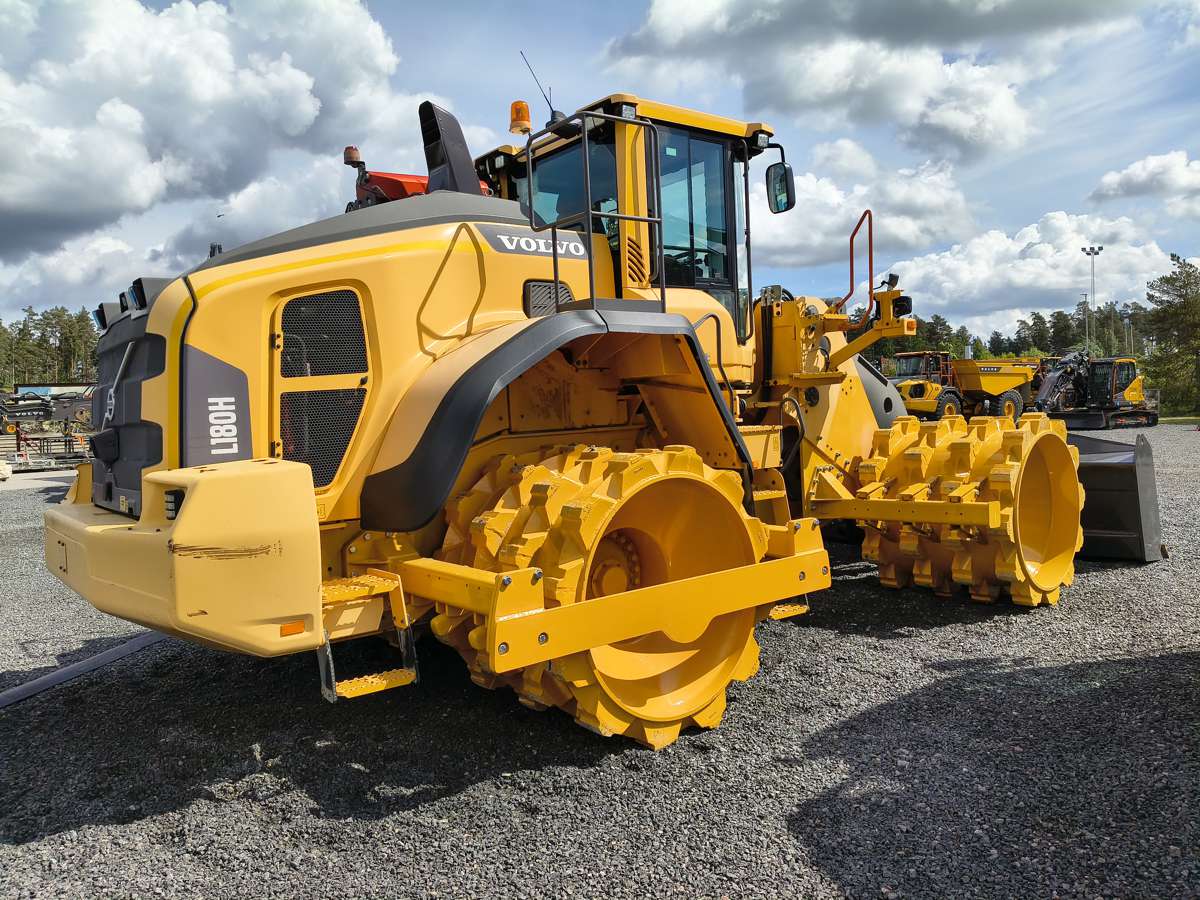
Connected Map is an intelligent positioning service that puts the real-time location of both vehicles and people onto a single live view of the site. Everyone from operators to site managers can see where machines and personnel are at any moment, which feeds directly into safer movement and smarter traffic decisions. The same data helps optimise haul routes, shorten travel times and trim fuel use and emissions in the process.
The safety dividend is the standout. A large share of serious jobsite incidents involve machines and people occupying the same space, and continuous positioning is a practical way to reduce that risk rather than relying on signage and hope. Paired with Site Operations, Connected Map turns spatial awareness into something a site can actively manage, which is a meaningful step for operations under growing scrutiny on worker safety.
Load Assist
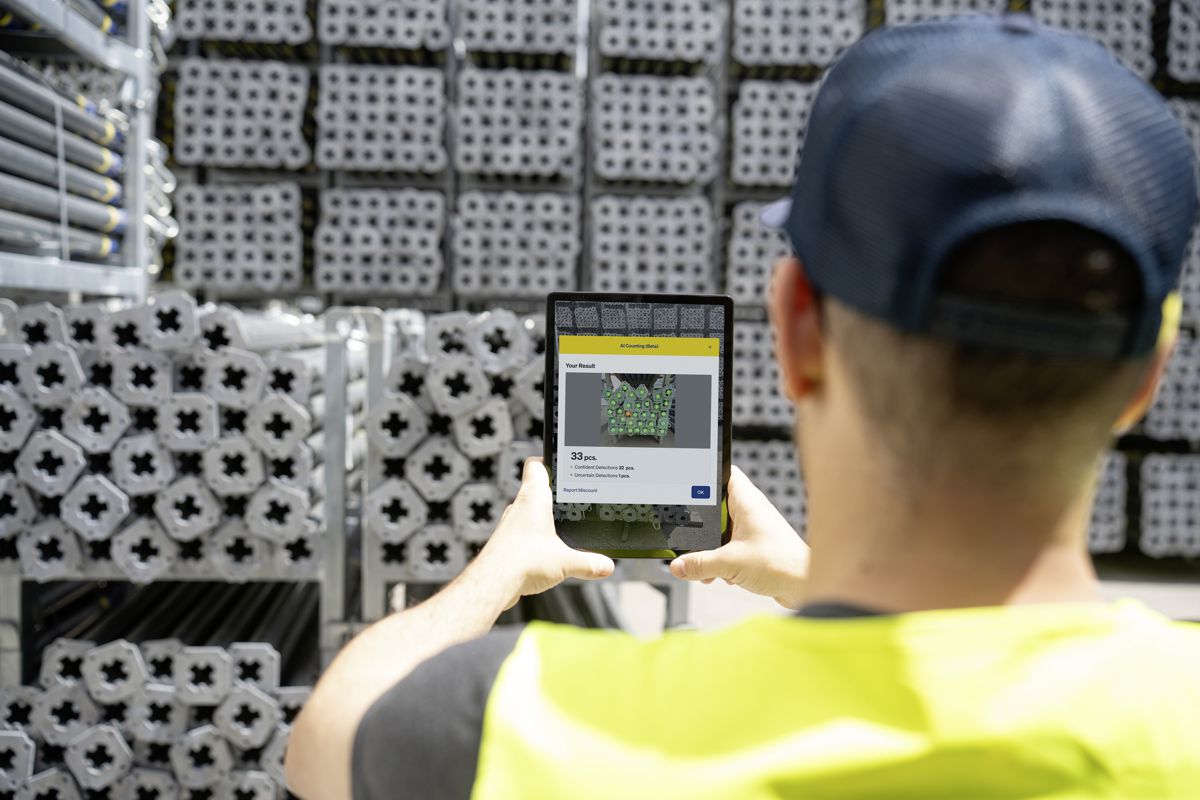
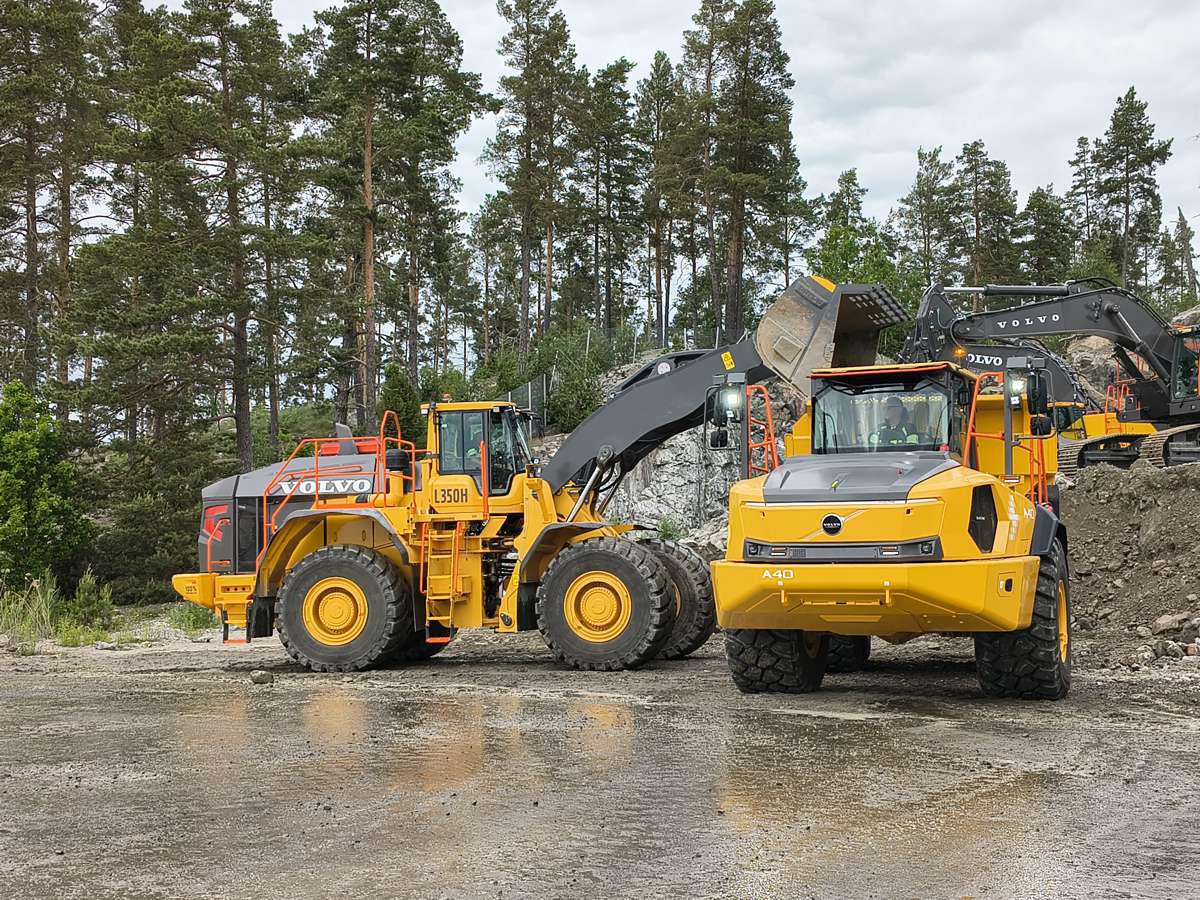
Listed in the portfolio as Load ticket and marketed as Load Assist, this service brings accurate onboard weighing to Volvo wheel loaders. Working through the in-cab Volvo Co-Pilot interface, it gives operators real-time payload data and coaching prompts, so they can load to target without the guesswork that leads to wasted passes or over-tipped trucks.
Accuracy at the bucket has outsized downstream effects. Overloaded trucks risk fines and premature wear, while underloaded ones waste trips and fuel, so getting the weight right protects both compliance and haulage efficiency. The operator-coaching element matters too, because consistency across a crew is often where productivity quietly leaks away. By putting reliable numbers in front of the operator in real time, Load Assist lifts performance at the level where it’s actually decided.
Site Simulation
Site Simulation sits upstream of the rest, before a single machine turns up. It’s a modelling tool that recommends the most efficient fleet configuration and site set-up for a given job, letting operators run mixed-fleet comparisons and weigh factors such as machine size, quantity and attachments against the target output. The goal is a lower cost per tonne, designed in rather than discovered the hard way.
For anyone bidding work or making a capital decision, that planning capability takes real risk off the table. Right-sizing a fleet up front avoids the twin traps of paying for surplus iron or starving a site of capacity, and it gives a defensible basis for the numbers in a tender. It also dovetails neatly with Equipment as a Service, since the same modelling that optimises a purchased fleet can define the right hours-based package.
What The Industry Should Take From It
Lined up together, the ten services tell a coherent story. They run from capturing data, through interpreting and acting on it, to planning sites and finally rethinking how machines are paid for at all. The connecting thread is total cost of ownership and uptime, and the most strategically telling feature is how often the tools reach beyond Volvo’s own iron to manage whole mixed-brand operations. That’s a company accepting how real worksites work and trying to become the layer that sits over the lot.
Melker Jernberg, President of Volvo CE, summed up the company’s posture: “Volvo Days is about showing, not telling.” For contractors and quarry operators, the practical takeaway is that buying decisions will increasingly hinge on the services wrapper as much as the spec sheet, with pay-per-hour models starting to nibble at the case for ownership.
For investors, the draw is stickier, more resilient revenue across the cycle. And for policymakers tracking lower-carbon construction, the marriage of electrification and connected services is the mechanism that makes cleaner, safer sites manageable rather than merely aspirational.
Volvo CE hasn’t stopped being a machine maker. It’s made clear it no longer wants to be measured as only that.