Beyond Curb Appeal: The 2026 Guide to Upgrading Your Home’s Exterior
When it comes to home renovations, interior projects like kitchen remodels and bathroom upgrades often steal the spotlight and dominate the budget. However, as building science rapidly evolves and extreme weather events become more frequent across the globe, real estate experts and architects are shifting their focus outward to the building envelope. Upgrading your home’s exterior is no longer just about making a strong first impression on the block; it is a critical investment in structural integrity, energy efficiency, and long-term financial return.
Navigating the myriad of modern cladding options, stringent insulation requirements, and complex vapor barriers can be overwhelming for the average homeowner. Because a successful exterior overhaul requires precise installation techniques to prevent moisture intrusion and subsequent rot, partnering with industry leaders like the A.B.D. Team – a premier, highly-rated siding company – is the most effective way to ensure your chosen materials perform perfectly against the local climate while dramatically elevating your home’s aesthetic profile.
In this comprehensive guide, we will thoroughly explore the real return on investment of exterior upgrades, analyze the top cladding materials dominating the residential market today, and provide actionable advice on how to execute a flawless, stress-free exterior renovation.
The Real ROI of Exterior Upgrades
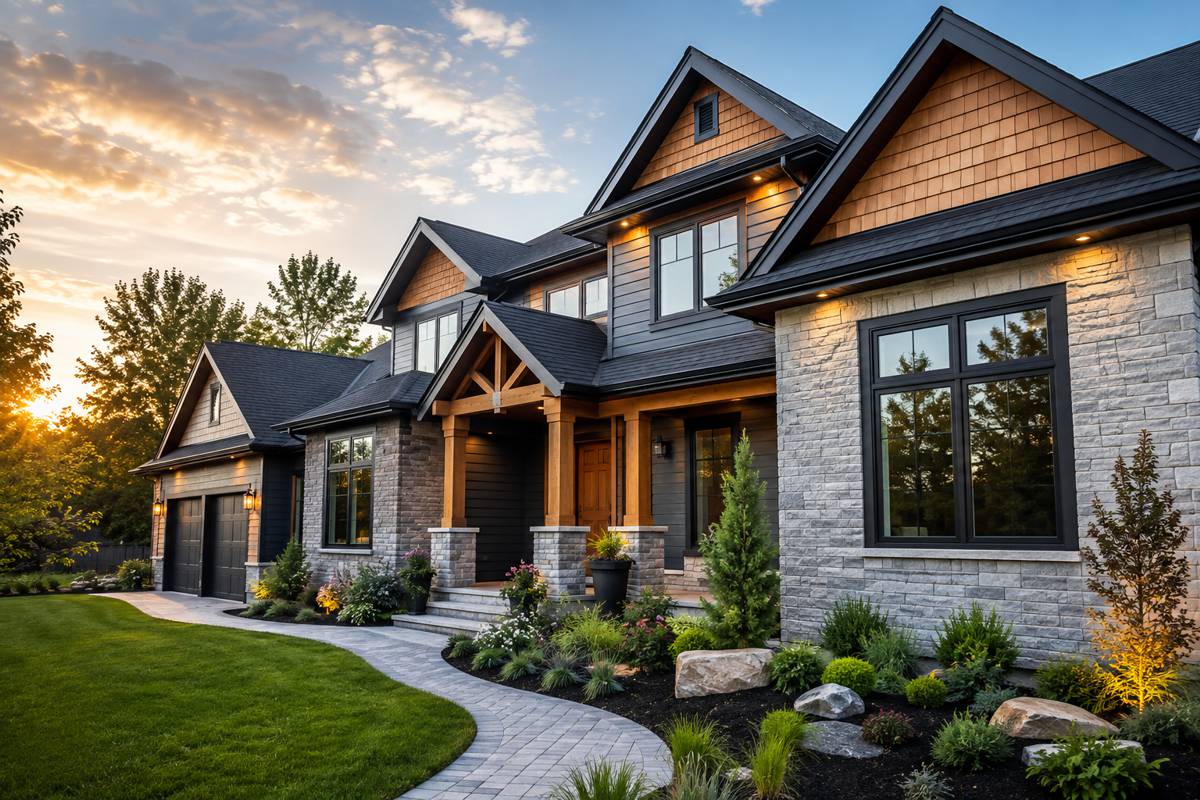
When evaluating major home improvement projects, industry professionals consistently look at the cost-to-value ratio. Year after year, exterior replacement projects rank at the very top of these lists. Unlike highly personalized interior renovations (where your taste in cabinetry might not match a buyer’s), a structurally sound, visually appealing exterior offers universal, undeniable appeal to potential buyers.
Maximizing Appraisal Value
Replacing old, deteriorated exterior cladding can routinely recoup upwards of 80% to 90% of its upfront cost at the time of resale, depending on the local housing market. Appraisers heavily weight the condition of a home’s building envelope because it directly impacts the longevity of the underlying wooden framing. A home with brand-new, high-performance cladding signals to prospective buyers that the property has been meticulously maintained, often triggering higher offers, competitive bidding wars, and significantly fewer days spent on the market.
Drastically Improving Energy Efficiency
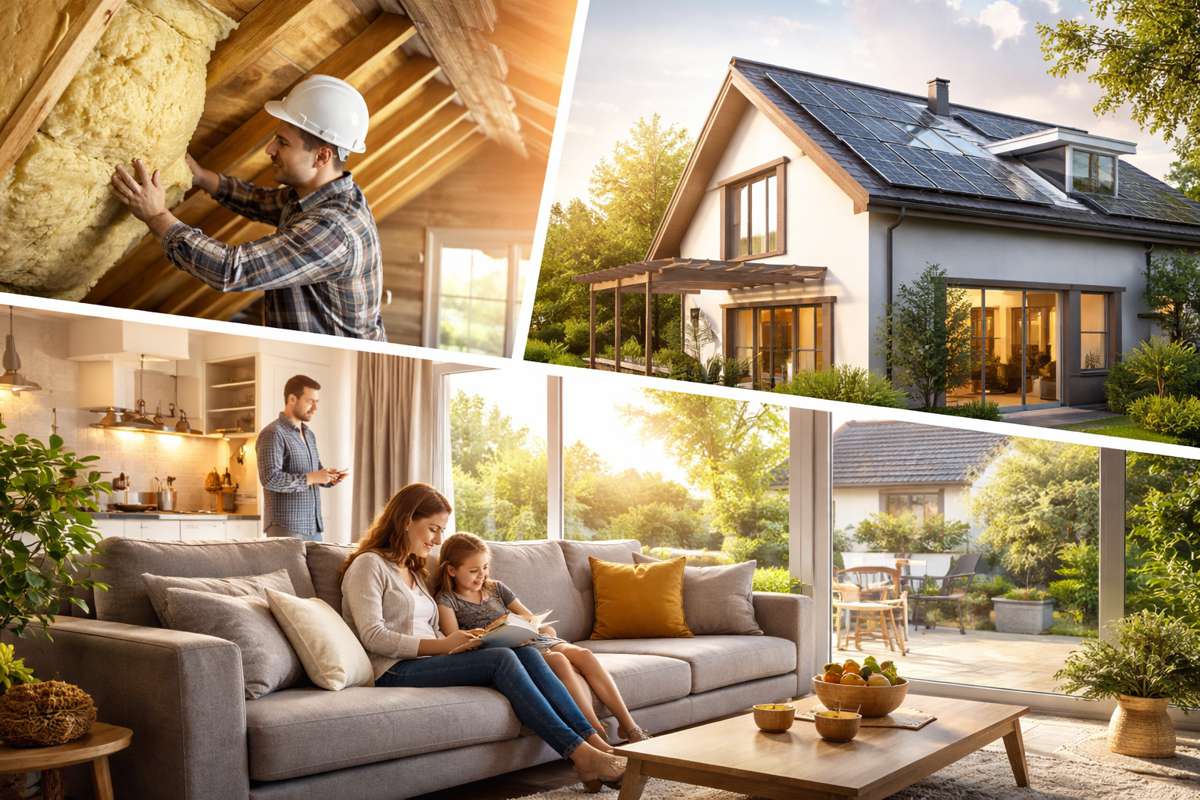
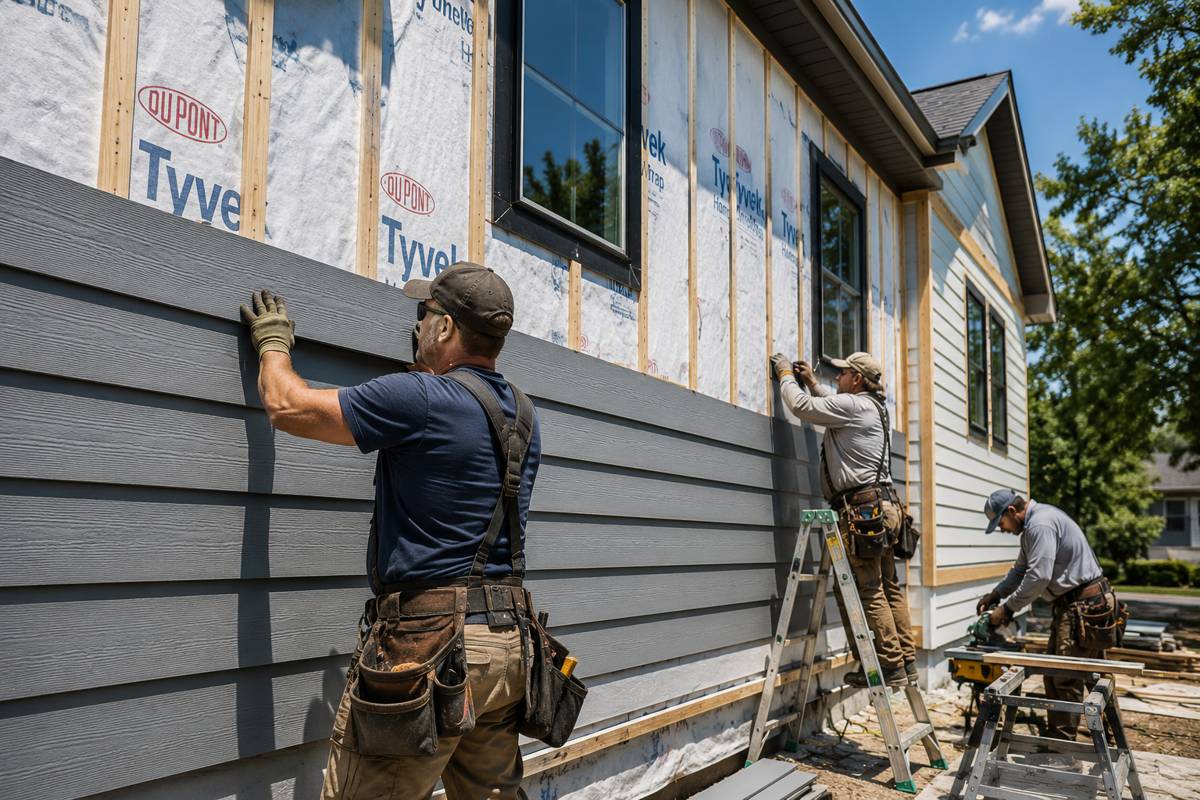
Modern exterior upgrades go far beyond the surface material you see from the curb. Today’s building best practices involve wrapping the home in a high-quality, breathable house wrap or rigid foam insulation before the new cladding is even attached. This essential process mitigates “thermal bridging” – the unwanted transfer of heat or cold through the home’s wooden wall studs. By upgrading your exterior with these modern methods, you are essentially wrapping a continuous thermal blanket around your house. This drastically reduces the workload on your HVAC system, minimizes uncomfortable interior drafts, and cuts monthly utility bills by a substantial margin.
Insurance Premium Reductions
In many regions, updating your exterior with impact-resistant or fire-retardant materials can lead to direct financial benefits beyond resale value. Homeowners insurance providers heavily assess the risk of a property. Upgrading to non-combustible cladding or installing panels rated for hurricane-force winds can frequently qualify homeowners for noticeable discounts on their annual insurance premiums, further improving the long-term ROI of the project.
Top Cladding Materials Dominating the Market
Choosing the right material is a delicate balancing act between your overall budget, the home’s architectural style, your personal maintenance tolerance, and local weather conditions. Here are the leading materials shaping residential exteriors today.
Fiber Cement: The Undisputed Heavyweight
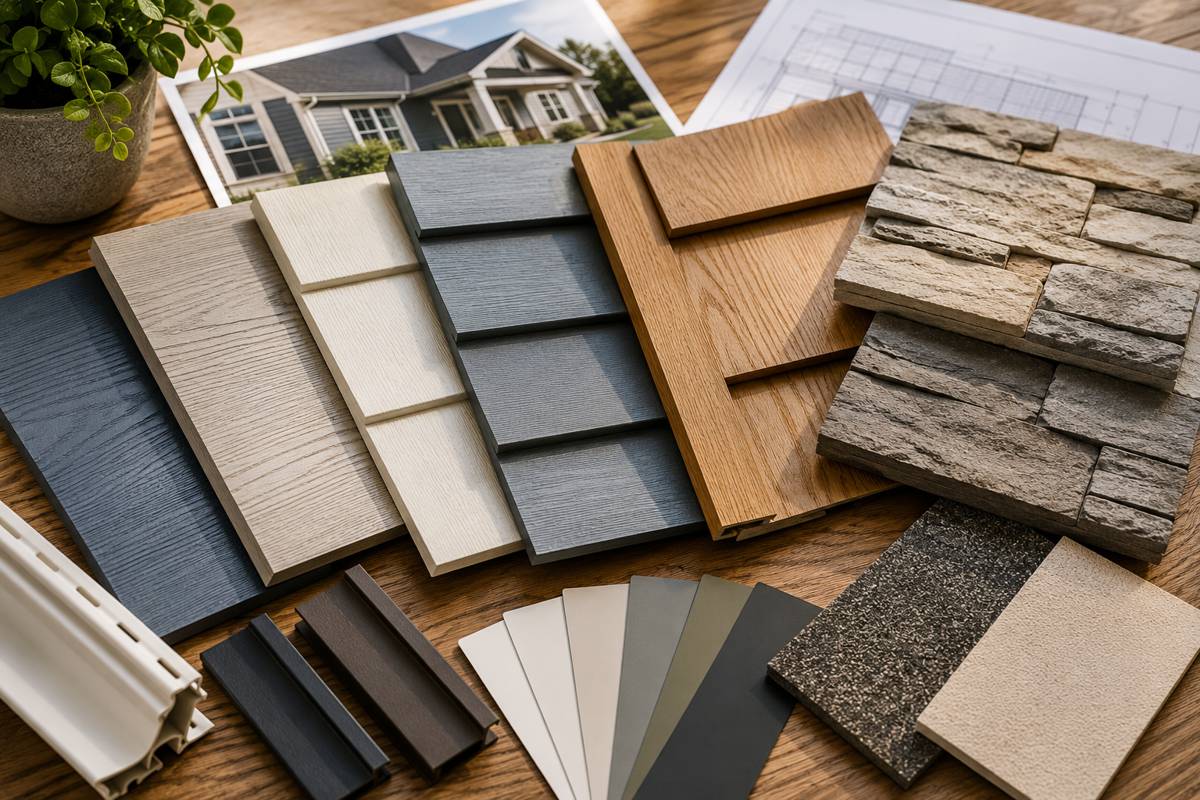
Fiber cement has completely revolutionized the residential construction industry over the last two decades. Composed of a sustainable blend of wood pulp, Portland cement, fly ash, and water, this incredibly resilient material offers the classic, deeply textured look of painted wood without any of its inherent vulnerabilities. It is completely impervious to wood-boring insects like termites and carpenter ants, highly resistant to fungal rot, and, crucially, non-combustible. For homeowners living in wildfire-prone regions, fiber cement is often heavily recommended by insurance companies to harden the home against encroaching embers. While its density requires specialized tools to cut and a skilled crew to install, its decades-long lifespan makes it a top-tier choice for serious homeowners.
Engineered Wood: Sustainable and Stunning
For those who absolutely demand the authentic texture of real wood but want superior durability, engineered wood is the ultimate modern compromise. Products in this category are manufactured by binding wood strands or wood fibers with exterior-grade resins and zinc borate. This powerful chemical and structural combination makes the boards highly resistant to fungal decay and insect damage. Engineered wood is significantly lighter and easier to work with than fiber cement, which can lead to slightly lower labor costs. Furthermore, it comes pre-primed or pre-finished in a massive array of designer colors, ready to be installed out of the box.
Insulated Vinyl: The Energy-Efficient Standard
Standard hollow vinyl has been a budget-friendly staple for decades, but insulated vinyl is the modern, high-performance upgrade. These premium panels feature a custom-contoured backing of expanded polystyrene (EPS) foam that perfectly matches the stepped profile of the siding. This added insulation significantly boosts the wall’s overall R-value and gives the panels incredible rigidity. Unlike standard hollow vinyl, which can rattle loudly in high winds and easily crack upon impact from hail or stray baseballs, insulated vinyl feels solid to the touch, easily absorbs shock, and resists the unsightly warping that traditionally plagues cheaper plastics.
Metal Cladding: Modern and Indestructible
Once reserved strictly for commercial buildings or agricultural barns, corrugated steel and architectural aluminum panels are making massive waves in high-end residential design. Often used as a striking accent material on modern farmhouse builds or contemporary urban architecture, metal is incredibly low-maintenance and structurally robust. It does not absorb moisture, harbor toxic mold, or require repainting. With the advent of advanced Kynar 500 finishes, today’s architectural metal cladding resists fading and chalking even under relentless, year-round ultraviolet exposure.
Stone Veneer: The Premium Accent
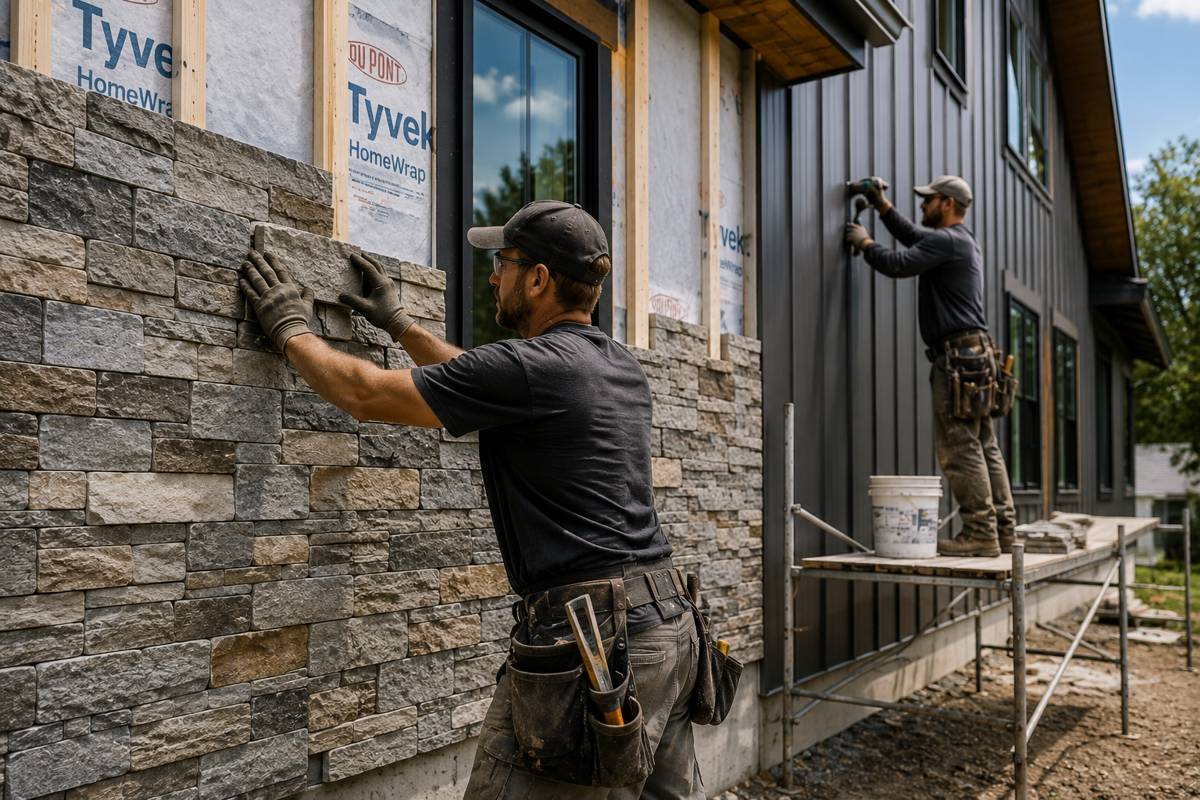
While rarely used to cover an entire house due to cost and weight, manufactured stone veneer remains an incredibly popular choice for highlighting architectural focal points. Often applied to the lower third of a home (the wainscot), front entryways, or exterior chimney chases, stone veneer adds an immediate sense of luxury, permanence, and texture. Because it is lighter than natural stone, it usually does not require heavily reinforced footings, making it an accessible premium upgrade.
Signs It’s Time to Replace Your Exterior Cladding
Knowing exactly when to pull the trigger on a full exterior replacement can save you tens of thousands of dollars in hidden structural framing damage. Keep a close eye out for these undeniable red flags:
- Frequent Repainting Cycles: If your home’s exterior requires a tedious, expensive new coat of paint every three to five years just to stop peeling and flaking, the underlying substrate is likely compromised and absorbing excessive ambient moisture.
- Warped, Buckled, or Wavy Boards: Cladding that no longer sits flat against the wall perfectly indicates that moisture has breached the protective vapor barrier, causing the boards to permanently swell and lose their structural integrity.
- Spikes in Heating and Cooling Costs: A sudden, unexplained increase in your utility bills often points to failed exterior insulation and drafts penetrating the wall cavities.
- Dry Rot Presence: You can easily test for dry rot by tapping your exterior boards with the hard handle of a screwdriver. If the wood sounds hollow, feels spongy to the touch, or crumbles away easily, fungal decay has already taken hold and full replacement is mandatory.
- Interior Moisture Damage: Peeling wallpaper, bubbling interior paint, or toxic mold growth on the inside of your exterior-facing walls are severe, late-stage indicators that your outdoor cladding has completely failed to keep the elements outside where they belong.
How to Choose the Right Contractor for the Job
Even the most expensive, premium building materials in the world will fail prematurely if they are installed incorrectly by an inexperienced crew. The installation process dictates the weatherproofing, the validity of the manufacturer’s warranty, and the overall aesthetic success of the project.
When vetting local professionals, E-E-A-T (Experience, Expertise, Authoritativeness, and Trustworthiness) should always guide your final decision. Always ask potential contractors for physical proof of comprehensive liability insurance and workers’ compensation coverage. Furthermore, actively seek out factory-certified installers. Many major building material manufacturers offer elite tier programs for contractors who have undergone specific, rigorous training to install their products to exact specifications.
Using a certified installer not only guarantees that the latest building codes and best practices are followed, but it often unlocks extended, non-prorated warranties that protect your investment for up to 30 years. Finally, demand a hyper-detailed, written contract that explicitly outlines the full scope of work, including tear-down protocols, waste disposal fees, the specific brand of moisture barriers to be used, and a clear, realistic timeline for completion.
The Role of Color Psychology in Curb Appeal
The color palette you choose for your home’s exterior does considerably more than just appease the neighborhood HOA rules; it creates a distinct psychological impact and completely dictates the property’s visual footprint in the neighborhood.
In recent years, the long-standing trend of stark, sterile grays has shifted heavily toward warm, biophilic tones that connect the home to its natural surroundings. Deep olive greens, rich terracottas, and warm taupes are leading the charge in 2026. Additionally, high-contrast exterior designs remain incredibly popular. A classic alabaster white exterior paired with deep charcoal or matte black window trim creates a striking, sharply modern architectural silhouette.
When choosing an exterior color, you must also consider the solar heat gain. Darker colors naturally absorb significantly more ultraviolet light and ambient heat, which can cause inferior, cheap materials to fade prematurely or warp under thermal stress. If you opt for a moody, dark exterior aesthetic, ensure your chosen contractor utilizes high-quality materials with baked-on, UV-resistant finishes designed specifically to withstand high thermal loads over decades.
Preparing Your Home for a Cladding Overhaul
Once you have finally selected your materials, confidently chosen your colors, and hired an expert team, there are a few practical, necessary steps you must take as a homeowner to ensure the construction process goes as smoothly as possible.
First, clear the immediate perimeter of your home. Trim back low-hanging tree branches, large landscaping shrubs, and thorny bushes at least two to three feet from the exterior walls to give the installation crew adequate room to set up heavy scaffolding and tall ladders safely. Move all expensive patio furniture, barbecue grills, and delicate potted plants into the safety of the garage or a distant shed.
Inside the home, understand that the tear-off process will inevitably create significant, loud vibrations against your wall studs. Protect your valuable interior possessions by removing fragile picture frames, heavy mirrors, and delicate shelving units from exterior-facing walls to prevent them from vibrating loose and shattering on the floor.
Upgrading your home’s exterior is a profound, incredibly rewarding commitment to the property’s longevity, energy performance, and real estate market value. By consciously moving beyond mere aesthetics and focusing on robust building science, high-performance modern materials, and expert installation, you are decisively fortifying your greatest asset against the unpredictable elements. Whether you are aiming to significantly slash your household carbon footprint with superior insulation, secure a much higher appraisal value before an upcoming sale, or simply fall in love with your home’s appearance all over again, a strategic exterior renovation is undeniably the smartest, most impactful investment you can make in your property today. Take the time to properly research your material options, carefully partner with seasoned professionals, and enjoy the lasting peace of mind that comes with living in a beautifully designed, completely protected home.