How Can Transformer Repair Planning Protect a Construction Schedule?
A construction team can have crews, materials, and plant ready while one power issue holds up the next stage. The response needs a clear link between the electrical assessment and the work waiting behind it.
Early discussions about transformer services can help define the repair scope and the information needed to assess the equipment. For project managers, the useful question is how that assessment affects access, temporary supply, testing, and the dates on which other trades depend.
The Outage Has a Place in the Work Sequence
A transformer problem can affect several parts of a project at once. Pumps may support drainage, a temporary compound may need power, or permanent systems may be waiting for tests. Map those needs before assigning a single restart date to the whole site. Some work may continue under an approved alternative supply. Other tasks may depend on the affected equipment. The project manager needs that distinction to see where the true schedule pressure lies.
Build the repair review into the work sequence with clear decision points. Allow for inspection, a defined scope, any parts or shop work, and the checks needed before return to service. Ask the electrical lead which dates are firm and which depend on findings.
A service visit is one milestone within that sequence. The construction plan should show what must happen after the visit before the affected work can resume. Give each dependency an owner, including the utility contact where required, so a missing approval or unavailable crew does not remain hidden until the planned restart.
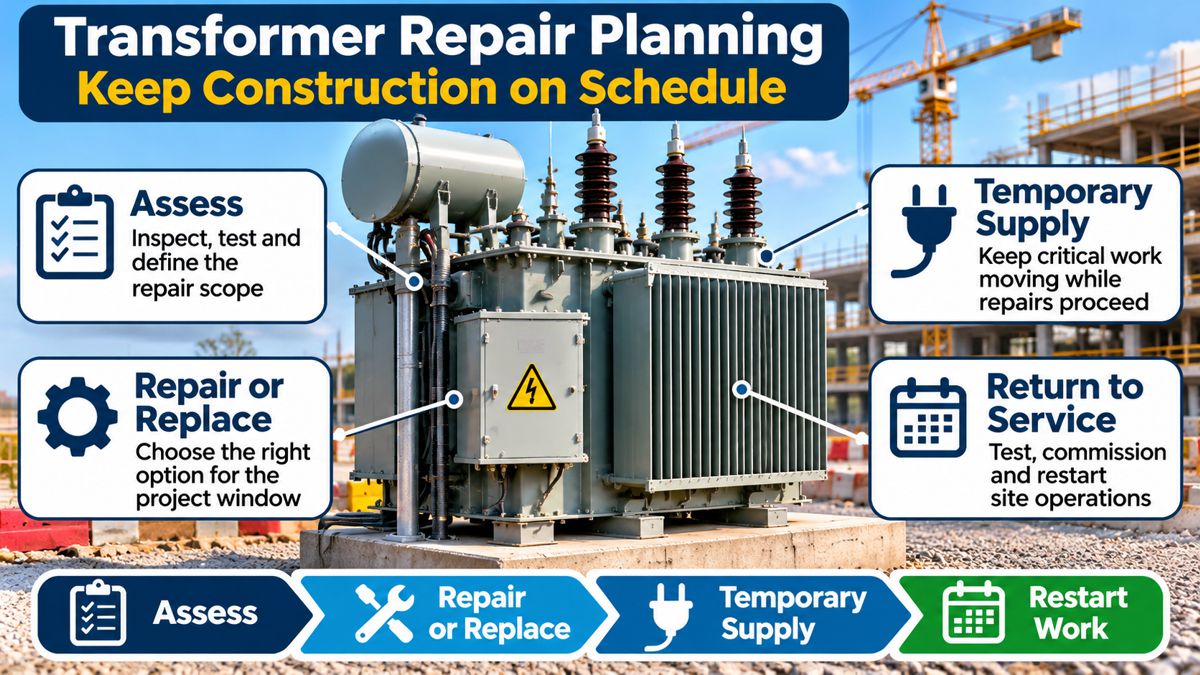
Give the Assessment a Useful Starting Point
A good handoff begins with records that already exist. Share the transformer identification, drawings, operating history, and recent test reports through the electrical lead. Explain what happened and which parts of the site lost supply. Keep observed facts separate from assumptions about the cause. A trip during a busy shift, for example, is an event to investigate. It does not establish that the transformer itself has failed.
The service team can then define the inspection and tests needed for that unit. High To Low Voltage describes both field and shop repair routes, with evaluation used to establish scope.
Project managers should ask what each route means for removal, transport, site access, and the work area. Electrical isolation and all testing belong with qualified personnel under the site’s safety procedures. General site staff should not open equipment or attempt a reset to speed up the review.
A Repair Decision Needs a Decision Date
Uncertainty can consume a construction window even while everyone is working hard. Agree when the team will review the findings and choose the next step. The discussion should cover equipment condition, the proposed repair, parts availability, and the requirements for returning it to use. Ask what remains unknown. An estimate based on an initial inspection should remain distinct from a confirmed scope with the required resources in place.
At that review, compare repair with the available replacement path. A repair may fit the equipment’s condition and the project window.
Extensive damage or a poor match with future loads may point toward replacement. The project manager needs the electrical team’s judgment and current supplier information to compare those routes. Avoid treating either choice as automatically faster. Record who approves the decision and how the site will respond if the findings change.

Temporary Supply Creates Its Own Work Package
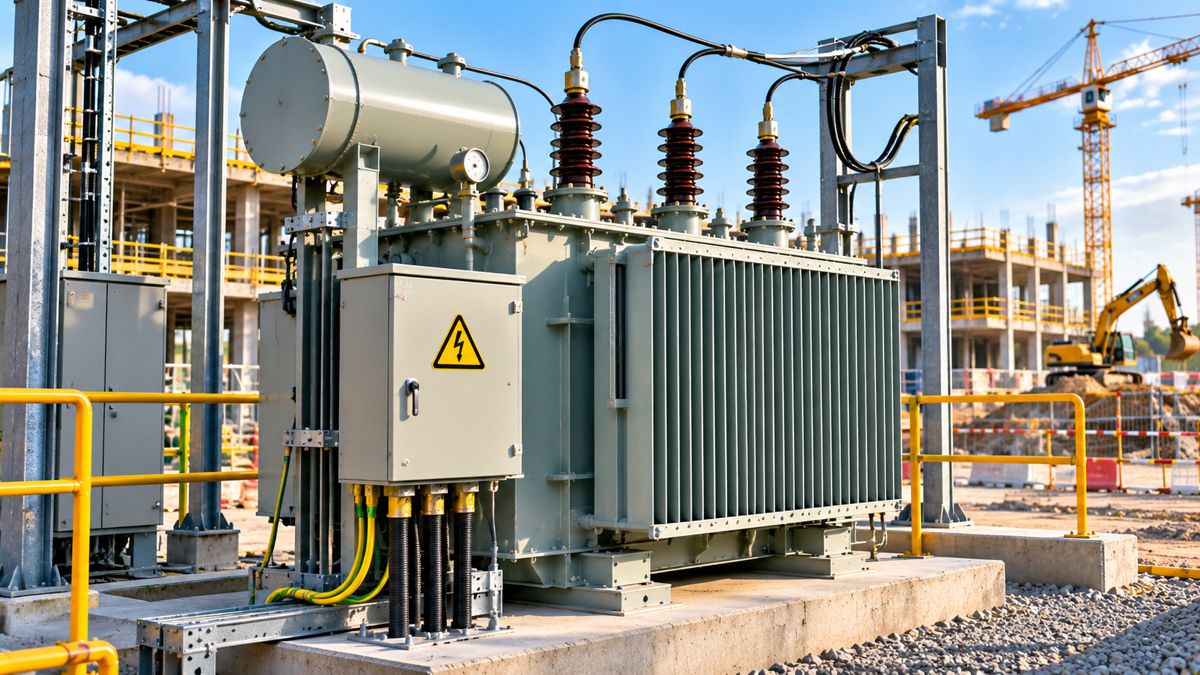
A temporary transformer may support some projects while repairs proceed, subject to an approved system design. It still needs a suitable source, connections, protection, placement, and testing. Ask the electrical lead to define which loads it would serve and how the transfer would happen. Include the later return to the permanent arrangement. Both changeovers can affect the schedule, and both need the right people available to carry out the work.
Civil and logistics teams also have a role. A temporary position may require a prepared base, secure access, cable routes, or space for lifting equipment.
Those needs can conflict with deliveries, crane operations, or another trade’s work area. Put them on the site plan and allocate responsibility. A rental delivery date becomes more useful when the project also shows when the site will be ready to receive and connect the equipment.
Return to Service Must Be a Shared Milestone
The repair is one part of the route back to work. Ask for a handover package that identifies the work completed, the test results, and any limits or follow-up actions. The electrical team should confirm the requirements for commissioning and safe energization with the relevant parties.
Project managers can then link that release to the next construction activities. A unit arriving back on site should not, by itself, trigger a promise that all affected systems can restart.
After the supply is restored, update the project records and close out the temporary arrangements. Capture what delayed the response, which records proved useful, and whether the site needs a better contingency plan. Share those lessons with the people planning later phases.
Transformer repair planning earns its place in construction management when technical findings lead to clear decisions, realistic dates, and a coordinated return to work.