Nanotechnology is becoming increasingly important across global construction, infrastructure and industrial technology, influencing how projects are visualised, coordinated, delivered and managed over time.
For much of the past two decades, graphene has been presented as one of the most promising developments in modern materials science. Since researchers first isolated the...
Carbon has always sat at the heart of modern civilisation. From steel production to asphalt binders and advanced composites, it underpins the very fabric of infrastructur...
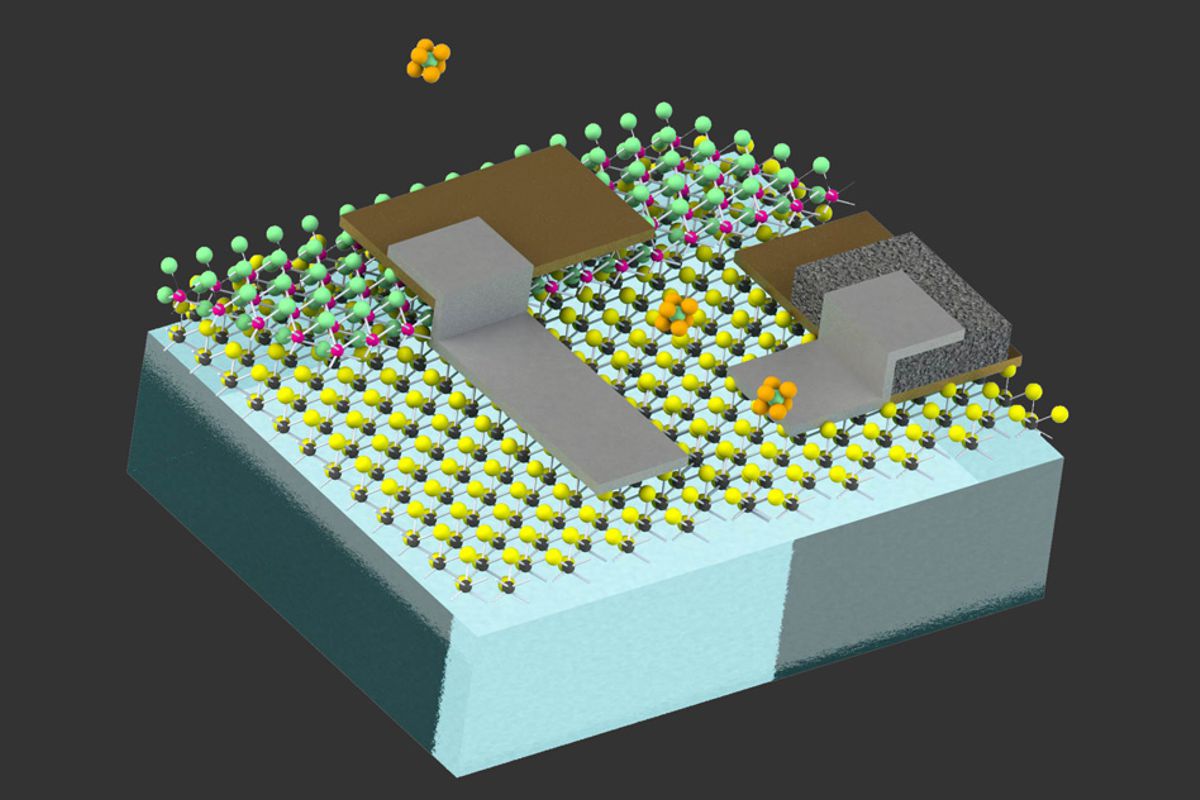
The idea of printing electronic devices might sound like science fiction. Yet researchers are steadily turning it into a practical manufacturing method that could reshape...
Concrete may be the backbone of global infrastructure, yet the world is grappling with its environmental footprint. Traditional mixes rely heavily on virgin aggregates an...
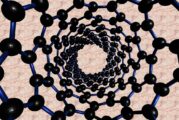
Graphene has long dazzled scientists and engineers alike with its extraordinary properties. Often heralded as a “miracle material,” it boasts a strength 200 t...
Since the initial discovery of what has become a rapidly growing family of two-dimensional layered materials — called MXenes — in 2011, Drexel University researchers have...
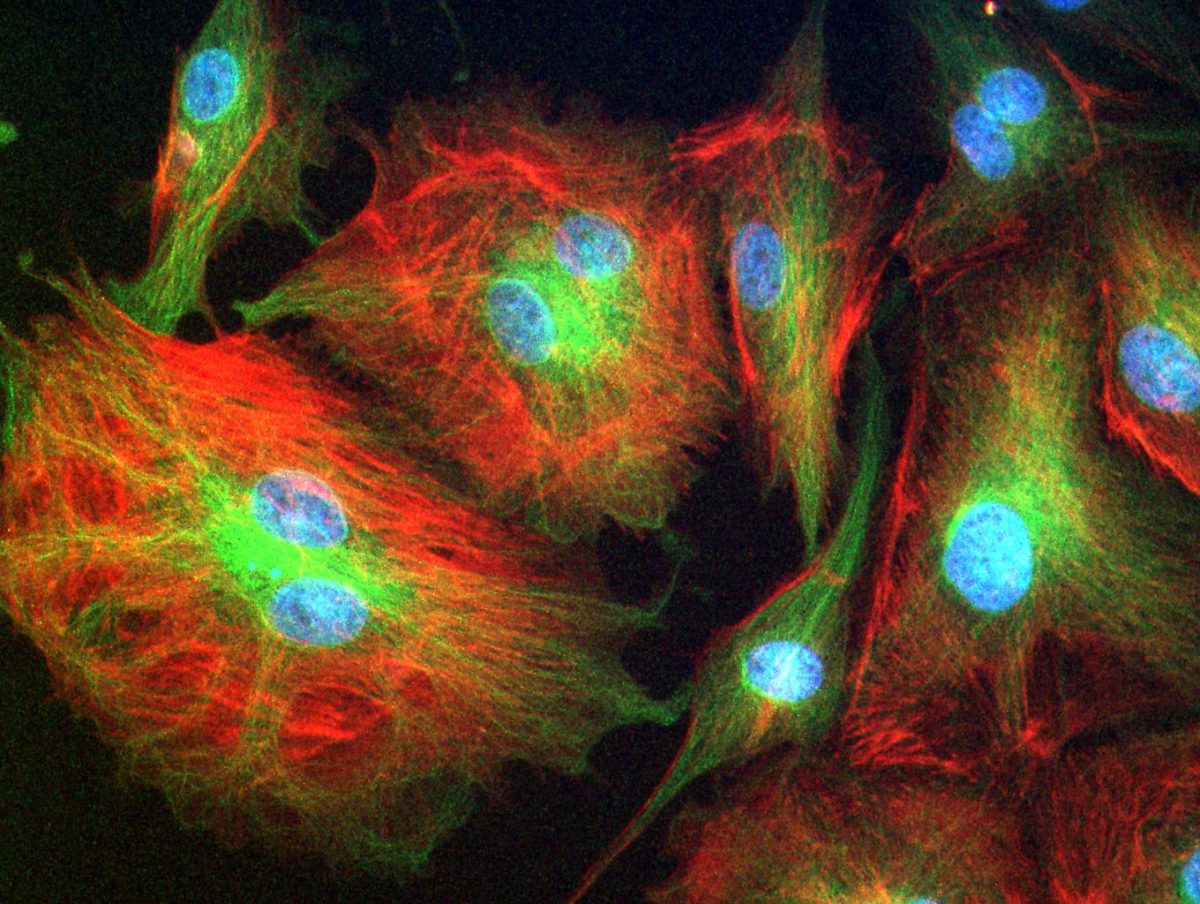
From designing new biomaterials to novel photonic devices, new materials built through a process called bottom-up nanofabrication, or self-assembly, are opening up pathwa...
A novel and eco-friendly nano asphalt binder has been developed by researchers at Swansea University and the Technical University of Braunschweig. The product generates a...
Electronics and photonic technologies advanced rapidly in the last two decades and have become promising solutions to complement electronic technologies. To showcase the...
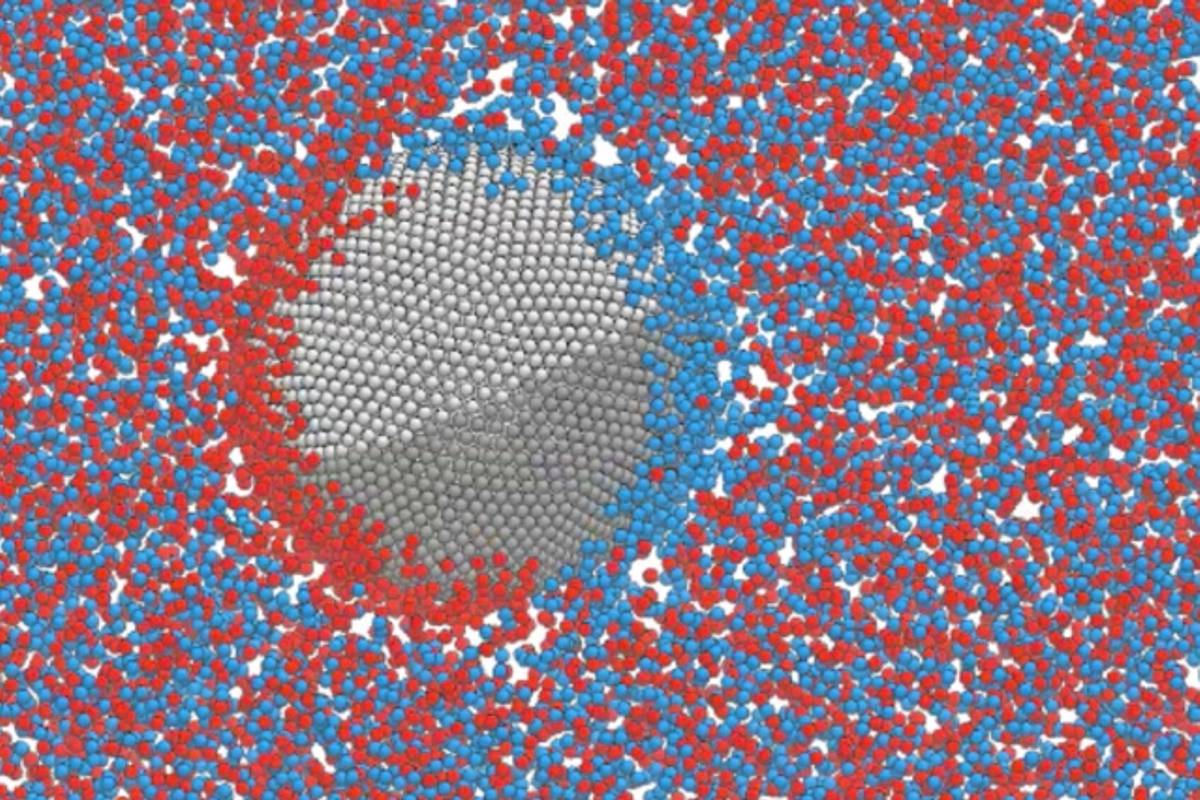
MIT researchers have discovered a phenomenon that could be harnessed to control the movement of tiny particles floating in suspension. This approach, which requires simpl...
Tiny robots no bigger than a cell could be mass-produced using a new method developed by researchers at MIT. The microscopic devices, which the team calls “syncells” (sho...
Researchers at MIT have created what may be the smallest cell-sized robots yet that can sense their environment, store data, and even carry out computational tasks. These...
This website uses cookies to improve your experience while you navigate through the website. Out of these, the cookies that are categorized as necessary are stored on your browser as they are essential for the working of basic functionalities of the website. We also use third-party cookies that help us analyze and understand how you use this website. These cookies will be stored in your browser only with your consent. You also have the option to opt-out of these cookies. But opting out of some of these cookies may affect your browsing experience.
Necessary cookies are absolutely essential for the website to function properly. These cookies ensure basic functionalities and security features of the website, anonymously.
Cookie
Duration
Description
cookielawinfo-checkbox-analytics
11 months
This cookie is set by GDPR Cookie Consent plugin. The cookie is used to store the user consent for the cookies in the category "Analytics".
cookielawinfo-checkbox-functional
11 months
The cookie is set by GDPR cookie consent to record the user consent for the cookies in the category "Functional".
cookielawinfo-checkbox-necessary
11 months
This cookie is set by GDPR Cookie Consent plugin. The cookies is used to store the user consent for the cookies in the category "Necessary".
cookielawinfo-checkbox-others
11 months
This cookie is set by GDPR Cookie Consent plugin. The cookie is used to store the user consent for the cookies in the category "Other.
cookielawinfo-checkbox-performance
11 months
This cookie is set by GDPR Cookie Consent plugin. The cookie is used to store the user consent for the cookies in the category "Performance".
viewed_cookie_policy
11 months
The cookie is set by the GDPR Cookie Consent plugin and is used to store whether or not user has consented to the use of cookies. It does not store any personal data.
Functional cookies help to perform certain functionalities like sharing the content of the website on social media platforms, collect feedbacks, and other third-party features.
Performance cookies are used to understand and analyze the key performance indexes of the website which helps in delivering a better user experience for the visitors.
Analytical cookies are used to understand how visitors interact with the website. These cookies help provide information on metrics the number of visitors, bounce rate, traffic source, etc.
Advertisement cookies are used to provide visitors with relevant ads and marketing campaigns. These cookies track visitors across websites and collect information to provide customized ads.