ROADMEDIC Showcases Satellite IoT Airbag Response Platform at CES 2026
At CES 2026, a quiet but consequential shift in public safety technology took centre stage. ROADMEDIC® unveiled its Satellite IoT Smart Airbag Clearinghouse, a platform designed not to entertain or impress, but to save lives in the seconds that matter most. Built for the age of software defined vehicles, the system reframes a familiar safety device, the airbag, as an intelligent, autonomous trigger for emergency response.
For decades, the sequence following a serious road collision has relied on human intervention. A crash occurs, someone places a call, details are relayed, and only then does the emergency response machine begin to turn. ROADMEDIC® challenges that model by removing delay, ambiguity, and dependency on voice calls. The moment a smart airbag deploys, the system treats it as a verified emergency event and acts accordingly.
From Airbag Deployment to Real Time Action
At the heart of the platform is the ROADMEDIC® Airbag Deployment Satellite IoT Clearinghouse, developed by Roadside Telematics Corporation in collaboration with the LiDAR Saving Lives Public Safety Coalition. Purpose built for integration with Next Generation 9 1 1 infrastructures, the Clearinghouse converts an airbag deployment into a machine generated emergency signal and transmits it via satellite IoT.
This signal is delivered directly into 9 1 1 Real Time Intelligence Centres, often within two to three seconds of deployment. Crucially, it bypasses traditional telematics call centres and the delays associated with cellular only workflows. The result is immediate, trusted, and standards based crash intelligence that can be acted on without waiting for a human voice on the line.
Why Speed Still Saves Lives
Time remains the single most critical variable in trauma response. Numerous studies across emergency medicine and traffic safety have demonstrated that faster intervention improves survival rates and reduces the severity of long term injuries. Yet modern vehicles, despite their increasing sophistication, have often remained tethered to outdated response chains.
ROADMEDIC® addresses this gap by ensuring that awareness begins at impact, not minutes later. Once the Clearinghouse signal reaches a Real Time Intelligence Centre, it can automatically initiate a series of actions that previously required manual verification. These include the creation of a verified CAD incident, the dispatch of Drone First Responders, and the provision of pre arrival intelligence to police, fire, and emergency medical services.
The Role of Drone First Responders
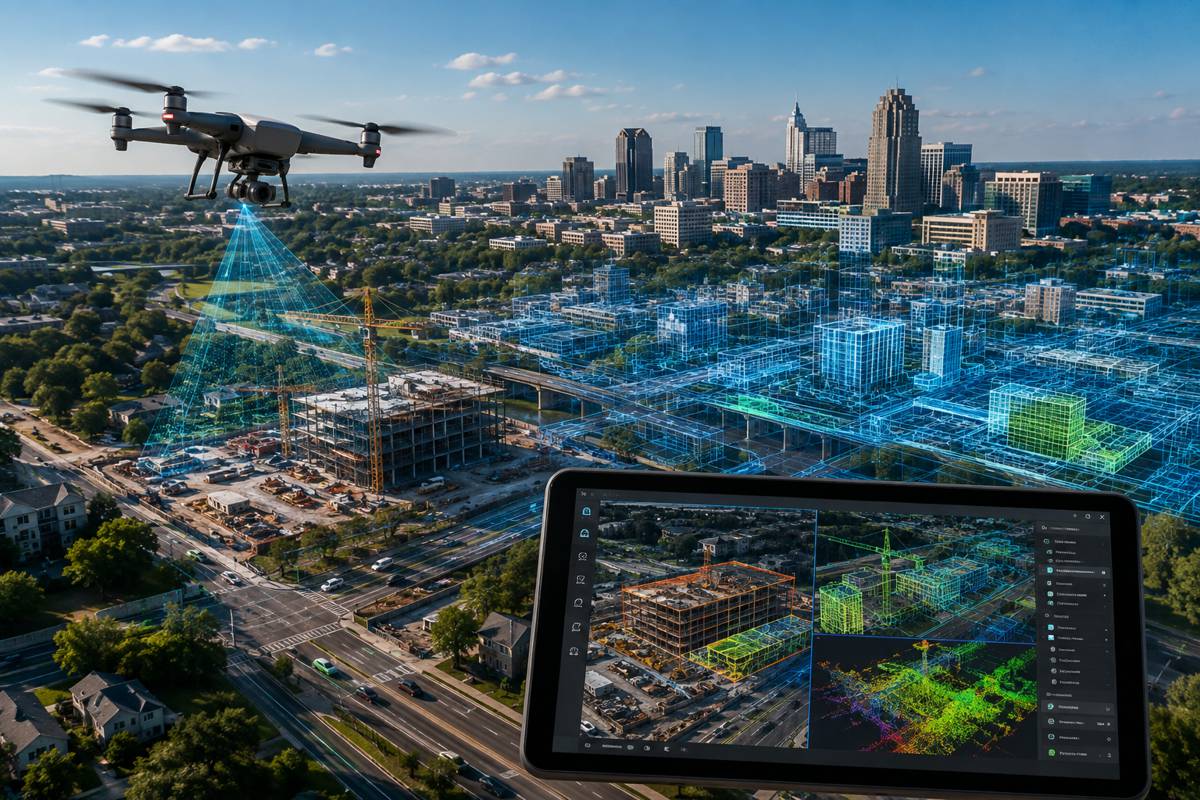
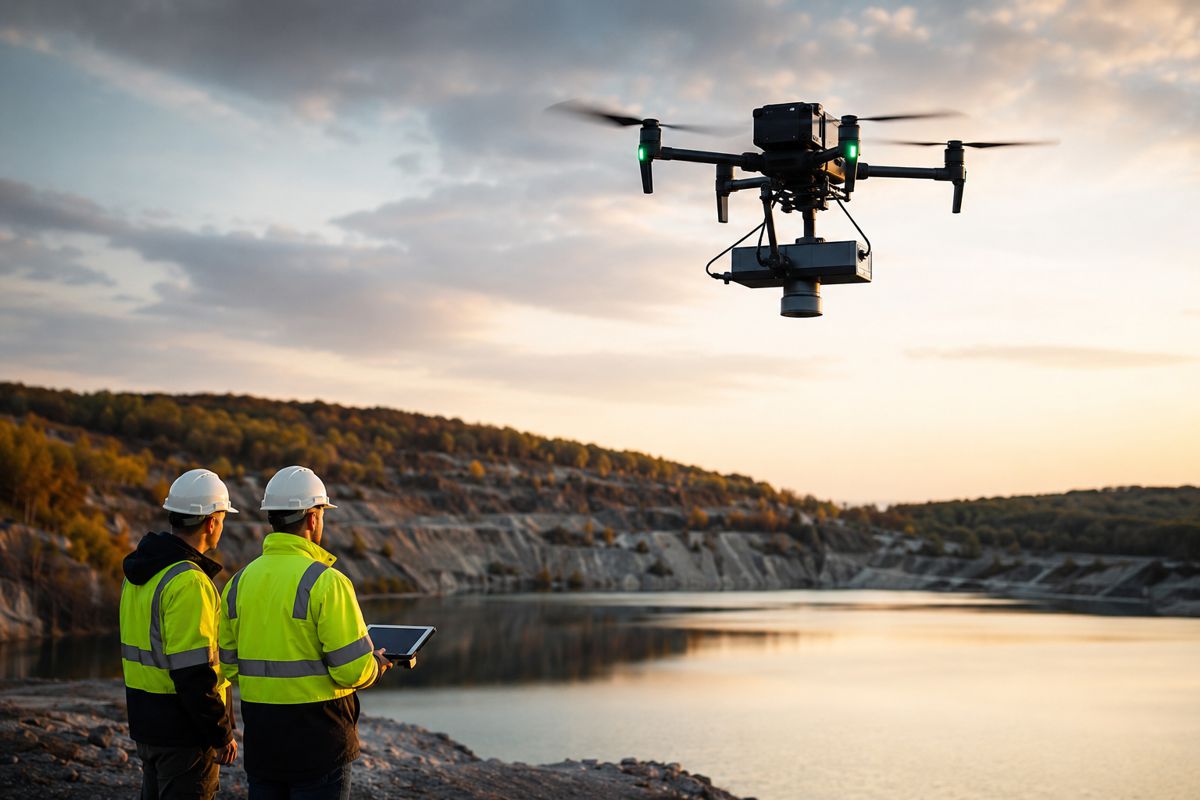
One of the most distinctive aspects of the platform is its direct integration with Drone First Responder operations. Rather than dispatching ground units blind, agencies can deploy drones within moments to establish eyes on scene. This aerial perspective provides dispatchers and responders with immediate insight into crash severity, vehicle positioning, hazards, traffic conditions, and potential secondary risks.
For emergency services, this intelligence changes the quality of decision making before the first siren is heard. Resources can be scaled appropriately, routes can be adjusted, and responders arrive better prepared for what awaits them. In complex or remote environments, that difference can be decisive.
Designed for Software Defined Vehicles
The ROADMEDIC® Clearinghouse is engineered specifically for the emerging generation of software defined vehicles equipped with Smart Airbags™. These systems generate richer data than legacy airbag sensors, allowing the platform to treat deployment events as reliable indicators of serious incidents rather than ambiguous triggers.
By focusing exclusively on smart airbag deployment events, the platform avoids the noise associated with less reliable telematics signals. It does not attempt to monitor every minor incident or driver behaviour metric. Instead, it concentrates on high confidence events that demand immediate attention, ensuring trust on both the automotive and public safety sides of the equation.
Satellite Resilience Where Networks Fail
One of the most significant limitations of existing vehicle telematics is reliance on terrestrial cellular networks. Coverage gaps, congestion, and infrastructure damage can all interrupt the flow of critical information. ROADMEDIC® adds a satellite resilient layer that ensures continuity of crash awareness regardless of location or network conditions.
This capability is particularly relevant for rural highways, disaster zones, and large scale incidents where cellular capacity is compromised. By extending NG9 1 1 operations beyond traditional network constraints, the platform delivers on the promise of anywhere, anytime emergency intelligence.
Strengthening NG9 1 1 Infrastructure
Rather than replacing existing systems, the Clearinghouse is designed to complement and strengthen current NG9 1 1 ESInet deployments. Automotive OEMs and technology providers have invested heavily in nationwide cellular based architectures, and ROADMEDIC® integrates cleanly into that ecosystem.
The added satellite intelligence layer enhances resilience and reliability without forcing agencies to overhaul their core infrastructure. For policymakers and public safety leaders, this approach reduces barriers to adoption while delivering immediate operational benefits.
Collaboration at the Core
The technology did not emerge in isolation. Its development reflects years of collaboration within COVESA’s Connected Safety Group, bringing together automakers, Tier 1 suppliers, telecommunications providers, technologists, academics, and 9 1 1 professionals. This collective effort has ensured that the platform aligns with real world operational needs rather than theoretical use cases.
The Clearinghouse also supports broader national roadway safety priorities, including the United States Department of Transportation’s Safe Streets and Roads for All programme. By enabling faster, data driven response to serious crashes, the platform contributes directly to the goal of reducing traffic fatalities and severe injuries.
A Shift in How Emergencies Are Detected
Speaking at the unveiling, Lawrence E. Williams, Co Founder and Executive Director of the LiDAR Saving Lives Public Safety Coalition and Founder and CEO of Roadside Telematics Corporation, framed the significance clearly:
: “This is about turning airbags into intelligent first responders. The moment an airbag deploys, 9 1 1 should know automatically, instantly, and with enough intelligence to act. That is what the ROADMEDIC® Clearinghouse will deliver.”
The statement captures a broader shift underway in public safety. Detection is no longer limited to human observation and reporting. Machines, when properly designed and governed, can recognise emergencies and initiate response with a speed and consistency that humans simply cannot match.
Demonstration on the CES Stage
Attendees at CES 2026 were able to see the system in action during the COVESA Networking Reception and Demonstration Showcase at the Bellagio Hotel on January 6. The live demonstration illustrated how a smart airbag deployment could trigger immediate awareness within a Real Time Intelligence Centre and prompt Drone First Responder dispatch in real time.
For an audience accustomed to incremental innovation, the demonstration stood out for its practical focus. This was not a concept vehicle or speculative software layer. It was a working system addressing a well documented failure point in emergency response.
The Organisations Behind the Platform
The LiDAR Saving Lives Public Safety Coalition operates as a non-profit public benefit corporation, uniting stakeholders across the automotive, technology, and emergency response landscape. Its mission centres on modernising post crash response and advancing next generation vehicle safety through collaboration rather than competition.
ROADMEDIC®, as the technology arm developed by Roadside Telematics Corporation, positions itself firmly within the NG9 1 1 ecosystem. Through its patent pending Airbag Deployment Automation Platform and Satellite IoT Clearinghouse, the company focuses on delivering standards based intelligence directly where it can be used immediately.
Global Adoption
While the initial focus aligns with United States NG9 1 1 frameworks, the implications extend far beyond a single market. Many countries are re evaluating emergency communications infrastructure as vehicle automation increases and road networks become more complex. The principles underpinning the Clearinghouse, speed, reliability, and direct integration, are universally relevant.
As regulators, automakers, and public safety agencies continue to grapple with rising traffic volumes and persistent fatality rates, technologies that close the gap between impact and response are likely to gain traction. ROADMEDIC® offers a clear example of how existing safety components can be reimagined to meet that challenge.
When Impact Becomes the Signal
In the end, the significance of the ROADMEDIC® platform lies not in its novelty, but in its restraint. It does not attempt to solve every problem in mobility or public safety. Instead, it focuses on a single, critical moment and asks how that moment can be transformed into immediate, actionable intelligence.
By treating airbag deployment as a definitive call for help rather than a data point to be reviewed later, the system aligns technology with human urgency. In doing so, it points toward a future where emergency response begins not with a phone call, but with impact itself.