How to Get the Right Fit and Extend the Life of Your Industrial Chest Waders
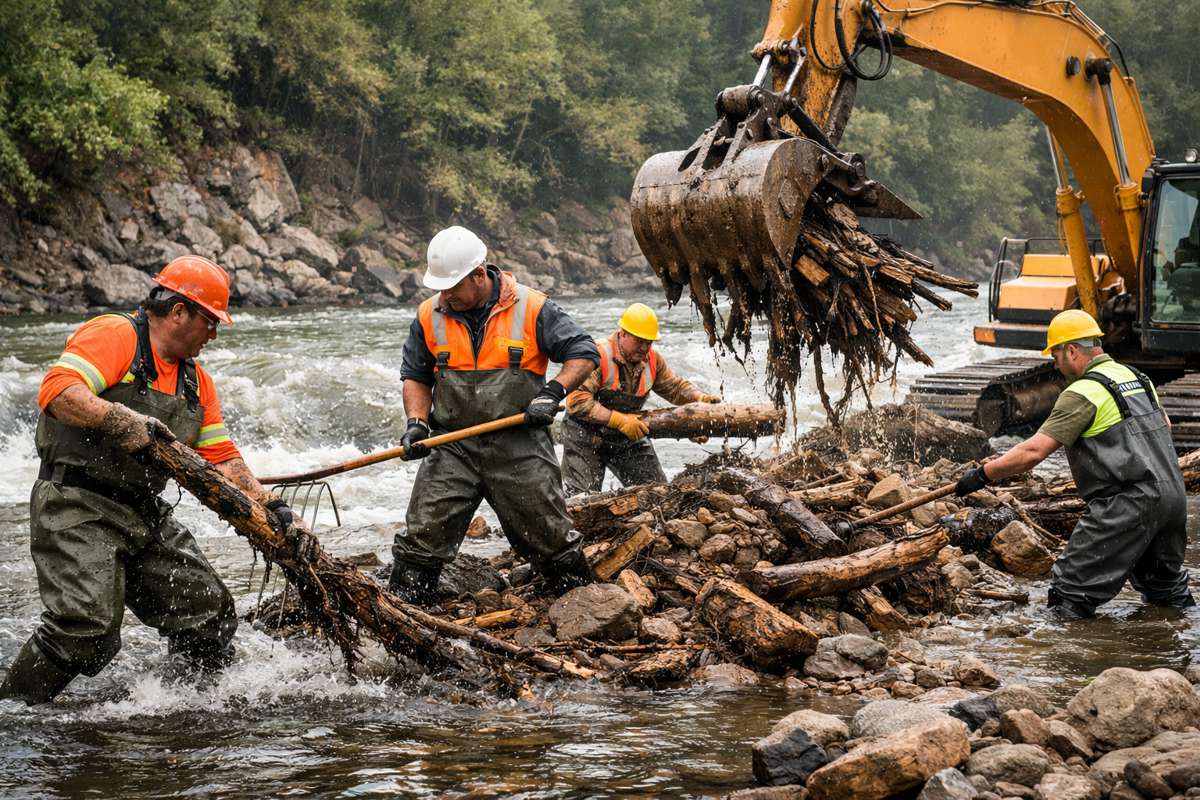
Working in drainage, road maintenance, or heavy civil engineering means spending long hours in environments where water and mud are part of the daily routine. Selecting the right protective gear is about more than just staying dry. It’s about ensuring that every member of the team can move freely and safely without the distraction of ill-fitting equipment.
When gear fits correctly, it lasts longer and performs better. Poorly chosen sizes lead to unnecessary stress on seams and material, which often results in premature leaks or tears. Understanding the balance between a comfortable fit and robust maintenance is the best way to get the most out of your equipment budget. Read our full guide to understand how to choose and maintain your professional gear effectively.
Choosing the Correct Size for Safety and Comfort
The first step in equipment longevity starts before the gear even touches the water. Many professionals make the mistake of choosing a size based solely on their standard trouser measurements. However, industrial clothing requires a different approach because you need enough internal space for thermal layers and ease of movement.
If the gear is too tight, the fabric stretches excessively at the knees and crotch when you kneel or climb. This tension eventually weakens the waterproof barrier. Conversely, if the boots or body are too large, the excess material can become a trip hazard in murky water. It’s essential to check specific size charts that account for both chest girth and height.

Features to Look for in Professional Gear
Durability in the field depends heavily on the materials used during manufacturing. High-quality PVC is a standard choice for its resistance to oils, chemicals, and general abrasion. When looking for industrial chest waders, consider reinforced knee pads and internal pockets for small tools or personal items. These features provide extra protection in high-wear areas and keep essential gear within reach.
Comfort features like H-style braces help distribute weight evenly across the shoulders. This prevents the fatigue that often comes from wearing heavy waterproofs for an entire shift. Ensure the boots have a cleated sole for grip on slippery surfaces, especially if you work on riverbeds or wet tarmac.
Daily Care and Storage Practices
How you handle your gear at the end of a shift determines how many seasons it will last. Dirt, salt, and chemicals can degrade the outer coating of waterproof fabric over time. It’s a good idea to rinse the exterior with fresh water after every use to remove abrasive particles.
- Rinse with fresh water: Wash away mud and debris that can wear down the fabric.
- Dry thoroughly: Hang the gear in a well-ventilated area away from direct sunlight.
- Inspect for damage: Check the seams and boots for small nicks or punctures.
- Store properly: Avoid folding the gear tightly, as this can create permanent creases that eventually crack.
Instead of leaving equipment in the back of a damp van, use a dedicated drying rack. Storing items inside out for a portion of the drying time helps remove internal moisture from perspiration, which prevents the build-up of odours and mildew.
Managing Minor Repairs
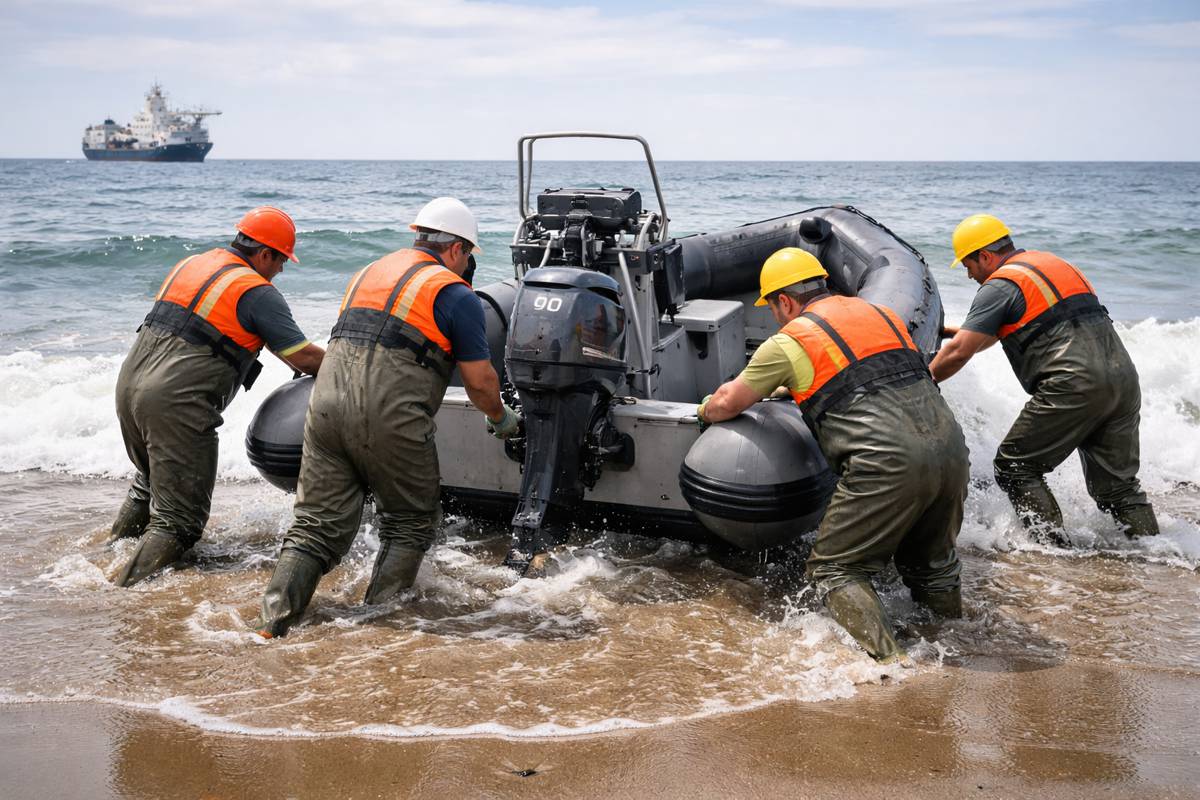
Even the toughest gear can suffer a puncture on a sharp piece of rebar or flint. Catching these issues early is the key to preventing a small hole from becoming a total failure. Most professional-grade PVC equipment can be repaired easily with a specialized patch kit.
Always clean and dry the area around a leak before applying any adhesive. Following the manufacturer’s instructions for curing times ensures the bond is strong enough to withstand the pressure of deep water. Keeping a repair kit in the site office allows for quick fixes that keep the team productive.
A Reliable Asset for Years to Come
Prioritising the fit and care of your protective clothing doesn’t just mean more comfort. It’s a practical approach to site safety and financial efficiency.
When you invest time in selecting the right size and following a consistent cleaning routine, you ensure that your equipment remains a reliable asset for years to come.