How Modern Cycle Lane Delineation Design Can Reduce Both Crash Frequency and Post-Accident Liability Disputes
Modern cycle lane design matters because many bike crashes start with confusion, not speed alone. When a lane is easy to read, people make fewer bad choices in those split seconds.
The design may even shape what happens after a crash, when insurers, lawyers, and city agencies start sorting out fault. That legal context matters when people need, for example, bicycle pothole claims explained after a crash. Many of those cases are not about a pothole alone. A rider may veer away from broken pavement, enter a poorly marked edge of the lane, and get hit by a driver who had little guidance about where bike space began.
When cycle lane delineation is clear and well-maintained, it reduces those chain reaction moments and makes it easier to sort out whether the real problem was driver error, road neglect, or both.
What Good Delineation Looks Like
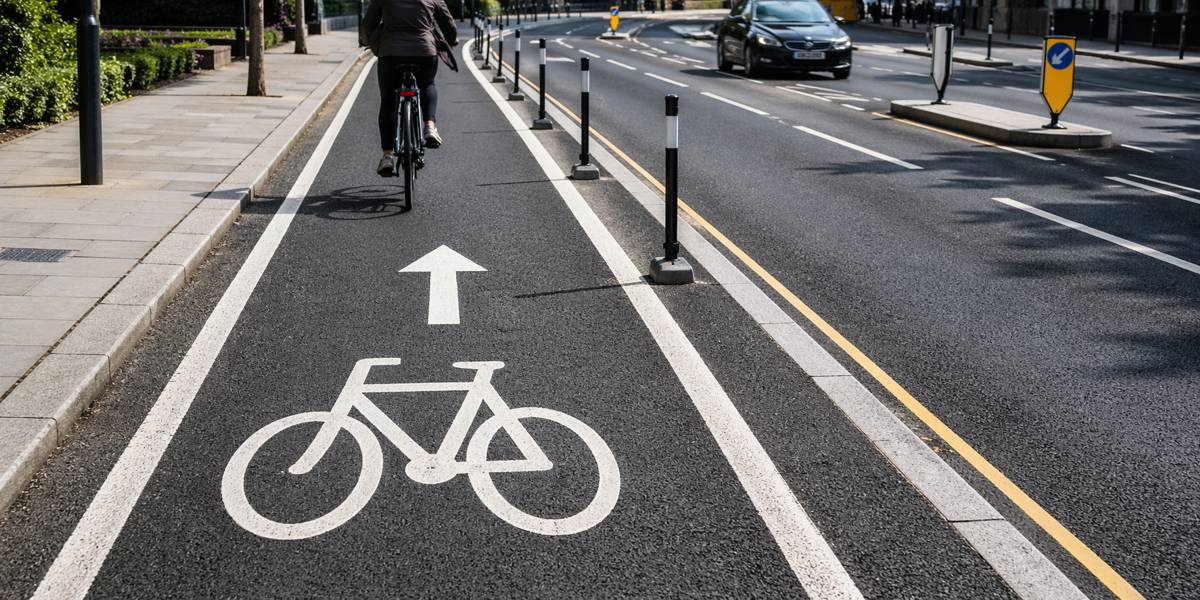
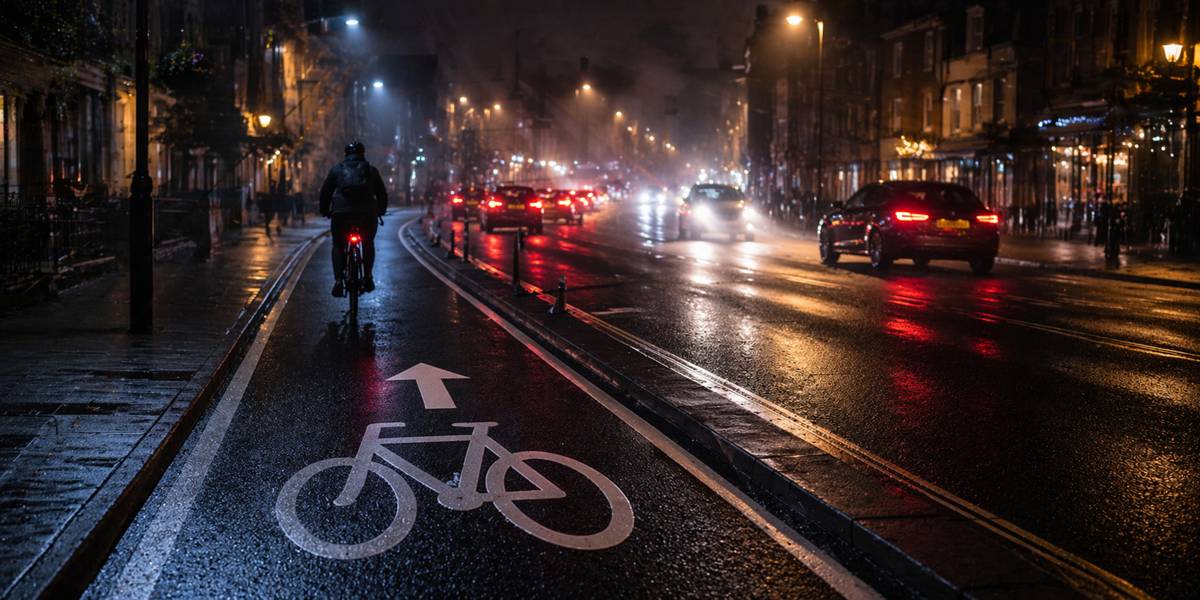
A well-delineated cycle lane works because several details support the same message from the curb to the intersection. The lane should look intentional, stay visible in different conditions, and remain easy to follow when traffic patterns become more demanding.
- A solid line helps show that the bike lane is a protected operating space, not an area drivers can use whenever it feels convenient.
- Dashed markings make more sense where movement across the lane is expected, such as at a driveway or a turn point.
- High-contrast pavement treatments can be especially useful where conflicts are more likely, including intersections, crossing points, and turn pockets.
- Buffer space gives cyclists more room to recover and gives drivers a clearer signal that the lane is separate from general traffic.
- Material choice matters too, because a lane that fades quickly becomes confusing long before anyone officially calls it unsafe.
These details affect more than appearance because they shape how people move. Clearer markings help cyclists hold a steady line in rain, low light, or heavy traffic. They also give drivers better cues about where to slow down, where to yield, and where not to enter at all.

How Better Delineation Reduces Crashes
One of the clearest safety benefits is lower turning speed. When some form of physical delineation is added, drivers tend to slow down before crossing the path of a cyclist. That matters because a slower turn gives both road users more time to see each other, judge distance, and react before contact happens. Many bike crashes happen in exactly those brief moments when a driver turns too quickly, and a cyclist has nowhere safe to go.
Better delineation also makes movement more predictable. A cyclist is easier to track when the lane remains visible and continuous through the places where conflict usually builds. Drivers have less excuse to claim they did not know where the bike space was supposed to be. Riders are less likely to leave the lane suddenly because the design does not force them into awkward merges or last-second corrections. That consistency matters because many serious crashes begin with confusion, not recklessness.
There is also a trust issue. Cyclists are much more likely to use a lane as planners intended when it remains clear, connected, and physically legible from block to block. Riders quickly lose confidence in facilities that disappear near junctions, fill with debris, or narrow beside parked cars. Once that happens, the lane stops functioning as a safety feature and becomes another source of stress.
Why Delineation Helps After a Crash
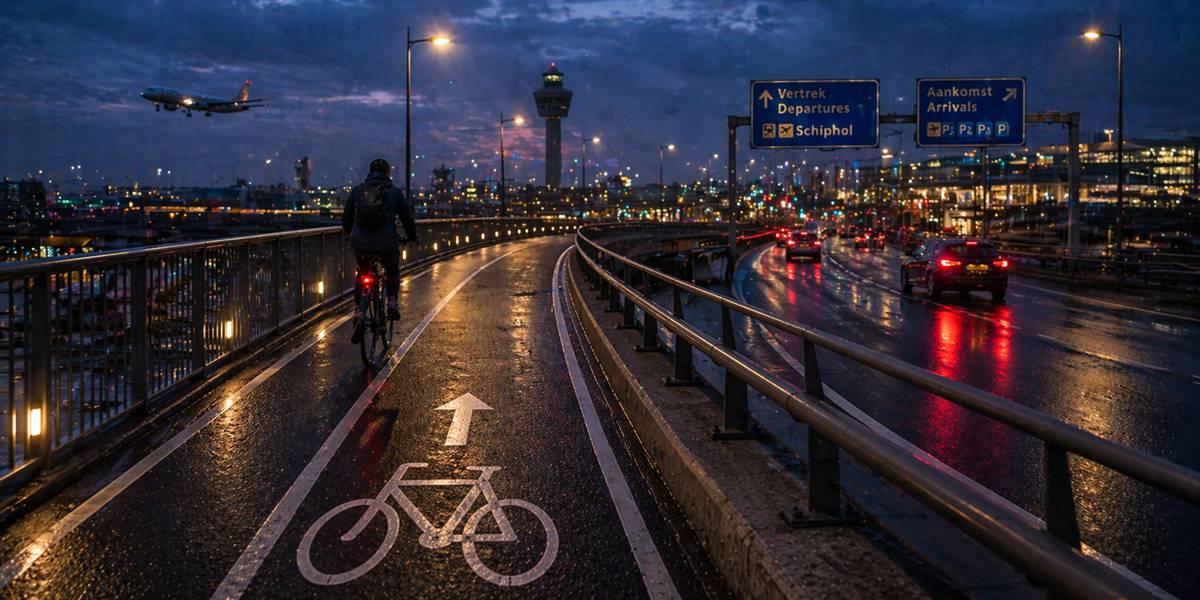
Cycle lane design still matters after the collision is over. Once lawyers, insurers, and public agencies start looking at what happened, the same design choices that affect safety also affect how easily the facts can be sorted out. A lane that is clearly marked and well-maintained gives everyone a better record of what the street was asking each road user to do.
That legal context matters in road defect cases, too. People often search for bicycle pothole claims explained after a crash, but those cases are rarely about one pothole in isolation. A rider may move away from broken pavement, reach the unclear edge of a poorly defined bike lane, and get hit by a driver who cuts across the same space.
In that kind of case, the dispute is about whether the road layout gave clear guidance, whether the lane was maintained properly, and whether the danger had been allowed to build over time.
Good delineation can show where the cyclist was expected to ride, whether a driver crossed a marked boundary, and whether missing posts, worn markings, debris, or drainage problems had already compromised the lane.
The Design Choices That Prevent Confusion
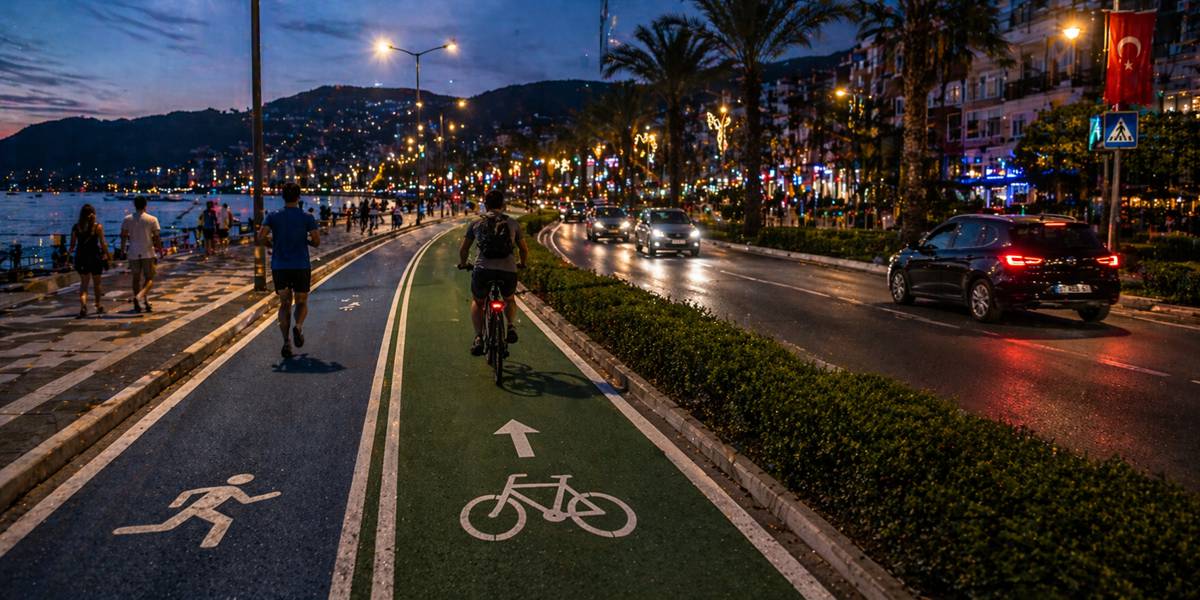
Many cycle lanes fail in intersections, driveways, parking edges, work zones, and resurfaced sections, where clear guidance often disappears. Good design keeps the lane legible through those pressure points instead of dropping separation right where stress rises.
Modern delineation helps prevent crashes, and it leaves less room for disputes built on faded markings, missing posts, blocked lanes, or unclear road design.