Open Source Robotics Gains Ground with Rebot Devarm
The steady march towards automation in construction, manufacturing and infrastructure maintenance has long been shaped by proprietary systems, high capital costs and tightly controlled ecosystems. That dynamic, however, is beginning to shift. A new generation of open-source robotics platforms is emerging, lowering barriers to entry and giving developers, engineers and innovators the tools to experiment, adapt and deploy automation at a fraction of the traditional cost.
One such example is the Rebot Devarm, an open-source robotic arm highlighted by Adafruit, a well-known platform for hardware developers and embedded systems enthusiasts. While the Devarm itself may not yet be destined for large-scale infrastructure deployment, its significance lies elsewhere. It represents a broader movement towards democratised robotics, where accessibility, adaptability and community-driven development begin to rival the dominance of proprietary industrial systems.
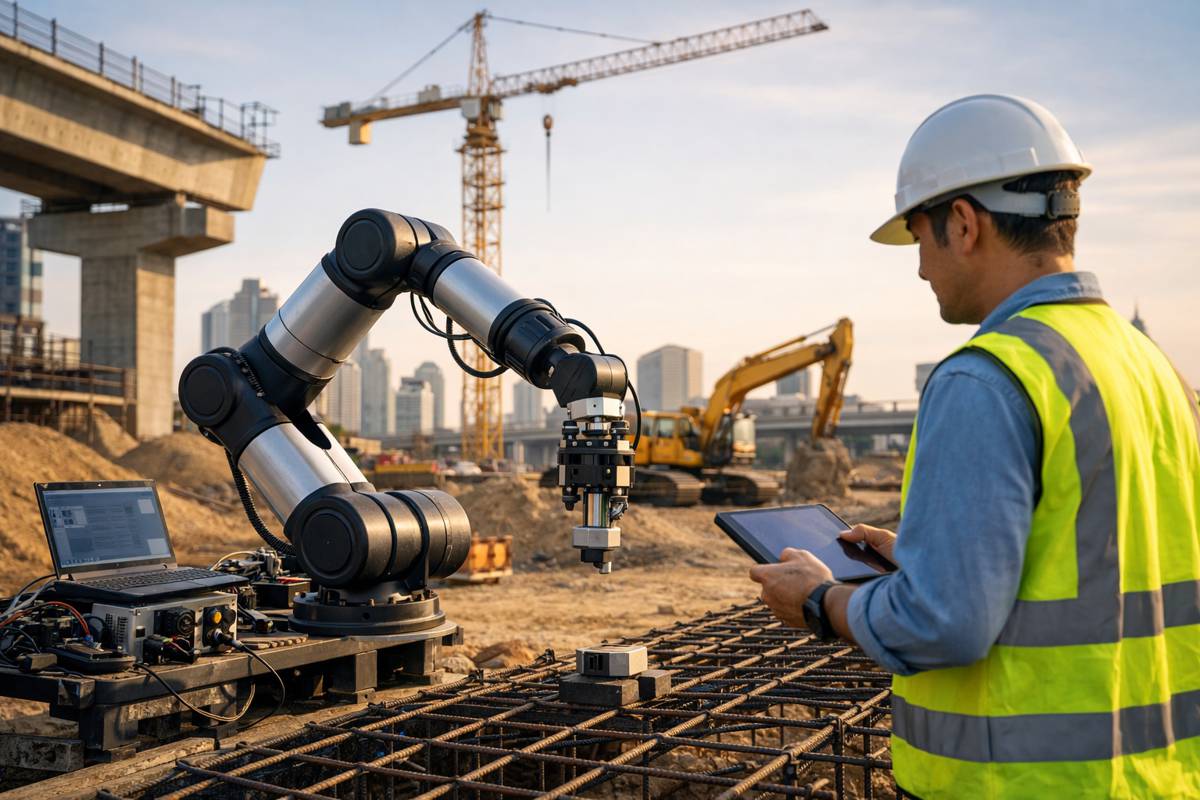
This matters for construction and infrastructure professionals more than it might first appear. As labour shortages intensify globally and project complexity increases, the industry is under mounting pressure to adopt automation. Open platforms like Devarm hint at a future where bespoke robotic solutions can be developed rapidly, tailored to niche tasks on site, and deployed without the overheads traditionally associated with robotics integration.
Briefing
- Open-source robotics platforms like Rebot Devarm are lowering barriers to automation across industries
- Developer-led ecosystems are accelerating innovation beyond traditional industrial robotics
- Construction and infrastructure sectors stand to benefit from customised, low-cost robotic solutions
- Modular hardware and accessible programming frameworks enable rapid prototyping and deployment
- The shift reflects a broader trend towards democratised engineering and decentralised innovation
A Shift Away from Closed Robotics Ecosystems
For decades, industrial robotics has been dominated by major players such as ABB, KUKA and Fanuc. Their systems are robust, reliable and proven at scale, but they also come with high costs, proprietary software environments and limited flexibility for end users. Integration often requires specialist knowledge, long lead times and significant capital investment.
The emergence of open-source alternatives challenges that model. Platforms like Devarm are designed with accessibility in mind, allowing developers to modify hardware configurations, experiment with control systems and integrate new functionalities without being locked into a vendor ecosystem. This shift mirrors what has already happened in software development, where open-source frameworks have become the backbone of innovation.
In practical terms, this opens the door for smaller engineering firms, research teams and even individual developers to contribute to robotics innovation. Instead of relying solely on large-scale suppliers, industries can tap into a global community of contributors, accelerating development cycles and reducing costs.
What the Rebot Devarm Brings to the Table
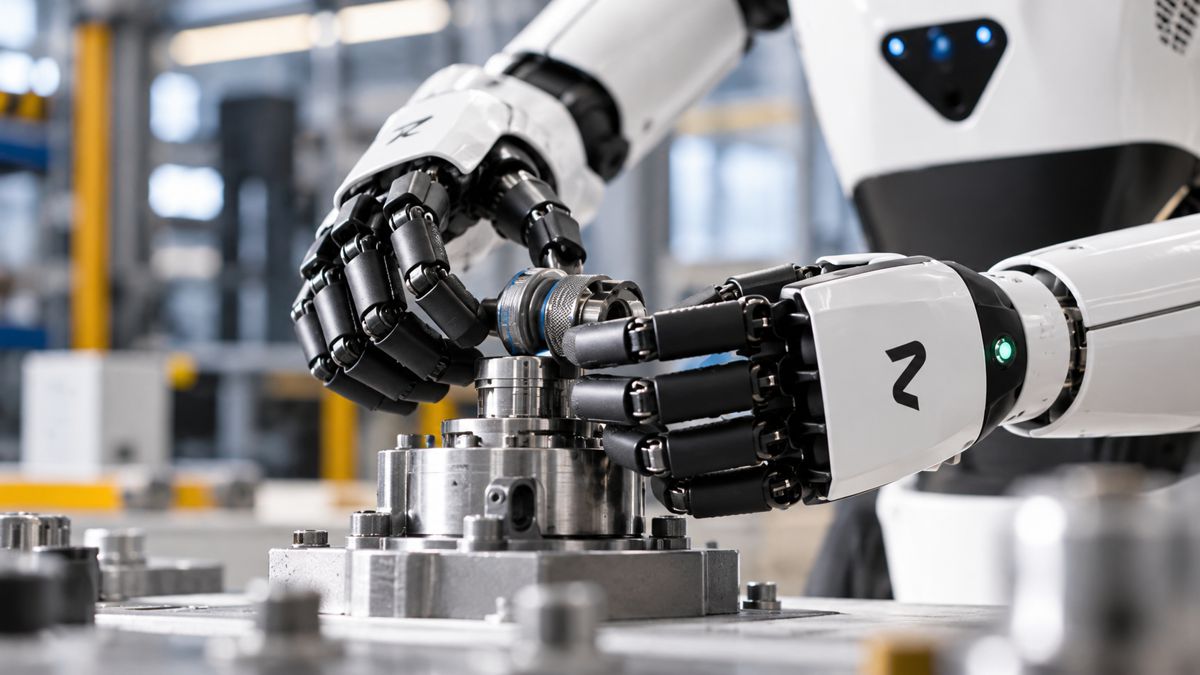
The Rebot Devarm is positioned as a developer-friendly robotic arm platform, designed to be both accessible and adaptable. Unlike traditional industrial arms, which are typically configured for specific tasks in controlled environments, Devarm is built for experimentation. Its open-source nature allows users to explore hardware modifications, customise firmware and integrate sensors or tools as required.
This flexibility is critical. In construction and infrastructure, no two projects are identical. Tasks can range from repetitive assembly to highly variable inspection and maintenance operations. A platform that can be easily adapted offers a compelling advantage, particularly for pilot projects and early-stage automation initiatives.
Moreover, the emphasis on modularity and developer engagement aligns with broader trends in engineering. Systems are no longer built as monolithic units but as interconnected components that can be upgraded, replaced or reconfigured over time. Devarm fits neatly into this paradigm, acting as a building block rather than a finished product.
Implications for Construction and Infrastructure
The construction sector has historically lagged behind manufacturing in terms of automation adoption. While robotics is widely used in automotive assembly lines, its application on construction sites remains limited. The reasons are well understood. Construction environments are unpredictable, workflows are fragmented, and margins often leave little room for experimentation.
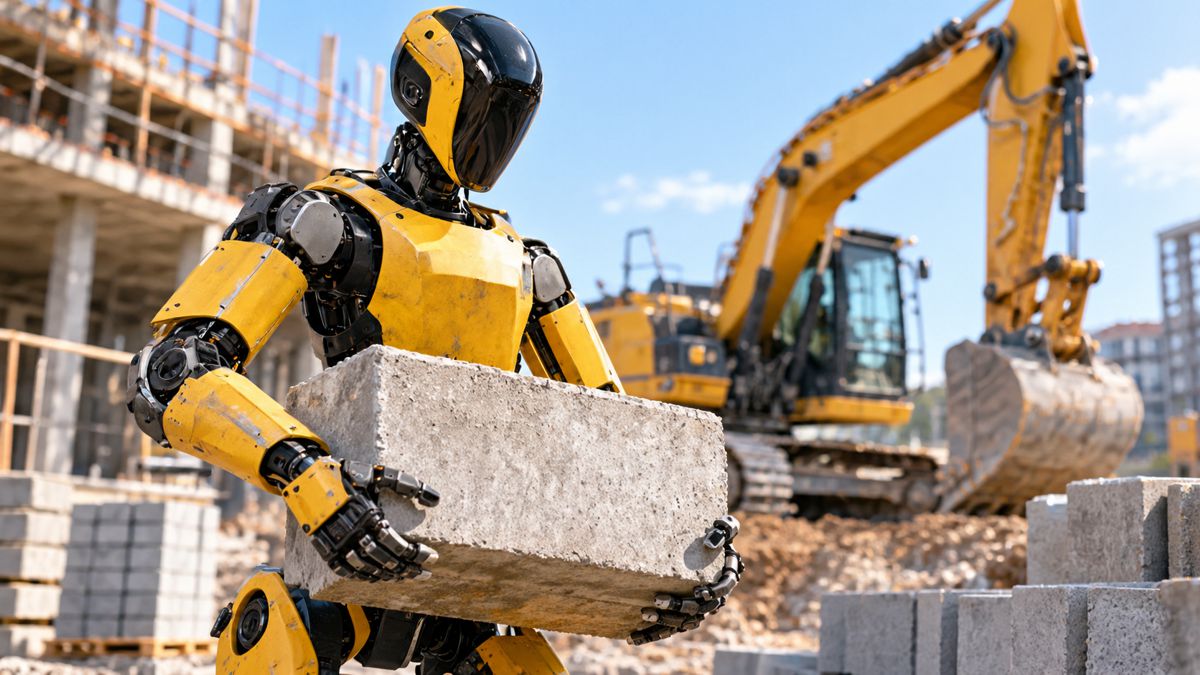
Yet, these challenges are precisely where open-source robotics could make an impact. Lower-cost platforms reduce the financial risk associated with testing new technologies. Developers can prototype solutions for specific tasks such as bricklaying, material handling or inspection without committing to large-scale investments.
There is also growing interest in robotics for infrastructure maintenance. Bridges, tunnels and highways require regular inspection, often in hazardous conditions. Robotic systems equipped with sensors and cameras can perform these tasks more safely and efficiently. Open-source platforms provide a starting point for developing such solutions, enabling engineers to tailor systems to specific environments and requirements.
The Role of Developer Communities
One of the defining characteristics of open-source technology is the role of the community. Unlike proprietary systems, where development is controlled by a single organisation, open-source platforms evolve through collaboration. Developers share code, hardware designs and best practices, creating a collective knowledge base that benefits all participants.
In the case of Devarm, the involvement of platforms like Adafruit helps amplify this effect. Adafruit has long been associated with accessible electronics and educational tools, and its engagement with open-source robotics reinforces the idea that innovation does not have to be confined to large corporations.
For construction and infrastructure professionals, this represents an opportunity to engage directly with emerging technologies. Instead of waiting for fully developed commercial solutions, companies can participate in the development process, shaping tools that meet their specific needs.
Bridging the Gap Between Prototype and Deployment
While the potential of open-source robotics is clear, challenges remain. Moving from prototype to real-world deployment is not straightforward. Construction sites are demanding environments, requiring robust, reliable systems that can operate under varying conditions.
Industrial-grade robotics providers have spent decades refining their products to meet these requirements. Open-source platforms, by contrast, are often at an earlier stage of development. They may lack the durability, precision or support infrastructure needed for large-scale deployment.
However, this gap is narrowing. Advances in materials, sensors and control systems are improving the performance of low-cost robotics. At the same time, hybrid models are emerging, where open-source platforms are used for development and testing, with successful solutions later integrated into more robust systems.
Automation and the Changing Workforce
The rise of accessible robotics inevitably raises questions about the future of work. Automation has the potential to reduce the need for manual labour in certain tasks, but it also creates new opportunities for skilled roles in programming, maintenance and system integration.
In construction, where labour shortages are already a concern, robotics could help fill critical gaps. Rather than replacing workers, these technologies are more likely to augment human capabilities, allowing teams to focus on higher-value activities while machines handle repetitive or hazardous tasks.
Open-source platforms play a role here as well. By lowering the barrier to entry, they make it easier for workers to acquire new skills and transition into technology-driven roles. Training programmes can incorporate affordable robotic systems, giving learners hands-on experience without the need for expensive equipment.
A New Phase in Robotics Innovation
The introduction of platforms like the Rebot Devarm signals a broader shift in how robotics innovation is taking place. Instead of being driven solely by large corporations, development is becoming more distributed, with contributions from startups, academic institutions and independent developers.
This decentralisation has implications beyond robotics itself. It reflects a wider trend in engineering and technology, where open systems and collaborative development models are gaining traction. For the construction and infrastructure sectors, this could lead to faster innovation cycles and more diverse solutions.
There is still a long way to go before open-source robotics becomes mainstream in construction. Issues such as standardisation, safety and integration need to be addressed. Yet, the direction of travel is clear. As technology becomes more accessible, the ability to innovate is no longer limited to those with the largest budgets.
Building Momentum for Practical Applications
Looking ahead, the real test for platforms like Devarm will be their ability to transition from experimental tools to practical solutions. This will require collaboration between developers, industry stakeholders and policymakers to ensure that innovations can be deployed safely and effectively.
Early adopters will play a crucial role in this process. By experimenting with open-source robotics and sharing their experiences, they can help identify best practices and accelerate the development of viable applications. Over time, this could lead to a new generation of robotic systems designed specifically for the challenges of construction and infrastructure.
For now, the significance of the Rebot Devarm lies not in its immediate capabilities, but in what it represents. It is part of a growing ecosystem that is redefining how robotics is developed and deployed. For an industry facing increasing pressure to modernise, that shift could prove to be transformative.