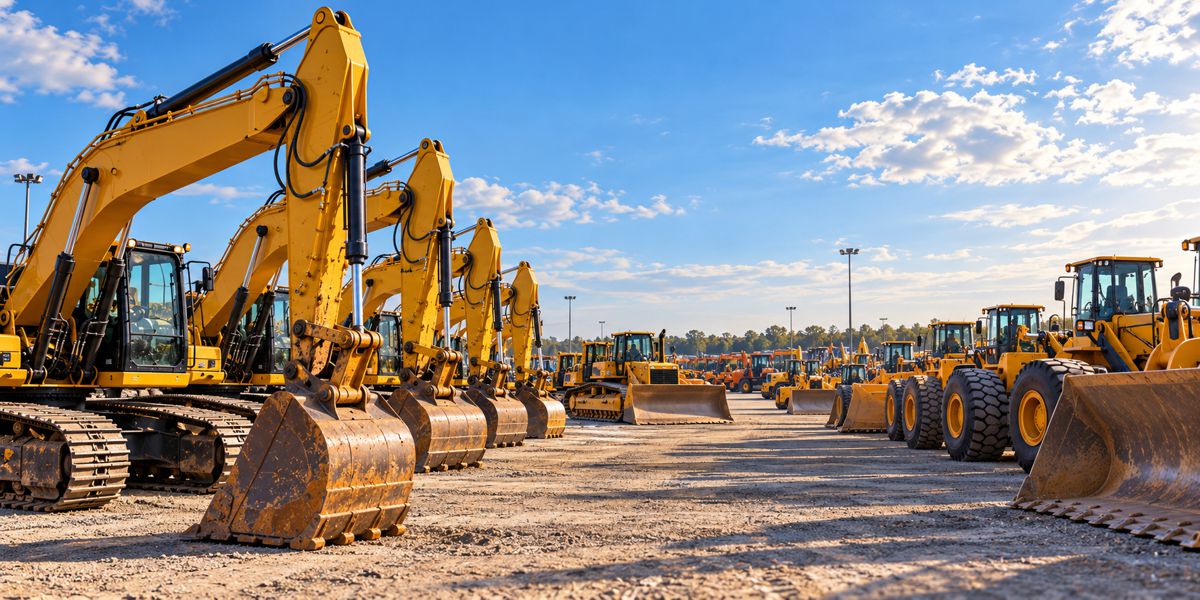
Where Do Electrical Equipment and Civil Construction Meet on Major Projects?
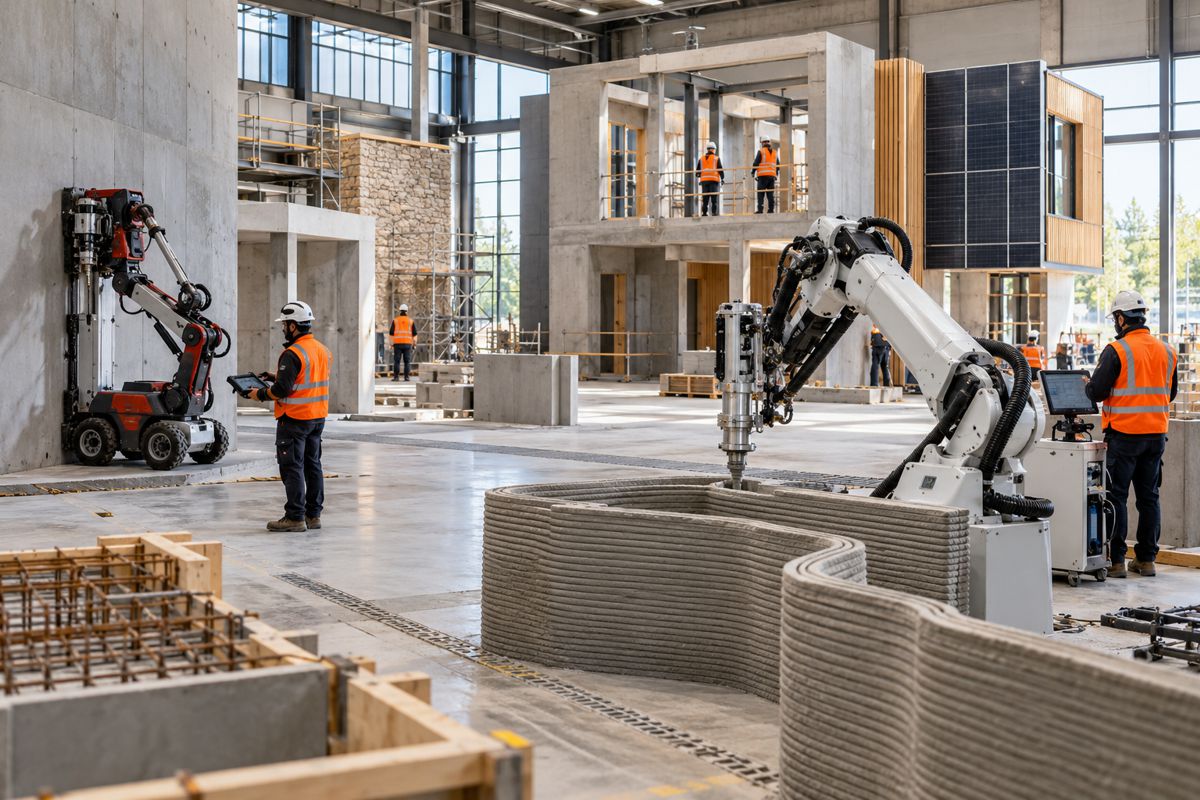
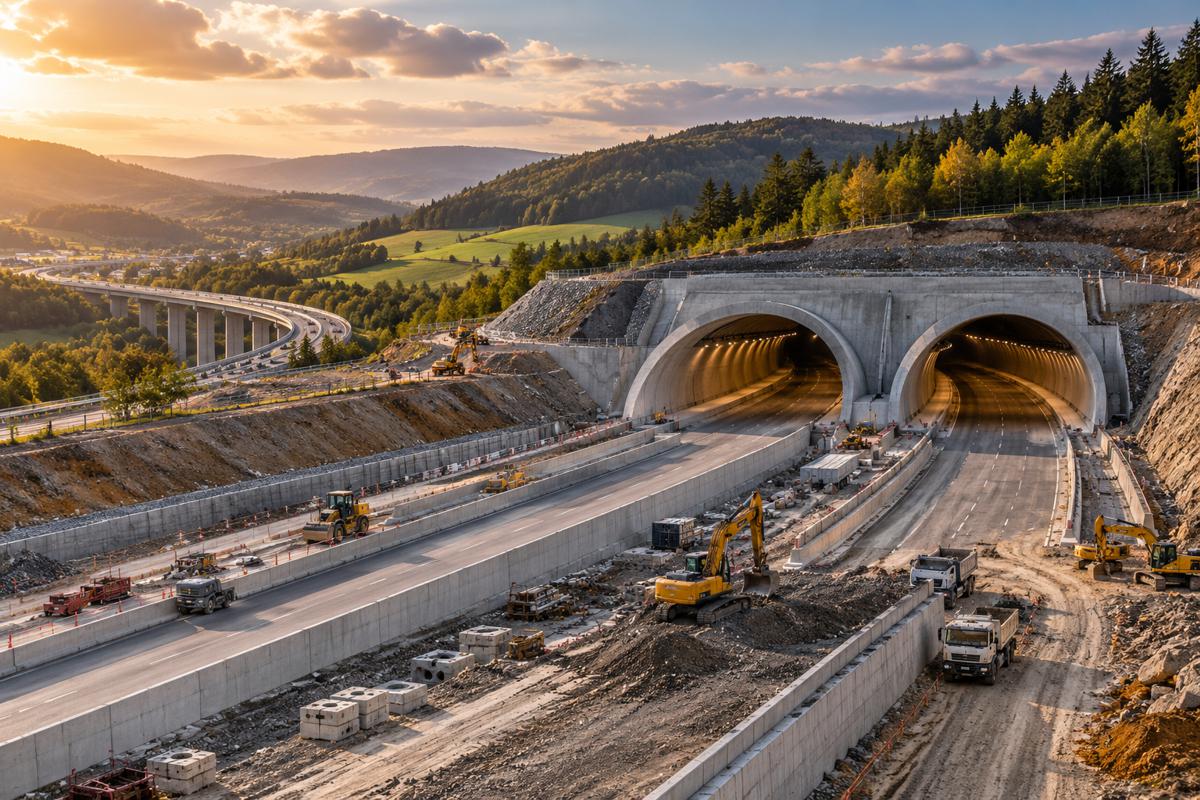
Large infrastructure projects depend on many disciplines moving toward the same goal. Civil teams plan roads, foundations, drainage, and site access, while electrical teams focus on the systems that will support the finished facility. These areas often meet earlier than project teams expect.
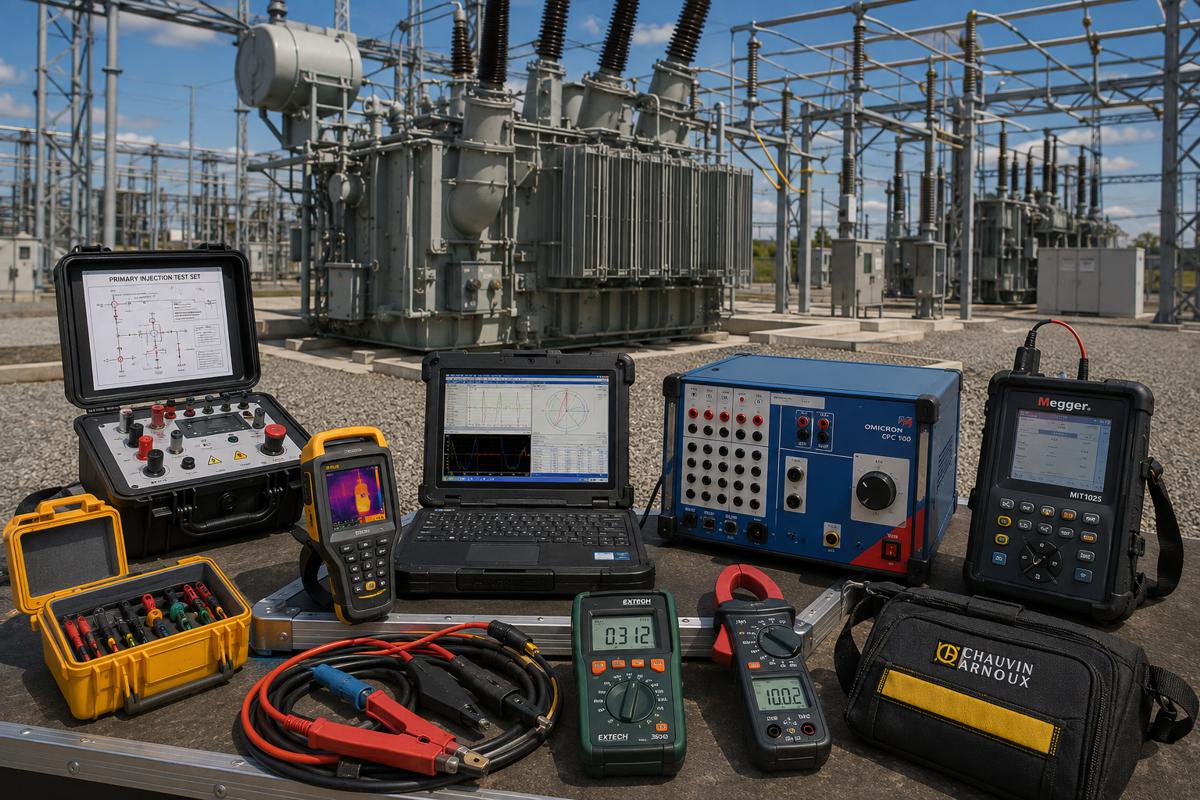
Major assets such as substation transformers can affect equipment locations, access routes, foundations, delivery planning, and construction schedules. Bringing civil and electrical teams into the same conversations early can help the wider project develop around clear requirements.
Start Coordination During Site Planning
The location of major electrical equipment can influence several parts of a site plan. Space must be considered alongside buildings, internal roads, utility routes, drainage features, and other infrastructure. If electrical requirements enter the discussion late, teams may have fewer practical ways to adjust the site.
Early coordination gives civil engineers, electrical engineers, owners, and contractors an opportunity to identify these interfaces while plans are still developing. Each discipline remains responsible for its own technical decisions, but sharing requirements early helps the project team understand how those decisions affect the site as a whole.
Treat Access as a Design Consideration
A route that works for everyday site traffic may not suit every stage of construction. Large electrical equipment can create specific transport and handling needs, so access deserves attention before delivery becomes an immediate concern.
Project teams can consider how equipment will reach its planned location while roads, gates, work zones, and staging areas are being developed. Logistics professionals and qualified contractors can then assess the specific delivery requirements. This coordination helps prevent the equipment route from becoming an afterthought once other parts of the site are already built.
Connect Equipment Requirements With Civil Works
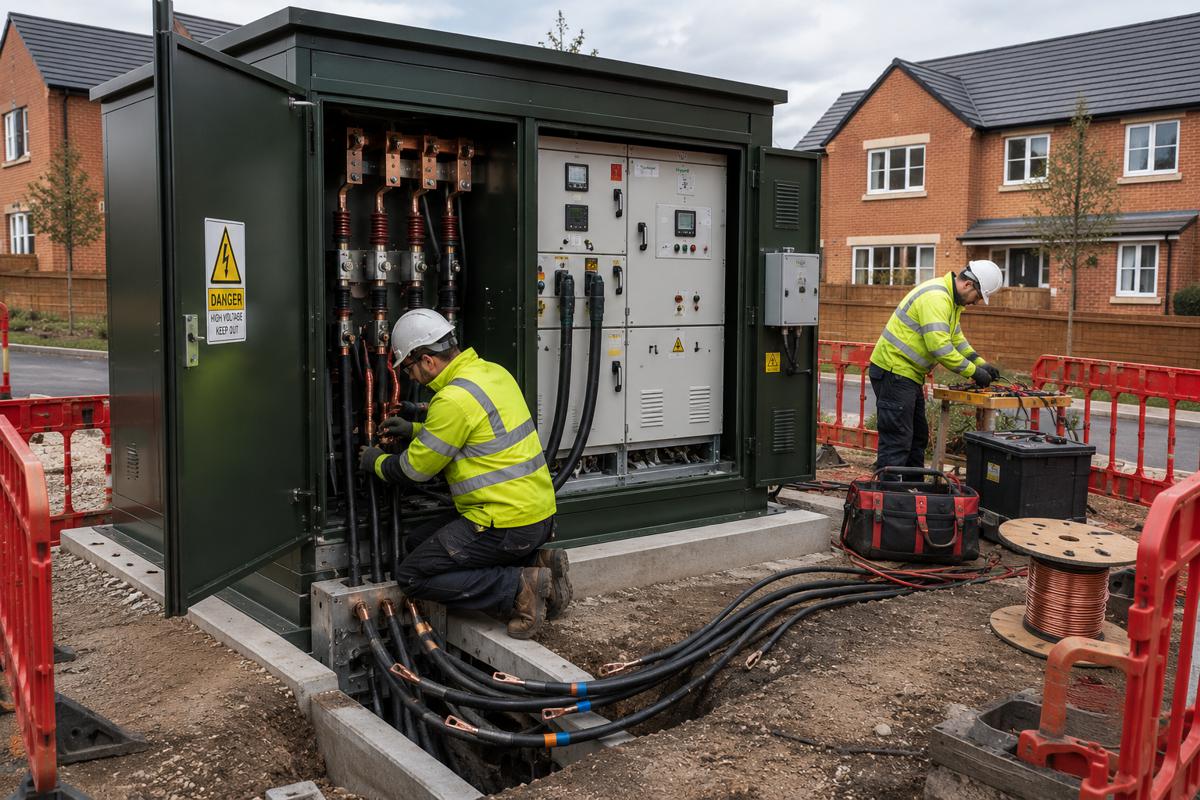
Electrical equipment often depends on civil work being ready at the right time. Foundations, equipment areas, access, drainage, and related site infrastructure may need to align with the requirements established by the project’s engineers and equipment information.
This creates an important handoff between disciplines. Civil teams need accurate inputs, while electrical teams need to understand the constraints of the site. Clear documentation and regular coordination can help both groups work from current information as the design develops.
Bring Procurement Into the Project Schedule
Major electrical equipment can have procurement timelines that differ from many standard construction materials. That makes procurement relevant to the master schedule, especially when later activities depend on electrical infrastructure being available.
Owners, EPC teams, contractors, engineers, and suppliers benefit from discussing equipment needs early enough to understand likely timing. If the schedule changes, those teams can review the effect on civil work, delivery, installation planning, and commissioning. This keeps procurement connected to project delivery rather than treating it as a separate purchasing task.
Plan the Delivery Before the Site Gets Busy
Construction sites change constantly. Open areas become occupied by materials, temporary facilities, completed structures, and active work zones. A delivery path that appears simple during early construction may become difficult later.
Planning major equipment deliveries as part of the wider logistics strategy can reduce these conflicts. Project teams can consider expected delivery windows, staging needs, site access, and other construction activities. The specialists responsible for transport and handling can then develop the detailed plan based on actual equipment and site conditions.
Coordinate Underground and Aboveground Infrastructure
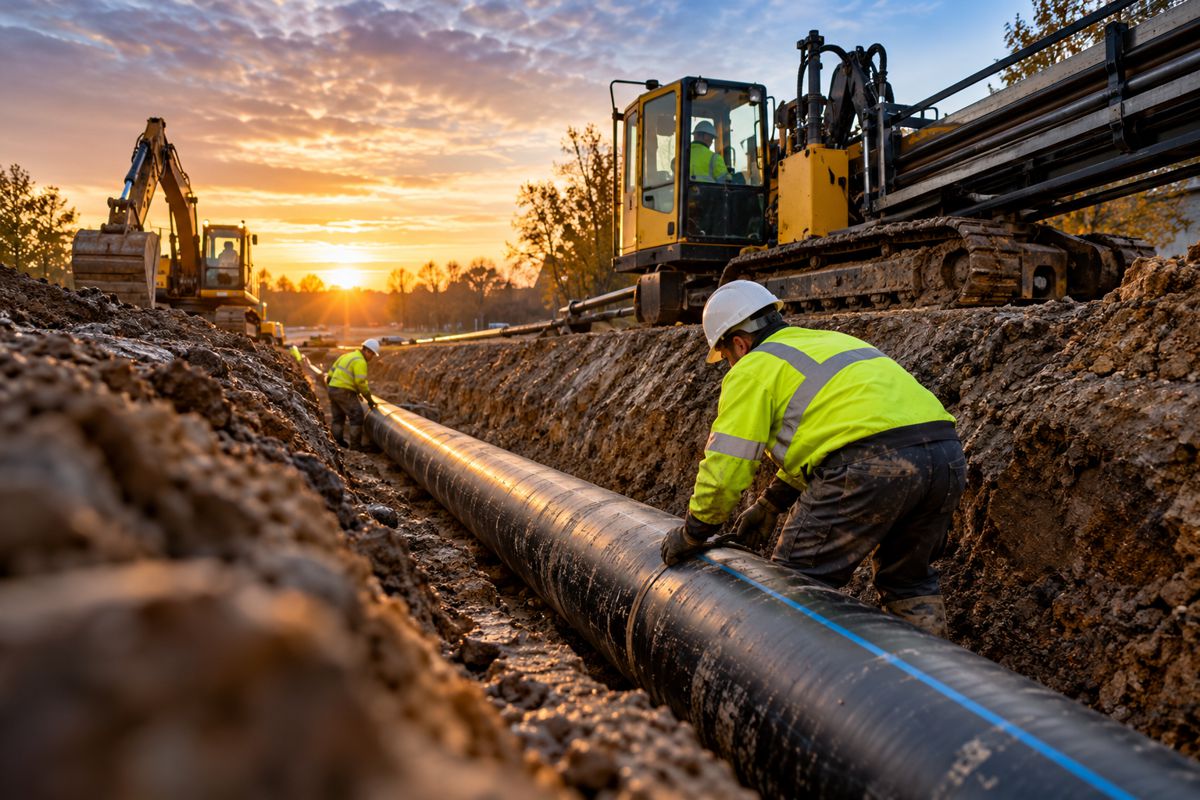
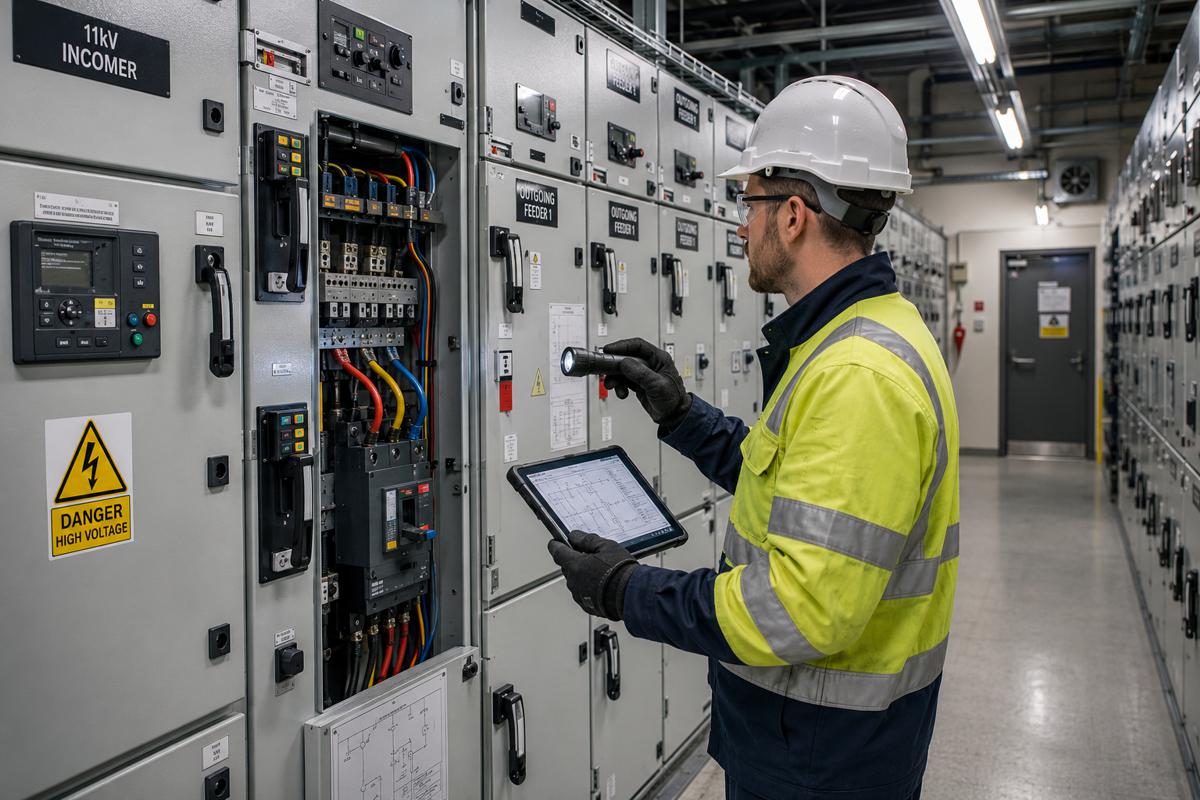
Large projects often contain many systems competing for space. Electrical routes may need to coexist with drainage, communications, water, structural elements, roads, and other utilities. Changes in one area can create consequences elsewhere.
Good coordination helps teams identify these interfaces before construction makes them harder to resolve. Shared models, current drawings, coordination meetings, and clear responsibility for updates can support this process. The purpose is not to remove every change, since complex projects will continue to evolve, but to make important conflicts visible while teams still have workable options.
Keep Construction Sequencing in View
The order in which work happens matters. Civil work may need to reach a certain stage before electrical equipment can arrive, while later construction may depend on that equipment area being complete or accessible. These relationships should appear in the project schedule.
Sequencing discussions are especially useful when several contractors share the same part of a site. Teams can identify when access must remain open, when foundations or surrounding work need to be ready, and when other activities could interfere with planned electrical work. This creates a clearer picture of how separate scopes connect.
Prepare for Commissioning Early
Commissioning may occur near the later stages of a project, but preparation for it begins much earlier. Documentation, equipment schedules, completion of related work, access, and coordination among project participants can all influence how smoothly that stage progresses.
Project teams can support the process by keeping records current and tracking dependencies as construction moves forward. When civil and electrical teams understand what must be complete before commissioning activities begin, the final stages of the project become easier to coordinate.
Leave Room for Future Infrastructure
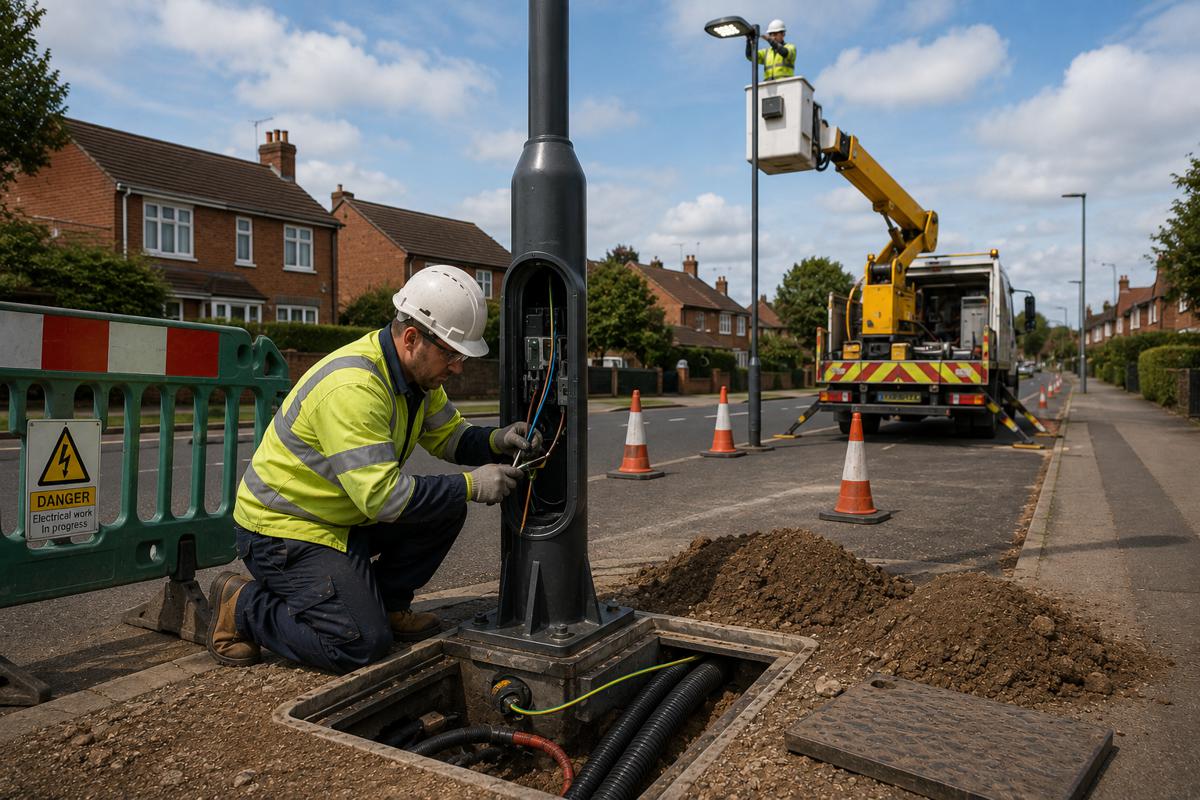
Infrastructure projects often evolve after their first phase. Industrial sites may expand, data facilities may add capacity, and utility or commercial developments may gain new buildings or equipment. Early planning can acknowledge that future change even when the details are not yet known.
This does not mean designing electrical systems for uncertain requirements. It means discussing likely development plans with the qualified professionals responsible for the project. Site layouts, access, and other civil decisions can then consider whether today’s choices could limit practical options later.
Make Coordination Part of the Infrastructure
Electrical and civil construction meet in more places than equipment foundations. They intersect through access, logistics, procurement, utility routes, schedules, site organization, and commissioning. These connections make coordination a core part of major project delivery.
When project teams identify those interfaces early, each discipline can make decisions with a better understanding of the wider project. The result is a clearer path from design through construction, with fewer important requirements appearing after the site has already taken shape.