Used Equipment Supply Tightens as European Buyer Demand Accelerates
Demand for used tractor units across Europe rose 72% year-on-year during the second quarter of 2026 while the number advertised for sale fell by 26%. Few figures capture the current condition of Europe’s secondary equipment market quite so neatly.
Ritchie Bros.’ latest European Market Trends Report shows similar pressures across construction machinery, access equipment and agriculture. Buyer enquiries are strengthening in several categories while available inventory contracts, supporting prices and increasing competition for well-specified machines.
The picture is not uniform. Crawler excavator prices remained broadly stable, tractors appear to be finding firmer ground after an earlier correction, and some of the strongest auction results partly reflect changes in the age and hours of equipment being sold. Even so, the direction across several major categories is difficult to miss: buyers have fewer machines to choose from.
Briefing
- European buyer demand for used tractor units increased 72% year-on-year in Q2 2026 while listings fell 26%.
- Scissor lift demand increased 24%, accompanied by a 13% rise in auction prices despite older, higher-hour machines being sold.
- Crawler excavator auction volumes rose 14%, with prices broadly stable and machines carrying fewer hours than a year earlier.
- Tractor listings on Mascus declined 19%, while median auction prices stabilised at just under €27,000.
- The Netherlands, UK, Germany, Sweden and Spain remain important centres of European secondary equipment demand, while Romania has entered the top five auction buyer markets for tractor units.
Tractor Units Face the Sharpest Squeeze
Tractor units provide the clearest example of the imbalance. A 72% increase in buyer enquiries has coincided with a 26% contraction in listings, putting considerably more interest against a smaller pool of available vehicles.
That comes as Europe’s wider truck market begins to recover. EU truck registrations increased 9.8% during the first half of 2026, according to ACEA, with heavy-truck registrations up 11.1%. Poland recorded particularly strong growth, with new truck registrations increasing 25.9%.
The used market nevertheless remains fundamental to European fleet renewal. Around 6.2 million trucks operate on EU roads and their average age is approximately 14 years, leaving an enormous installed fleet in which replacement, expansion and disposal decisions are continually feeding the secondary market.
Ritchie Bros.’ regional figures show how widely that market now extends. Spain remained the leading auction buyer market for tractor units during the quarter, while Romania moved into the top five. The Netherlands led Mascus buyer enquiries.
There is no simple east-west division in those figures. Instead, they show a secondary truck market operating increasingly across national borders, with equipment capable of finding demand well beyond the country in which it enters the market.
Access Equipment Prices Strengthen
Scissor lifts produced another conspicuous set of figures. Buyer demand increased 24% year-on-year, the strongest growth among the equipment categories covered by the report, while median auction prices rose 13%.
Those higher prices were achieved even though the machines sold were older and had accumulated more operating hours than those changing hands a year earlier. Age and utilisation would normally weigh on residual value, making the increase particularly striking.
Boom lifts followed a somewhat different pattern. Median auction values increased 10%, although the machines sold were also a year younger at the median.
The Netherlands was particularly active, leading Mascus buyer enquiries for both boom lifts and scissor lifts and appearing among the leading auction markets for access equipment. Spain also featured consistently among the top three.
For rental fleets, stronger secondary values complicate the familiar decision over when to dispose of equipment. Keeping an ageing machine generates additional rental revenue, but there comes a point when a strong resale market makes releasing the capital more attractive, particularly if buyers are prepared to accept higher age and hours.
Excavators Remain Steady
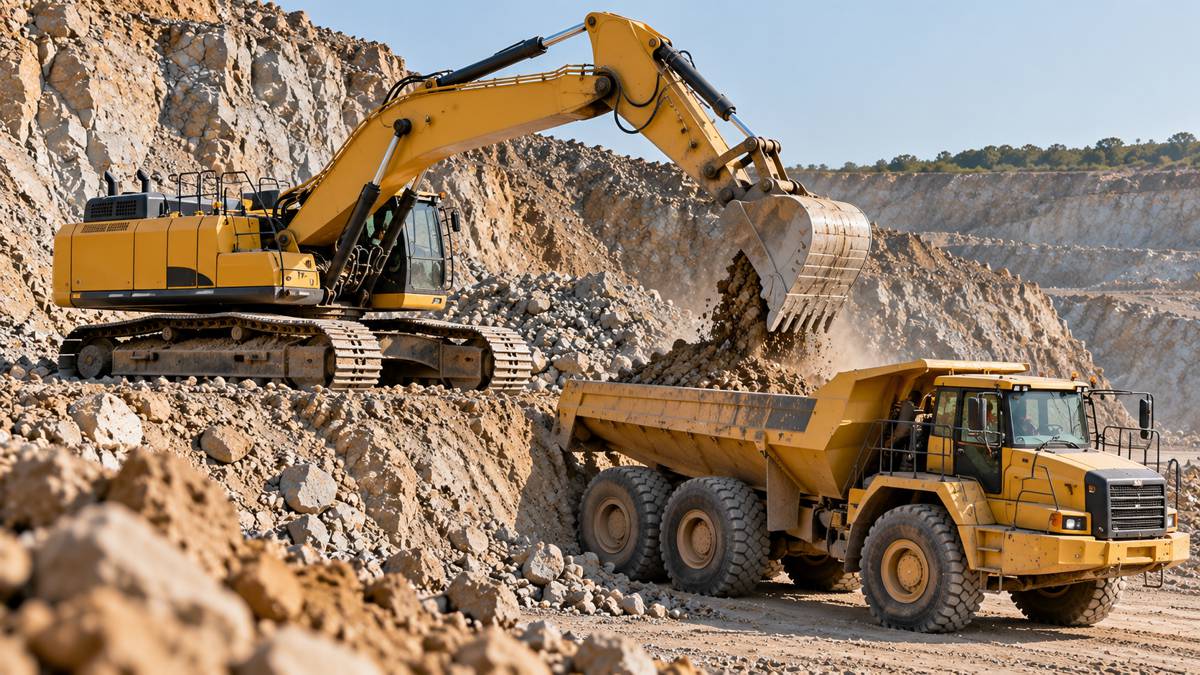
Crawler excavators present a more measured picture. Auction sales increased 14% year-on-year during Q2 while prices remained broadly stable. The machines being sold, however, carried fewer hours than those auctioned during the equivalent period last year.
Buyers were therefore obtaining fresher equipment for approximately the same money rather than simply paying more for the same type of asset.
The UK led buyer enquiries for crawler excavators and retained its position as the leading auction buyer market for the category for a second consecutive year. That consistency makes Britain an important outlet for European sellers, particularly for mainstream excavator classes that can move readily between contractors, rental fleets and dealers.
The wider European construction equipment market is also recovering gradually. CECE reported a 4.6% increase in European equipment sales during 2025 following the much steeper contraction of 2024, while its July 2026 business barometer showed improving expectations.
The used excavator figures fit comfortably within that cautious recovery rather than suggesting an outright boom.
Agricultural Equipment Supply Contracts
Agriculture shows the same inventory constraint from another direction. Tractor listings on Mascus declined 19% year-on-year during the second quarter.
Median auction prices nevertheless remained broadly stable at just under €27,000, following the sharper correction seen earlier in the year.
Germany and Sweden led tractor enquiries on Mascus during the quarter, maintaining Northern Europe’s importance to the agricultural equipment trade.
Used agricultural machinery is particularly sensitive to specification, condition and regional requirements, so median prices reveal only part of the market. Falling listings nevertheless narrow the choices available to buyers and can force them to search further afield for the right machine.
Europe’s Used Equipment Market Becomes More International
The recurring feature across the report is the interaction between demand and limited inventory rather than price inflation alone.
A scarce market does not make every machine valuable. Service history, condition, hours, specification and documentation remain fundamental, particularly when equipment is being purchased remotely or across borders. What scarcity does change is the number of alternatives available to a buyer when the right machine appears.
That gives fleet owners an interesting calculation during the remainder of 2026. Equipment that might ordinarily remain in service could command an attractive secondary value, but selling into a strong market is only half the decision if the replacement asset is itself becoming harder to source.
“Across Europe, we’re seeing a market where buyer demand consistently outpacing the supply of quality used equipment,” says Ghislaine Duijmelings, International General Manager at Ritchie Bros. “This creates a significant opportunity for businesses looking to sell, but taking full advantage of these conditions requires more than market timing. It requires the right partner to provide market insight, connect sellers with a global network of buyers, and manage every step of the sale process. As market conditions continue to evolve, having the right expertise and access to international demand can make a meaningful difference when bringing equipment to market.”
Ritchie Bros. is positioning its auctions, marketplaces and local teams around that opportunity through its Super September campaign, encouraging European asset owners to bring machinery to market while international demand remains strong.
Behind the campaign sits a more interesting development. Digital marketplaces have steadily expanded the geographical reach of Europe’s secondary machinery trade, allowing a truck, excavator, lift or tractor to be exposed to buyers far beyond its domestic market. The physical supply of equipment has not expanded with it.
That combination makes good used machinery increasingly visible, increasingly tradeable and, in several important categories, increasingly difficult to replace.
Key Industry Questions
- How much has European demand for used tractor units increased? Ritchie Bros. recorded a 72% year-on-year increase in buyer demand during Q2 2026 while listings declined 26%.
- Are used equipment prices rising across every category? No. Scissor lifts and boom lifts recorded higher median auction prices, while crawler excavator and tractor prices remained broadly stable.
- What happened to scissor lift prices? Median auction prices increased 13% even though the machines sold were older and carried more hours than those sold a year earlier.
- How is the crawler excavator market performing? Auction sales increased 14% year-on-year while prices remained broadly stable. Machines sold during Q2 carried fewer hours than a year earlier.
- Which countries are particularly active in the European used equipment market? The Netherlands was prominent in access equipment and tractor units, the UK led crawler excavator demand, Germany and Sweden led tractor enquiries, and Spain remained an important auction market.
- What is happening to agricultural tractor supply? Tractor listings on Mascus fell 19% year-on-year during Q2, while median auction prices remained broadly stable at just under €27,000.
- Does tighter supply automatically favour every seller? No. Condition, specification, age, hours, documentation and location still influence demand and value. The supply-demand balance is nevertheless favourable in several categories.
- Why is cross-border demand becoming more important? A wider geographical buyer pool gives sellers access to demand outside their domestic market and gives buyers more places to search when local inventory is limited.
Strategic Takeaways
- Tractor units show the clearest imbalance, with buyer demand rising sharply while advertised supply contracts.
- Scissor lifts provide strong evidence of demand pressure because prices increased despite older, higher-hour machines reaching auction.
- Crawler excavators are experiencing stronger transaction activity without corresponding price inflation.
- Contracting inventory makes disposal and replacement decisions increasingly interconnected for fleet owners.
- Europe’s used machinery market is becoming more international as digital platforms expose equipment to a wider pool of buyers.