Costa Rica Turns to Firm Power to Protect its Renewable Grid
Costa Rica is preparing to add 200 MW of firm thermal generation to one of the world’s most renewable electricity systems.
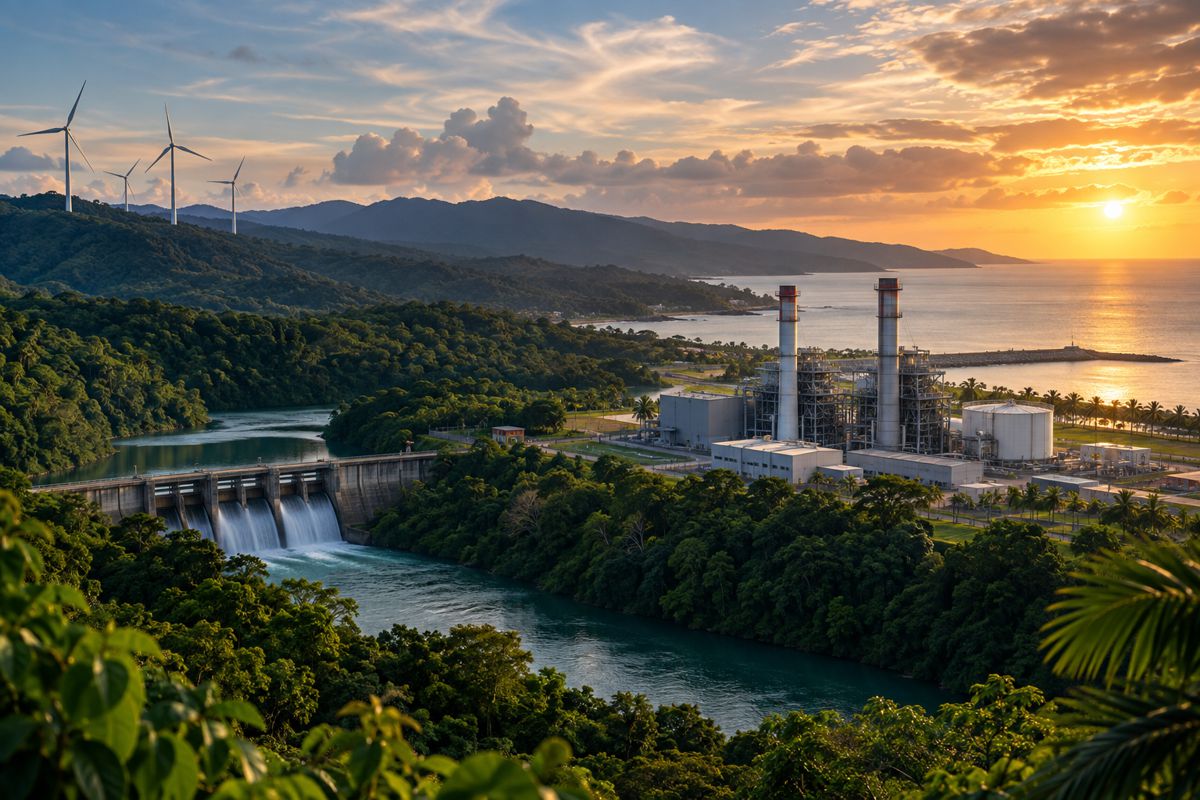
The Moín IV project in Limón Province forms the largest part of a US$485 million energy security programme financed by the Central American Bank for Economic Integration (CABEI). It will be accompanied by the much smaller Río Piedras Hydroelectric Project in Guanacaste, combining dispatchable generation with additional renewable capacity as Costa Rica strengthens the reliability of its national grid.
The investment comes from a country that produced 98.6% of its electricity from renewable sources in 2025, according to the Instituto Costarricense de Electricidad (ICE), with clean resources supplying 97.3% of domestic electricity demand. Hydro, geothermal, wind, biomass and solar generation all contribute to the system, but their availability is not constant. Dry conditions have already demonstrated how quickly the balance can tighten when hydroelectric output falls.
Briefing
- CABEI has approved US$485 million for Costa Rica’s Energy Security and Sustainability Program.
- The 200 MW Moín IV thermal power project will provide firm generation for the national electricity system.
- ICE estimates Moín IV will cost approximately US$400 million and enter commercial operation in 2030.
- The Río Piedras Hydroelectric Project will have capacity of up to 7 MW and estimated average annual generation of 40.29 GWh.
- Costa Rica produced 98.6% of its electricity from renewable sources during 2025.
Firm Generation at Moín
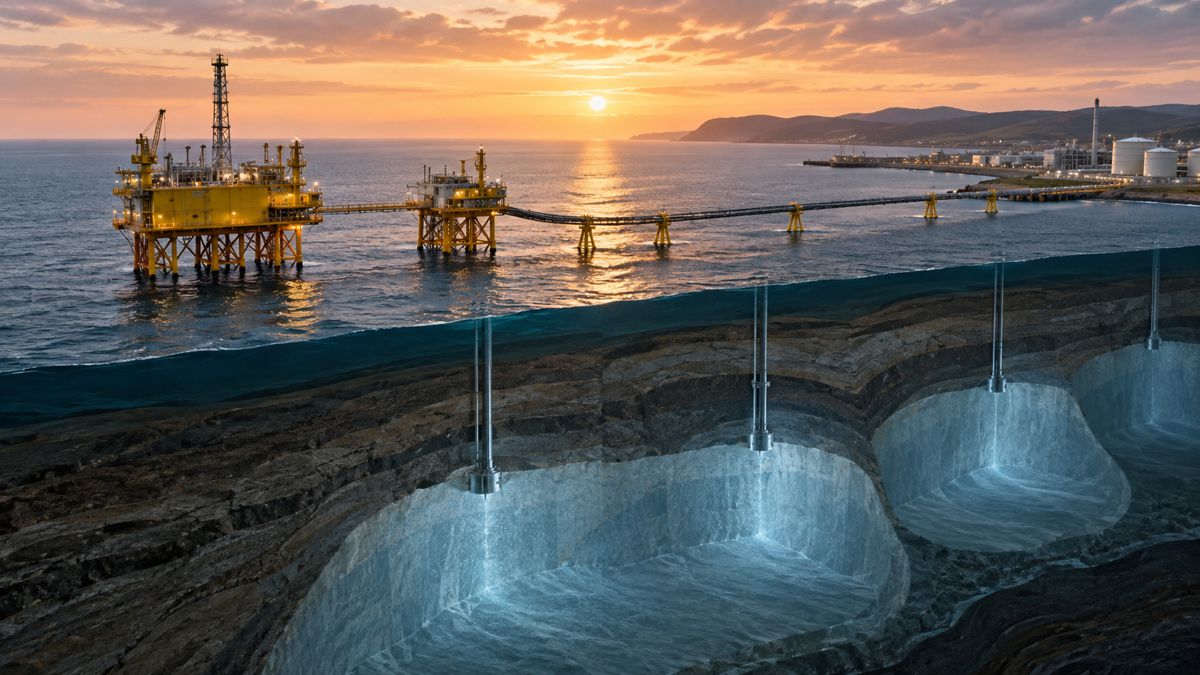
Moín IV is intended to provide 200 MW of firm generation to the Sistema Eléctrico Nacional. CABEI describes it as a dual-fuel plant, while ICE places the project within its programme to provide dependable thermal capacity as more renewable generation enters the system.
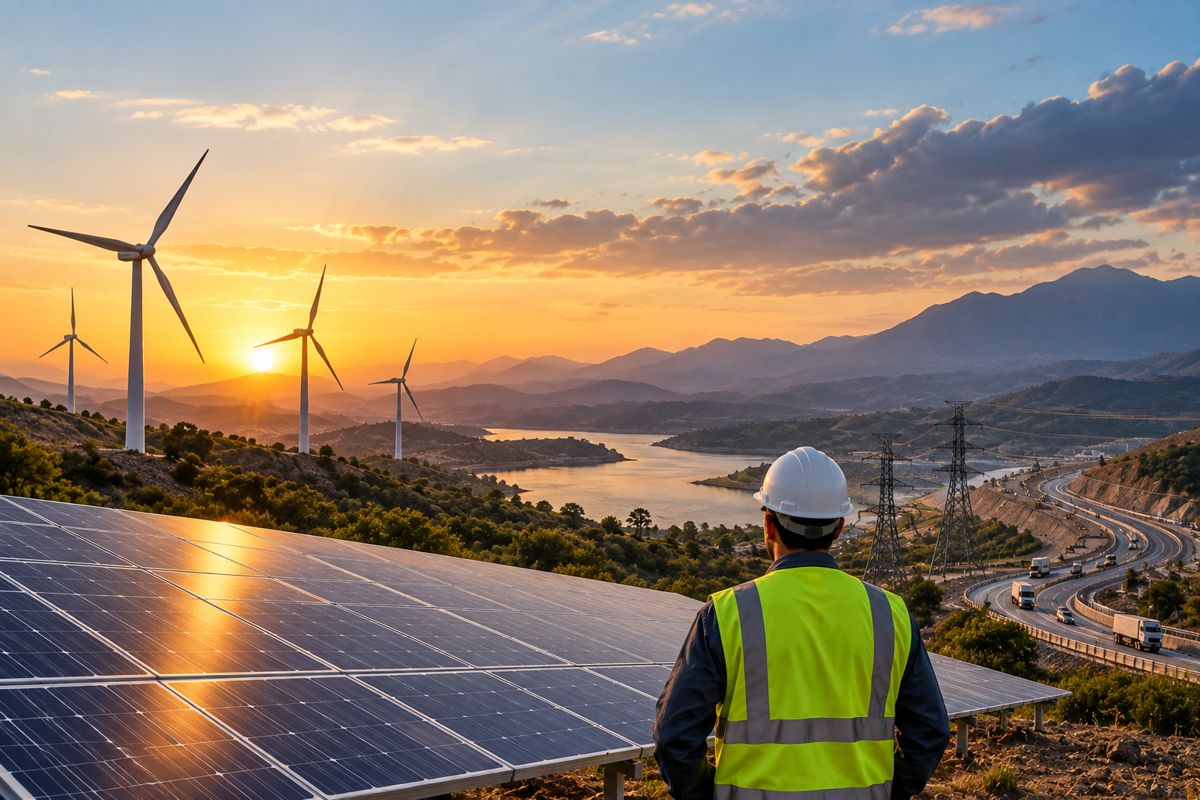
Firm generation occupies a different role from simply adding nominal generating capacity. Electricity has to be available when required, including during dry periods, low winds, maintenance outages and unexpected disruptions. In a system with a large proportion of weather-dependent generation, dispatchable plant provides operators with capacity that can be called upon when renewable output falls.
Costa Rica encountered that problem during the El Niño conditions affecting 2023, when dry weather and reduced river flows constrained hydroelectric generation. Renewable resources still accounted for 94.91% of national electricity production that year, but only 91.29% of domestic demand was covered by renewable energy once imports and exports were taken into account.
ICE responded through reservoir management, private generation, electricity imports and temporary thermal capacity. Conditions subsequently improved, with renewable generation climbing to 98.6% in 2025 and clean resources supplying 97.3% of domestic demand.
The difference between those years exposes an important characteristic of a power system built heavily around natural resources. A very high annual renewable percentage does not guarantee that the same generation will be available through every hour, season or weather cycle.
ICE estimates Moín IV will require investment of approximately US$400 million. Construction is expected to begin in 2026, with commercial operation planned for 2030. The utility has also linked the project directly to the integration of additional wind and solar generation, giving the national system firm capacity to support resources whose output varies with conditions.
Hydroelectric Generation at Río Piedras
The second SENSOS investment is much smaller but takes advantage of water infrastructure already under development.
CABEI says the Río Piedras Hydroelectric Project in Guanacaste will have installed capacity of up to 7 MW and estimated average annual generation of 40.29 GWh. It is connected to the Water Supply Project for the Middle Tempisque River Basin and Coastal Communities, known as PAACUME, another CABEI-financed project incorporating a large storage reservoir.
Río Piedras will use water stored through that infrastructure for electricity generation, adding an energy function to a wider water-management project. Its contribution to national generating capacity will be modest beside Moín IV, but the projected annual output represents additional renewable electricity without requiring a separate large reservoir scheme.
Hydropower and the National System
Water remains fundamental to Costa Rica’s electricity system. The Reventazón hydroelectric plant alone generated a record 1,139.4 GWh during 2025, equivalent to around 9% of national electricity production, while ICE reported that hydroelectric generation across the country increased by close to 20% compared with 2024.
Reservoir-based hydropower is particularly useful because stored water gives operators some control over when electricity is generated. That flexibility complements wind and solar resources whose output cannot be dispatched in the same way.
ICE plans to add around 600 MW of renewable generating capacity by 2030, including geothermal, solar and wind projects developed by the utility and private generators. That expansion will increase the country’s clean generating capability while placing greater emphasis on the infrastructure needed to balance it.
Moín IV forms part of that supporting system rather than an alternative programme of generation.
Resilience Through Difficult Years
Costa Rica’s electricity figures can make the country’s energy transition appear largely complete. Supplying more than 97% of domestic electricity demand from clean resources puts the system in a very different position from countries still attempting to displace large fleets of coal or gas-fired generation.
Its remaining problems are increasingly operational.
The effects of El Niño demonstrated the exposure created by poor hydrological conditions. Costa Rica remained overwhelmingly renewable during 2023, but ICE still needed electricity imports, temporary thermal plants, private generation agreements and careful reservoir management to maintain supply.
There is also an unavoidable tension in committing around US$400 million to Moín IV. Costa Rica has built an international reputation around renewable electricity, while the project represents a substantial investment in thermal generation. Its eventual emissions contribution will depend heavily on fuel choice, plant efficiency and how frequently it is dispatched, details that are not established in CABEI’s announcement.
What the investment does provide is another source of firm capacity when rainfall, wind or other conditions move against the renewable fleet. That capability will sit alongside reservoir storage, geothermal generation, regional electricity trading and the country’s expanding portfolio of renewable assets.
Balancing an Increasingly Renewable Grid
Costa Rica is confronting a different stage of electricity decarbonisation from countries where the principal task remains replacing fossil-fuel generation.
As renewable penetration increases, more attention moves to the infrastructure surrounding generation: storage, transmission, dispatchable reserves, interconnection, forecasting and the ability to respond when expected output does not arrive. Costa Rica already operates more than 100 electricity plants through ICE, Compañía Nacional de Fuerza y Luz, municipal companies, rural cooperatives and private generators, while participation in the Central American regional electricity market provides another mechanism for balancing supply.
Adding around 600 MW of renewable capacity by 2030 will expand the clean generating fleet further. Keeping that system reliable through dry seasons, extreme weather and changing demand will depend increasingly on how those different resources work together.
SENSOS approaches the problem from two directions. Río Piedras extracts additional renewable generation from water infrastructure already under development, while Moín IV provides 200 MW of dispatchable capacity for periods when the renewable fleet cannot carry the system alone.
Costa Rica has largely solved the first electricity-transition problem: producing power without routinely depending on fossil fuels. The harder engineering task now is ensuring that a system built around variable natural resources continues to behave like dependable national infrastructure.
Key Industry Questions
- Why is Costa Rica investing in thermal generation when almost all of its electricity is renewable? Renewable generation can vary with rainfall, wind and other climatic conditions. Moín IV will provide 200 MW of firm capacity that can support the national system when renewable output is insufficient.
- How renewable is Costa Rica’s electricity system? Costa Rica produced 98.6% of its electricity from renewable sources in 2025, while clean resources supplied 97.3% of domestic electricity demand.
- What is the SENSOS programme? The Energy Security and Sustainability Program is receiving US$485 million in financing from CABEI. Its two announced investments are the 200 MW Moín IV project and the Río Piedras Hydroelectric Project.
- How much will Moín IV cost? ICE estimates investment in the 200 MW plant at approximately US$400 million, with commercial operation planned for 2030.
- How large is the Río Piedras Hydroelectric Project? The project will have installed capacity of up to 7 MW and estimated average annual electricity generation of 40.29 GWh.
- How is Río Piedras connected to PAACUME? The hydroelectric project will use water-storage infrastructure associated with PAACUME, the Water Supply Project for the Middle Tempisque River Basin and Coastal Communities.
- Why is hydropower particularly important to Costa Rica? Hydroelectricity provides a large proportion of national generation, while reservoir-based plants allow stored water to be used when electricity is required.
- Is Costa Rica building more renewable capacity? Yes. ICE plans to incorporate around 600 MW of additional renewable generating capacity by 2030, including geothermal, solar and wind projects.
Strategic Takeaways
- Costa Rica’s electricity challenge is increasingly centred on reliability rather than simply increasing the annual share of renewable generation.
- Moín IV will provide 200 MW of firm capacity as additional wind and solar generation enters the national system.
- Río Piedras adds renewable generation by using water-storage infrastructure already being developed through PAACUME.
- The contrast between the dry conditions of 2023 and strong renewable generation in 2025 demonstrates the system’s exposure to hydrological variability.
- Further renewable expansion will increase the importance of firm capacity, storage, reservoir management, transmission and regional electricity trading.