Could We Survive Without Oil?
Humanity can plainly survive without oil. It did so for almost its entire history. The harder question is whether the industrial civilisation built during the petroleum age could continue to provide food, medicine, transport, infrastructure and manufactured goods at anything approaching today’s scale without it.
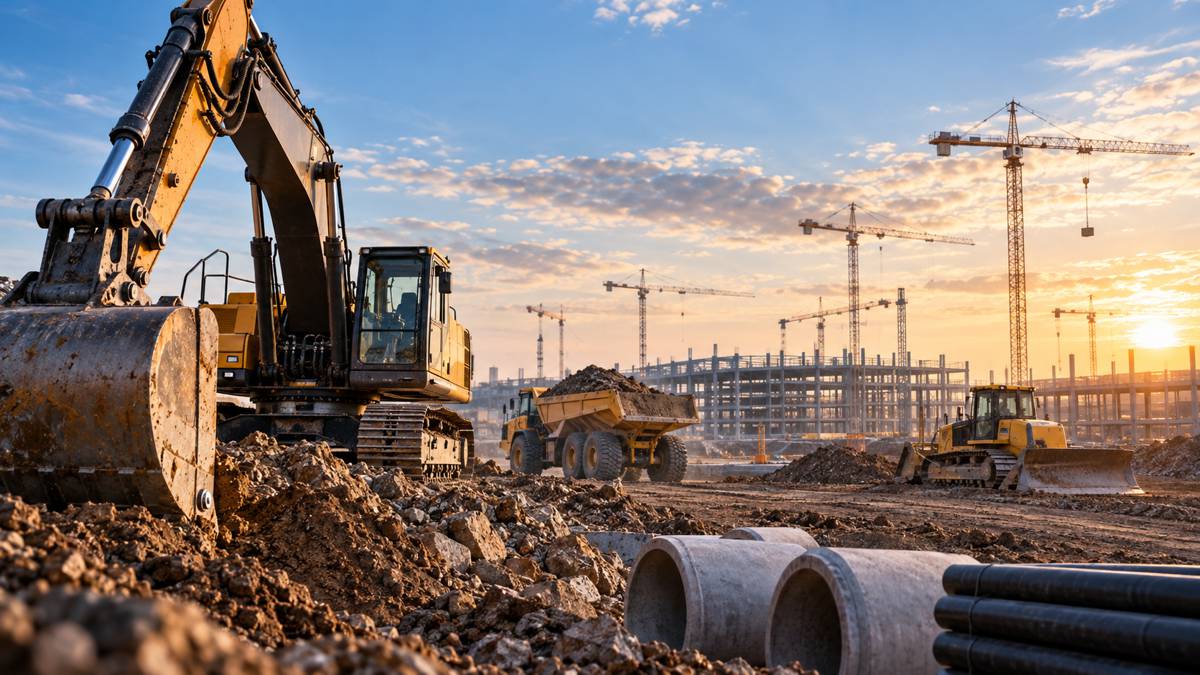
Remove oil from a modern city and the first things most people imagine disappearing are petrol and diesel. Cars stop, aircraft remain on the ground, ships lose one of their principal fuels, and millions of items of construction equipment, agricultural machinery and industrial plant require another source of energy.
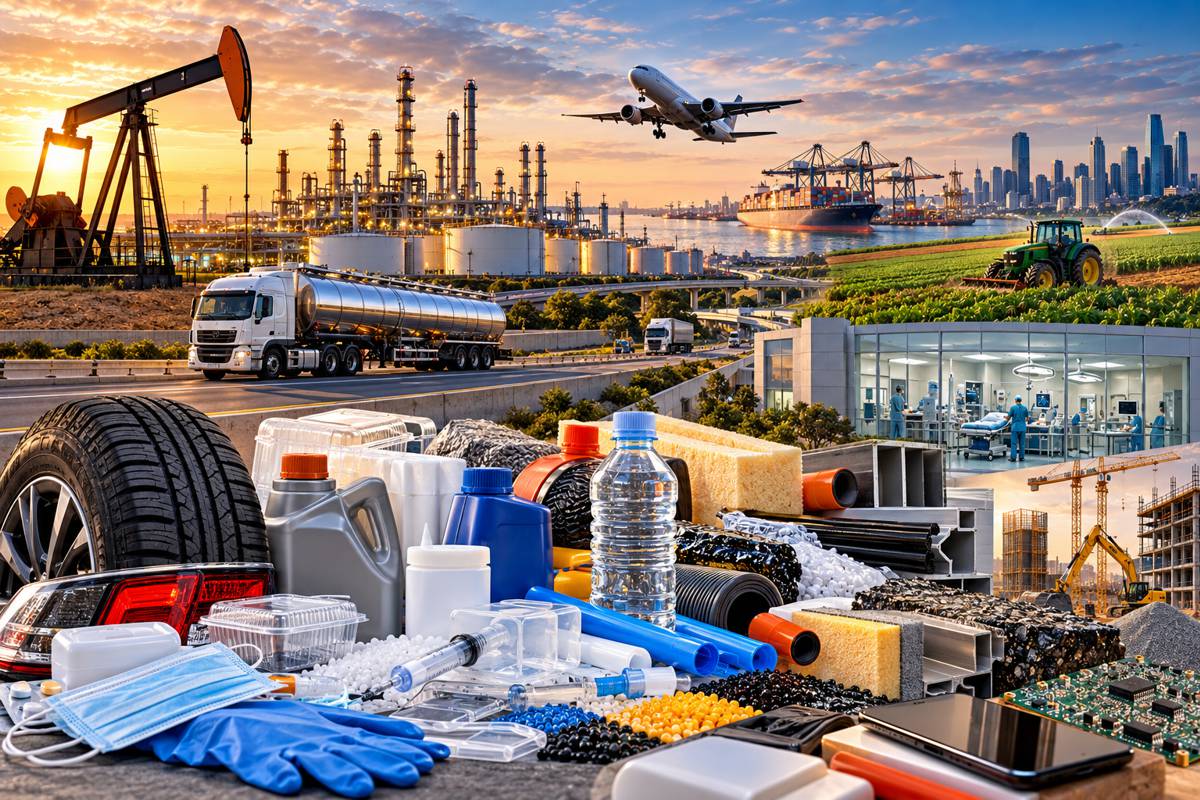
Yet the fuel tank is only the beginning. Start removing the materials made from petroleum and other hydrocarbon feedstocks and the exercise becomes considerably more difficult. Plastics, synthetic rubber, lubricants, solvents, paints, coatings, adhesives, resins, fibres and insulation materials are affected. Road construction loses conventional bitumen. Electrical systems lose polymers used for insulation and protection. Hospitals encounter problems with disposable equipment, sterile packaging, tubing and specialist materials.
Then there are products containing little or no petroleum that nevertheless depend upon it somewhere in their supply chains. Steel begins with minerals extracted from the ground, yet the machines that mine and process those minerals contain lubricants, hydraulic fluids, seals, hoses, tyres, plastics, coatings and electronic components. Timber is grown, but commercial forestry uses machinery, transport and processing equipment. Food begins with agriculture, but modern production connects farming to machinery, fertilisers, crop protection, refrigeration, packaging and transport.
Almost everything civilisation possesses ultimately begins with material extracted from the Earth or produced by biological systems, supplemented by resources such as water and atmospheric gases. Recycling can keep those materials circulating for longer, but the original material still has to come from somewhere.
The question of living without oil is therefore much larger than replacing an internal-combustion engine with an electric motor. It asks whether petroleum can be removed from an interconnected material and chemical system that has developed around hydrocarbons for more than a century.
Briefing
- Petroleum is both an energy source and an industrial raw material used in chemicals, plastics, synthetic materials, lubricants, asphalt and numerous other products.
- Electrification can remove oil from some energy applications without removing petroleum-derived materials from the equipment being electrified.
- Modern industry requires both energy and matter, and changing the source of one does not eliminate demand for the other.
- Many petroleum applications have potential substitutes, including recycled materials, biomass-derived feedstocks, alternative minerals, hydrogen and carbon obtained from other sources.
- Eliminating crude oil is therefore a different technical proposition from eliminating hydrocarbons or carbon-based industrial chemistry.
A Barrel of Oil Is More Than Fuel
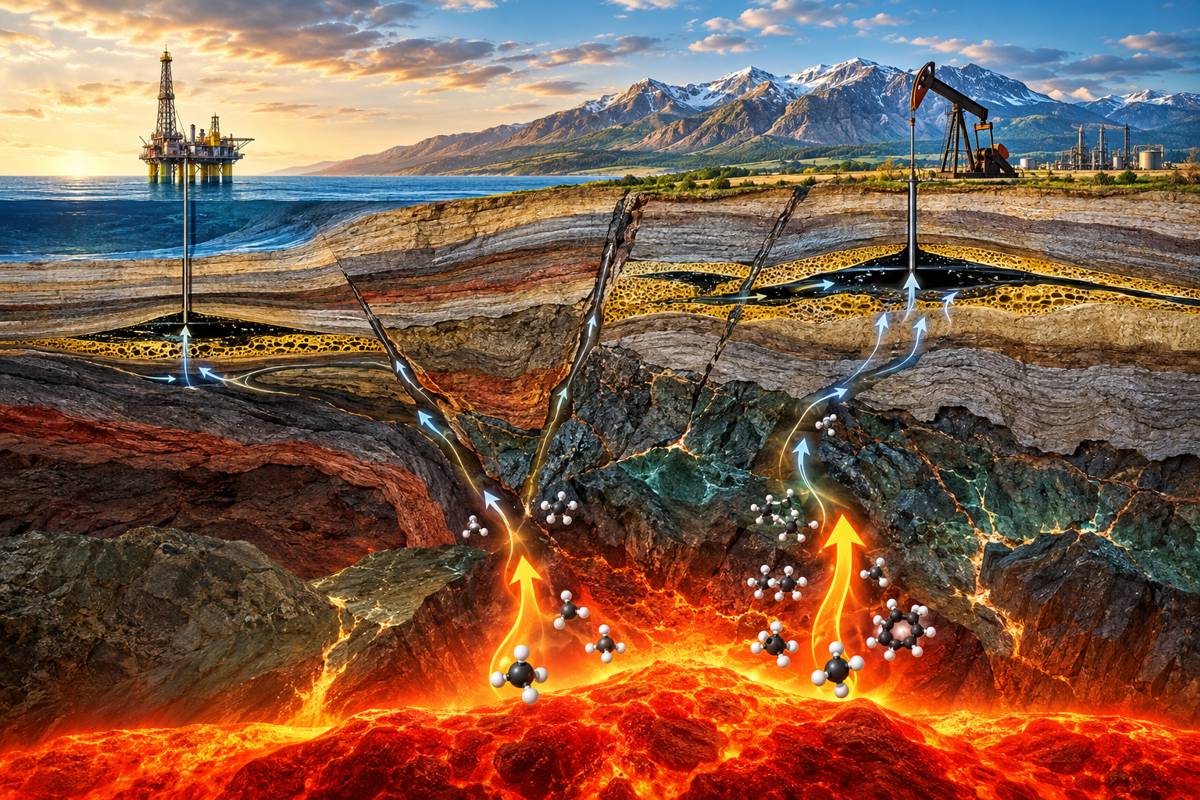
A refinery does not simply turn crude oil into petrol. It separates and converts crude into products suited to very different purposes, with modern refineries producing transportation fuels alongside asphalt, lubricants, waxes, petroleum coke and feedstocks for chemical manufacture. The US Energy Information Administration describes more than a dozen petroleum products emerging from refining in addition to the principal transport fuels.
The distinction between fuel and feedstock is important. Petroleum and other hydrocarbon liquids provide raw materials for plastics, polyurethane, solvents and hundreds of intermediate and finished products, according to the EIA’s overview of petroleum use. Petrochemical manufacture also draws heavily on hydrocarbon gas liquids produced during natural gas processing, so petroleum, crude oil and petrochemical feedstocks should not be treated as interchangeable terms.
The quantities involved are substantial. The International Energy Agency’s Oil 2025 outlook estimated that production of polymers and synthetic fibres could require 18.4 million barrels per day of oil by 2030, equivalent to more than one barrel in every six consumed globally. The IEA expects petrochemicals to become the dominant source of global oil-demand growth from 2026 onwards as some traditional transport markets increasingly diversify towards other energy sources.
A world using less petrol and diesel could consequently remain a world consuming large quantities of hydrocarbon feedstocks. That is because oil performs two fundamentally different jobs within the economy. It supplies energy, but it also supplies matter that industry can rearrange into useful materials.
The Material Economy Cannot Be Electrified
Electricity is extraordinarily versatile, but it is energy rather than matter. A battery can replace the fuel supplying energy to a vehicle. It cannot replace the carbon atoms in a polymer dashboard, the synthetic rubber in a tyre or the chemical structure of a protective coating.
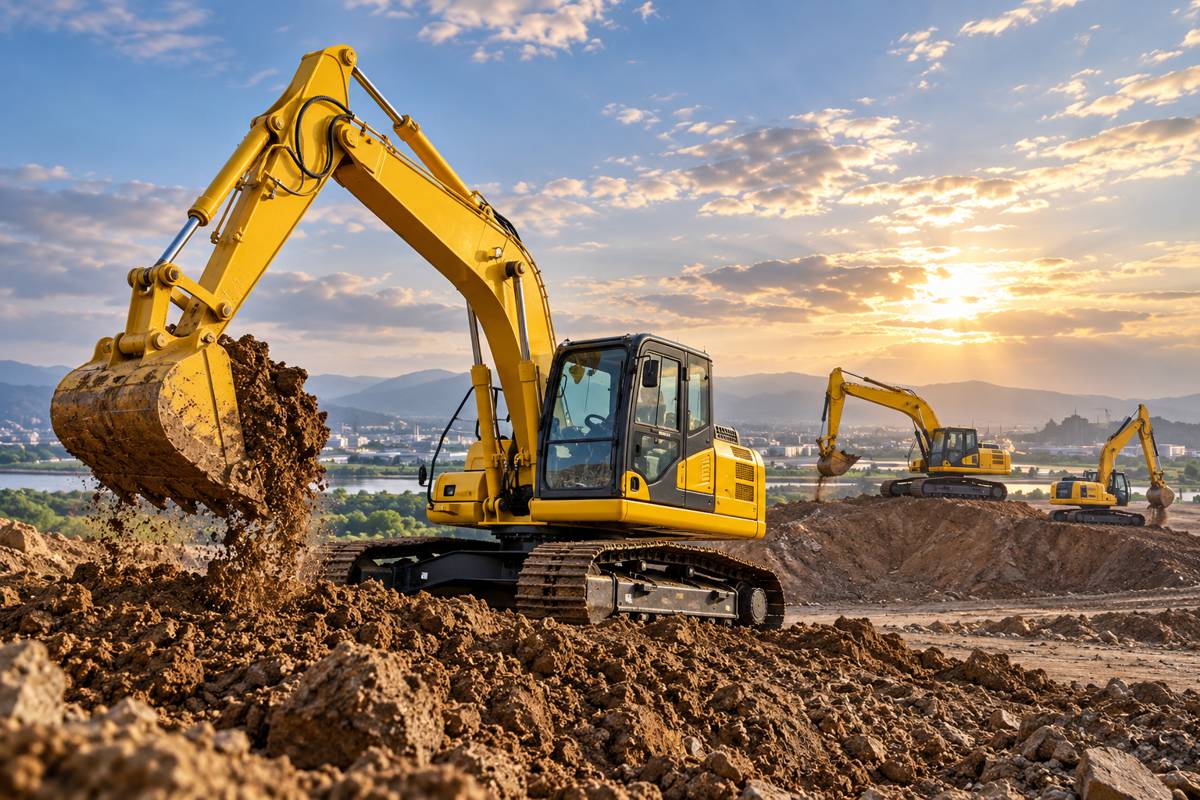
An electric excavator still requires bearings, seals, electrical insulation, tyres or tracks, electronics, paints, plastics and lubricants. Electrifying a quarry does not eliminate the aggregates it produces, just as electrifying a steelworks does not eliminate iron ore. Renewable electricity still requires generators, transformers, cables, foundations and networks made from physical materials.
Electric vehicles provide a particularly clear example. Removing the internal-combustion engine eliminates routine petrol or diesel consumption and removes engine oil and some components associated specifically with combustion powertrains. The remainder of the vehicle is still an engineered mixture of metals, minerals, polymers, elastomers and chemical products.
Tyres commonly contain natural and synthetic rubber together with carbon black and chemical additives. Interiors contain polymers, foams, adhesives, coatings, fabrics and composites. Wiring requires insulation, electronic assemblies use resins and specialist materials, while greases and lubricants remain necessary in bearings, gearboxes and other moving components. The IEA’s work on petrochemicals notes that synthetic rubber used in tyres is principally derived from butadiene, while products as varied as polyester fibres and detergents also depend upon petrochemical chemistry.
A hospital makes the same point more starkly. Modern medicine relies on materials that can be lightweight, sterile, transparent, flexible, chemically resistant or inexpensive enough to be disposable where reuse would create contamination risks. Tubing, syringes, connectors, specimen containers, sterile packaging, protective equipment, flooring, insulation, coatings, adhesives and electronic housings all draw upon sophisticated material chemistry.
Not every one of those products necessarily begins with crude oil. Plastics, for example, can be manufactured from feedstocks derived from both natural gas processing and crude-oil refining, a distinction emphasised by the EIA in its analysis of plastics feedstocks. What matters is the wider dependence upon carbon chemistry and industrial feedstocks rather than one particular geological source.
Every physical technology consequently needs both energy to manufacture and operate it and matter from which it can be made. Those material requirements can change enormously as technology develops, but they do not disappear.
Food Is Grown but Agriculture Is Industrial
Food provides the clearest example of something humanity genuinely grows, yet modern agriculture demonstrates how thoroughly the biological and extracted economies have become intertwined.
Crops convert sunlight, water, carbon dioxide and nutrients into biological material. Producing food for billions of people, however, also involves machinery, irrigation, fertilisers, crop protection, storage, refrigeration, processing, packaging and transport. Some of those dependencies concern petroleum directly, while others concern natural gas and the wider hydrocarbon economy.
Nitrogen fertiliser illustrates an important distinction. Ammonia is the starting point for most mineral nitrogen fertilisers, and today’s production has traditionally relied heavily upon hydrogen obtained from fossil feedstocks, particularly natural gas. That does not mean ammonia intrinsically requires natural gas. Hydrogen can instead be produced through electrolysis, while nitrogen can be separated from the air, providing the inputs required for ammonia manufacture.
This distinction recurs throughout industry. Some processes depend upon petroleum because machinery, infrastructure and supply chains have been designed around it. Others require particular molecules or chemical elements that petroleum happens to provide conveniently. Replacing the first is principally an infrastructure and economic challenge. Replacing the second requires another source of the same chemical building blocks.
Mining Remains Part of the Equation
Changing an energy system also changes demand for extracted resources rather than making extraction disappear.
Power networks require copper and aluminium. Buildings require aggregates, cement, steel, glass and timber. Batteries require combinations of lithium, graphite, nickel, manganese, iron, phosphate and other materials depending upon their chemistry. Motors, generators, transformers and electronic systems require further combinations of metals, minerals and manufactured materials.
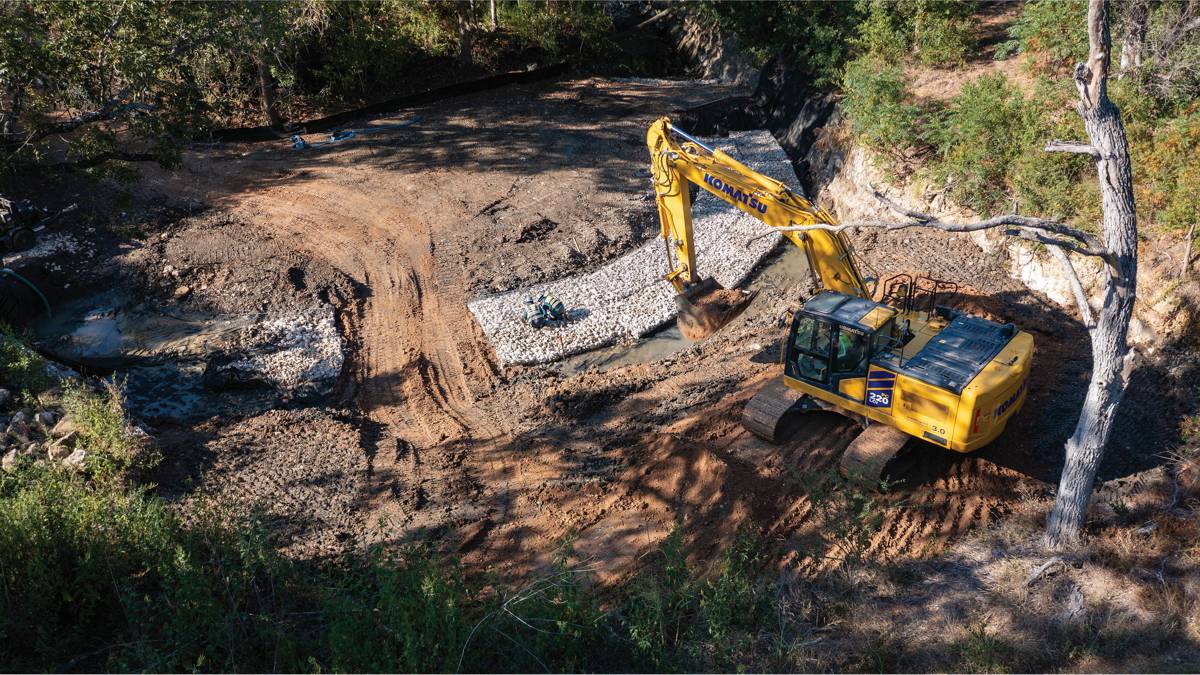
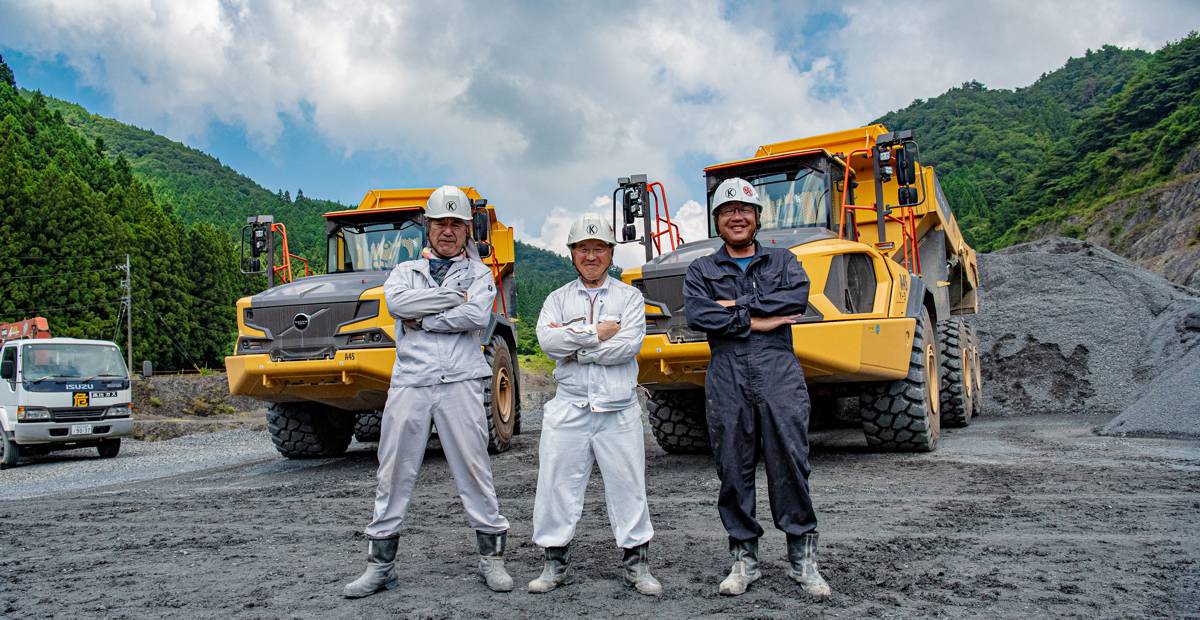
Extracting them requires mines, quarries, processing plants, haulage systems and enormous quantities of equipment. The power sources for those operations can change. Diesel machinery can increasingly be supplemented or replaced by battery-electric equipment, trolley-assist systems and other technologies, but the machinery itself remains a physical product assembled from metals, polymers, rubber, electronics, fluids and other materials.
The same principle applies regardless of the energy technology being considered. Petroleum infrastructure requires physical resources. Nuclear generation requires them. Wind, solar and hydroelectric systems require them. The quantities and types differ, sometimes substantially, but no industrial energy system is detached from the material economy.
Substitution therefore changes the resource equation. Reducing liquid-fuel consumption through electrification may increase requirements for electricity generation, networks, energy storage and particular minerals. The engineering problem becomes one of determining which resources are required, in what quantities, from where, and how effectively they can be recovered and reused.
Roads Show Why Small Quantities Can Matter
For infrastructure, one petroleum product is particularly difficult to overlook.
Bitumen is the hydrocarbon binder used in asphalt roads and numerous waterproofing applications. Asphalt itself is overwhelmingly mineral by mass. Aggregates form most of the pavement, while a comparatively small proportion of bitumen binds those particles into a material capable of resisting water, temperature changes and repeated traffic loading.
A tonne of asphalt is therefore mostly stone, yet the relatively small binder fraction has an enormous influence on whether those mineral particles can function together as a durable pavement. It is a useful demonstration of why petroleum’s industrial importance cannot be measured simply by the tonnes consumed in each application.
Alternatives and partial substitutes are being developed. Reclaimed asphalt can return both aggregate and aged binder to new mixtures, while bio-based binders, lignin, waste-derived materials and other formulations continue to be investigated. Improved pavement design and recycling can reduce requirements for virgin binder without changing the fundamental need for something capable of performing its function.
Replacing petroleum-derived bitumen completely would require alternative binders that can be produced in very large quantities, transported economically, incorporated into established paving processes and deliver predictable performance across widely different climates and traffic conditions. A technically successful laboratory formulation is only the beginning of that process.
Why Petroleum Became So Difficult to Replace
Petroleum’s position in industry developed partly because crude oil contains carbon-rich molecules that can be separated, cracked, rearranged and chemically transformed into an enormous range of useful products. The resulting materials can be liquids, waxes, fibres, elastomers, rigid plastics, flexible plastics, coatings or chemical intermediates.
Oil also became deeply embedded in industrial infrastructure. Refineries, pipelines, ports, storage terminals, chemical complexes, standards, machinery and global trading systems have developed around it for more than a century. Replacing a material therefore involves more than discovering another substance with approximately similar properties.
A replacement aircraft material may need to satisfy requirements for strength, weight, fatigue resistance, temperature behaviour, manufacturability and cost simultaneously. A medical polymer may require flexibility, chemical stability, sterilisation compatibility and regulatory approval. A lubricant has to operate across defined temperatures, pressures and duty cycles while protecting machinery that may cost millions.
Alternatives already exist for many petroleum applications, and more are likely to emerge. The difficult part is reproducing the required combination of properties at the quantity, consistency and price demanded by industrial supply chains.
Hydrocarbons Do Not Have to Come From Oil
Petrochemicals require carbon and hydrogen, but those atoms do not have to originate in a crude-oil reservoir.
Carbon exists in biomass, carbon dioxide, carbonate minerals, waste materials, coal, natural gas and numerous other reservoirs. Hydrogen can be produced from water through electrolysis as well as from hydrocarbons. Industrial chemistry can therefore reach some familiar molecules through different pathways.
The IEA has examined carbon dioxide as an industrial feedstock, including routes in which CO₂ provides carbon for chemicals, plastics, fibres and synthetic rubber. Conversion to methanol provides one pathway towards other carbon-containing chemical intermediates, while CO₂ can also replace part of the fossil-derived raw material in some polymer manufacturing processes.
Hydrocarbons themselves can also be manufactured. Industrial processes can convert synthesis gas, principally hydrogen and carbon monoxide, into liquid hydrocarbons, while combinations of hydrogen and captured carbon dioxide can produce methanol and other carbon-based fuels or chemical building blocks. The IEA’s work on carbon utilisation technologies notes that CO₂-derived synthetic hydrocarbons are technically possible, although producing them can require substantial quantities of energy.
That qualification is central to the economics. Crude oil is a naturally occurring store of carbon-rich molecules that geology has already concentrated underground. Manufacturing equivalent fuels or chemical feedstocks requires industry to obtain carbon and hydrogen, provide the necessary process energy and construct the infrastructure needed to operate at scale.
A future without crude petroleum is therefore not necessarily a future without hydrocarbons. It may instead be one in which industry obtains the carbon and hydrogen for those molecules from different sources.
Recycling Reduces Extraction but Cannot Abolish It
Recycling adds another source of material without immediately returning to a mine, forest or oilfield. Steel, aluminium, copper, glass, paper and many polymers can be recovered and returned to production, while reclaimed asphalt contains both valuable aggregate and residual binder.
A more circular material economy can substantially reduce demand for virgin resources, particularly where products are designed for recovery and materials retain their properties through repeated use. It does not create a new original source of matter. It extends the productive life of resources already introduced into the economy.
Some material is inevitably lost through wear, corrosion, contamination, dispersal and disposal. Infrastructure expands, products become difficult to separate, and some materials degrade during repeated recycling cycles or require virgin inputs to maintain performance. Collection and processing also require energy, machinery and infrastructure.
The effect can nevertheless be substantial. Greater recovery means fewer virgin resources are required for each unit of economic activity, shifting the balance between extraction and reuse without removing the underlying need for material inputs.
Everything Has to Come From Somewhere
Strip away manufacturing, branding and commerce and the material economy becomes surprisingly straightforward.
A steel beam begins with minerals extracted from the Earth. A timber beam begins with biological growth. A semiconductor may represent one of humanity’s most sophisticated manufactured objects, yet it too begins with physical elements that have been extracted, purified and rearranged with extraordinary precision.
Human ingenuity changes the arrangement of matter. It can purify materials, alloy them, polymerise them, machine them, print them and recover them for another use. It cannot remove the requirement for raw material.
That is why the prospect of using less oil should not be confused with a transition from a material-intensive past to an immaterial future. Every industrial future remains physical. What can change profoundly is where those materials come from, how efficiently they are used, how long they remain in service and how much can be recovered afterwards.
Could Modern Civilisation Stop Using Oil?
In principle, an advanced industrial civilisation could probably function without extracting crude petroleum. Many transport applications can be electrified. Synthetic and biological fuels can serve some applications that are difficult to electrify. Lubricants can be manufactured from alternative feedstocks. Carbon for chemical production can come from biomass, waste streams or captured carbon dioxide. Hydrogen can be produced from water, while materials can be redesigned, substituted and recycled.
Assembling those individual possibilities into a complete industrial system is a much larger undertaking. The question is not whether an alternative exists for one plastic bottle, lubricant, vehicle or kilometre of road. It is whether alternatives can provide the performance, quantity, reliability and affordability required across agriculture, medicine, construction, transport, electronics, mining and manufacturing simultaneously.
Oil’s role is unusual because it crosses the boundary between energy and material. Humanity burns enormous quantities of hydrocarbons because they contain useful stored energy, while taking other hydrocarbon streams and rearranging their molecules into materials and chemicals. Reducing the first use is technically different from replacing the second.
The deeper question is therefore not simply whether civilisation can stop extracting crude oil. It is where an advanced industrial society obtains the energy, carbon, hydrogen and physical materials that petroleum currently provides.
Those resources can come from different places. Carbon can be extracted from geological deposits, recovered from existing products, obtained through biological systems or captured from carbon dioxide. Hydrogen can be separated from hydrocarbons or produced from water. Metals, minerals and other materials can increasingly circulate through recycling rather than being discarded after a single productive life.
None of those pathways makes civilisation immaterial. They change where its materials originate and how efficiently they move through the economy.
Human civilisation can become more efficient, more circular and far more sophisticated in the way it uses resources. It cannot cease to be a material civilisation.
Key Industry Questions
- Could civilisation survive without crude oil? In technical terms, probably. That would not be achieved simply by stopping oil production, however. Petroleum currently supplies fuels, industrial feedstocks, lubricants, bitumen and materials embedded throughout global supply chains. Replacing those functions would require multiple alternative technologies and feedstocks rather than a single substitute.
- Is most oil simply burned as fuel? Fuel remains the dominant use, particularly in transport, but non-combustion uses are industrially important. The IEA expects petrochemicals to become the principal source of global oil-demand growth from 2026 onwards, while polymers and synthetic fibres alone are projected to require 18.4 million barrels per day by 2030.
- Would electric vehicles eliminate petroleum from transport? They can eliminate direct petrol or diesel consumption during driving, but vehicles still require tyres, plastics, resins, coatings, lubricants, adhesives and numerous other materials that currently draw heavily upon petrochemical supply chains.
- Can plastics be made without crude oil? Yes. Plastics can use feedstocks derived from natural gas, biomass, recycled material and, in some chemical pathways, captured carbon dioxide. The EIA notes that US plastics manufacture already uses feedstocks from both natural gas processing and crude-oil refining.
- Can bitumen for roads be replaced? Alternative and partially renewable binders are being developed, while reclaimed asphalt can reduce requirements for virgin material. Complete substitution at global scale would require alternatives capable of delivering suitable performance, availability, consistency and cost across an enormous road network.
- Does modern agriculture intrinsically require fossil fuels? No, although current agricultural systems have substantial hydrocarbon dependencies through machinery, fertiliser manufacture, chemicals, processing and transport. Some can be replaced through electrification or alternative chemical pathways. Ammonia, for example, requires hydrogen and nitrogen rather than natural gas itself.
- Can hydrocarbons be manufactured artificially? Yes. Synthetic hydrocarbons can be manufactured from carbon-containing feedstocks and hydrogen. The principal constraints are energy requirements, feedstock availability, infrastructure, economics and scale rather than whether the underlying chemistry is possible.
- Would recycling eventually eliminate mining and oil extraction? Not entirely. Recycling can substantially reduce demand for virgin materials, but losses, contamination, degradation and changing demand mean that new material inputs remain necessary.
- Is everything humanity uses either grown or extracted? Broadly, primary material inputs originate from geological, biological, atmospheric or water resources. Manufacturing transforms those materials and recycling keeps some of them circulating, but neither process creates the original atoms from which products are made.
- Could society stop extracting crude oil while continuing to use hydrocarbons? Potentially. Hydrocarbon molecules can be manufactured using alternative carbon sources and hydrogen. A future industrial system could therefore continue using hydrocarbon chemistry while obtaining progressively less of its carbon from crude petroleum.
Strategic Takeaways
- Oil’s role extends well beyond transport fuel into chemicals, materials, lubricants, bitumen and industrial supply chains.
- Electrification substitutes an energy source but does not remove the physical materials required to manufacture vehicles, machinery and infrastructure.
- Petroleum-derived products can often be substituted technically, although scale, performance, energy requirements and economics determine whether those alternatives are practical.
- Recycling, biological feedstocks, captured carbon and synthetic hydrocarbons provide pathways for reducing dependence on virgin crude oil without eliminating carbon chemistry.
- Every industrial system remains dependent upon physical resources, even when the sources and methods used to obtain those resources change substantially.